What Is Tawny Pipit About?
The premise of Tawny Pipit in 319 words, with nothing given away. The full story follows below.
In the rolling fields of wartime Britain, a nation bent on endurance finds brief respite in the quiet of the countryside. Fresh from the Battle of Britain, Jimmy Bancroft is a fighter pilot nursing his wounds, while the compassionate nurse Hazel Court walks beside him on a gentle walking tour. Their conversation drifts between the roar of distant air raids and the softer sounds of a world that still clings to ordinary pleasures. The landscape, stitched together by hedgerows and distant church spires, exudes a calm that feels both fragile and fierce—mirroring the uneasy peace that settles over a country at war.
Both share a keen eye for avian life, and on one of their wanderings they stumble upon a pair of tawny pipits coaxing a nest in an unassuming field. The rarity of the birds instantly transforms the tranquil spot into a quiet sanctuary, drawing the attention of bird‑watching enthusiasts and stirring a subtle, unspoken competition among those who cherish the fleeting beauty of nature. The presence of the rare birds hints at something larger than themselves—a symbol of hope that persists even as the world around them is scarred by conflict.
Determined to shield this delicate miracle, Jimmy and Hazel enlist the help of the village’s colourful characters, from a fiery retired officer to the local reverend, and even the members of an Ornithology Society. Their collective effort becomes a modest rallying point, a micro‑cosm of community solidarity that stands in gentle contrast to the distant thunder of war. The villagers’ enthusiasm, bolstered by a shared sense of purpose, infuses the rural setting with a warm, almost reverent atmosphere.
Through its lilting cinematography and understated humor, the film paints a heartfelt portrait of life on the home front. The simple act of protecting a nest becomes a quiet ode to perseverance, illustrating how ordinary people can find extraordinary meaning in the most unassuming corners of their world.
What Happens in Tawny Pipit?
The complete story of Tawny Pipit, from the first scene to the last, in 365 words (about 2 minutes). Spoilers throughout. Names in the text link to 6 cast member pages.
Spoilers ahead
During the Second World War, Jimmy Bancroft Niall MacGinnis, a fighter pilot just released from hospital, and his nurse and girlfriend Hazel Broome Rosamund John are on a peaceful walking tour through the countryside. They arrive at the fictional village Lipsbury Lea and, being keen birdwatchers, discover a pair of tawny pipits nesting nearby.
News of the rare sight travels quickly, drawing twitchers from the cities to the tranquil shoreline of fields and hedges. Jimmy and Hazel take on a practical mission: they recruit several locals to protect the nesting site until the eggs hatch, a plan that is enthusiastically supported and organized by the fiery retired Colonel Barton-Barrington Bernard Miles and the Reverend Mr. Kingsley Christopher Steele. The sense of community grows as the village rallies around this unusual conservation effort.
The field where the nest sits, locals call it the pinfold, is scheduled to be ploughed by order of the county’s War Agricultural Executive Committee. A delegation travels to London to appeal to the Ministry of Agriculture, but the order is not rescinded. The minister turns out to be Barton-Barrington’s Marlborough schoolmate, who personally intervenes to save the field, highlighting the personal ties that connect people even in wartime.
As if the situation weren’t delicate enough, the village is later visited by a female Russian sniper Lucie Mannheim. She campaigns for public support during the German occupation of Russia and speaks to the dignity of rural life, even offering a sniper rifle to the colonel as a symbol of solidarity and strength.
The eggs hatch without incident, but a plot to steal them is foiled by the vigilance of the soldiers stationed nearby. An alert army corporal who is also a professional ornithologist, Corporal Philpotts Stuart Latham, helps uncover the attempted theft and ensures that the rare nesting birds remain safe.
In the final moment, the village gathers for thanks in the local church while a Spitfire, piloted by Jimmy, sweeps overhead in a low, respectful pass. The plane bears a special tribute to the birds by being renamed anthus campestris (Tawny Pipit), a quiet nod to the very creatures that united the community and offered a sense of normalcy amid the war.
Tawny Pipit Timeline: Every Key Event in Order
11 key events in the order they happen, from “Jimmy and Hazel discover the Tawny Pipit nest” to “Spitfire tribute over Lipsbury Lea and the Tawny Pipit”. 11 events name a place, across 4 locations.
- 1
Jimmy and Hazel discover the Tawny Pipit nest
Jimmy Bancroft, a fighter pilot just released from hospital, and his nurse Hazel Broome stroll through the countryside and stumble upon a rare nesting pair of tawny pipits near Lipsbury Lea. They are keen birdwatchers and recognize the significance of the find. This discovery marks the beginning of the community's involvement to protect the site.
When:During WWII Where:Lipsbury Lea countryside
- 2
Twitchers arrive from cities to glimpse the birds
News of the discovery spreads and groups of twitchers travel from cities to try to see the rare birds. The influx heightens the tension around the nesting site and motivates protective efforts.
When:During WWII Where:Lipsbury Lea
- 3
Locals rally to guard the nest
Led by the fiery Colonel Barton-Barrington and the Reverend Kingsley, the villagers enlist several locals to guard the pinfold field where the nest lies. They marshal a communal effort to shield the birds from disturbance.
When:During WWII Where:Pinfold field, Lipsbury Lea
- 4
Pinfold field slated for ploughing
The pinfold field housing the nest is ordered to be ploughed by the War Agricultural Executive Committee. The threat looms as the birds' habitat could be destroyed to support the war effort.
When:During WWII Where:Pinfold field, Lipsbury Lea
- 5
Delegation travels to London to stop the order
A delegation attempts to have the ploughing order rescinded by the Ministry of Agriculture in London, but their efforts fail to secure an immediate reversal.
When:During WWII Where:London
- 6
Ministerial intervention saves the field
The minister, who had been Barton-Barrington's fag at Marlborough, personally intervenes to save the pinfold field from being ploughed. His action halts the immediate threat to the eggs and ensures protection for the nest.
When:During WWII Where:London
- 7
A Russian soldier visits to rally support
A female Russian soldier visits the village campaigning for public support during the German occupation of Russia, praising the countryside and farming. The Colonel responds by presenting her with a sniper rifle, signaling allied solidarity.
When:During WWII Where:Lipsbury Lea
- 8
Eggs hatch and hope grows
The Tawny Pipit eggs hatch, confirming the birds’ persistence despite wartime disruption. The community's vigilance maintains the nest's safety during this fragile period.
When:During WWII Where:Pinfold field, Lipsbury Lea
- 9
A theft plot is foiled by an army ornithologist
An unscrupulous dealer schemes to steal the eggs, but an alert army corporal who is also a professional ornithologist serving nearby foils the plan. His timely intervention protects the nest and its precious offspring.
When:During WWII Where:Pinfold field, Lipsbury Lea
- 10
The village gathers for thanks in church
The village comes together in the local church to give thanks for the birds and the protection they received. The moment underscores wartime unity and communal resolve.
When:During WWII Where:Lipsbury Lea
- 11
Spitfire tribute over Lipsbury Lea and the Tawny Pipit
A Spitfire piloted by Jimmy Bancroft flies over the village in a low-level pass, tipping its wing in salute. The aircraft is renamed anthus campestris (Tawny Pipit) to honor the birds and the villagers' efforts.
When:During WWII Where:Lipsbury Lea
Who Are the Main Characters in Tawny Pipit?
7 characters, among them Jimmy Bancroft (Niall MacGinnis), Hazel Broome (Rosamund John) and Colonel Barton-Barrington (Bernard Miles): who each one is and the part they play in the story. Every profile links to the actor’s page.
-

Jimmy Bancroft (Niall MacGinnis)
Played by Niall MacGinnis
A fighter pilot just released from hospital, Jimmy brings daring and resilience to the village. He helps organize the protection of the tawny pipits and inspires others with his steady resolve under pressure. His relationship with Hazel anchors the personal stakes of the story.
- 🛡️ Pilot
- 💪 Courage
- 🧭 Community organizer
- HB
Hazel Broome (Rosamund John)
Played by Rosamund John
A nurse who is also Jimmy's partner, Hazel combines compassion with practical action. She participates in the community effort to guard the nesting site and supports others through wartime stresses. Her bond with Jimmy adds a personal layer to the rural drama.
- 💗 Nurse
- 🕊️ Romantic lead
- 🏡 Village resident
-

Colonel Barton-Barrington (Bernard Miles)
Played by Bernard Miles
A fiery, retired colonel who spearheads the local defense of the pinfold. He channels Marlborough-school camaraderie into leadership, rallying villagers and coordinating the guard. His authority and charisma unify the community under threat.
- 🛡️ Leader
- 👨🏻✈️ Veteran
- 🗺️ Community elder
- RK
Reverend Kingsley (Christopher Steele)
Played by Christopher Steele
The village clergyman who provides moral guidance and emotional support. He helps organize the watch and maintains morale during tense times. His presence reinforces communal ethics and compassion.
- 🙏 Clergy
- 🕊️ Moral compass
- 🗺️ Community figure
-

Russian Sniper (Lucie Mannheim)
Played by Lucie Mannheim
A visiting female Russian soldier who speaks to the farmers about resilience and cooperation. Her visit underscores Allied solidarity and the shared struggle against occupation. She offers a perspective from the wider war front that ties back to rural life.
- 🎖️ International ally
- 🪖 War messenger
- 🕊️ Perspective
-
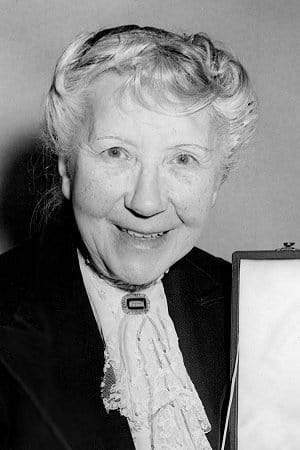
Miss Pyman (Katie Johnson)
Played by Katie Johnson
A local resident who participates in village affairs and supports the bird protection effort. She contributes to community morale and practical planning. Her presence embodies the everyday civilian contribution to wartime life.
- 👒 Village resident
- 🧭 Community organizer
- 🕰️ Wartime citizen
- MP
Miss Pennyman (Ann Wilton)
Played by Ann Wilton
Another village resident who joins in the protective watch while juggling wartime duties. She represents the women of the home front, balancing work, family, and community responsibilities. Her role adds warmth and practical help to the mission.
- 👒 Village resident
- 🧭 Community organizer
- 🕰️ Wartime citizen
Where and When Is Tawny Pipit Set?
Tawny Pipit is set in Lipsbury Lea (World War II (1939-1945)). Here is why the time and place matter to the story.
When
World War II (1939-1945)
The story is set during World War II, when Britain faces invasion threats and rationing reshapes daily life. Rural communities juggle war work with ordinary pleasures, like birdwatching, while political authorities balance agricultural needs with preservation. The period features civilian resilience, temporary alliances, and acts of bravery on the home front.
Where
Lipsbury Lea
Lipsbury Lea is a small fictional village in the English countryside where WWII-era events unfold. The plot centers on protecting a nesting site for tawny pipits near a field known as the pinfold, highlighting rural life under wartime constraints. The village acts as a microcosm of community effort, rituals, and local leadership against a backdrop of national mobilization.
- 🏞️ English countryside
- 🏘️ Fictional village
- 🕰️ Wartime setting
What Are the Themes of Tawny Pipit?
5 ideas the story keeps returning to, among them Community Solidarity, War-time Interference and Nature as Hope.
-
01
Community Solidarity
Villagers rally to protect the nesting site, led by figures like the Colonel and the Reverend. The collective effort shows how shared purpose can mobilize a rural community under pressure. Acts of coordination and mutual aid strengthen social bonds and defy wartime disruption.
-
02
War-time Interference
The war ag's order to plough the field tests local resolve and bureaucratic power. A minister's intervention symbolizes how national politics can intersect with local life, affecting livelihoods and the countryside. The community's fight to preserve the site becomes a symbol of resistance to impersonal wartime policy.
-
03
Nature as Hope
The rare tawny pipits and their eggs become a beacon of normalcy amid conflict. Birdwatching draws outsiders and unites locals in a common cause. The hatchling moment marks a small but meaningful victory for patience, care, and the slow return of peace.
-
04
Leadership & Courage
Colonel Barton-Barrington and Reverend Kingsley embody wartime leadership, organizing volunteers and guiding moral action. Their resolve motivates the village to defend the nesting site against theft and external pressures. The mutual respect among leaders fosters a sense of justice and duty.
-
05
Moral Vigilance
A plot to steal the eggs by an unscrupulous dealer is foiled by alert local forces, including an army corporal. The episode demonstrates vigilance, fairness, and the consequences of greed in wartime economies. Community watchfulness reinforces social norms and lawfulness.
What Kind of Film Is Tawny Pipit?
Hopeful in tone, with steady pacing and a straightforward story, going by the plot summary.
- Tone
- Hopeful
- Pacing
- Steady
- Story
- Straightforward
- Intensity
- Low
- Ending
- Happy
A gentle and hopeful wartime drama that celebrates community spirit through a shared conservation project, offering a quiet, nostalgic respite from the surrounding conflict.
- uplifting
- hopeful
- gentle
- nostalgic
- wholesome
- community-focused
- wartime britain
- community effort
- bird conservation
- rural life
Quiz
How well do you remember Tawny Pipit? Test yourself on the story.