What Is Angels One Five About?
The premise of Angels One Five in 303 words, with nothing given away. The full story follows below.
In the summer of 1940 the sky over southern England crackles with the roar of engines and the looming threat of enemy bombers. Against this backdrop, freshly minted Pilot Officer T. B. “Septic” Baird arrives at a bustling RAF airfield, eager to trade flight‑school drills for the reality of frontline combat. The squadron, a tight‑knit group of seasoned pilots and grounded crew, is perched on the edge of history, its members bound together by duty, danger, and the ever‑present hum of urgency that defines the Battle of Britain.
The film’s tone is a blend of gritty wartime realism and the restless optimism of a young man thrust into the heart of the fight. The airfield itself feels alive—a place where mud‑caked runways, spattered fuel, and the steady clatter of maintenance crews convey both the chaos of war and the meticulous order demanded by the Royal Air Force. Within this charged environment, the hierarchy of ranks surfaces as both a source of guidance and a crucible for ambition.
Group Captain “Tiger” Small presides over the squadron with a mix of steely command and paternal concern, embodying the pressures of leadership during a crisis. Alongside him, Squadron Leader Barry Clinton and Squadron Leader Peter Moon represent the seasoned pilots whose reputations are forged in countless sorties. Their interactions with Baird set the stage for a delicate dance of mentorship, rivalry, and the unspoken expectation that every newcomer must earn his place in the sky.
As the war intensifies, the story follows Baird’s struggle to prove himself, regain confidence, and win the grudging respect of his comrades. The narrative promises a vivid portrait of courage under fire, the camaraderie that blossoms amid the peril of aerial combat, and the relentless pursuit of a pilot’s personal redemption when the fate of a nation hangs in the balance.
What Happens in Angels One Five?
The complete story of Angels One Five, from the first scene to the last, in 527 words (about 2 minutes). Spoilers throughout. Names in the text link to 5 cast member pages.
Spoilers ahead
In 1940, a freshly qualified pilot, Pilot Officer T. B. ‘Septic’ Baird John Gregson is tasked with delivering a replacement Hawker Hurricane to the bustling airfield of Pimpernel Squadron. Just as he touches down, a damaged Hurricane lands ahead of him, and Septic’s quick reflexes let him leapfrog the other aircraft, narrowly avoiding a collision. Yet he cannot slow in time and crashes his brand-new fighter into the garden of Squadron Leader Barry Clinton Cyril Raymond. The impact tears at the ligaments in Septic’s neck, a diagnosis he makes himself thanks to his brief medical studies before the war. The mishap instantly elevates the tension around the airfield, especially for the squadron’s leadership.
The following morning, Group Captain “Tiger” Small Jack Hawkins informs Septic that he won’t be able to fly until his neck heals, so Septic shifts to duties in the operations room. As days pass, a looming bombing raid puts the entire airfield at risk, and Small takes decisive action to protect the Hurricanes already stationed there. He orders a full scramble, pulling together every available pilot and turning out whatever aircraft can still fight. In a bold personal challenge, Septic races Small and wins the contest for the last spare Hurricane, seizing a chance to prove himself in the skies and to justify the unit’s hope in him. The moment is electric, but the victory is tempered by the larger mission at hand: Septic goes on to shoot down a Messerschmitt Bf 110 from the attacking force, a moment of triumph that quickly collides with discipline and caution.
Back on the ground, Septic’s elation is checked when he’s rebuked by Small and Squadron Leader Peter Moon Michael Denison for leaving his radio on transmit. That slip prevents the returning Hurricanes from getting warned to divert to an undamaged airfield, a misstep that tempers his celebration with a hard reminder of the responsibilities borne by every pilot. The reprimand nudges Septic back toward his ground duties, and the squadron carries on with its tense balance of risk and duty.
Time passes, and Septic fights his way back into operational duty, joining the Pimpernel team again. Yet the cost of war lingers: Septic is mortally wounded while pursuing another German aircraft, the combat taking a heavy toll on him despite his earlier bursts of speed and courage. His final words crackle over the Sector control tannoy, a stubborn note of resolve in the midst of loss: > Your message received and understood. Out
The scene closes with a quiet, haunting image: Nadine Clinton Dulcie Gray hanging an oil lamp in the ruins of her bungalow to guide returning pilots, a poignant reminder of the human cost that surrounds every flight and every mission.
In a blend of brisk action and earned sacrifice, the film traces Septic’s rapid rise, his early triumphs, and the heavy price paid when timing, duty, and fate collide in the chaos of war. The narrative keeps its focus on the men and women at the heart of Pimpernel Squadron, balancing moments of levity—like the spur-of-the-moment race for the last spare Hurricane—with the gravity of combat and the personal losses that shape their resolve.
Angels One Five Timeline: Every Key Event in Order
11 key events in the order they happen, from “Delivery and disaster on arrival” to “Nadine's lamp in the ruins”. 11 events name a place, across 9 locations.
- 1
Delivery and disaster on arrival
In 1940, Septic delivers a replacement Hawker Hurricane to Pimpernel Squadron. A damaged Hurricane lands across his path as he touches down, and his quick leapfrogging maneuver prevents a collision. He cannot slow his own aircraft in time and crashes the plane into the garden of Squadron Leader Barry Clinton, creating an immediate crisis.
When:1940 Where:Pimpernel Squadron airfield and the garden of Squadron Leader Barry Clinton
- 2
Wrath of the squadron leader
The crash earns Septic the ire of Squadron Leader Bill Ponsford, who blames him for damaging a replacement aircraft. The incident strains relations within Pimpernel Squadron as the men assess the cost of the damaged asset. Septic must confront the consequences of his risky landing.
When:1940 Where:Pimpernel Squadron airfield
- 3
Injury and self-diagnosis
The crash injures the ligaments in Septic's neck, a wound he can identify himself thanks to his medical studies before the war. He quickly recognizes the seriousness of the injury and the need to recover. The damage foreshadows a shift in his role on the squadron.
When:shortly after the crash Where:Pimpernel Squadron airfield
- 4
Restriction and new role
The following morning Group Captain Tiger Small informs him he cannot fly until his neck heals, so Septic is reassigned to duties in the operations room. He must observe from the ground and learn through indirect involvement. This marks the start of a different path within the squadron.
When:the following morning Where:airfield operations room
- 5
Raid warning and scramble
Several days later, with a bombing raid looming, Tiger orders all aircraft to fly out of harm's way. He rapidly calls up pilots and secures a scramble, finding the last spare Hurricane for Septic to fly if needed. The tense moment demonstrates his eagerness to prove himself despite the injury.
When:during the raid Where:Pimpernel airfield
- 6
Victory and reprimand
Septic shoots down a Messerschmitt Bf 110 during the scramble, but Small and Squadron Leader Moon rebuke him for leaving his radio on transmit. The oversight prevents a warning from reaching returning Hurricanes. The moment underlines the cost of a single mistake in wartime.
When:during the raid Where:airspace around the airfield
- 7
Back to ground duties
Disheartened by the reprimand, Septic returns to ground duties and continues to contribute from the operations room. He remains a part of the effort while waiting for a chance to fly again. The squadron's operations continue under the pressure of the looming threat.
When:soon after the reprimand Where:Pimpernel Squadron airfield/operations room
- 8
Return to combat
Septic is eventually reinstated into Pimpernel's operations and is able to participate in active missions again. He takes part in interceptions but his fate turns when he is mortally wounded while shooting down a German aircraft. The moment marks the ultimate price of his service.
When:late in the mission sequence Where:Pimpernel airspace
- 9
Last words over the tannoy
As the operation unfolds, Septic's final words are heard over the Sector control room tannoy when he says their planned foot race to the spare Hurricane must be postponed indefinitely. The weight of his loss hangs over the control room as the war continues beyond the moment.
When:final mission Where:Sector control room
- 10
Small's acknowledgement
Squadron Leader Small responds with the line: Your message received and understood. Out, signifying the end of Septic's direct communication and the closing of his final act. The exchange underscores the discipline and tenderness of wartime leadership.
When:final moments Where:Sector control room
- 11
Nadine's lamp in the ruins
The final shot shows Nadine Clinton, wife of Squadron Leader Clinton, hanging an oil lamp in the ruins of their bungalow to aid returning pilots. The scene functions as a quiet memorial and a beacon for those coming home. It contrasts the destruction with a simple symbol of hope.
When:aftermath Where:Ruins of Barry Clinton's bungalow
Who Are the Main Characters in Angels One Five?
5 characters, among them Pilot Officer T. B. 'Septic' Baird — John Gregson, Squadron Leader Barry Clinton — Cyril Raymond and Group Captain 'Tiger' Small — Jack Hawkins: who each one is and the part they play in the story. Every profile links to the actor’s page.
- PO
Pilot Officer T. B. 'Septic' Baird — John Gregson
Played by John Gregson
A newly qualified pilot whose medical background makes him unusually self-aware about his neck injury and recovery. He is eager and capable, often brimming with reckless energy that pushes him to take risks. His arc moves from audacious missteps to selfless combat, culminating in a fatal, sacrificial act.
- 🎯 Pilot
- 🧭 Brave
- 🩺 Medical-trained
-

Squadron Leader Barry Clinton — Cyril Raymond
Played by Cyril Raymond
A steady, authoritative commander who must balance mission safety with the welfare of his men. He cares for his squad as well as his home life, with the pursuit of safety shaping his leadership decisions. His bungalow’s ruin offers a human dimension to the airfield’s war.
- 🛡️ Leader
- 🏡 Protector
- 🧭 Strategist
-
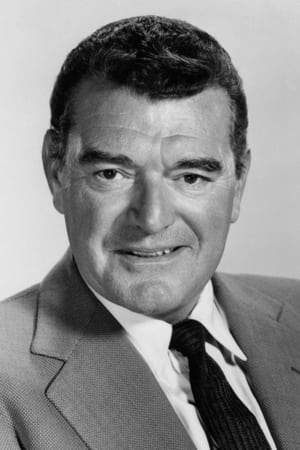
Group Captain 'Tiger' Small — Jack Hawkins
Played by Jack Hawkins
The base commander who orchestrates scrambles and maintains order under bombardment. He is strict but pragmatic, prioritizing squadron safety and cohesion. His decisions reflect steady, wartime leadership in crisis.
- 🎖️ Commander
- 🧰 Mentor
- 🗺️ Strategist
- SL
Squadron Leader Peter Moon — Michael Denison
Played by Michael Denison
A senior officer who enforces rules and discipline, including admonishing Septic for leaving the radio on. He represents procedural backbone and the tension between initiative and order in wartime aviation.
- 🏷️ Authority
- 🧭 Regulated
- 🗡️ Discipline
- NC
Nadine Clinton — Dulcie Gray
Played by Dulcie Gray
Wife of Squadron Leader Clinton, her presence emphasizes the war's reach into civilian life. The final image of her hanging an oil lamp amid the bungalow's ruins underscores resilience and the home-front perspective on loss.
- 🏡 Civilians
- 💡 Symbol of resilience
- 🧭 Support
Where and When Is Angels One Five Set?
Angels One Five is set in Pimpernel Squadron airfield and Clinton's bungalow garden (1940). Here is why the time and place matter to the story.
When
1940
Set in the early years of World War II, the narrative unfolds as Britain mobilizes its air power against German raids. Pilots train, scramble, and engage in dogfights amid a culture of urgency and duty. The story emphasizes the rapid pace of combat and the high personal cost of sustaining air defense.
Where
Pimpernel Squadron airfield, Clinton's bungalow garden
The RAF airfield serves as the focal setting for Pimpernel Squadron during the 1940 campaign, where Hurricanes are scrambled to meet Luftwaffe threats. The base combines tense operational rooms with the immediacy of frontline air combat, illustrating both the discipline and danger of wartime aviation. The bungalow garden near Squadron Leader Clinton's home becomes a symbol of home life disrupted by war, culminating in the ruins shown at the end.
- ✈️ RAF airfield
- 🏡 Clinton's bungalow garden
What Are the Themes of Angels One Five?
3 ideas the story keeps returning to, among them Courage, Competition and Sacrifice.
-
01
Courage
Septics's bold, sometimes reckless actions—leapfrogging a damaged Hurricane and chasing an enemy—underscore frontline courage under fire. His feats prove how nerve and quick decision-making can shift a mission's outcome. The squadron's morale hinges on pilots who balance bravery with discipline, revealing the costs of aggressive action.
-
02
Competition
A spur-of-the-moment race to claim the last spare Hurricane pits drive against caution and tests skill under pressure. This rivalry motivates sharper performance but risks key communications when a radio is left transmitting. Leadership must steer competitive energy toward coordinated teamwork.
-
03
Sacrifice
Septic's mortal wounding during combat highlights the personal price of war and the fragility of victory. The home front feels the impact as Nadine Clinton tends to the rubble of her bungalow, symbolizing civilian sacrifice. His final words and the squadron's response underscore duty beyond personal safety.
What Kind of Film Is Angels One Five?
Tense in tone, with fast pacing and a straightforward story, going by the plot summary.
- Tone
- Tense
- Pacing
- Fast
- Story
- Straightforward
- Intensity
- High
- Ending
- Bittersweet
A tense and fast-paced war drama that captures the high-stakes urgency of aerial combat and the personal toll of duty, balancing moments of triumph with the heavy, somber reality of sacrifice.
- tense
- anxious
- somber
- resolute
- urgent
- melancholic
- war
- military duty
- pilots
- battle of britain
Content notes: war violence, character death.
Quiz
How well do you remember Angels One Five? Test yourself on the story.