What Is Salome About?
The premise of Salome in 287 words, with nothing given away. The full story follows below.
In the golden‑age glare of Tiberian Rome, the province of Judea teeters between imperial extravagance and simmering spiritual unrest. Marble terraces overlook bustling markets, and every stone seems to echo with the weight of ancient prophecy while the scent of incense mingles with the perfume of power. The palace walls glitter with luxury, yet shadows loom as a whispered doom hangs over the ruler’s head, promising that any king who silences the divine messenger may meet a fate far crueler than any political defeat.
John the Baptist strides through this world as a fire‑brand prophet, his fierce denunciations aimed at the empire’s most intimate allies. King Herod watches his court with a mixture of arrogance and unease, aware that the very words spoken against him may fulfill a chilling forecast. Beside him, Queen Herodias moves with calculated poise, her ambitions intertwining with the fragile stability of the throne. Across the sea, a banished daughter returns: Salome, a striking young woman whose time in Rome has sharpened both her beauty and her resolve. On the royal vessel she encounters Claudius, a disciplined Roman soldier whose loyalty to the crown is tested by a growing curiosity about the new teachings whispered among the faithful.
Against this backdrop of opulent decadence and looming prophecy, the characters swirl in a tense dance of desire, duty, and destiny. Salome’s famed performance hints at a price far greater than mere admiration, while the simmering attraction between her and Claudius hints at a bond that could shift loyalties. As the palace corridors hum with intrigue and the streets echo with the prophet’s fervent cries, the stage is set for a clash where faith, power, and personal longing may reshape the fate of an empire.
What Happens in Salome?
The complete story of Salome, from the first scene to the last, in 636 words (about 3 minutes). Spoilers throughout. Names in the text link to 6 cast member pages.
Spoilers ahead
In Galilee, during the rule of Cedric Hardwicke as Tiberius Caesar, Charles Laughton as King Herod and Judith Anderson as Queen Herodias preside over a realm that is sharply judged by the prophet John the Baptist. John denounces Herodias for her marriage to Herod, the brother of her former husband, and his rebuke unsettles the king who dreads the fate that befell his father after ordering a brutal killing of the land’s firstborn. The prophecy hangs over them: if a king of Judea kills the Messiah, he will suffer an agonizing death. Herod misreads the tension of the moment, suspecting that John might indeed be the Messiah.
Marcellus Fabius, played by [Rex Reason], seeks his uncle’s permission to wed Salome, and he is warned that he is forbidden to marry a “barbarian.” Rita Hayworth appears as Salome, a young woman who has spent time in Rome and is on her way back to Galilee after being banished for trying to rise above her station. On the boat that brings her home, Salome encounters Stewart Granger as Claudius, a Roman soldier attached to Herod’s palace. Salome begins to command those around her, and when Claudius disobeys, she slaps him. He responds by stealing a kiss, a bold moment that leaves her momentarily unsettled.
Back at the palace, Judith Anderson as Herodias greets her daughter and discerns that Herod’s attraction to Salome could be a tool in her political game. Salome slips into the marketplace with several servants to hear John speak. When John calls Herodias an adulteress, Salome rebukes him, inadvertently exposing her own identity to the crowd. Yet John’s presence calms the mob and he denounces violence, which saves Salome from being stoned. Wary of danger but protective of her mother, Salome pleads with Herodias to leave Galilee so she won’t be murdered for her faith, yet Herodias refuses, intent on preserving the throne for Salome’s sake—even though Salome herself cares little for the throne. Seizing on Claudius’s feelings toward her, Salome tries to coax him into arresting John, but the soldier refuses.
Herod decides to arrest John, disguising it as treason to shield him from Herodias’s plots. Claudius, now converted to Christianity, hurries to Herod to plead for John’s release, but the plea falls on deaf ears and he makes his way to Jerusalem to intervene. In Jerusalem, Basil Sydney as Pontius Pilate refuses to release John because his preaching against Rome is seen as treason. Claudius presses Pilate to join him as a champion of John’s new faith, and the news shocks Pilate into action, ultimately relieving Claudius of his post and forbidding him to return to Galilee.
During this tense exchange, Claudius learns of a miracle worker and makes plans to see him. He returns to the palace and finds Salome again, while Herodias presses Salome to perform a dance that could save her mother’s life. Salome recoils at the thought of surrendering her will and body to Herod, but she remains determined to protect John. She pleads with Claudius to take her away from Galilee, but he urges restraint and reveals that he is now a Christian. He tells Salome of the miracle worker, whom John recognizes as the Messiah, and this revelation moves Salome to reconsider her actions.
Reluctantly, Salome agrees to act, and in a fateful dance for Herod she strips away layers of clothing until each move carries a deeper weight. Herod, utterly entranced, quips that he would give half his kingdom for Salome. At Herod’s command, John’s fate is sealed as he is beheaded just before Salome’s request can be made in full. The tragedy drives Salome to reject Herodias, and she too embraces Christianity along with Claudius. The film closes with Salome and Claudius standing together as they listen to Christ deliver the Sermon on the Mount.
Salome Timeline: Every Key Event in Order
12 key events in the order they happen, from “John the Baptist condemns Herod and Herodias” to “Sermon on the Mount”. 12 events name a place, across 8 locations.
- 1
John the Baptist condemns Herod and Herodias
John the Baptist publicly condemns Herod and Herodias for their adulterous marriage and tyrannical rule in Galilee. He labels Herodias an adulteress and declares that such sins invite divine judgment. A prophecy warns that a king who kills the Messiah will suffer an agonizing death, and Herod fears the consequences of acting against John.
When:During the rule of Tiberius Caesar Where:Galilee
- 2
Marcellus seeks Salome's hand
Marcellus, Caesar's nephew, petitions his uncle to marry Salome, hoping for an alliance that would elevate his status. A message arrives forbidding him to wed a barbarian, signaling political and social boundaries. Salome is banished from Rome for seeking to rise above her station and will be escorted back to Galilee.
When:In Rome Where:Rome
- 3
Salome and Claudius on the voyage
On the boat escorting Salome home, she begins to take charge, giving orders to others. Claudius, a Roman soldier assigned to Herod's palace, disobeys her and she slaps him; he retaliates by stealing a kiss, which shocks her. Their uneasy interaction foreshadows a shifting alliance.
When:During the voyage Where:Aboard the boat returning Salome to Galilee
- 4
Herodias plots while Herod's desire grows
Back at the palace, Herodias becomes aware of Herod's growing lust for Salome, her daughter and niece. The queen begins to plot how to use this weakness to manipulate the king and preserve the throne for Salome. The tension between desire and power sets the stage for future conflicts.
When:Rising tensions Where:Palace in Galilee
- 5
Salome tests John at the Galilee marketplace
Salome sneaks into the Galilee marketplace with servants to hear John the Baptist. John condemns Herodias as adulteress and denounces violence, and Salome repudiates him while inadvertently revealing her identity. John calms the crowd and urges restraint. Salome pleads with Herodias to flee Galilee, but her mother refuses to leave to preserve the throne.
When:During John's preaching Where:Galilee marketplace
- 6
Herod arrests John; Claudius pleads
Shortly after, Herod decides to arrest John, ostensibly for treason but in reality to protect him from Herodias's plots. Claudius, now a Christian, hurries to Herod to plead for John's release but is unable to secure his freedom. He then travels to Jerusalem to attempt to save him.
When:After the marketplace events Where:Galilee; Jerusalem
- 7
Pilate refuses to release John
Claudius meets Pontius Pilate in Jerusalem; Pilate refuses to release John because he preaches against Rome and is considered treasonous. Claudius tries to persuade Pilate to join him as a champion of John's new religion, but Pilate relieves him of his post and forbids him from returning to Galilee.
When:In Jerusalem Where:Jerusalem
- 8
Claudius seeks the miracle worker
During their talk, Claudius learns of a miracle worker and decides to seek him. He then returns to the palace and meets Salome, beginning a new turn in their alliance.
When:After meeting Pilate Where:Palace in Galilee
- 9
Herodias pressures Salome toward a dangerous dance
On Claudius's departure, Herodias manipulates Salome into believing that dancing for Herod is the only way to save her mother's life. Salome is torn by the prospect of surrendering her will and body to Herod, though she fears the consequences. Claudius urges her to leave Galilee, but the decision remains uncertain.
When:Before the dance Where:Palace in Galilee
- 10
Claudius reveals his faith and the Messiah
In John's cell, Claudius reveals that he is a Christian and speaks of the miracle worker who John recognizes as the Messiah. The revelation deepens Salome's moral crisis and aligns her with the emerging Christian faith.
When:During Claudius's revelation Where:John's cell, Galilee
- 11
Salome dances; John is beheaded; Salome renounces Herodias
Salome dances for Herod, shedding layers of clothing as the king beams with enthralled indulgence. John is beheaded before she finishes, fulfilling Herodias's deadly scheme. Horrified, Salome renounces Herodias and, like Claudius, embraces Christianity.
When:During the dance Where:Palace in Galilee
- 12
Sermon on the Mount
After the beheading and the fall of Herodias's plans, Salome and Claudius listen to Christ delivering the Sermon on the Mount. The shared Christian faith marks a turning point for both of them and for their future.
When:After the beheading Where:Galilee
Who Are the Main Characters in Salome?
7 characters, among them Pontius Pilate (Basil Sydney), Salome (Rita Hayworth) and King Herod (Charles Laughton): who each one is and the part they play in the story. Every profile links to the actor’s page.
-
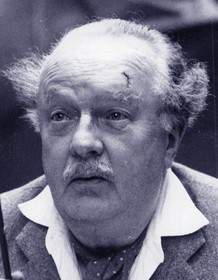
Pontius Pilate (Basil Sydney)
Played by Basil Sydney
A pragmatic Roman governor in Jerusalem who wields imperial power to preserve order. He refuses to release John the Baptist on grounds of treason and resists Claudius's pressure, revealing the cold logic of status quo. His actions place him at the crossroads of religious uprising and political calculation.
- ⚖️ Authority
- 🗺️ Roman Judea
- 🕊️ Faith
-

Salome (Rita Hayworth)
Played by Rita Hayworth
A young noblewoman navigating royal intrigue and moral peril. She commands attention, seduces, and dances for Herod, yet a spark of faith begins to shift her worldview. Her transformation culminates in a renunciation of manipulation in favor of a new belief.
- 💃 Power
- 🕊️ Faith
- 👑 Desire
- KH
King Herod (Charles Laughton)
Played by Charles Laughton
A volatile ruler torn between lust, ambition, and political risk. He pursues Salome while fearing prophecy of a Messiah, ultimately ordering John’s death to protect his throne. His choices reveal the vulnerability and precariousness of power.
- 👑 Authority
- 🗡️ Violence
- ⚖️ Dilemma
-
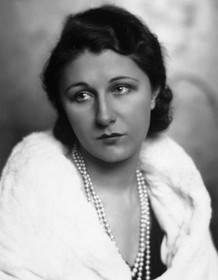
Queen Herodias (Judith Anderson)
Played by Judith Anderson
A scheming queen who uses her daughter's vulnerability to manipulate Herod for political gain. She engineers threats against John and polishes the social optics of power, even as her plans backfire. Her actions bind personal ambition to public peril.
- 🎭 Manipulation
- 👑 Power
- ⚖️ Morality
-
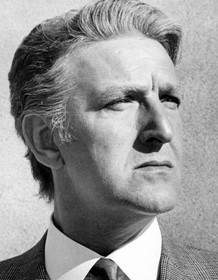
John the Baptist (Alan Badel)
Played by Alan Badel
Prophet and moral critic who denounces Herod’s adultery and publicly challenges political rulers. His uncompromising stance makes him a target, and his eventual execution underscores the danger of speaking truth to power. His faith catalyzes Salome’s later transformation.
- 🕊️ Prophecy
- 🗺️ Political risk
- 💬 Sermon
- CC
Commander Claudius (Stewart Granger)
Played by Stewart Granger
A Roman officer who shifts from political oath to religious awakening. He allies with John and Salome, urges mercy, and ultimately reveals himself as a Christian. His journey bridges Roman authority with a personal commitment to faith.
- 🛡️ Loyalty
- ✝️ Faith
- 🌟 Transformation
- MF
Marcellus Fabius (Rex Reason)
Played by Rex Reason
Caesar’s nephew, entangled in marriage politics and royal expectations. He longs to wed Herodias’s daughter but is barred by political rules and social boundaries. His arc reflects the friction between personal desire and imperial propriety.
- 👑 Nobility
- 💼 Politics
- 💘 Romance
Where and When Is Salome Set?
Salome is set in Galilee and Jerusalem (1st century CE). Here is why the time and place matter to the story.
When
1st century CE
Set in the early Roman period, during Tiberius Caesar's rule in Judea. The era is defined by Roman governance, Herodian rule, and volatile religious currents. These tensions drive the characters as they navigate loyalty, belief, and survival.
Where
Galilee, Jerusalem
The story unfolds across Galilee and Jerusalem in ancient Judea under Roman authority. Palaces, markets, boats, and desert settings frame the drama, from the palace intrigues to public sermons. The landscape reflects a frontier of political power and religious fervor, where prophecy and empire collide.
- 🗺️ Galilee
- 🕌 Jerusalem
- 🕰️ Judea under Roman rule
What Are the Themes of Salome?
3 ideas the story keeps returning to, among them Power and Politics, Faith vs. Authority and Desire and Manipulation.
-
01
Power and Politics
A fragile throne and shifting alliances drive the plot, showing how rulers justify brutality to protect authority. Herod's desire to keep the throne clashes with prophecy and moral entanglements, while Salome's actions reveal the corrupting pull of power. The narrative explores how political needs shape personal fates, often at the expense of conscience.
-
02
Faith vs. Authority
Religious conviction challenges political legitimacy as John the Baptist and later Claudius embody competing faiths. The tension between prophecy, miracles, and imperial law tests characters' loyalties. Salome's journey—from manipulation to belief—highlights the transformative power of faith. The climax pairs the Sermon on the Mount with the collapse of political expediency.
-
03
Desire and Manipulation
Salome's dance is framed as a tool to bend rulers to her will, exposing how sexuality can be weaponized in the political arena. Herod and Herodias exploit her vulnerability to extract concessions and threaten John. The narrative shows how desire can drive decisions with deadly consequences, forcing characters to confront their own ambitions. In the end, desire yields to a redemptive arc as Salome seeks a higher truth.
What Kind of Film Is Salome?
Dark in tone, with steady pacing and a straightforward story, going by the plot summary.
- Tone
- Dark
- Pacing
- Steady
- Story
- Straightforward
- Intensity
- High
- Ending
- Bittersweet
A dramatically intense and decadent biblical epic that builds steady tension around political intrigue, lustful obsession, and a tragic sacrifice, culminating in a redemptive but bittersweet spiritual awakening.
- decadent
- dramatic
- oppressive
- fateful
- lustful
- redemptive
- biblical story
- political intrigue
- forbidden love
- religious faith
Content notes: beheading, incestuous desire, political execution, psychological manipulation.
Quiz
How well do you remember Salome? Test yourself on the story.