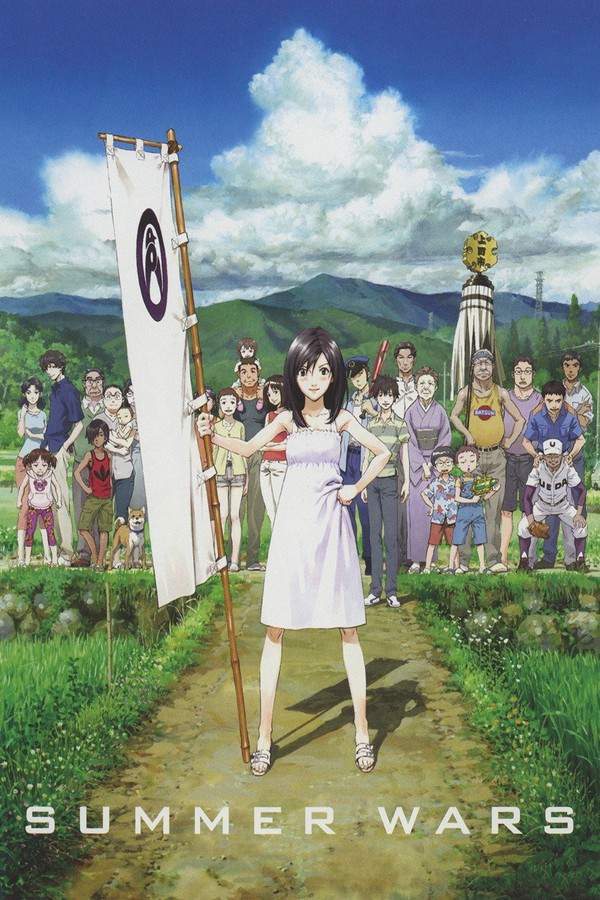
What Is Sakura Wars: The Movie About?
The premise of Sakura Wars: The Movie in 327 words, with nothing given away. The full story follows below.
In an alternate 1926 Tokyo where steam powers everything from streetlamps to towering factories, the scars of a centuries‑old Demon‑Human war linger in the city’s restless air. The government’s answer to that lingering threat is a secret squadron of massive, steam‑driven mecha that can only respond to pilots whose spirits burn bright enough to awaken the machines. When officials discover that young women possess that rare vitality, they assemble a covert unit and hide it behind the glittering façade of a theater troupe, forcing its members to study Shakespeare with the same rigor they apply to piloting their colossal guardians.
At the heart of this unlikely ensemble is Sakura Shinguji, a disciplined swordswoman whose quiet resolve anchors the group. Sumire Kanzaki leads with charismatic flair, bringing the confidence of a stage star to every maneuver. Maria Tachibana carries a hardened edge forged by a turbulent past, while Iris Chateaubriand mixes sharp wit with a hidden telekinetic gift. Kanna Kirishima brings the fierce discipline of Ryukyu martial arts, and Kohran Ri supplies the inventive spark that keeps their machines humming. Orihime Soletta blends aristocratic elegance with an unyielding determination, and Leni Milchstraße couples graceful dance with lethal precision. Together they perform a delicate ballet of art and warfare, their rehearsals echoing the city’s steam‑filled streets.
The troupe’s composition expands further when Ratchet Altair, a brash newcomer from New York, arrives with her own ambitions, hinting at a growing international reach. Her presence adds a fresh, more aggressive energy that both challenges and invigorates the established dynamics, promising new layers of camaraderie and conflict as the group balances discipline with raw passion.
The film swirls with a distinctive tone—steampunk grandeur meets theatrical drama, each scene a vivid tableau of brass‑cogged machinery and candlelit stages. Amid the clatter of pistons and the murmurs of rehearsed verses, the characters navigate the delicate line between performance and duty, their spirits intertwined with the very heart of the city they strive to protect.
What Happens in Sakura Wars: The Movie?
The complete story of Sakura Wars: The Movie, from the first scene to the last, in 804 words (about 3 minutes). Spoilers throughout. Names in the text link to 7 cast member pages.
Spoilers ahead
In 1926 Tokyo, steam power has become the city’s core energy source, fueling both industry and everyday life. At the Grand Imperial Theater in Ginza, the Imperial Combat Revue operates as a cover for a hidden mission: the Flower Division—a skilled circle of women who defend Tokyo from demonic threats using steam-powered mechs called Koubu-Kais while secretly performing as a theater troupe. The core members of this group are Sakura Shinguji, a disciplined swordswoman; Sumire Kanzaki, the charismatic lead actress; Maria Tachibana, a former Russian-ex-soldier with a stern heart; Iris Chateaubriand, a French telekinetic with a sharp wit; Kanna Kirishima, a Ryukyu karate expert; Kohran Ri, the inventive mind behind their machines; Orihime Soletta, a Japanese-Italian aristocrat whose elegance masks formidable resolve; and Leni Milchstraße, a German dancer whose grace hides lethal precision. Supporting them are other key figures such as Haruyoshi Tanuma, Kouran Li, and the rest of the ensemble, all united by a mission that blends spectacle with survival.
As Christmas approaches, the Flower Division receives a new, unexpected recruit: Ratchet Altair. Coming from New York City, Ratchet joins the troupe with a mission of her own—to establish a similar division in New York, pushing the group to broaden its reach while the city faces a fresh demon assault that very night. The Flower Division watches as some of the demonic forces are seized by the Japhkiels, unmanned mecha that hide their true demonic forms behind a façade of mechanized tech. This glimpse foreshadows a changing balance of power as the theater’s operations become entangled with covert warfare.
The division endures a string of brutal battles, with setbacks that shake their confidence. In one devastating clash, Orihime and Leni’s Koubu-Kai models are destroyed and replaced by Eisenkleid units, signaling a shift in the balance of force. Behind the scenes, Brent Furlong and Imperial Army officer Haruyoshi Tanuma leverage their influence to seize control of the Imperial Combat Revue’s command structure. They capture commander Ikki Yoneda, seize the theater, and place the Flower Division on indefinite standby, along with their assistant Kaede Fujieda and the Moon Division, under house arrest. Amidst these upheavals, Brent Furlong’s nearly immortal lieutenant, Patrick Hamilton, manipulates Orihime into becoming his ally, weaving a dangerous strand of betrayal within the ranks. Maria, investigating the Douglas-Stewart corporation, uncovers the Japhkiels’ true forms and confronts Hamilton—a man she briefly knew during her time as a mafia hitwoman in New York. Although gravely wounded, she escapes and keeps faith with the fight.
With the theater under lock and the Flower Division sidelined, Sakura and her comrades hatch a bold plan to retake their home. They mount a counterattack to seize back their Koubu-Kais and free Kaede Fujieda and the Wind Division from their captors. Ratchet’s more violent approach, however, strains the team’s unity, creating tension as Sakura seeks to keep the group focused. In a decisive turn, they liberate their allies and assault the theater again, confronting the demonic threat head-on. The Flower Division employs the Imperial Capital Barricade Formation to disintegrate the enemy forces, a gleaming testament to their combined strength and the power of their synchronized teamwork.
Yet the confrontation spirals into a chaotic showdown. Orihime is momentarily endangered by Hamilton’s machinations, and Leni intervenes to prevent Ratchet from killing Orihime, choosing to break Hamilton’s hold over her rather than let tragedy unfold. This pivotal moment allows Orihime to be freed from Hamilton’s control, though Leni and Orihime’s Eisenkleids suffer catastrophic losses in the process. Yuichi Kayama, the Moon Division’s captain, leads a daring rescue operation to liberate Yoneda and, with the help of the Imperial Japanese Navy, destroys the Japhkiel incubation facilities. Kayama attempts to arrest Furlong, but the latter escapes aboard a Japhkiel, merging with the surviving Japhkiels to overpower the Flower Division and shatter Ratchet’s Eisenkleid.
The climactic turnaround arrives when Ichiro Ogami arrives from Paris in a F2 Koubu to join the Flower Division in a final stand against Furlong and the Japhkiels. Yoneda, emboldened by the turn of events, orders the arrest of Tanuma, while Maria uses a bullet infused with spirit energy to end Hamilton’s threat once and for all. The immediate danger subsides, and the Flower Division—now tempered by defeat and resolve—looks toward healing and renewal.
In the recovery that follows, the Flower Division and Ratchet stage a musical performance inspired by Kyōka Izumi’s The Sea God’s Villa. Through the production, Ratchet lays bare her anxieties about the collapse of the Star Division and seeks forgiveness from Sakura, who offers guidance and understanding. The improvisations and emotional honesty shared during the performance help the group find a path forward. Despite the deviations from the script and the scars left by recent battles, the play becomes a resounding success, symbolizing resilience, reconciliation, and a renewed sense of purpose for Tokyo’s defenders and performers alike.
Sakura Wars: The Movie Timeline: Every Key Event in Order
15 key events in the order they happen, from “Steam-Powered Tokyo and the Imperial Revue's double life” to “The Sea God's Villa: a healing musical after the war”. 15 events name a place, across 11 locations.
- 1
Steam-Powered Tokyo and the Imperial Revue's double life
In 1926 Tokyo, steam power fuels the city and the Imperial Combat Revue's Flower Division uses Koubu-Kais to defend against demonic attacks. They also maintain a cover as a theatre troupe, keeping the Imperial Revue alive amid the siege.
When:1926, Christmas season Where:Grand Imperial Theater, Ginza, Tokyo
- 2
Ratchet Altair arrives to recruit a new division from New York
During the Christmas season, Ratchet Altair arrives from New York City to join the Flower Division as a new recruit. She travels with the team to face a demon attack that night and notes how Japhkiels begin to take demons for themselves.
When:Christmas season, night Where:Grand Imperial Theater, Ginza, Tokyo
- 3
First demon assault and Japhkiel observation
The Flower Division engages a fresh demon attack and observes the Japhkiels abducting and transporting some demons. The team senses the growing threat posed by these unmanned mechs while Ratchet begins to integrate with the group.
When:That night Where:Tokyo
- 4
Disastrous battles force Koubu-Kai replacement
Several brutal clashes lead to Orihime and Leni's Koubu-Kai units being destroyed and replaced by Eisenkleid models. The defeats disrupt the Flower Division's momentum and morale as the battles intensify.
When:During ongoing battles Where:Grand Imperial Theater / Tokyo
- 5
Furlong and Tanuma seize control of the theater
Brent Furlong and Imperial Army officer Haruyoshi Tanuma use their influence to capture the Imperial Combat Revue's commander Ikki Yoneda and seize the Grand Imperial Theater. They place the Flower Division and the Moon Division under house arrest, effectively halting their operations.
When:After initial disasters Where:Grand Imperial Theater
- 6
Hamilton lures Orihime into alignment
Patrick Hamilton, a near-immortal henchman, tricks Orihime into becoming his accomplice. This manipulation threatens to fracture the Flower Division from within.
When:During captivity period Where:Tokyo / Grand Imperial Theater
- 7
Maria Tachibana uncovers Japhkiel truth
Maria Tachibana investigates Douglas-Stewart and discovers that the Japhkiels are demons in disguise. She confronts Hamilton, recalling their past encounter in New York during her time as a mafia hitwoman.
When:During investigation Where:Douglas-Stewart facilities / Tokyo
- 8
Flower Division retakes the theater and frees Kaede
Sakura and the Flower Division launch a daring assault to retake the theater and free Kaede Fujieda along with the Wind Division. They reclaim their Koubu-Kais and press the fight back toward the enemy.
When:Following the rescue attempt Where:Grand Imperial Theater
- 9
Imperial Capital Barricade Formation defeats the demons
With the demons still threatening Tokyo, the Flower Division deploys the Imperial Capital Barricade Formation to disintegrate the enemy forces. The battle shifts in their favor as the plan takes effect.
When:During ongoing battle Where:Imperial Capital, Tokyo
- 10
Confrontation with Orihime; Orihime freed from Hamilton
In the chaos, Ratchet's violent approach is halted by Sakura's leadership, and Leni prevents Ratchet from killing Orihime. They free Orihime from Hamilton's control, but both Leni's and Orihime's Eisenkleids are destroyed in the process.
When:During the battle Where:Grand Imperial Theater
Show the other 5 events of Sakura Wars: The Movie Hide the last 5 events
- 11
Moon Division liberates Yoneda and targets Japhkiel facilities
Moon Division captain Yuichi Kayama frees Yoneda and, with help from the Imperial Japanese Navy, destroys the Japhkiel incubation facilities. He tries to arrest Furlong, but the American executive escapes aboard a Japhkiel.
When:During the siege Where:Imperial Capital / Navy facilities
- 12
Furlong merges with surviving Japhkiels
Furlong merges with the surviving Japhkiels and uses their power to overpower the Flower Division, destroying Ratchet's Eisenkleid in the process. He closes in on Sakura as the last obstacle to his plan.
When:Later in the confrontation Where:Tokyo battleground
- 13
Ichiro Ogami arrives to end Furlong's threat
Ichiro Ogami arrives in his F2 Koubu from Paris and reunites with the Flower Division. Together they confront Furlong and the Japhkiels, leading to the final confrontation.
When:Final battle Where:Tokyo battlefield
- 14
Yoneda arrests Tanuma; Hamilton killed by Maria
Yoneda arrests Tanuma, while Maria uses a spirit-energy bullet to kill Hamilton, ending his control over Orihime. The immediate threat to the division is finally neutralized.
When:Aftermath of final battle Where:Imperial Capital
- 15
The Sea God's Villa: a healing musical after the war
In the aftermath, the Flower Division and Ratchet stage a musical based on Kyōka Izumi's The Sea God's Villa. Ratchet admits her anxieties and finds support from Sakura, and the unscripted deviations still result in a great, hopeful performance.
When:Post-battle aftermath Where:Grand Imperial Theater
Who Are the Main Characters in Sakura Wars: The Movie?
12 characters, among them Sakura Shinguji (Chisa Yokoyama), Sumire Kanzaki (Michie Tomizawa) and Maria Tachibana (Urara Takano): who each one is and the part they play in the story. Every profile links to the actor’s page.
- SS
Sakura Shinguji (Chisa Yokoyama)
Played by Chisa Yokoyama
A disciplined swordswoman and the Flower Division's steady leader, Sakura carries the weight of guiding both combat missions and the troupe's public performances. She remains calm under pressure, coordinating teamwork and keeping morale high as demons threaten Tokyo. Her resolve to protect her friends drives critical operations, even when the theater's façade is at stake.
- 🗡️ Swordmaster
- 👑 Leader
- 🛡️ Loyal
- SK
Sumire Kanzaki (Michie Tomizawa)
Played by Michie Tomizawa
The Imperial Revue's lead actress, Sumire combines stage charisma with tactical instincts, coordinating the troupe's dual life as performers and fighters. She supports Sakura's leadership and helps devise strategies during chaotic battles. Her resilience under pressure keeps the team focused on their mission.
- 🎭 Performer
- 🧭 Strategist
- 🎗️ Resilient
- MT
Maria Tachibana (Urara Takano)
Played by Urara Takano
A Russian ex-soldier with a hardened demeanor, Maria brings frontline experience and spiritual energy to the Flower Division. She demonstrates resourcefulness, as shown when she uses a spirit-energy bullet to defeat Hamilton. Her loyalty and rough wisdom anchor the team during deep treachery.
- 🪖 Ex-soldier
- 🧿 Mentor
- 🧭 Resilient
- IC
Iris Chateaubriand (Kumiko Nishihara)
Played by Kumiko Nishihara
A refined French telekinetic whose powers provide critical support in combat, Iris exudes calm confidence and strategic thinking. She manipulates objects with her mind to shield teammates and exploit battlefield opportunities. Her cool demeanor helps stabilize the group during the theater's chaos.
- 🔮 Telekinetic
- 👑 Aristocrat
- 🧭 Strategist
- KK
Kanna Kirishima (Mayumi Tanaka)
Played by Mayumi Tanaka
A Ryukyu karate expert who brings blunt force and practical fighting skill to the team. Kanna's no-nonsense demeanor complements the more cerebral members, and she tackles demons with decisive physical power. Her discipline embodies the division's martial spirit.
- 🥋 Martial Artist
- ⚡ Fighter
- 🛡️ Loyal
- OS
Orihime Soletta (Maya Okamoto)
Played by Maya Okamoto
A Japanese-Italian aristocrat whose intellect and charm aid the Flower Division both on and off the battlefield. She contributes to tactical planning and helps navigate the political pressures surrounding the theater and the city. Her bonds with teammates deepen as they confront manipulation and danger together.
- 🎎 Aristocrat
- 💼 Social Circle
- 🧭 Loyal
- LM
Leni Milchstraße (Kazue Ikura)
Played by Kazue Ikura
A German dancer whose artistry and quick wits bring flexibility to the team in crisis. Leni's performances and street-smarts help the group navigate both public scrutiny and private threats. Her presence deepens the ensemble's dynamics and adds an international flavor to their fight.
- 💃 Dancer
- 🧠 Strategist
- 🌟 Member
- RA
Ratchet Altair (Akiko Kuno)
Played by Akiko Kuno
The ambitious former leader of Star Division who joins the Flower Division to forge a new European-style unit in New York City. Her blunt, violent approach creates friction with Sakura and challenges the team's cohesion. Her arc pivots around trust, forgiveness, and the cost of leadership.
- ⚔️ Commander
- 🌀 Ambitious
- 🤝 Redeemed
-
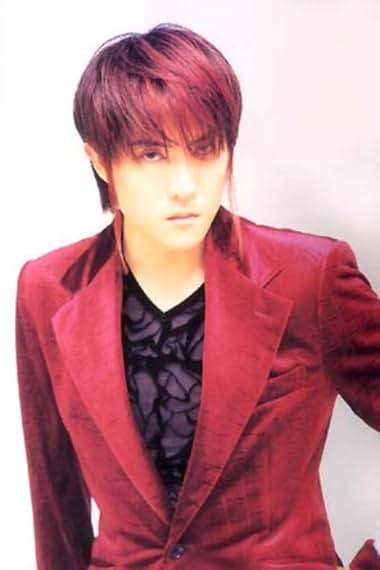
Yuichi Kayama (Takehito Koyasu)
Played by Takehito Koyasu
Moon Division captain who orchestrates liberating Yoneda and coordinating forces to defeat the Japhkiels. He upholds the law and represents a stabilizing force amid chaos, aiming to arrest Furlong and restore balance to Tokyo. His actions bridge the military, naval, and magical elements of the conflict.
- 🛰️ Officer
- 🗡️ Loyal
- 🧭 Strategist
-
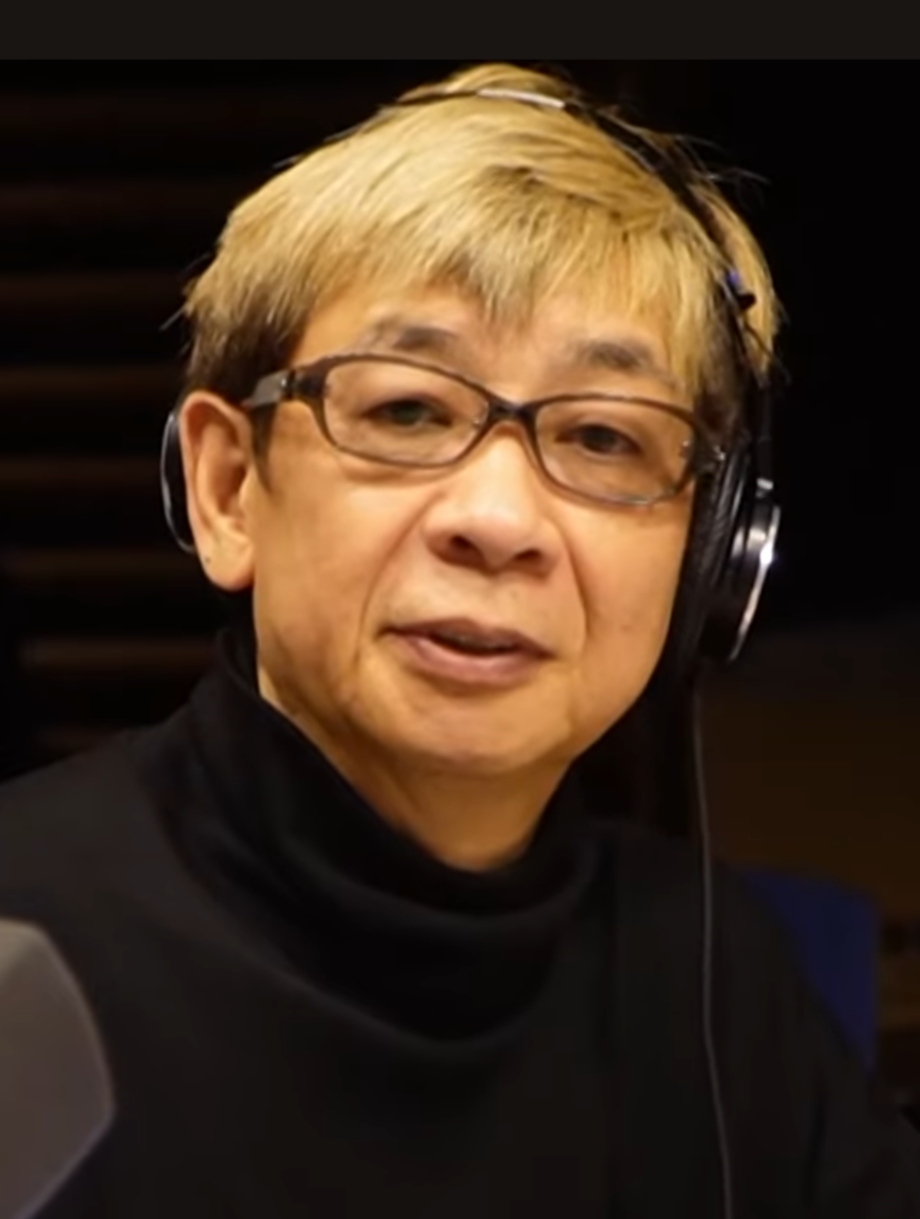
Brent Furlong (Koichi Yamadera)
Played by Koichi Yamadera
An American corporate leader using Douglas-Stewart to manipulate Tokyo's defense and push a dangerous agenda. He seeks to replace the Flower Division with Japhkiels, revealing the dark side of industrial power. His schemes drive much of the conflict and escalate the crisis for the city.
- 💼 Corporate Power
- 🗡️ Villain
- 🧪 Manipulator
- PH
Patrick Hamilton (Keiichi Nanba)
Played by Keiichi Nanba
A near-immortal henchman whose manipulative maneuvers subvert Orihime and complicate the Flower Division's efforts. His motives are opaque, and he thrives on sowing chaos and exploiting others' trust. His downfall comes as the truth about his nature is revealed and opposed by the heroes.
- 🪄 Villain
- 🧪 Supernatural
- 🗝️ Manipulator
- IY
Ikki Yoneda (Masaru Ikeda)
Played by Masaru Ikeda
Imperial commander who is rescued and restored to authority as the Flower Division fights to retake the theater. He upholds discipline and order, maintaining a sense of duty throughout the crisis. Yoneda's presence anchors the military response and legitimizes actions against Furlong and Hamilton.
- 🎖️ Commander
- 🛡️ Authority
- 🤝 Protector
Where and When Is Sakura Wars: The Movie Set?
Sakura Wars: The Movie is set in Tokyo, New York City and Grand Imperial Theater (Ginza) (1926). Here is why the time and place matter to the story.
When
1926
Set in 1926 Tokyo, a year of rapid modernization and shifting power dynamics. Steam power dominates as the city leans into industrial progress while secret demon threats collide with the Imperial Revue's glamorous facade. The Christmas season provides a backdrop of festive spectacle amid escalating battles and corporate intrigue.
Where
Tokyo, New York City, Grand Imperial Theater (Ginza)
The story unfolds in Tokyo during a Christmas season, centered on the Grand Imperial Theater in Ginza which doubles as the Imperial Combat Revue's base and front for their theater performances. The city is a modern metropolis powered by steam, where colossal Koubu-Kais mechs defend against demonic attacks born from negative human emotion. New York City looms as a future frontier for Ratchet Altair's ambitions, hinting at cross-continental expansion and the Flower Division's evolving reach.
- 🏙️ Tokyo
- 🗼 Ginza
- 🎭 Imperial Revue
- ⚙️ Steam-powered tech
- 🛡️ Mecha battles
What Are the Themes of Sakura Wars: The Movie?
3 ideas the story keeps returning to, among them Duty, Power and Identity.
-
01
Duty
The Flower Division balances their sacred duty to defend Tokyo with the pressure to maintain their public facade as a theater troupe. Each battle tests resolve and loyalty, forcing characters to choose between personal safety and the greater good. Unity under pressure becomes the group's defining strength as they fight demons and political machinations alike.
-
02
Power
Douglas-Stewart's pursuit of dominance reveals how corporations can weaponize technology and even symbolic demons to reshape defense priorities. Furlong's influence manipulates theater leadership, arrests, and military authority, illustrating a ruthless hunger for control. The Japhkiels embody a dangerous fusion of secret power with malevolent forms, showing the cost of unchecked ambition.
-
03
Identity
The line between performer and fighter blurs as the Flower Division fights under cover and for public display. Ratchet's arrival from New York and the internal tensions among the divisions test loyalty and forgiveness, especially when past betrayals resurface. The climactic battle culminates in a unity-of-purpose that undercuts rival plans and reframes each character's role.
What Kind of Film Is Sakura Wars: The Movie?
Hopeful in tone, with fast pacing and a moderate story, going by the plot summary.
- Tone
- Hopeful
- Pacing
- Fast
- Story
- Moderate
- Intensity
- High
- Ending
- Happy
A fast-paced, hopeful anime film blending steampunk mecha action with theatrical drama, where a team of young women fight demonic threats, facing betrayal and hardship but ultimately uniting through friendship and resilience.
- hopeful
- heroic
- tense
- uplifting
- dramatic
- action-packed
- found family
- secret identities
- steampunk mecha
- friendship
Content notes: war violence, demonic threats.
Quiz
How well do you remember Sakura Wars: The Movie? Test yourself on the story.
Where to Watch Sakura Wars: The Movie
Stream it on Crunchyroll. US availability and prices from JustWatch.
Stream 2
 Crunchyroll
  Crunchyroll Amazon Channel
 Streaming availability in the US, powered by