Sakura Wars: The Movie 2001


In turn‑of‑the‑century Japan, after a devastating Demon‑Human war, the government builds a squadron of giant mecha that can only be piloted by those with strong spirit. Discovering that young women possess the needed spirit, they recruit an international group of youths. To keep the project secret, the pilots are presented to the public as a theater troupe, forcing them to study Shakespeare as rigorously as they train for combat.


Does Sakura Wars: The Movie have end credit scenes?
No!
Sakura Wars: The Movie does not have end credit scenes. You can leave when the credits roll.
Where to Watch Sakura Wars: The Movie
See current US streaming, rental, and purchase options for Sakura Wars: The Movie (2001) via JustWatch.


Streaming availability powered by 
Meet the Full Cast and Actors of Sakura Wars: The Movie
Explore the complete cast of Sakura Wars: The Movie, including both lead and supporting actors. Learn who plays each character, discover their past roles and achievements, and find out what makes this ensemble cast stand out in the world of film and television.

Akemi Okamura
Kasumi Fujii (voice)

Takehito Koyasu
Yuichi Kayama (voice)

Chisa Yokoyama
Sakura Shinguji (voice)

Keiji Fujiwara
Haruyoshi Tanuma (voice)
Yuriko Fuchizaki
Kouran Li (voice)
Mayumi Tanaka
Kanna Kirishima (voice)
Kazue Ikura
Leni Milchstrasse (voice)
Taiki Matsuno
Kikunojo Oka (voice)
Keiichi Nanba
Patrick Hamilton (voice)
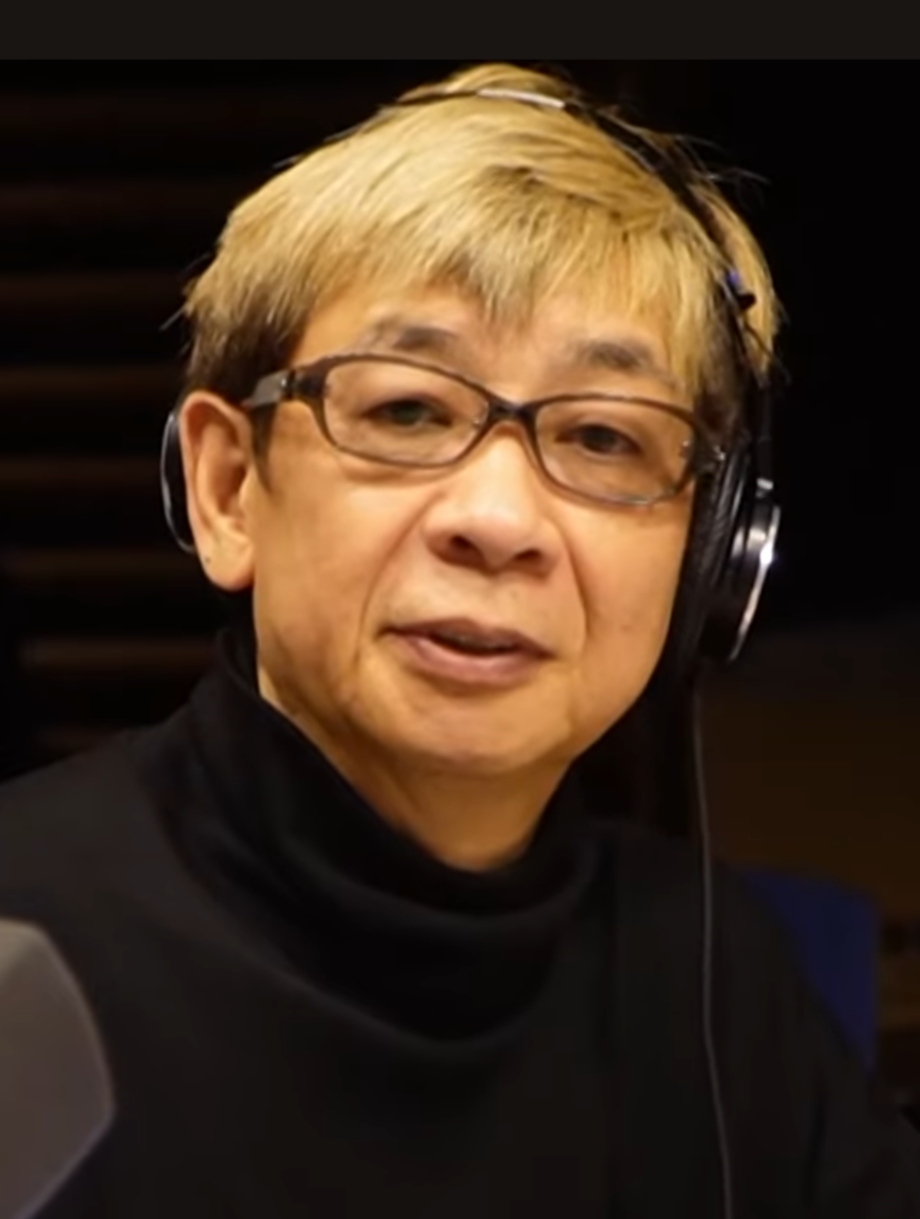
Koichi Yamadera
Brent Furlong (voice)
Michie Tomizawa
Sumire Kanzaki (voice)
Ai Orikasa
Ayame Fujieda (voice)
Akio Suyama
Ichiro Ogami (voice)
Kazuki Yao
Kotone Seiryuin (voice)
Kumiko Nishihara
Iris Chateaubriand (voice)
Yuji Mitsuya
Musei Edogawa (voice)
Masaru Ikeda
Ikki Yoneda (voice)
Urara Takano
Maria Tachibana (voice)
Kyoko Hikami
Tsubaki Takamura (voice)
Daisuke Gori
Yokihiko Ota (voice)
Akiko Kuno
Ratchet Altair (voice)
Maya Okamoto
Orihime Soletta (voice)
Koichi Kitamura
Yoritsune Hanakoji (voice)
Yuki Masuda
Yuri Sakakibara (voice)
Takashi Yoshida
Soldier (voice)
External Links and Streaming Options
Discover where to watch Sakura Wars: The Movie online, including streaming platforms, rental options, and official sources. Compare reviews, ratings, and in-depth movie information across sites like IMDb, TMDb, Wikipedia or Letterboxd.




Take the Ultimate Sakura Wars: The Movie Movie Quiz
Challenge your knowledge of Sakura Wars: The Movie with this fun and interactive movie quiz. Test yourself on key plot points, iconic characters, hidden details, and memorable moments to see how well you really know the film.
Sakura Wars: The Movie (2001) Quiz: Test your knowledge of the 2001 animated film Sakura Wars, covering characters, plot points, and key events.
Which steam‑powered mech do the members of the Flower Division pilot?
Full Plot Summary and Ending Explained for Sakura Wars: The Movie
Read the complete plot summary of Sakura Wars: The Movie, including all major events, twists, and the full ending explained in detail. Explore key characters, themes, hidden meanings, and everything you need to understand the story from beginning to end.
In 1926 Tokyo, steam power has become the city’s core energy source, fueling both industry and everyday life. At the Grand Imperial Theater in Ginza, the Imperial Combat Revue operates as a cover for a hidden mission: the Flower Division—a skilled circle of women who defend Tokyo from demonic threats using steam-powered mechs called Koubu-Kais while secretly performing as a theater troupe. The core members of this group are Sakura Shinguji, a disciplined swordswoman; Sumire Kanzaki, the charismatic lead actress; Maria Tachibana, a former Russian-ex-soldier with a stern heart; Iris Chateaubriand, a French telekinetic with a sharp wit; Kanna Kirishima, a Ryukyu karate expert; Kohran Ri, the inventive mind behind their machines; Orihime Soletta, a Japanese-Italian aristocrat whose elegance masks formidable resolve; and Leni Milchstraße, a German dancer whose grace hides lethal precision. Supporting them are other key figures such as Haruyoshi Tanuma, Kouran Li, and the rest of the ensemble, all united by a mission that blends spectacle with survival.
As Christmas approaches, the Flower Division receives a new, unexpected recruit: Ratchet Altair. Coming from New York City, Ratchet joins the troupe with a mission of her own—to establish a similar division in New York, pushing the group to broaden its reach while the city faces a fresh demon assault that very night. The Flower Division watches as some of the demonic forces are seized by the Japhkiels, unmanned mecha that hide their true demonic forms behind a façade of mechanized tech. This glimpse foreshadows a changing balance of power as the theater’s operations become entangled with covert warfare.
The division endures a string of brutal battles, with setbacks that shake their confidence. In one devastating clash, Orihime and Leni’s Koubu-Kai models are destroyed and replaced by Eisenkleid units, signaling a shift in the balance of force. Behind the scenes, Brent Furlong and Imperial Army officer Haruyoshi Tanuma leverage their influence to seize control of the Imperial Combat Revue’s command structure. They capture commander Ikki Yoneda, seize the theater, and place the Flower Division on indefinite standby, along with their assistant Kaede Fujieda and the Moon Division, under house arrest. Amidst these upheavals, Brent Furlong’s nearly immortal lieutenant, Patrick Hamilton, manipulates Orihime into becoming his ally, weaving a dangerous strand of betrayal within the ranks. Maria, investigating the Douglas-Stewart corporation, uncovers the Japhkiels’ true forms and confronts Hamilton—a man she briefly knew during her time as a mafia hitwoman in New York. Although gravely wounded, she escapes and keeps faith with the fight.
With the theater under lock and the Flower Division sidelined, Sakura and her comrades hatch a bold plan to retake their home. They mount a counterattack to seize back their Koubu-Kais and free Kaede Fujieda and the Wind Division from their captors. Ratchet’s more violent approach, however, strains the team’s unity, creating tension as Sakura seeks to keep the group focused. In a decisive turn, they liberate their allies and assault the theater again, confronting the demonic threat head-on. The Flower Division employs the Imperial Capital Barricade Formation to disintegrate the enemy forces, a gleaming testament to their combined strength and the power of their synchronized teamwork.
Yet the confrontation spirals into a chaotic showdown. Orihime is momentarily endangered by Hamilton’s machinations, and Leni intervenes to prevent Ratchet from killing Orihime, choosing to break Hamilton’s hold over her rather than let tragedy unfold. This pivotal moment allows Orihime to be freed from Hamilton’s control, though Leni and Orihime’s Eisenkleids suffer catastrophic losses in the process. Yuichi Kayama, the Moon Division’s captain, leads a daring rescue operation to liberate Yoneda and, with the help of the Imperial Japanese Navy, destroys the Japhkiel incubation facilities. Kayama attempts to arrest Furlong, but the latter escapes aboard a Japhkiel, merging with the surviving Japhkiels to overpower the Flower Division and shatter Ratchet’s Eisenkleid.
The climactic turnaround arrives when Ichiro Ogami arrives from Paris in a F2 Koubu to join the Flower Division in a final stand against Furlong and the Japhkiels. Yoneda, emboldened by the turn of events, orders the arrest of Tanuma, while Maria uses a bullet infused with spirit energy to end Hamilton’s threat once and for all. The immediate danger subsides, and the Flower Division—now tempered by defeat and resolve—looks toward healing and renewal.
In the recovery that follows, the Flower Division and Ratchet stage a musical performance inspired by Kyōka Izumi’s The Sea God’s Villa. Through the production, Ratchet lays bare her anxieties about the collapse of the Star Division and seeks forgiveness from Sakura, who offers guidance and understanding. The improvisations and emotional honesty shared during the performance help the group find a path forward. Despite the deviations from the script and the scars left by recent battles, the play becomes a resounding success, symbolizing resilience, reconciliation, and a renewed sense of purpose for Tokyo’s defenders and performers alike.

Coming soon on iOS and Android
The Plot Explained Mobile App
From blockbusters to hidden gems — dive into movie stories anytime, anywhere. Save your favorites, discover plots faster, and never miss a twist again.
Sign up to be the first to know when we launch. Your email stays private — always.
Explore the mobile appWatch Trailers, Clips & Behind-the-Scenes for Sakura Wars: The Movie
Watch official trailers, exclusive clips, cast interviews, and behind-the-scenes footage from Sakura Wars: The Movie. Dive deeper into the making of the film, its standout moments, and key production insights.
Sakura Wars: The Movie Themes and Keywords
Discover the central themes, ideas, and keywords that define the movie’s story, tone, and message. Analyze the film’s deeper meanings, genre influences, and recurring concepts.
Sakura Wars: The Movie Other Names and Titles
Explore the various alternative titles, translations, and other names used for Sakura Wars: The Movie across different regions and languages. Understand how the film is marketed and recognized worldwide.
Similar Movies To Sakura Wars: The Movie You Should Know About
Browse a curated list of movies similar in genre, tone, characters, or story structure. Discover new titles like the one you're watching, perfect for fans of related plots, vibes, or cinematic styles.






Quick Links: Summary, Cast, Ratings, More

What's After the Movie?
Not sure whether to stay after the credits? Find out!
Check out our other apps:

SAT Sphere
Build confidence for the Digital SAT.

Mori Atlas
Discover wild places worth protecting.

Luntero
Search smarter for a home in Amsterdam.

Plot Explained
Unravel movie endings and hidden clues.

Pokechamp
Dive into Pokémon data and battle logic.

Driving Theory
Get ready for your European theory test.

Movie Dust
Plan your next cinema trip with ease.

Musemap
Find art and culture as you travel.

Selkobase
Compare credentials before committing.

Local Manual
Turn an unfamiliar country into practical next steps.

Lernavi
Compare school systems before your next move.

GymRoam
Find a workout stop wherever your plans take you.
Explore Our Movie Platform
New Movie Releases (2026)
Famous Movie Actors
Top Film Production Studios
Movie Plot Summaries & Endings
Major Movie Awards & Winners
Best Concert Films & Music Documentaries
Movie Collections and Curated Lists
© 2026 What's After the Movie. All rights reserved.
Privacy Policy