What Is G.I. Samurai About?
The premise of G.I. Samurai in 312 words, with nothing given away. The full story follows below.
In the midst of a routine defensive drill, a mixed Japanese Self‑Defense Force squad—complete with a tank, an armored personnel carrier, a patrol boat and a helicopter—vanishes into a mysterious time‑slip and finds itself thrust four centuries into the turbulent Sengoku era. The familiar hum of modern engines is replaced by the clatter of swords and the distant war cries of rival clans, turning the once‑controlled exercise ground into a wild, feudal battlefield. Stripped of the logistical support they rely on, the soldiers must confront a world where honor, strategy and raw martial skill dictate survival, and where every sunrise brings the echo of distant ambitions for the shogunate.
Leading the disoriented group is Second Lieutenant Yoshiaki Iba, a pragmatic officer who suddenly bears the weight of keeping his men together while navigating a culture that is both alien and fiercely proud. As morale wavers and the line between duty and desperation blurs, Iba discovers an uneasy partnership with Nagao Kagetora, a charismatic warlord whose own aspirations for power intersect with the modern unit’s desperate need for allies. The alliance forces both sides to contemplate how cutting‑edge technology might be woven into the fabric of feudal warfare, creating a tense dance of mutual benefit and cultural clash that tests loyalties on both sides of the centuries.
The film immerses viewers in a stark juxtaposition: sleek, anachronistic war machines set against mist‑shrouded castles and blood‑stained battlefields. The tone is gritty and contemplative, drawing a vivid picture of soldiers wrestling with the paradox of wielding future firepower in a past that knows only steel and resolve. As the SDF members grapple with the possibility of ever returning home, they become inextricably linked to the swirling ambitions of the era, leaving the audience to wonder how far the tide of history will pull them before they can carve a path back to their own time.
What Happens in G.I. Samurai?
The complete story of G.I. Samurai, from the first scene to the last, in 440 words (about 2 minutes). Spoilers throughout.
Spoilers ahead
During a defensive exercise, a wildly mixed Japanese SDF unit—carrying a tank, an APC, a patrol boat, and a helicopter—suddenly find themselves stranded 400 years in the past by a time-slip event, and they come under attack from samurai forces. This shocking shift thrusts them into a brutal, unfamiliar world where survival hinges on adaptability and cooperation with feudal powers.
Leading the response is Second Lieutenant Yoshiaki Iba [Sonny Chiba], who quickly forms an uneasy alliance with Nagao Kagetora [Isao Natsuyagi], the ambitious war leader allied with lord Koizumi. Seeing the SDF’s modern firepower in action, Kagetora persuades Iba to aid him in his struggle for supremacy in feudal Japan, blending cutting-edge technology with traditional warfare to tilt the balance in their favor.
Back home, Iba faces a growing morale crisis among his men. Some desperately seek a way back to their own time, while others forge local connections—one Private First Class Mimura even finds himself followed by a consort who clings to him. As orders blur and tensions rise, a portion of the unit rebels or slips into a pirate mentality, and the group’s numbers dwindle from twenty-one to eleven. Iba tries to steady his weary troops, suggesting that by fighting history they might carve a path back to their own era, a paradox that keeps hope flickering amid the chaos. Eventually, Iba commits to the alliance with Kagetora and fights beside him against a common foe.
The united force then confronts Takeda Shingen’s formidable army. Shingen’s forces outmaneuver them at every turn, stripping away their vehicles and major weapons, and leaving a trail of casualties as five soldiers fall in the brutal exchanges. In a bold, defining move, Iba pushes through to Shingen’s command post and kills him in a sword duel, a moment that shifts the momentum but also tightens the political noose around Iba and his allies.
As Iba’s band advances toward Kyoto, Kagetora comes under pressure from his own family and the Shōgun Ashikaga Yoshiaki [Mizuho Suzuki] to rid himself of Iba. Reluctantly, Kagetora intercepts Iba’s group at an old temple. When Iba prepares to end the alliance by killing Kagetora, Kagetora shoots him instead, and the remainder of Iba’s men are felled by Kagetora’s archers. Mimura’s consort delivers the fatal blow to her lover, sealing a tragic turn in their unlikely alliance.
In a somber denouement, Kagetora buries Iba and his surviving soldiers with honors. Only Mokichi Nemoto [Hiroshi Kamayatsu], who had left the group to aid a boy and his family after their father’s death, survives the ensuing storm of history, a small flicker of hope amid the vast, unresolved march of time.
G.I. Samurai Timeline: Every Key Event in Order
12 key events in the order they happen, from “Time slip strands SDF forces” to “Mokichi's quiet survival”. 12 events name a place, across 12 locations.
- 1
Time slip strands SDF forces
During a defensive exercise, a wildly mixed group of Japanese SDF forces, including a tank, an APC, a patrol boat and a helicopter, are swept 400 years into the past by a time slip. They find themselves stranded behind feudal lines and immediately come under attack by samurai forces. Their acting commanding officer, Second Lieutenant Yoshiaki Iba, assesses the strange new landscape and begins to chart a way to survive. The event sets the stage for unlikely alliances and a clash of eras.
When:During the exercise Where:Training grounds
- 2
Iba meets Kagetora
Iba encounters Nagao Kagetora, a powerful war leader under lord Koizumi, and the two men form a cautious alliance. Iba sees the potential value of his modern weapons in this new world, while Kagetora recognizes a formidable ally. Their rapport seeds a partnership that could alter the balance of power in feudal Japan.
When:Shortly after arrival Where:Feudal Japan battlefield
- 3
Kagetora persuades Iba to aid his campaign
Seeing the SDF weaponry in action, Kagetora persuades Iba to aid him in his struggle for supremacy. Iba agrees, driven by loyalty to his troops and the pragmatic need to survive. The alliance between modern soldiers and feudal forces grows into a common cause.
When:Soon after alliance Where:Kagetora's camp
- 4
Troop morale fractures
Iba's men wrestle with the desperate wish to return to their own time, while some strike out to contact locals or even live as pirates. Private Mimura finds a consort who begins following him, highlighting the personal bonds forming in the strange world. The group fractures as discipline falters and loyalties waver.
When:Early days in feudal Japan Where:Outskirts and villages
- 5
Forces shrink and tensions escalate
The internal rifts cause the unit to shrink from 21 to 11 as mutinies and reckless impulses spread. Iba works to calm his men and keep them focused on survival and mission. The dwindling numbers test their resolve and threaten the alliance's cohesion.
When:Early-mid period Where:Battlefront
- 6
Iba frames their fate as a time paradox
Iba reframes their struggle as a paradox that could restore time itself, arguing that fighting history might grant them a chance to return home. He and Kagetora continue to fight side by side on the front lines. The idea to bend history becomes a unifying creed amid chaos.
When:Mid-conflict Where:Front line
- 7
First major clash with Shingen
Iba and Kagetora confront Takeda Shingen's forces in a decisive battle. Shingen's tactics outmaneuver the SDF unit, forcing them to abandon vehicles and major weapons while several soldiers die in the fighting. The clash tests their resolve and the limits of their alliance.
When:During the battle Where:Battlefield against Shingen's army
- 8
Iba kills Shingen
In a desperate push, Iba fights his way to Shingen's command post and kills the warlord in a sword duel. The battlefield shifts as the loss of a feared leader unsettles Shingen's forces. Iba's victory comes at the cost of his unit's cohesion and safety.
When:Late battle Where:Shingen's command post
- 9
Kagetora under pressure to remove Iba
As the march toward Kyoto continues, Kagetora comes under pressure from his family and the Shogun Ashikaga Yoshiaki to rid himself of Iba. He intercepts Iba's group at an old temple, setting the stage for a climactic confrontation. The alliance is strained by political machinations as they advance.
When:Climax before betrayal Where:Old temple en route to Kyoto
- 10
Betrayal at the temple
At the old temple, Iba prepares to challenge Kagetora for his betrayal, but Kagetora shoots him first. The rest of the soldiers are felled by Kagetora's archers, and Mimura's consort delivers the fatal blow to Mimura. The temple becomes a scene of sudden, brutal treachery.
When:Confrontation at the temple Where:Old temple
- 11
Burial with honors
Remorseful for the losses, Kagetora orders a dignified burial for Iba and his men. The fallen are laid to rest with ceremony, a somber note amid the feudal power play. The survivors mourn as the path to Kyoto remains fraught with danger.
When:After the confrontation Where:Old temple burial site
- 12
Mokichi's quiet survival
Only Private Mokichi Nemoto survives, having left the main group to help a boy and his family whose father was killed. His choice underscores a thread of humanity amid war and time-slippage. The story closes on a note of endurance and quiet hope for the future.
When:After the events Where:Aftermath
Who Are the Main Characters in G.I. Samurai?
8 characters, among them Takeda Katsuyori (Hiroyuki Sanada), Yoshiaki Iba (Sonny Chiba) and Nagao Kagetora (Isao Natsuyagi): who each one is and the part they play in the story. Every profile links to the actor’s page.
-
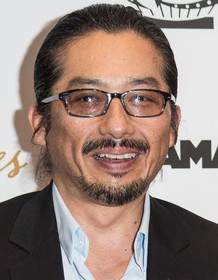
Takeda Katsuyori (Hiroyuki Sanada)
Played by Hiroyuki Sanada
A feudal warlord who persuades Iba to join his cause and fights alongside the SDF against rival clans. His leadership is pragmatic, and he leverages political pressure to secure power, but he also faces the consequences of war and shifting loyalties.
- ⚔️ Warlord
- 🧭 Strategist
- YI
Yoshiaki Iba (Sonny Chiba)
Played by Sonny Chiba
The acting commanding officer of the stranded unit, he improvises with modern weaponry while trying to keep his men focused and safe. He forms a bond with Kagetora, leads through the chaos, and ultimately sacrifices himself in a duel amid shifting loyalties.
- 🧭 Leader
- ⚔️ Soldier
- NK
Nagao Kagetora (Isao Natsuyagi)
Played by Isao Natsuyagi
The feudal war leader who wins Iba's alliance and commands his forces in Kyoto. He balances political pressure from his family and the Shogun with his own ambitions, ultimately making a fateful choice that alters the timeline.
- 👑 Leader
- ⚖️ Politician
- AY
Ashikaga Yoshiaki (Mizuho Suzuki)
Played by Mizuho Suzuki
The Shogun who exerts pressure on Kagetora and seeks to rid Iba from the alliance. He represents the political force that shapes the war and enforces order through authority and strategic maneuvering.
- 🏛️ Ruler
- 🗡️ Politician
-

Goichi Shimada (Shin'ichirô Mikami)
Played by Shin'ichirô Mikami
A local ally or advisor whose presence anchors the Japanese side of the conflict. He contributes to the tactical planning and the social fabric of the feudal landscape.
- 🧭 Ally
- ⚔️ Warrior
- M(
Miwa (Miyuki Ono)
Played by Miyuki Ono
A local woman who interacts with the group, providing a personal touch to the harsh realities of war and time travel. She becomes a tangible link to the human cost of displacement and conflict.
- 💗 Civilians
- 🗺️ Local
- OW
Old Woman (Noriko Honma)
Played by Noriko Honma
A local elder whose knowledge and presence grounds the group in the world they have landed in, offering perspective on fate and history.
- 🧓 Elder
- 🗺️ Local
- TS
Takeda Shingen (Hiroshi Tanaka)
Played by Hiroshi Tanaka
A mighty warlord who outmaneuvers the modern-equipped unit and becomes the primary antagonist in the field battles, eventually meeting Iba in a sword duel.
- ⚔️ Warrior
- 🛡️ Icon
Where and When Is G.I. Samurai Set?
G.I. Samurai is set in Feudal Japan and Kyoto (Sengoku period (mid-16th century)). Here is why the time and place matter to the story.
When
Sengoku period (mid-16th century)
Set during Japan's Sengoku era, a time of constant war and shifting loyalties among powerful clans. Iconic figures like Takeda Shingen and Ashikaga Yoshiaki shape the volatile political landscape. The time slip anchors the plot in a historical moment where every decision could alter the fate of nations.
Where
Feudal Japan, Kyoto
The story unfolds against the backdrop of feudal Japan in Kyoto, a city of temples, castles, and clan rivalries. It juxtaposes traditional samurai warfare with an intrusion of modern military gear, creating a stark cultural collision. The landscape—rivers, forests, and fortress towns—becomes the stage for battles, alliances, and political intrigue.
- 🏯 Historical Setting
- 🗺️ Kyoto
- ⚔️ Samurai Era
What Are the Themes of G.I. Samurai?
3 ideas the story keeps returning to, among them Time Travel, War & Technology and Loyalty & Betrayal.
-
01
Time Travel
A sudden time slip drops a mixed-era unit into the past, forcing adaptation to a world of swords and siege warfare. The narrative centers on the consequences of crossing eras and whether history can be altered without erasing the present. Characters wrestle with paradoxes and the temptation to change outcomes.
-
02
War & Technology
The clash between modern SDF weaponry and feudal sword tactics creates a volatile dynamic. Strategy, survival, and the cost of using advanced gear in a world not built for it drive the action. The soldiers must decide what they fight for when home seems impossible.
-
03
Loyalty & Betrayal
Alliances fracture as personal loyalties collide with duty and political pressure. Iba bonds with Kagetora, only to face betrayal that culminates in a deadly moral choice. The story questions whether loyalty can endure under the weight of history and survival.
What Kind of Film Is G.I. Samurai?
Dark in tone, with fast pacing and a moderate story, going by the plot summary.
- Tone
- Dark
- Pacing
- Fast
- Story
- Moderate
- Intensity
- High
- Ending
- Bleak
A high-intensity, grim survival thriller where modern soldiers are brutally tested in feudal Japan, creating a tense and fatalistic atmosphere that builds towards a tragic and hopeless conclusion.
- grim
- brutal
- anxious
- fatalistic
- tense
- hopeless
- time travel
- survival
- war
- cultural collision
Content notes: war violence, betrayal, mass death.
Quiz
How well do you remember G.I. Samurai? Test yourself on the story.
Where to Watch G.I. Samurai
Stream it on ARROW and Fawesome, or rent or buy it from Amazon Video and Apple TV Store. US availability and prices from JustWatch.
Stream 2
 ARROW
ARROW  Fawesome



Streaming availability in the US, powered by