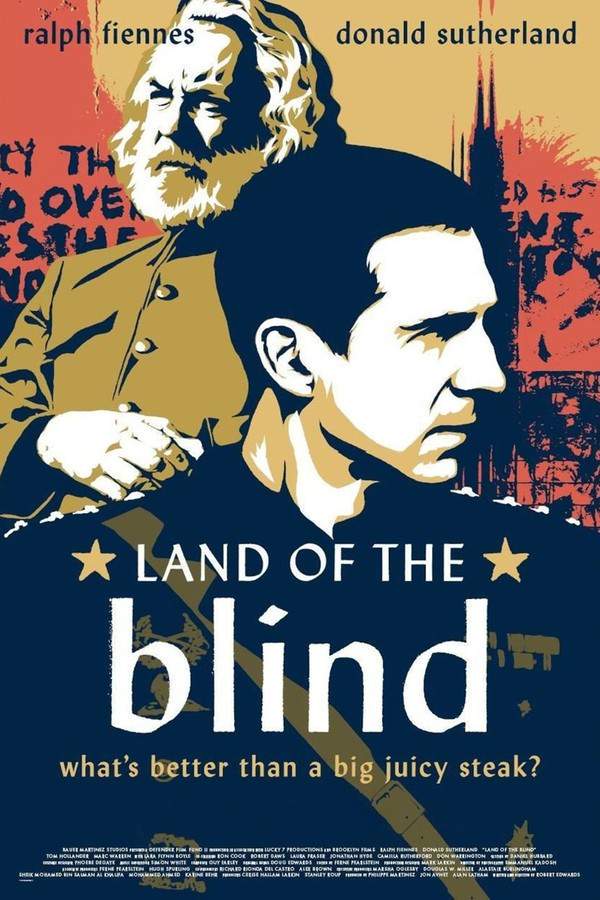
What Is Rain Without Thunder About?
The premise of Rain Without Thunder in 308 words, with nothing given away. The full story follows below.
In a meticulously crafted faux documentary, the film imagines a near‑future United States where the state monitors every woman’s sexual activity with an alarming precision. The narrative is anchored in a sprawling, interview‑driven tapestry that weaves together politicians, journalists, scholars and everyday citizens, all speaking to a camera that feels simultaneously clinical and intimate. The tone is coldly observational, letting the audience hear the slow erosion of civil liberties as “hypercrime” becomes a catch‑all justification for ever‑widening surveillance and control. The visual style mimics the stark, high‑contrast aesthetic of true‑to‑life reportage, reinforcing the unsettling sense that the imagined future could be tomorrow’s reality.
At the heart of the piece is Allison Goldring (Ali Thomas), a privileged white college student whose personal choice becomes the focal point for a nation’s expanding authoritarian reach. Allison’s story is presented through a series of candid interviews that reveal her relationships with her boyfriend, her family, and the legal system that ultimately condemns her. Her mother, Beverly Goldring (Betty Buckley), appears as a devoted parent caught in a moral and legal maelstrom, while the broader societal context is illuminated by voices that trace the legislative cascade—from early “fetal murder” statutes to the chilling classification of overseas travel for a termination as “fetal kidnapping.”
The documentary’s scope widens to expose the cultural and political forces that paved the way for this regime: a gradual loss of privacy rights, the co‑optation of religious doctrine, and a systematic marginalization of feminist activism. It hints at how race, class and access to healthcare become tangled in the new legal fabric, underscoring an atmosphere where personal autonomy is continually renegotiated. Through its layered interviews and stark visual language, the film creates a hauntingly plausible portrait of a society where the line between protection and oppression is blurred, leaving viewers to contemplate the fragile balance of liberty and control.
What Happens in Rain Without Thunder?
The complete story of Rain Without Thunder, from the first scene to the last, in 689 words (about 3 minutes). Spoilers throughout. Names in the text link to 5 cast member pages.
Spoilers ahead
Allison Goldring, Ali Thomas, a privileged white college student, discovers she is pregnant by her boyfriend Jeremy Tanner, Steve Zahn. After discussing her options with Tanner and her family, she decides to travel abroad to terminate the pregnancy, since abortion is prosecuted as “fetal murder” in the United States. Both Allison and her mother Beverly Goldring, Betty Buckley, say that everyone—including Tanner—backed her decision, though Tanner’s later denial feels dubious within the film’s portrayal of the events. Allison’s father and grandmother are interviewed and express support for both Allison and Beverly, with her father noting that he initially meant to go along but implying that prosecuting Beverly has become a more powerful, almost arbitrary, focal point of control in their circle.
As the narrative unfolds, we get broader background on their society: civil liberties are gradually trimmed in the name of fighting what officials call “hypercrime.” In the early twenty-first century, warrants become looser and several states push laws that criminalize abortion. At first, the penalties target abortionists, while many feminists remain complacent and underestimate how quickly the situation could worsen. The Church’s acceptance of barrier contraception weakens feminist momentum, and a wave of anti-abortion legislation follows, culminating in a constitutional amendment that defines personhood at conception. Laws that directly target women seeking abortions begin to take effect, and feminism itself becomes politically out of favor and subject to revisionism.
In New York, a sweeping change classifies traveling abroad for a termination as “fetal kidnapping.” Beverly acknowledges the shift but believes enforcement will take time, and it’s unclear how aware Allison and Jeremy are of the new legal terrain. The law emerges in response to a lawsuit challenging fetal-murder statutes that have been disproportionately applied to poor minority women. Interviews with women at Walker Point reveal how a system that interviews and prosecutes such cases can become entangled with race, class, and access to healthcare. One woman describes using a dangerous abortifacient called a “baby bomb,” while another, initially jailed for a termination, is convicted for using an IUD, illustrating how the law casts a wide net. The details of their experiences are chilling and lay the groundwork for debates about medical safety, state power, and how the law enforces morality.
African American district attorney Andrea Murdoch prosecutes the Goldrings under the new statute, a move that is clearly aimed at addressing broader concerns about biased enforcement, though it also raises questions about the ethics and method of pursuing such cases. Iona Morris brings depth to Murdoch’s portrayal, suggesting a prosecutorial impulse shaped by a desire for accountability—and perhaps ambition—within a justice system that has long struggled with disparities. Jonathan Garson, the Goldrings’ attorney, Jeff Daniels questions Murdoch’s motives but does not challenge the legitimacy of the fetal-murder framework itself, highlighting a clinical tension between legal principle and moral interpretation.
During the trial, Allison takes the stand and makes a striking confession. She does not show remorse in the moment, and she repeats that she felt relief in finally voicing her decision. This admission unsettles Beverly and Garson, who fear the consequences for both of them, since Allison’s testimony could seal their fate. The proceedings reveal that patient–doctor confidentiality and the safety nets of the old system have eroded under the new regime, where political ends can override personal privacy and trust.
After the trial, a medical review from a Swedish clinic determines that the fetus had been dead for nearly three weeks before the procedure. The Goldrings are ultimately released, yet Murdoch stays the course, declaring her intention to pursue charges for attempted fetal kidnapping on the grounds that the trio intended to commit the crime even if the act itself never occurred. The ending underscores a troubling shift: justice is now as much about signaling political stances and enforcing a new social order as it is about the truth of individual cases. The film’s final mood lingers on the uneasy balance between protection of autonomy and the chilling expansion of state power, leaving viewers to weigh questions about equality, legality, and what it means to navigate rights in a country redefining personhood and morality at every turn.
Rain Without Thunder Timeline: Every Key Event in Order
12 key events in the order they happen, from “Pregnancy revealed and initial discussions” to “Pathology and aftermath”. 12 events name a place, across 7 locations.
- 1
Pregnancy revealed and initial discussions
Allison discovers she is pregnant and discusses options with her boyfriend Jeremy Tanner and her family. They consider the possibility of an abortion abroad due to U.S. fetal murder laws, setting up the plan to travel for the procedure. The moment establishes the central dilemma driving the early part of the story.
Where:Allison's family home
- 2
Decision to travel abroad for termination
Allison and Beverly decide to go overseas to terminate the pregnancy, seeking safety from restrictive domestic laws. Tanner’s later denial complicates the memory of support, while the family remains invested in the plan. The choice marks a bold break from the domestic legal landscape.
Where:Home
- 3
Societal trajectory against civil liberties
Interviews reveal a society slowly curtailing civil liberties in the name of fighting 'hypercrime'. The narrative frames a broader context where reproductive rights become increasingly vulnerable. This backdrop foreshadows the legal shifts impacting Allison and Beverly.
When:Early 21st century Where:United States
- 4
Warrants loosened and abortion criminalized
Restrictions on warrants are loosened and several states pass laws criminalizing abortion. Initially, only abortionists are targeted, and feminists underestimate how quickly the situation will worsen. The legal climate grows harsher for those seeking abortions.
Where:United States
- 5
Church influence weakens feminism
The Roman Catholic Church accepts barrier contraception, contributing to a weakening of feminist power and support. This shift accelerates anti-abortion sentiment and legislative momentum. The cultural landscape becomes more hostile to reproductive rights.
Where:United States
- 6
Personhood amendment and legal shifts
A wave of anti-abortion legislation culminates in a constitutional amendment defining personhood at conception. This fundamental redefinition tightens the restrictions on abortion and reshapes legal rights surrounding pregnancy. The punitive framework expands beyond doctors to others involved.
Where:United States
- 7
Laws target women seeking abortions
Following the amendment, laws are enacted that directly target women seeking abortions, and feminism becomes politically incorrect with revisionist narratives about its impact. The enforcement landscape broadens to penalize those pursuing termination.
Where:United States
- 8
New York classifies going abroad as fetal kidnapping
New York passes a law that classifies traveling abroad for an abortion as 'fetal kidnapping'. Beverly is aware of the change but doubts when it would be enforced. The legal risk becomes more concrete for families seeking abroad options.
Where:New York
- 9
Walker Point cases illustrate enforcement bias
Interviews from Walker Point show how fetal murder laws are applied in ways that disproportionately affect poor minority women. The stories illustrate the human cost and inconsistencies in enforcement. The environment underscores the urgency of legal reform or resistance.
Where:Walker Point
- 10
DA Murdoch begins prosecution of the Goldrings
African American district attorney Andrea Murdoch discovers the Goldrings' actions and prosecutes them under the new fetal murder framework. Critics question her motives, while she is portrayed as responding to systemic disparities in enforcement. The case highlights race and class dynamics in the application of the law.
Where:New York
- 11
The trial: Allison testifies and confesses
During the trial, Allison takes the stand and confesses to what she did. She does not express remorse at the time and later explains a sense of relief from speaking out. Her confession condemns both Allison and Beverly to potential prison sentences.
Where:Courtroom
- 12
Pathology and aftermath
The Swedish clinic later determines the fetus had been dead for almost three weeks prior to the procedure. The Goldrings are released, but Murdoch vows to prosecute them for attempted fetal kidnapping based on their intent. The ending frames ongoing legal peril despite a procedural outcome.
Where:Court / Clinic
Who Are the Main Characters in Rain Without Thunder?
7 characters, among them Allison Goldring (Ali Thomas), Jeremy Tanner (Steve Zahn) and Beverley Goldring (Betty Buckley): who each one is and the part they play in the story. Every profile links to the actor’s page.
- AG
Allison Goldring (Ali Thomas)
Played by Ali Thomas
An upper-class white college student who becomes pregnant and chooses to travel abroad for an abortion. The decision strains relationships with family and the boyfriend, and her later testimony reveals a personal conflict between autonomy and external pressures. She embodies the film’s tension between personal choice and legal repercussion.
- 🎯 Protagonist
- 💬 Privilege & Choice
- 🧭 Moral Dilemma
-

Jeremy Tanner (Steve Zahn)
Played by Steve Zahn
Allison’s boyfriend, whose initial support for her decision is later portrayed as doubtful; his stance adds tension to the moral and legal debate surrounding abortion. His attitude becomes a point of contention during the trial and in the public’s perception of the case.
- 🤝 Partner
- 🧭 Ambiguity
- 💔 Strain
-
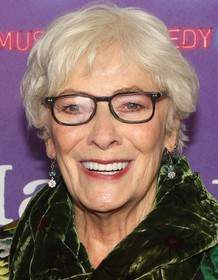
Beverley Goldring (Betty Buckley)
Played by Betty Buckley
Allison’s mother, who actively supports Allison and Beverley’s choices. Her influence underscores family dynamics and the public/private split in opinions on reproductive rights.
- 👩 Mother
- 💬 Family
- 🎗️ Support
-

Jonathan Garson (Jeff Daniels)
Played by Jeff Daniels
The Goldrings’ attorney, who defends them and questions the motives behind the prosecution. He reframes the legal narrative, highlighting ethics, strategy, and the complexity of prosecutorial aims.
- ⚖️ Attorney
- 🧭 Ethics
- 🗣️ Defense
- AM
Andrea Murdoch (Iona Morris)
Played by Iona Morris
African American district attorney who prosecutes under the new fetal murder law. Her role brings in themes of race, class, and political ambition, as her statements suggest deeper motivations beyond case details.
- 👩⚖️ District Attorney
- 🧭 Ambition
- 💬 Ethics
- WP
Walker Point Warden (Frederic Forrest)
Played by Frederic Forrest
A figure tied to Walker Point, representing authority and the enforcement environment that frames the trial and interviews. He embodies the institutional power behind the legal changes depicted in the film.
- 🔒 Warden
- 🧭 Authority
- 🗳️ System
-
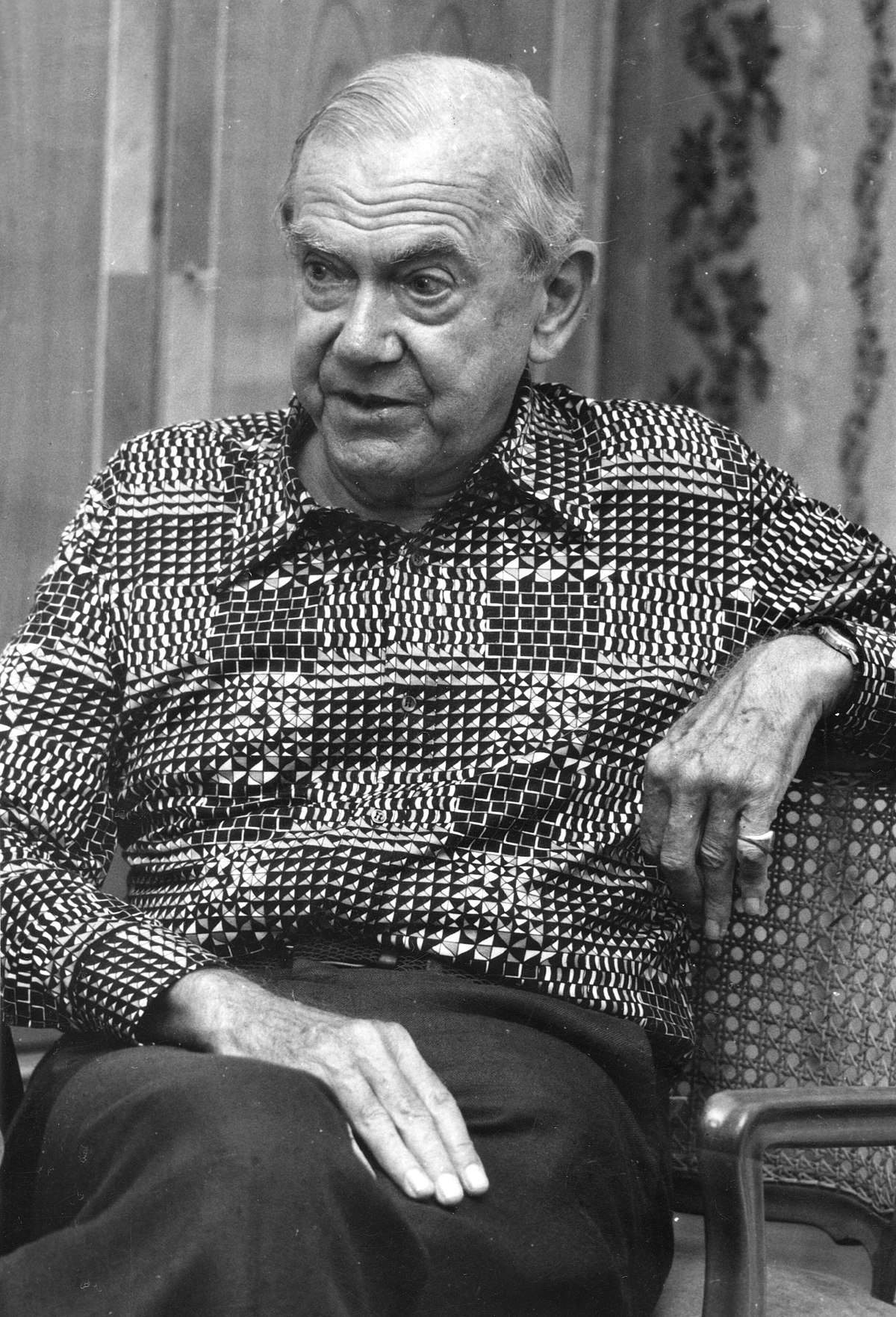
Author on History (Graham Greene)
Played by Graham Greene
An on-screen historian who provides background through interviews, helping to contextualize the societal shift toward restrictive reproductive laws.
- 📝 Historian
- 📚 Interview
- 🗣️ Narrative
Where and When Is Rain Without Thunder Set?
Rain Without Thunder is set in New York, Walker Point and Sweden (Early 21st century). Here is why the time and place matter to the story.
When
Early 21st century
Civil liberties are increasingly curtailed in the name of fighting hypercrime. Abortion laws evolve to criminalize seeking or facilitating termination, culminating in a constitutional amendment defining personhood at conception. The narrative uses interviews and trials to show how policy shifts reshape everyday life and personal choices.
Where
New York, Walker Point, Sweden
The story centers on New York and the Walker Point setting, where legal proceedings and interviews unfold. It also references a Swedish clinic involved in reviewing the termination procedure, highlighting international medical contexts. The locations juxtapose a bustling urban legal environment with medical spaces where reproductive decisions are scrutinized.
- ⚖️ Law
- 🗽 Civil Liberties
- 🇺🇸 United States
What Are the Themes of Rain Without Thunder?
3 ideas the story keeps returning to, among them Reproductive Rights, Civil Liberties and Inequality.
-
01
Reproductive Rights
Allison’s decision to terminate abroad spotlights the tension between individual autonomy and legal constraints. The film examines how abortion becomes a political issue shaped by laws that redefine personhood. It portrays the emotional weight of traveling for care when domestic options are restricted.
-
02
Civil Liberties
The plot traces the slow erosion of civil liberties in the name of public safety and hypercrime. Warrants, confidentiality, and access to medical information become contested in court and state policy. The legal system is shown as a battlefield where personal rights are weighed against collective security.
-
03
Inequality
The enforcement of fetal murder laws reveals disparities that disproportionately affect poor minority women. Interviews at Walker Point expose how race and class shape prosecution and judicial outcomes. The narrative critiques a system where privilege influences who bears the consequences of reproductive policy.
What Kind of Film Is Rain Without Thunder?
Dark in tone, with steady pacing and a complex story, going by the plot summary.
- Tone
- Dark
- Pacing
- Steady
- Story
- Complex
- Intensity
- High
- Ending
- Ambiguous
A chilling and oppressive faux-documentary that methodically builds a dystopian world where state control over women's bodies creates a tense and sobering viewing experience filled with legal and moral complexity.
- oppressive
- anxious
- thought-provoking
- chilling
- sobering
- dystopian
- legal drama
- political dystopia
- reproductive rights
- state surveillance
Content notes: forced pregnancy, political persecution, miscarriage, imprisonment.
Quiz
How well do you remember Rain Without Thunder? Test yourself on the story.
Where to Watch Rain Without Thunder
Stream it on fuboTV and MGM Plus. US availability and prices from JustWatch.
 fuboTV
  MGM Plus
  MGM Plus Roku Premium Channel
  MGM+ Amazon Channel
  Philo
Philo  Tubi TV
 Streaming availability in the US, powered by