Rain Without Thunder 1992



This evocative faux documentary envisions a near‑future America where the state surveils every woman’s sexual activity. Central to the film is Allison Golding (Ali Thomas), condemned to life imprisonment for undergoing an abortion. Through interviews with politicians, journalists and other influential voices, the piece traces the policies and cultural shifts that paved the way for this all‑encompassing authoritarian regime.


Does Rain Without Thunder have end credit scenes?
No!
Rain Without Thunder does not have end credit scenes. You can leave when the credits roll.
Where to Watch Rain Without Thunder
See current US streaming, rental, and purchase options for Rain Without Thunder (1992) via JustWatch.

fuboTV
HD
MGM Plus
HD
MGM Plus Roku Premium Channel
HD
MGM+ Amazon Channel
SD
Philo
HD
Tubi TV
SD Streaming availability powered by 
Meet the Full Cast and Actors of Rain Without Thunder
Explore the complete cast of Rain Without Thunder, including both lead and supporting actors. Learn who plays each character, discover their past roles and achievements, and find out what makes this ensemble cast stand out in the world of film and television.

Steve Zahn
Jeremy Tanner

Jeff Daniels
Jonathan Garson
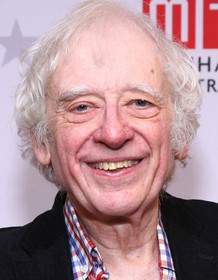
Austin Pendleton
Catholic Priest

Betty Buckley
Beverly Goldring

Frederic Forrest
Walker Point Warden
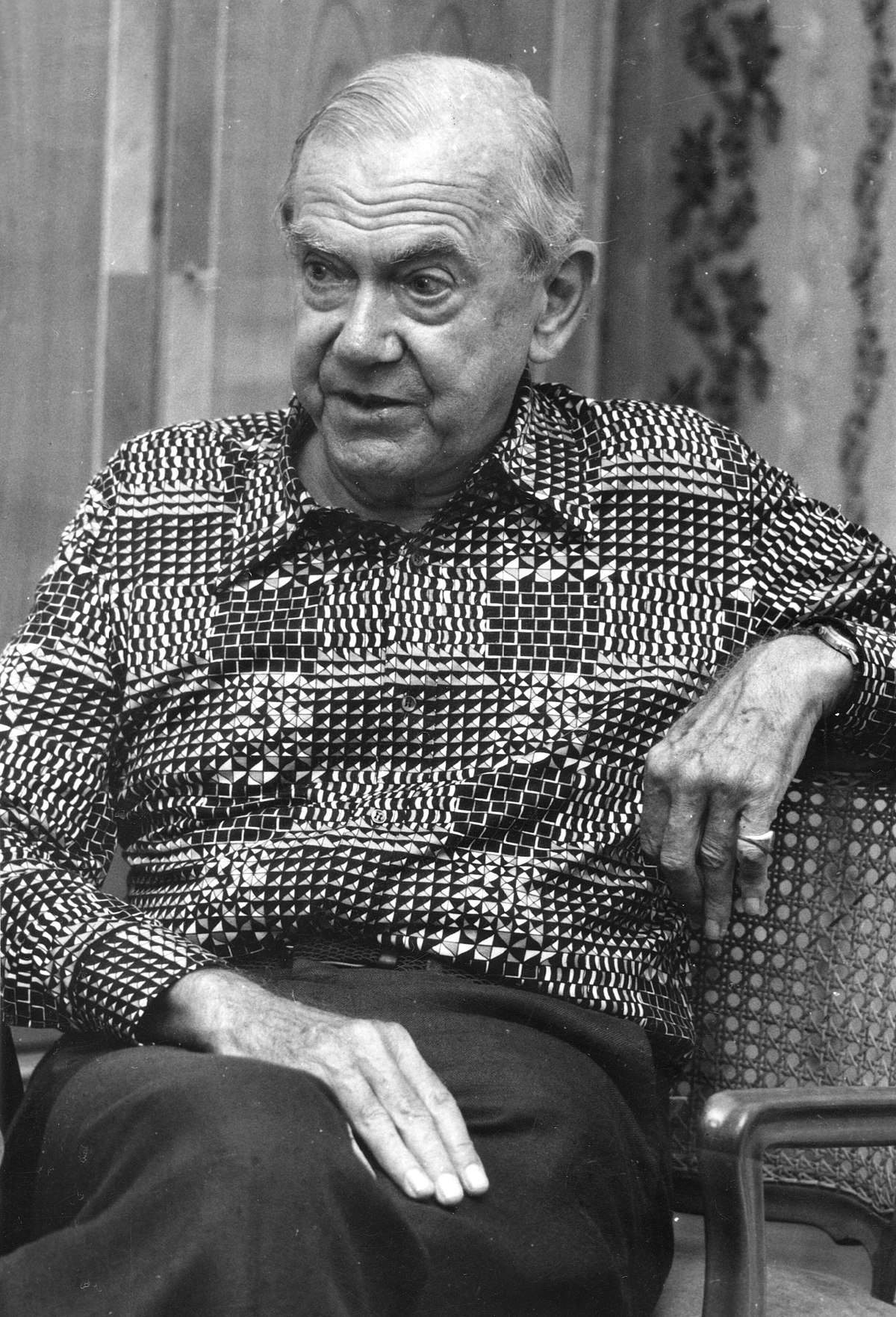
Graham Greene
Author on History
Linda Hunt
Atwood Society Director
Carolyn McCormick
Reporter
Ethan Phillips
Gynecologist
John Scott
Health Official #1
Ming-Na Wen
'Uudie' Prisoner
Robert Earl Jones
Old Lawyer
Ellia English
Judith Rothstein
Andrew Spencer
Health Official #2
Bahni Turpin
'Baby Bomb' Prisoner
Stephanie Silverman
Angela Q.
Stuart Burney
Spencer Goldring
Iona Morris
Andrea Murdoch
Katy Selverstone
Abra Russell
Jay Hargrove
Health Official #3
Paul Lambert
Swedish Doctor
Heather Lilly
Micka Goldring
Susanne Wasson
Swedish Doctor
Helen Lloyd Breed
Alice Kappelhoff
Dianne Kirksey
Mother Breastfeeding (as Diane Kirksey)
Charles E. Gerber
Grover Cole
Ali Thomas
Allison Goldring
Lisa Louise Langford
'In Profile' Prisoner
Dana Smith
Walker Point Nurse
Sheila Pinkham
Rosalind Heart
Eliza Clark
Piper Goldring
Katharine Crost
Walker Point Guard #1
Joseph Dolphin
'Baby Bomb' Dealer
Fred Fagen
Doctor with Probe
Tara Tersigni
Little Girl with Bird
Maren Oakley
Pregnant Woman in Coma
Malcolm Wiley-Floyd
Baby Breastfeeding
Linda Igarashi
Health Official #4
Corinna May
Priestess (as Corina May)
Victoria Maione
Baby in Black Bag
External Links and Streaming Options
Discover where to watch Rain Without Thunder online, including streaming platforms, rental options, and official sources. Compare reviews, ratings, and in-depth movie information across sites like IMDb, TMDb, Wikipedia or Rotten Tomatoes.





Take the Ultimate Rain Without Thunder Movie Quiz
Challenge your knowledge of Rain Without Thunder with this fun and interactive movie quiz. Test yourself on key plot points, iconic characters, hidden details, and memorable moments to see how well you really know the film.
Rain Without Thunder Quiz: A 10‑question quiz testing knowledge of key plot points, characters, and themes from the 1992 film Rain Without Thunder.
Which actress portrays Allison Goldring in the film?
Full Plot Summary and Ending Explained for Rain Without Thunder
Read the complete plot summary of Rain Without Thunder, including all major events, twists, and the full ending explained in detail. Explore key characters, themes, hidden meanings, and everything you need to understand the story from beginning to end.
Allison Goldring, Ali Thomas, a privileged white college student, discovers she is pregnant by her boyfriend Jeremy Tanner, Steve Zahn. After discussing her options with Tanner and her family, she decides to travel abroad to terminate the pregnancy, since abortion is prosecuted as “fetal murder” in the United States. Both Allison and her mother Beverly Goldring, Betty Buckley, say that everyone—including Tanner—backed her decision, though Tanner’s later denial feels dubious within the film’s portrayal of the events. Allison’s father and grandmother are interviewed and express support for both Allison and Beverly, with her father noting that he initially meant to go along but implying that prosecuting Beverly has become a more powerful, almost arbitrary, focal point of control in their circle.
As the narrative unfolds, we get broader background on their society: civil liberties are gradually trimmed in the name of fighting what officials call “hypercrime.” In the early twenty-first century, warrants become looser and several states push laws that criminalize abortion. At first, the penalties target abortionists, while many feminists remain complacent and underestimate how quickly the situation could worsen. The Church’s acceptance of barrier contraception weakens feminist momentum, and a wave of anti-abortion legislation follows, culminating in a constitutional amendment that defines personhood at conception. Laws that directly target women seeking abortions begin to take effect, and feminism itself becomes politically out of favor and subject to revisionism.
In New York, a sweeping change classifies traveling abroad for a termination as “fetal kidnapping.” Beverly acknowledges the shift but believes enforcement will take time, and it’s unclear how aware Allison and Jeremy are of the new legal terrain. The law emerges in response to a lawsuit challenging fetal-murder statutes that have been disproportionately applied to poor minority women. Interviews with women at Walker Point reveal how a system that interviews and prosecutes such cases can become entangled with race, class, and access to healthcare. One woman describes using a dangerous abortifacient called a “baby bomb,” while another, initially jailed for a termination, is convicted for using an IUD, illustrating how the law casts a wide net. The details of their experiences are chilling and lay the groundwork for debates about medical safety, state power, and how the law enforces morality.
African American district attorney Andrea Murdoch prosecutes the Goldrings under the new statute, a move that is clearly aimed at addressing broader concerns about biased enforcement, though it also raises questions about the ethics and method of pursuing such cases. Iona Morris brings depth to Murdoch’s portrayal, suggesting a prosecutorial impulse shaped by a desire for accountability—and perhaps ambition—within a justice system that has long struggled with disparities. Jonathan Garson, the Goldrings’ attorney, Jeff Daniels questions Murdoch’s motives but does not challenge the legitimacy of the fetal-murder framework itself, highlighting a clinical tension between legal principle and moral interpretation.
During the trial, Allison takes the stand and makes a striking confession. She does not show remorse in the moment, and she repeats that she felt relief in finally voicing her decision. This admission unsettles Beverly and Garson, who fear the consequences for both of them, since Allison’s testimony could seal their fate. The proceedings reveal that patient–doctor confidentiality and the safety nets of the old system have eroded under the new regime, where political ends can override personal privacy and trust.
After the trial, a medical review from a Swedish clinic determines that the fetus had been dead for nearly three weeks before the procedure. The Goldrings are ultimately released, yet Murdoch stays the course, declaring her intention to pursue charges for attempted fetal kidnapping on the grounds that the trio intended to commit the crime even if the act itself never occurred. The ending underscores a troubling shift: justice is now as much about signaling political stances and enforcing a new social order as it is about the truth of individual cases. The film’s final mood lingers on the uneasy balance between protection of autonomy and the chilling expansion of state power, leaving viewers to weigh questions about equality, legality, and what it means to navigate rights in a country redefining personhood and morality at every turn.

Coming soon on iOS and Android
The Plot Explained Mobile App
From blockbusters to hidden gems — dive into movie stories anytime, anywhere. Save your favorites, discover plots faster, and never miss a twist again.
Sign up to be the first to know when we launch. Your email stays private — always.
Explore the mobile appDiscover Film Music Concerts Near You – Live Orchestras Performing Iconic Movie Soundtracks
Immerse yourself in the magic of cinema with live orchestral performances of your favorite film scores. From sweeping Hollywood blockbusters and animated classics to epic fantasy soundtracks, our curated listings connect you to upcoming film music events worldwide.
Explore concert film screenings paired with full orchestra concerts, read detailed event information, and secure your tickets for unforgettable evenings celebrating legendary composers like John Williams, Hans Zimmer, and more.


Rain Without Thunder Themes and Keywords
Discover the central themes, ideas, and keywords that define the movie’s story, tone, and message. Analyze the film’s deeper meanings, genre influences, and recurring concepts.
Rain Without Thunder Other Names and Titles
Explore the various alternative titles, translations, and other names used for Rain Without Thunder across different regions and languages. Understand how the film is marketed and recognized worldwide.
Similar Movies To Rain Without Thunder You Should Know About
Browse a curated list of movies similar in genre, tone, characters, or story structure. Discover new titles like the one you're watching, perfect for fans of related plots, vibes, or cinematic styles.






Quick Links: Summary, Cast, Ratings, More

What's After the Movie?
Not sure whether to stay after the credits? Find out!
Check out our other apps:

SAT Sphere
Build confidence for the Digital SAT.

Mori Atlas
Discover wild places worth protecting.

Luntero
Search smarter for a home in Amsterdam.

Plot Explained
Unravel movie endings and hidden clues.

Pokechamp
Dive into Pokémon data and battle logic.

Driving Theory
Get ready for your European theory test.

Movie Dust
Plan your next cinema trip with ease.

Musemap
Find art and culture as you travel.

Selkobase
Compare credentials before committing.

Local Manual
Turn an unfamiliar country into practical next steps.

Lernavi
Compare school systems before your next move.

GymRoam
Find a workout stop wherever your plans take you.
Explore Our Movie Platform
New Movie Releases (2026)
Famous Movie Actors
Top Film Production Studios
Movie Plot Summaries & Endings
Major Movie Awards & Winners
Best Concert Films & Music Documentaries
Movie Collections and Curated Lists
© 2026 What's After the Movie. All rights reserved.
Privacy Policy