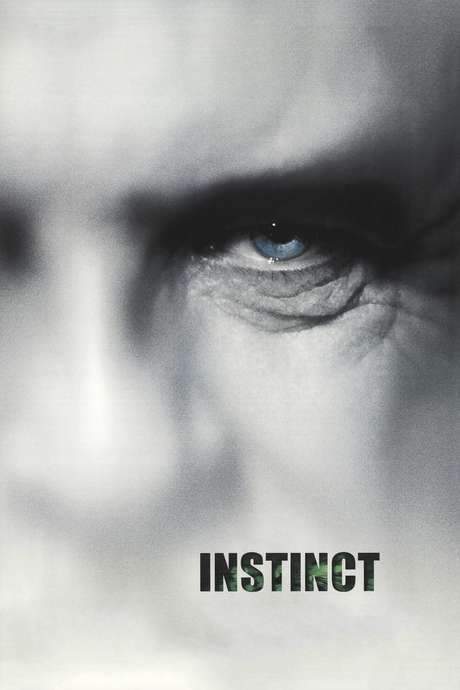
What Is Pressure Point About?
The premise of Pressure Point in 289 words, with nothing given away. The full story follows below.
In the early 1960s, a stark psychiatric facility becomes the arena for a clash of ideologies and personal limits. The institution’s corridors echo with a blend of clinical routine and underlying tension, as staff members navigate the delicate balance between order and the volatile emotions of their patients. Within this closed world, the atmosphere is heavy with a quiet intensity, where every conversation feels like a negotiation of power, prejudice, and the yearning for understanding.
The young doctor arrives full of idealism, tasked with counseling a patient whose hatred is as pronounced as his own inner turmoil. His role places him directly opposite a man whose worldview is rooted in hate, creating a volatile dynamic that tests the very foundations of empathy and professional duty. The doctor’s own background as an African‑American psychiatrist adds layers to the conflict, forcing him to confront not only the patient’s bigotry but also his own boundaries and insecurities.
Guiding the young practitioner is the senior psychiatrist, a seasoned veteran whose experience stretches back to a wartime penitentiary where he once faced a similar adversary. His measured presence offers a stark contrast to the younger doctor’s growing frustration, and his recollections of past confrontations hint at a deeper philosophy about the limits of treatment and the possibility of redemption. Their interactions frame the film’s moral core, emphasizing the weight of history on present decisions.
Against this backdrop, the prisoner’s abrasive demeanor and the institution’s rigid structure create a pressure‑cooker environment where every session feels like a fragile truce. The story “Pressure Point” invites viewers into a tense, introspective drama that asks how far a healer can go when the very act of caring threatens to unravel the fragile order of both mind and society.
What Happens in Pressure Point?
The complete story of Pressure Point, from the first scene to the last, in 359 words (about 2 minutes). Spoilers throughout. Names in the text link to 3 cast member pages.
Spoilers ahead
Set in a 1962 psychiatric institution, the film centers on a tense dynamic between a young doctor Peter Falk on a staff headed by a senior psychiatrist Sidney Poitier, and a Black patient who detests him because he is white. For seven and a half months, the young doctor struggles to land a breakthrough, growing increasingly weary and even requesting that the patient be reassigned to another clinician. The senior psychiatrist, drawing on a hard‑won experience from two decades earlier, shares a memory from 1942 when he worked as a psychiatrist at a federal penitentiary and encountered a Nazi sympathizer who would shape his own approach to care.
In a flashback, a new prisoner Bobby Darin arrives and is assigned to the doctor. The inmate is openly racist and has been arrested for sedition due to his Nazi sympathies. He taunts the doctor, who responds with a stark, unsettling line: > I’d like to kill you, but I want to help you. This moment sets the tone for a complex, coercive push‑and‑pull between healer and patient.
Over time, the prisoner’s sleep disorders and recurring blackouts push him to recount traumas from his life, especially those from childhood. The narrative unfolds through flashbacks that reveal a harsh, impoverished upbringing during the Great Depression, including an encounter with a kind, young woman who seemed open to a relationship. Her father blocks the romance, and the revelation that the family was Jewish becomes a crucial thread that, alongside his other deep-seated problems, steers him toward Nazism.
Against the doctor’s recommendation, the psychiatric staff decide to parole the prisoner, arguing that the doctor’s concerns are biased by his alleged racism and his perceived devotion to Nazism. The tension between judgment and mercy, science and sentiment, drives the moral hazard at the story’s core.
Back in the present, the senior doctor reveals that the Nazi prisoner was released and later executed for beating an old man to death for no reason. This revelation hardens the young doctor’s resolve, and he vows to continue working with this difficult patient, recognizing that the path to understanding—and perhaps healing—lies in confronting the darkest corners of a troubled mind.
Pressure Point Timeline: Every Key Event in Order
13 key events in the order they happen, from “1962: Tensions at the psychiatric institution” to “Ongoing therapy implied”. 6 events name a place, across 2 locations.
- 1
1962: Tensions at the psychiatric institution
In 1962, a young doctor at a state psychiatric institution is frustrated with his white patient who harbors hostility toward him. He asks to have the patient reassigned, believing treatment is not progressing. A senior Black psychiatrist presides and interrupts with a recollection of a past, formative case that informs their present approach.
When:1962 Where:psychiatric institution
- 2
Senior doctor recalls 1942 experience
The senior doctor recounts a memory from twenty years earlier when he worked as a psychiatrist at a federal penitentiary. He reveals how that case shaped his beliefs about treatment and bias. The memory hints at the complexities of helping a patient who is openly hostile to the therapist.
When:1942 Where:federal penitentiary
- 3
New prisoner arrives and is assigned to the doctor
In the flashback, a new prisoner is brought in and immediately assigned to the doctor for care. The inmate is depicted as combative and suspicious, setting the stage for a difficult therapeutic relationship. The scene establishes the start of a long, fragile alliance.
When:1942 Where:federal penitentiary
- 4
Prisoner reveals racism and Nazi sympathies
The prisoner taunts the doctor, showing openly racist and Nazi sympathies. The doctor candidly acknowledges his own conflicted feelings, saying, "I'd like to kill you, but I want to help you." This line underscores the tension between harm and healing in their dynamic.
When:1942 Where:federal penitentiary
- 5
Sleep disorder and trauma triggers memories
The prisoner experiences sleep disturbances and blackouts, which bring repressed memories to the surface. Through these episodes, the doctors begin to probe the traumas that shaped his personality. The episodes drive the therapy forward and reveal the depth of his scars.
When:1942
- 6
Traumatic childhood surfaces
Flashbacks describe a troubled childhood, with abuse by his father and a weak mother. These memories help explain the prisoner's vulnerability and the roots of his later extremism. The doctor pieces together how early pain feeds present aggression.
When:1942
- 7
Great Depression romance and a Jewish family
The prisoner recalls meeting a kind young woman during the Great Depression whose relationship is thwarted by family prejudice. He notices that the woman's Jewish family is involved, an element that later ties into his anti-Semitic worldview. These memories illustrate how personal loss and prejudice fuse to shape his beliefs.
When:1942
- 8
Path to Nazism is forged
The combination of poverty, rejection, and exposure to a Jewish family contributes to a turn toward Nazism. The prisoner links his trauma to the political identity he chooses, revealing the fragility of his moral compass. The seasoned doctors watch how trauma and bias interact inside him.
When:1942
- 9
Parole decision despite concerns
Despite the doctor's recommendation to keep him confined, the psychiatric staff paroles the prisoner. They argue the doctor's concerns stem from bias rather than the reform of the patient. The decision marks a pivotal turning point in his life and in the doctors' understanding of treatment.
When:1942 Where:federal penitentiary
- 10
Release and later execution
The Nazi-prisoner is released on parole, and the story leaps forward to note that he is later executed for beating an old man to death for no reason. The reveal underscores the consequences of untreated extremism and the limits of therapeutic intervention. The moment reframes the doctors' earlier beliefs about reform.
When:unknown (years after 1942)
Show the other 3 events of Pressure Point Hide the last 3 events
- 11
Present-day revelation by the senior doctor
Back in 1962, the senior doctor reveals what happened after the prisoner was released—that he was eventually executed for the murder of an elderly man. This knowledge casts new light on the implications of the therapy they attempted. The revelation closes the loop between past and present events.
When:1962 Where:psychiatric institution
- 12
Commitment to continue working with the patient
The young psychiatrist resolves to persevere in his treatment of the difficult patient, choosing responsibility over resignation. He vows to apply the lessons of the past to his ongoing work. The scene emphasizes resilience in the face of challenging psychiatric care.
When:1962
- 13
Ongoing therapy implied
The narrative ends with the implication that therapy will continue, with the patient and doctor maintaining their difficult but persistent engagement. The timeline connects the two eras, suggesting that understanding trauma is an ongoing process. The film leaves the outcome bittersweet and open-ended.
When:1962
Who Are the Main Characters in Pressure Point?
7 characters, among them Senior Psychiatrist — Sidney Poitier, Young Psychiatrist — Peter Falk and Patient — Bobby Darin: who each one is and the part they play in the story. Every profile links to the actor’s page.
-
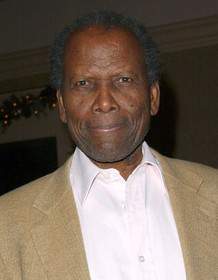
Senior Psychiatrist — Sidney Poitier
Played by Sidney Poitier
A seasoned, principled clinician who guides the ward and recalls a defining 1942 experience with a Nazi-sympathizer. He believes in using history to inform present care and challenges the younger doctor’s biases. His approach blends empathy with a commitment to public safety.
- 🧠 Clinician
- 🧭 Mentor
- 🕊️ Bias-aware
-

Young Psychiatrist — Peter Falk
Played by Peter Falk
An ambitious junior doctor frustrated by a difficult patient and driven to find a breakthrough after months of attempting treatment. He must confront his own prejudices as he learns from the senior doctor’s historical perspective. The case tests his resolve and ethical limits.
- 🧠 Junior Doctor
- 🧩 Ambition
- 🕊️ Ethics
- P—
Patient — Bobby Darin
Played by Bobby Darin
A prisoner on the ward who is racist and a Nazi sympathizer, introduced with a sleep disorder and blackout episodes. His trauma and childhood abuse are explored through flashbacks, revealing the roots of his extremist beliefs. His taunts contrast with the doctors’ efforts to help him.
- 🎭 Inmate
- 🧠 Trauma
- 🗡️ Extremism
- F—
Father — James Anderson
Played by James Anderson
A harsh father figure in the patient’s childhood whose abuse contributes to his later behavior. This dynamic helps explain the patient’s mistrust and aggression, shaping his path toward radical beliefs.
- 👨👦 Family
- 🥀 Abuse
- M—
Mother — Anne Barton
Played by Anne Barton
The patient’s mother is depicted as weak, a factor the patient cites as part of his traumatic upbringing contributing to his vulnerabilities.
- 👩👦 Family
- 🫂 Trauma
- JF
Jewish Father — Gilbert Green
Played by Gilbert Green
The girl’s father in the flashback, whose disapproval of a potential romance acts as a catalyst in the patient’s later embrace of Nazism.
- 🧑🦰 Anti-Semitism
- 👨👧 Family
- JG
Jewish Girl — Lynn Loring
Played by Lynn Loring
The young woman who shows kindness and potential romance, whose Jewish identity is salient in the prisoner’s memory and in his path to Nazism.
- 👩❤️💋👨 Romance
- ✡️ Judaism
Where and When Is Pressure Point Set?
Pressure Point is set in 1962 psychiatric institution and 1942 federal penitentiary (1962 (with 1942 flashbacks)). Here is why the time and place matter to the story.
When
1962 (with 1942 flashbacks)
The action centers on the early 1960s in America, focusing on a psychiatric ward and its tense dynamics. Flashbacks transport viewers to 1942, providing historical context for the inmate’s extremist beliefs. Together, these periods show how past horrors inform present treatment and ethical decisions in care.
Where
1962 psychiatric institution, 1942 federal penitentiary
Set largely inside a 1962 psychiatric ward where a young doctor battles a difficult patient. The narrative also travels back to a 1942 federal penitentiary, revealing the prisoner’s Nazi sympathies and the origins of his trauma. The contrast between clinical care and punitive environments highlights the film’s exploration of bias, violence, and accountability.
- 🏥 Mental health
- 🗺️ Historical
- 🧑⚕️ Medical ethics
What Are the Themes of Pressure Point?
3 ideas the story keeps returning to, among them Racism and Nazism, Trauma and Memory and Justice and Rehabilitation.
-
01
Racism and Nazism
Racism and Nazism drive the prisoner’s worldview and fuel violence within the ward. The film connects prejudice to real-world cruelty, including the murder that shapes the prisoner’s fate. Clinicians confront their own biases as they decide how to respond to extreme ideology. The 1942 flashbacks reveal how hate can be cultivated from childhood and family dynamics.
-
02
Trauma and Memory
The patient’s trauma—rooted in parental abuse and a fragile upbringing—emerges through sleep disorders and blackouts. Memory becomes a lens through which the doctors understand the patient’s violence and extremist beliefs. The therapy sessions probe whether uncovering buried memories can heal or destabilize. The film suggests memory is both a key to understanding and a risk to the therapeutic process.
-
03
Justice and Rehabilitation
Parole decisions highlight the clash between mercy and punishment in a high-stakes context. Bias—perceived in treating the patient’s racism and Nazism—complicates clinical judgment. The prisoner’s later execution for murder underscores the unpredictable consequences of rehabilitation versus retribution. The story questions whether true justice lies in punishment or transformative care.
What Kind of Film Is Pressure Point?
Tense in tone, with steady pacing and a moderate story, going by the plot summary.
- Tone
- Tense
- Pacing
- Steady
- Story
- Moderate
- Intensity
- High
- Ending
- Bittersweet
A tense and psychologically heavy drama set within a prison, exploring the dark complexities of racism and trauma through a volatile therapeutic relationship that pushes both doctor and patient to their limits.
- tense
- claustrophobic
- unsettling
- heavy
- psychological
- dark
- racism
- psychological therapy
- nazism
- prison system
Content notes: child abuse, racial hatred, murder, psychological trauma, nazi ideology.
Quiz
How well do you remember Pressure Point? Test yourself on the story.
Where to Watch Pressure Point
Stream it on ScreenPix and YouTube Free, or rent or buy it from Fandango At Home. US availability and prices from JustWatch.
 ScreenPix Amazon Channel
  ScreenPix Apple TV channel
  YouTube Free
 Rent or buy 1

Streaming availability in the US, powered by