What Is Address Unknown About?
The premise of Address Unknown in 316 words, with nothing given away. The full story follows below.
In the restless interwar world, a circle of German expatriates has built a comfortable niche in the United States, thriving on art, ambition, and the bonds of families intertwined across continents. Their lives pulse with the optimism of success abroad, yet the memory of a homeland on the brink lingers beneath polite conversation and quiet nostalgia.
_ Martin Schulz_ is the centerpiece of this community—a shrewd art dealer whose reputation has earned him a place among America’s cultural elite. When a business trip calls him back to Germany, the familiar streets and old acquaintances stir more than old memories. The nation he returns to bears the trappings of a new order, and the seductive power of the rising ideology whispers promises of purpose and belonging. As the political atmosphere grows denser, Martin finds himself drawn toward the very forces that once seemed distant, compelled by a mixture of curiosity, ambition, and an unsettling sense of destiny.
Around him, Max Eisenstein, a fellow dealer, and Heinrich Schulz, a close friend, embody different responses to the changing tide, while Griselle Eisenstein, an aspiring actress, chases her own dreams in the shadow of an increasingly oppressive cultural climate. Their relationships, forged in the safety of exile, are tested by the magnetic allure of the regime, revealing cracks in loyalty and the fragility of conscience. The atmosphere is thick with polished grandeur contrasted against an undercurrent of intimidation, creating a mood that is simultaneously elegant and foreboding.
Against this backdrop, Martin must grapple with the choices that define who he is—whether to cling to the life he has built, to protect the people he loves, or to surrender to the dangerous charm of a nation sliding toward darkness. The film dwells on the tension between personal ambition and moral responsibility, inviting the audience to feel the weight of every whispered promise and the uncertainty that lies just beyond the polished veneer.
What Happens in Address Unknown?
The complete story of Address Unknown, from the first scene to the last, in 399 words (about 2 minutes). Spoilers throughout. Names in the text link to 2 cast member pages.
Spoilers ahead
Martin Schulz, Paul Lukas, and Max Eisenstein, Morris Carnovsky, are German expatriate art dealers living in the United States. Their families are connected through love: Heinrich Schulz, [Peter van Eyck], and Griselle Eisenstein, [K.T. Stevens], are in love, and Griselle travels with them to Germany to seek acting opportunities.
In Germany, Martin meets Baron von Friesche, [Carl Esmond], joins the Nazi Party, and becomes a significant government official. He immediately demands that Max stop writing to him, asserting that Max is Jewish. When Max sends a hand-delivered letter to prove he’s acting of his own free will, Martin makes it clear they are no longer friends.
Griselle has been acting in Vienna under the stage name Stone and lands a leading role in a Berlin play. Before the premiere, the censor, [Charles Halton], insists on cutting lines that would clash with Nazi doctrine, such as “Blessed are the peacemakers ….” On opening night, Griselle speaks the lines anyway. When the censor forces her to reveal her real name, the antisemitic crowd riots, and the play’s director hustles the still-defiant Griselle out of the theater to keep her safe.
Realising the danger, she seeks help from Martin at his country estate, but he slams the front door in her face. A shot rings out, and Elsa, [Mady Christians], is appalled by her husband’s heartlessness. Max and Heinrich learn of Griselle’s death from a short letter in which Martin merely states that she is dead.
Martin then receives a telegram indicating that Max will resume writing to him and that Martin will understand his messages. He finds Max’s first letter incomprehensible, as if it were coded, and he is warned that receiving coded messages is illegal. Nevertheless, letters continue, and Martin is forced to resign his party position.
Elsa decides to take their children to Switzerland. Martin sends a letter begging Max to stop writing. Border guards intercept the letter, and Elsa destroys it to protect the family, deepening the suspicion surrounding him. Von Freische warns that the Gestapo will question Martin. Faced with this terror, Martin contemplates suicide, but that night he leaves his mansion, illuminated only by a flashlight.
Back in San Francisco, a letter addressed to Martin is returned with “Address Unknown.” Max confides in Heinrich that he had not resumed writing, and the look on Heinrich’s face reveals that it was he who had sent the letters.
Address Unknown Timeline: Every Key Event in Order
12 key events in the order they happen, from “Friendship and family in the United States” to “Final twist: Address Unknown”. 12 events name a place, across 8 locations.
- 1
Friendship and family in the United States
Martin Schulz and Max Eisenstein are German expatriate art dealers living in the United States. Their families are close, and Martin's son Heinrich and Max's daughter Griselle are in love. When opportunities arise, Griselle accompanies the family back to Germany to pursue acting opportunities.
Where:United States
- 2
Return to Germany and new ambitions
The families travel back to Germany to seek artwork and pursue Griselle's acting career in Europe. Griselle accompanies them, setting the stage for the political and cultural upheaval to come.
When:before premiere Where:Germany
- 3
Martin joins the Nazi Party
Martin meets Baron von Freische and is drawn into the Nazi Party. He rises to a significant government post, aligning his career with the regime. This change drives a growing rift between Martin and Max, who remains sympathetic to his Jewish friend.
Where:Germany
- 4
A demand to sever ties with Max
Martin insists that Max stop writing to him because of his new political position. Max sends a hand delivered letter to confirm that he is not acting under duress. Martin makes it clear they are no longer friends.
Where:Germany
- 5
Griselle lands a Berlin lead and faces censorship
Griselle, who had been acting in Vienna under the stage name Stone, lands a leading role in a Berlin production. The censor demands lines be cut to fit Nazi doctrine. Her rising profile brings her into direct contact with political controls on art.
When:premiere prep Where:Berlin
- 6
Opening night and the riot
On opening night Griselle speaks the lines despite censorship. The censor exposes her true identity, triggering an antisemitic riot in the theatre. The director manages to extract Griselle to safety.
When:opening night Where:Berlin theatre
- 7
Griselle seeks help and is rejected
Griselle seeks refuge from Martin at his country estate after the riot. Martin refuses to help, slamming the door in her face. The situation escalates as gunshots are heard at the property.
Where:Martin's country estate
- 8
Griselle's death and news travels
Max and Heinrich receive a brief letter from Martin stating that Griselle is dead. The tragedy underscores how far the alliances have eroded under Nazi pressure. The loss reverberates through the families.
Where:United States
- 9
Coded letters begin and a crackdown
Martin gets a telegram saying Max will resume writing and that he will understand the messages. He soon discovers Max's first letter is coded, and he is warned that receiving coded messages is illegal. As a result, he is forced to resign his party position.
Where:Germany
- 10
Escape attempts and border trouble
Elsa moves the children toward Switzerland for safety. Martin sends a letter asking Max to stop writing, but border guards see it and Elsa destroys it to shield the family. The episode heightens the scrutiny on Martin and his circle.
Where:Germany-Switzerland border
- 11
Threats, despair, and a night escape
Von Freische pressures Martin to name his associates. Martin maintains his innocence, but the threat of the Gestapo looms large. He contemplates suicide and, that night, leaves his mansion with a guiding flashlight.
When:night Where:Martin's mansion, Germany
- 12
Final twist: Address Unknown
Back in San Francisco, a letter addressed to Martin arrives and is stamped Address Unknown. Max realizes he had not resumed writing to his father, and Heinrich's reaction in a later scene reveals that it was he who was sending the letters all along.
Where:San Francisco, USA
Who Are the Main Characters in Address Unknown?
8 characters, among them Martin Schulz (Paul Lukas), Max Eisenstein (Morris Carnovsky) and Griselle Eisenstein (K.T. Stevens): who each one is and the part they play in the story. Every profile links to the actor’s page.
-
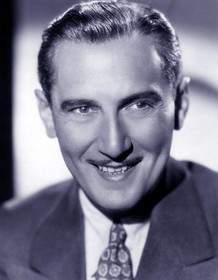
Martin Schulz (Paul Lukas)
Played by Paul Lukas
A German expatriate art dealer living in the United States who becomes a Nazi Party member and rises to a government position. His ascent coincides with a chilling estrangement from his friend Max, marking a grim transformation from ally to enforcer of oppressive policy. His rigidity and fear of exposure ultimately drive him to cut ties with those who challenge the regime. The arc probes how power corrupts friendships and moral judgments.
- 🏛️ Authority
- 🧭 Moral conflict
- 🎨 Art world
- ME
Max Eisenstein (Morris Carnovsky)
Played by Morris Carnovsky
A Jewish art dealer and writer whose friendship with Martin drives the emotional core of the story. He seeks to maintain contact with his friend despite growing political danger and personal risk. Max’s letters become a symbol of intellectual integrity and personal courage in the face of persecution. His fate underscores the human cost of the era’s intolerance.
- ✊ Jewish identity
- 📨 Letters and secrecy
- 🕊️ Loyalty
- GE
Griselle Eisenstein (K.T. Stevens)
Played by K.T. Stevens
Griselle is an ambitious actress in Vienna who uses the stage name Stone and rises to a lead role in a Berlin production. Her courage to speak bluntly against censorship ignites a riot, forcing her to face the regime’s wrath. Her relationship with Heinrich and the danger surrounding her reveal the peril that art, identity, and love face under totalitarian rule. Her death becomes a grim ultimate consequence of the time.
- 🎭 Actress life
- 💔 Forbidden romance
- 🛡️ Peril
-
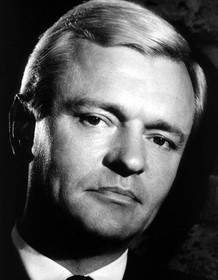
Heinrich Schulz (Peter van Eyck)
Played by Peter van Eyck
Martin and Elsa’s son, he is romantically involved with Griselle. The plot twist reveals that Heinrich is the one who sends the coded letters to Max, highlighting themes of secrecy and the complex loyalties of the younger generation. He embodies conflicted youth torn between familial loyalty and the moral challenges of the era. His discovery at the end marks a painful reckoning with deceptions within the family.
- ❤️ Young love
- 🕵️ Hidden loyalties
- 🔍 Mystery
- ES
Elsa Schulz (Mady Christians)
Played by Mady Christians
Martin’s wife, who is appalled by her husband’s heartlessness and moral compromises. She takes decisive action to protect the family by planning to move the children to Switzerland, signaling resilience and a moral compass in the face of political terror. Her choice to leave underscores the personal costs of complicity and fear. She embodies the struggle to preserve family in a time of danger.
- 👩👧👦 Family
- 🕊️ Moral courage
- 🧭 Escape
- BV
Baron von Freische (Carl Esmond)
Played by Carl Esmond
A high-ranking Nazi official who presses Martin to name his associates and uses threats to coerce cooperation. He represents the confiscation of personal agency by state power and the ever-present danger of surveillance and punishment. His presence heightens the atmosphere of fear and moral compromise that threads through the plot. He embodies the regime’s invasive reach into private life.
- 🗃️ Authority
- 🗡️ Threat
- 🕵️♂️ Intrigue
-
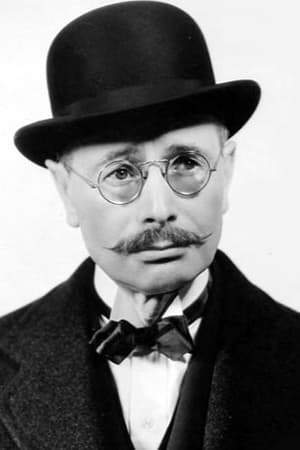
Censor (Charles Halton)
Played by Charles Halton
The official who insists lines be cut to conform to Nazi doctrine, catalyzing tension between art and politics. His oversight demonstrates how censorship shapes character choices and public speech. The censor’s power illustrates the regime’s control over culture and the personal stakes of artistic expression. His role underscores the atmosphere of fear governing creative life.
- 🎭 Censorship
- 🧭 Political control
- 🗣️ Speech regulation
- SD
Stage Director (Erwin Kalser)
Played by Erwin Kalser
A theatre professional who navigates the tension between artistic vision and political demand. His presence anchors the theatrical world within the broader political crisis, highlighting how production and performance become sites of risk and resistance. Through him, the film shows the practical challenges of staging work under censorship. He stands as a witness to the era’s artistic pressures.
- 🎬 Theater
- 🎭 Stagecraft
- 🗺️ Production
Where and When Is Address Unknown Set?
Address Unknown is set in San Francisco, Berlin and Vienna (1930s–1940s). Here is why the time and place matter to the story.
When
1930s–1940s
The events unfold during the rise and consolidation of the Nazi regime in Germany, with the shadow of World War II looming over personal and political life. Censorship, anti-Semitism, and the demand for ideological conformity permeate public performances and private correspondence. The plot tracks how rapidly the social and political climate changes, forcing characters to choose between safety, truth, and loyalty.
Where
San Francisco, Berlin, Vienna
The story moves between San Francisco, a bustling American city home to expatriate art dealers, and the European cities of Berlin and Vienna, where theater and politics collide. San Francisco is depicted as a diverse, art-driven backdrop for the American half of the plot, while Berlin and Vienna symbolize the rise of state authority and cultural censorship under the Nazi regime. The juxtaposition of these places highlights how geography shapes loyalties, danger, and opportunity for the characters.
- 🌆 Urban centers
- 🏛️ Cultural hubs
- 🗺️ Geopolitical hotspots
What Are the Themes of Address Unknown?
3 ideas the story keeps returning to, among them Betrayal, Identity and Censorship.
-
01
Betrayal
Loyalty among friends is tested as political ideology and personal ambition tear apart decades of trust. Martin’s embrace of the Nazi regime and his severing of ties with Max expose how power can erode friendship. The story hosts painful decisions where love, family, and career pull in opposite directions. The consequences of betrayal ripple through both personal and public spheres.
-
02
Identity
Griselle’s use of a stage name and her public persona contrast with her private identity, exposing the dangers of hiding one’s true self in a hostile environment. Letters, codes, and revealed names become keys that unlock peril or safety. The characters struggle to maintain authenticity while navigating censorship and fear. The tension between appearance and reality drives the dramatic stakes.
-
03
Censorship
The censor’s interference with lines such as 'Blessed are the peacemakers' epitomizes the regime’s control over art and speech. Public performances become flashpoints where ideology, fear, and personal risk clash. Riots and police presence illustrate how cultural life is weaponized for political purposes. The narrative shows how censorship corrupts truth and endangers lives.
What Kind of Film Is Address Unknown?
Dark in tone, with steady pacing and a moderate story, going by the plot summary.
- Tone
- Dark
- Pacing
- Steady
- Story
- Moderate
- Intensity
- High
- Ending
- Bleak
A tense and morally uncompromising thriller that charts a man's steep descent into Nazi ideology, creating a claustrophobic and ultimately bleak atmosphere of fear and shattered loyalties.
- anxious
- oppressive
- somber
- suspenseful
- paranoid
- grim
- nazi germany
- moral corruption
- betrayal
- political ideology
Content notes: torture, interrogation, antisemitic violence, brutality, suicide contemplation.
Quiz
How well do you remember Address Unknown? Test yourself on the story.
Where to Watch Address Unknown
. US availability and prices from JustWatch.
Streaming availability in the US, powered by