

- Born
- February 22, 1883
- Birthplace
- Berlin, German Empire
- Full name
- Erwin Kalischer
- Citizenship
- German, American
- Occupations
- Stage actor, Film actor
- Years active
- 1920-1957
- Spouses
- Irmgard von Cube
- Children
- 1
Erwin Kalser's Career in Numbers
Erwin Kalser's films in numbers — as an actor, not counting appearances as themselves: when they were made, the genres Erwin Kalser works in most and the milestones along the way. The filmography runs from Napoleon at St. Helena (1929) to The Purple Heart (1944), and the 1940s were the busiest decade.
Erwin Kalser Movies by Decade
- 1920s 1
- 1930s 1
- 1940s 10
The 1940s were Erwin Kalser's busiest decade, with 10 films.
Erwin Kalser Movies by Genre
- Drama 7
- Mystery 1
- Romance 1
- Thriller 1
- Sci-Fi 1
- Crime 1
Drama is the genre Erwin Kalser has worked in most, with 7 films, ahead of mystery (1).
Erwin Kalser Career Milestones
- First film
- Napoleon at St. Helena 1929
- Newest film
- The Purple Heart 1944
Erwin Kalser Filmography: Every Movie
Every film Erwin Kalser is credited on, newest first, with the role, the box office and the Movie Echo Score. Re-order the list to see the best-rated films or the biggest hits first.
- 1944
 Strange Affair as Dr. Brenner · Mystery
 - 1944
 Address Unknown as Stage Director · Drama
 - 1944
 The Purple Heart Drama
 - 1943
 Mission to Moscow as German Businessman (uncredited) · Drama
 - 1942
 Berlin Correspondent as Mr. Hauen · Drama
 - 1942
 Kings Row as Mr. Sandor · Romance
 - 1941
 Dressed to Kill as Otto Kuhn · Thriller
 - 1941
 They Dare Not Love as Klaus · Drama
 - 1941
 The Devil Commands as Professor Kent · Sci-Fi
 - 1940
 Escape as Hotel Barkeeper (uncredited) · Drama
 - 1930
 The Shot in the Talker Studio as Regisseur · Crime
 - 1929
 Napoleon at St. Helena as Dr. O'Meara · Drama
Who Is Erwin Kalser?
Erwin Kalser was born in Berlin, German Empire in 1883. Credited on films since 1929, as an actor. The background, training and the roles that shaped the career.
Erwin Kalser, born Erwin Kalischer on February 22, 1883, in Berlin, German Empire, was a distinguished German-Jewish actor whose career spanned continents and decades, leaving an indelible mark on both European and American cinema. The son of a physicist, Kalser pursued academic excellence alongside his artistic ambitions, earning a Ph.D. in literature from the University of Berlin before launching his theatrical career in Munich shortly after the turn of the century. During the Weimar Republic era, he established himself in German cinema with early roles in films such as I.N.R.I. (1923), Rasputins Liebesabenteuer (1928) where he portrayed the Zar, and Dreyfus (1930) playing Mathieu Dreyfus. As the political climate in Germany deteriorated with the rise of Nazism, Kalser, being Jewish, made the pivotal decision to relocate to Switzerland in 1933 to continue his work in the theater, seeking refuge from the growing persecution and the restrictions placed upon Jewish artists. His journey eventually led him to the United States, where he first arrived in 1937, returned permanently in 1940 to establish himself in Hollywood, and subsequently became a naturalized American citizen, also appearing on Broadway in productions such as Androcles and the Lion.
Throughout his extensive filmography, which includes over forty credits from 1920 to 1957, Kalser demonstrated remarkable versatility in portraying authority figures, professionals, and refugees, often bringing gravitas to supporting roles in major studio productions. He is perhaps best remembered for his portrayal of the Geneva Convention inspector in Billy Wilder's Stalag 17 (1953), a performance that encapsulated his ability to convey bureaucratic precision and moral authority. His American film work included notable appearances as Dr. Adolph Behrens in Escape to Glory (1940), Professor Kent in The Devil Commands (1941), Dr. Klauber in Watch on the Rhine (1943), and roles in Kings Row (1942), Mission to Moscow (1943), and Hotel Berlin (1945), often typecast as doctors, scientists, or German officials. Later in his career, he returned to German cinema, appearing in The Plot to Assassinate Hitler (1955) as Dr. med. Adler and Stresemann (1957) as Raymond Poincaré. In his personal life, Kalser was married to screenwriter Irmgard von Cube, also known as Irma von Cube, with whom he had at least one child, Konstantin Kalser, who would later achieve success as an Oscar-winning producer for the live action short The Dove in 1968. Kalser's life came full circle when he returned to Berlin, West Germany, where he died of a heart attack on March 26, 1958, at the age of 75, leaving behind a legacy as a resilient artist who successfully navigated the turbulent transition from Weimar Germany to Golden Age Hollywood.
Who Erwin Kalser Makes Movies With
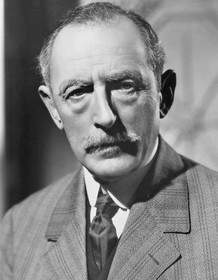
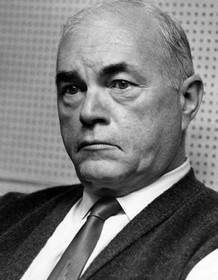
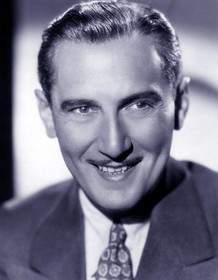
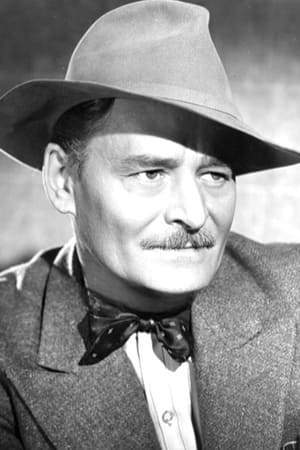
The actors and directors Erwin Kalser shares the most films with. Frank Reicher comes first, with 3 films together, followed by James Flavin (2).

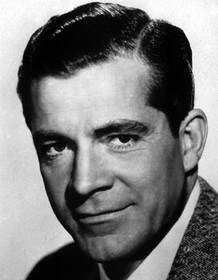
Erwin Kalser: Questions & Answers
How many movies Erwin Kalser has made, the biggest hit, the best-rated film, the award record and more, answered from the filmography above.
How many movies has Erwin Kalser been in?
Erwin Kalser is credited on 12 films, from 1929 to 1944. The filmography on this page lists every one of them, newest first, with the role and the Movie Echo Score.
What is Erwin Kalser's newest movie?
The most recent film on Erwin Kalser's filmography is Strange Affair (1944), in the role of Dr. Brenner.
Who does Erwin Kalser work with most often?
Erwin Kalser shares the most films with Frank Reicher (3 films), James Flavin (2 films) and Paul Lukas (2 films).
The Best Erwin Kalser Movies, Ranked
Top rated, most awarded and biggest box office hits from 12 credits.
Coming soon to your phone
The Plot Explained Movie Summary App
From blockbusters to hidden gems: plot summaries, endings explained and timelines on your phone. Save your favorites and never miss a twist again.
Be the first to know when it launches. Your email stays private, always. Learn more about the app
