Dressed to Kill 1941



A detective’s wedding is postponed when gunshots are heard nearby.


Does Dressed to Kill have end credit scenes?
No!
Dressed to Kill does not have end credit scenes. You can leave when the credits roll.
Where to Watch Dressed to Kill
See current US streaming, rental, and purchase options for Dressed to Kill (1941) via JustWatch.

Amazon Prime Video
HD
Amazon Prime Video with Ads
HD
FlixFling
SD
fuboTV
HD
IndieFlix Shorts Amazon Channel
HD
MGM Plus
HD
MGM+ Amazon Channel
SD
Philo
HD
Starz
SD
Starz Amazon Channel
SD
Starz Apple TV channel
SD
Troma NOW
SD
YouTube TV
HD
Darkroom
HD
Fawesome
HD
FlixHouse
HD
Hoopla
SD
JustWatch TV
HD
Kanopy
HD
Public Domain Movies
SD
Amazon Prime Video Free with Ads
HD
Cineverse
HD
DistroTV
HD
Mometu
HD
Plex
HD
Plex Channel
HD
Pluto TV
SD
The Roku Channel
HD
Tubi TV
SD
Xumo Play
HD
Amazon Video
HD
Apple TV Store
4K
Fandango At Home
SD Streaming availability powered by 
Meet the Full Cast and Actors of Dressed to Kill
Explore the complete cast of Dressed to Kill, including both lead and supporting actors. Learn who plays each character, discover their past roles and achievements, and find out what makes this ensemble cast stand out in the world of film and television.
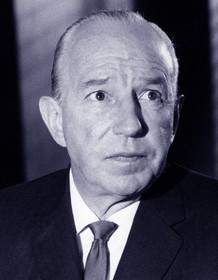
Lloyd Nolan
Michael Shayne

Henry Daniell
Julian Davis
Charles Trowbridge
David Earle
William Demarest
Inspector Pierson
Charles C. Wilson
Newspaper Editor
Mantan Moreland
Rusty
Mary Beth Hughes
Joanne La Marre
Charles Arnt
Hal Brennon
Virginia Brissac
Lynne Evans
Ben Carter
Sam
Sheila Ryan
Connie Earle
William Benedict
Singing Telegram Boy
Eugene Forde
Dick Rich
Al -Police Detective
Emmett Vogan
Smiley Joe Bishop
Milton Parsons
Max Allaron
Harry Tyler
Stage Manager
Minerva Urecal
Landlady
Spec O'Donnell
Elevator Operator
May Beatty
Phyllis Lathrop
Erwin Kalser
Otto Kuhn
External Links and Streaming Options
Discover where to watch Dressed to Kill online, including streaming platforms, rental options, and official sources. Compare reviews, ratings, and in-depth movie information across sites like IMDb, TMDb, Wikipedia or Letterboxd.





Take the Ultimate Dressed to Kill Movie Quiz
Challenge your knowledge of Dressed to Kill with this fun and interactive movie quiz. Test yourself on key plot points, iconic characters, hidden details, and memorable moments to see how well you really know the film.
Dressed to Kill (1941) Quiz: Test your knowledge of the classic 1941 mystery film Dressed to Kill, featuring detective Michael Shayne, backstage intrigue, and unexpected twists.
What is the name of the private investigator who leads the investigation?
Full Plot Summary and Ending Explained for Dressed to Kill
Read the complete plot summary of Dressed to Kill, including all major events, twists, and the full ending explained in detail. Explore key characters, themes, hidden meanings, and everything you need to understand the story from beginning to end.
Private investigator Michael Shayne [Lloyd Nolan] and his singer fiancée Joanne La Marre [Mary Beth Hughes] are staying in a hotel when a woman’s scream tears through a closed door. The hotel maid, Emily, has discovered two dead people in a room: Louis Lathrop, the hotel and theater owner, and Desiree Vance, one of Lathrop’s leading actresses. Both are dressed in medieval costumes, and Lathrop’s headgear is the dog‑head from a prop, a baffling detail that sets the stage for a twisting, old‑fashioned whodunit.
Police inspector Pierson [William Demarest] arrives and questions the hotel’s manager, Hal Brennon [Charles Arnt], who explains that the costumes come from Lathrop’s long‑ago show, Sweethearts of Paris. Desiree had been the show’s brightest star, and Carlo Ralph had played Beppo the Dog; Shayne can’t help but suspect Carlo given the curious dog head and the history of the production. The room’s atmosphere hints at secrets, and Shayne’s instincts tell him there’s more to the murder than a simple crime of passion.
As the investigation unfolds, the cast’s interwoven loyalties come into sharper focus. David Earle [Charles Trowbridge], another actor in the same show, reveals that Lathrop had hosted a private party to celebrate the production’s anniversary, hinting at old grievances and hidden motives among the troupe. Shayne starts to map the social web around Lathrop, mapping out who stood to gain from his death. He learns that the musical director was Max Allaron [Milton Parsons], a man with a notoriously drinking problem who also resides at the hotel, deepening the mystery with a personal angle that could blur the lines between patronage and betrayal.
The plot thickens when Shayne discovers that Lathrop kept another woman in addition to Desiree, and that the apartment within the building has many entrances and exits—an architectural detail that could conceal a killer or a hidden motive. From Earle’s daughter, Shayne learns that Julian Davis [Henry Daniell], another cast member, had stolen money from Lathrop. He pays a visit to Davis and finds him in the company of Phyllis Lathrop [May Beatty], Louis’ wife. They confess to embezzling funds but insist they are innocent of murder; they hire Shayne to help them prove it, complicating the detective’s case with two seemingly legitimate clients who are not entirely trustworthy.
Shayne pushes deeper, interviewing Allaron and uncovering a chilling contradiction: Carlo Ralph, presumed dead after World War I, appears to have a living‑and‑well cousin in the present, supported by a letter found in Desiree’s room. This revelation unsettles the timeline and casts doubt on the suspects who thought they understood Carlo’s fate. The detective’s persistence leads to a dramatic team effort—Davis is brought to the Lathrop apartment, and a hidden passage to Emily’s room downstairs is exposed. The trio discovers Emily’s body and a note explaining that she had killed Lathrop years earlier after he betrayed her for another woman. Emily, it turns out, was once known as actress Lynne Evans Lynne Evans, a twist that aligns with the theater’s tangled past and reinforces the sense that the show’s history is literally coming back to haunt its people.
Despite the mounting evidence, Shayne remains wary—he suspects Emily did not commit suicide and keeps digging. Back in Lathrop’s apartment, Pierson is knocked unconscious by Allaron in a calculated move that aims to derail the investigation. The quiet arrival of Otto Kuhn [Erwin Kalser], the theater doorman, introduces a new and explosive confession: Otto is Carlo, the former husband of Desiree who was left for Louis Lathrop. Carlo’s motive intertwines jealousy, betrayal, and financial pressure, and he admits to killing Desiree and Lathrop. He also admits to killing Emily, because she had learned too much about him. The confession clarifies the killers’ identities, but it also raises questions about who was truly in control of the theater’s dark history. Allaron had been blackmailing Carlo, using the threat of exposure to extract money and loyalty, and he was seen leaving the apartment just after the killings, a clue that helps piece the puzzle together.
In a climactic confrontation, Pierson regains consciousness and, with Shayne, brings Otto and Allaron to account. The evidence unravels the web of lies and greed that entangled the case, exposing a layered conspiracy: a mix of embezzlement, obsession, blackmail, and one‑time romance that spiraled into murder. With the case finally resolved, Shayne asks Pierson to stand as his best man at his wedding that very day—a reminder of the lightness that still exists beyond the noir shadows. But the scene takes an unexpected turn when Joanne, waiting for Shayne, reveals she has eloped with her former boyfriend, a decision that ends their immediate plans and leaves Shayne alone with the memory of the case and the consequences of waiting too long.
The hotel’s corridors, the show’s dusty prop rooms, and the hidden doors of the past all serve as a stage for a mystery that refuses to stay buried. The story blends classic noir tension with a backstage‑drama vibe, using the theater itself as a character—its costumes, its secrets, and its ghosts guiding every twist. The investigation moves with a careful pace, never rushing to judgment, and each revelation reframes what the audience thought it knew about loyalty, love, and the price of keeping dangerous truths hidden. The finale ties together the disparate strands—blackmail, theft, old loves, and present danger—leaving viewers with a satisfying but morally complex resolution that honors the era’s penchant for stylish whodunits with a touch of melodrama.

Coming soon on iOS and Android
The Plot Explained Mobile App
From blockbusters to hidden gems — dive into movie stories anytime, anywhere. Save your favorites, discover plots faster, and never miss a twist again.
Sign up to be the first to know when we launch. Your email stays private — always.
Explore the mobile appDiscover Film Music Concerts Near You – Live Orchestras Performing Iconic Movie Soundtracks
Immerse yourself in the magic of cinema with live orchestral performances of your favorite film scores. From sweeping Hollywood blockbusters and animated classics to epic fantasy soundtracks, our curated listings connect you to upcoming film music events worldwide.
Explore concert film screenings paired with full orchestra concerts, read detailed event information, and secure your tickets for unforgettable evenings celebrating legendary composers like John Williams, Hans Zimmer, and more.


Cars Featured in Dressed to Kill
Explore all cars featured in Dressed to Kill, including their makes, models, scenes they appear in, and their significance to the plot. A must-read for car enthusiasts and movie buffs alike.
Dressed to Kill Themes and Keywords
Discover the central themes, ideas, and keywords that define the movie’s story, tone, and message. Analyze the film’s deeper meanings, genre influences, and recurring concepts.

Unlock the World of Movies with Our Comprehensive Wiki
Dive into our Movie Wiki for in-depth film encyclopedia entries, including cast biographies, production trivia, plot synopses, behind-the-scenes facts, and thematic analyses. Whether you’re researching iconic directors, exploring genre histories, or discovering hidden easter eggs, our expertly curated movie database has everything you need to fuel your cinematic passion.
Similar Movies To Dressed to Kill You Should Know About
Browse a curated list of movies similar in genre, tone, characters, or story structure. Discover new titles like the one you're watching, perfect for fans of related plots, vibes, or cinematic styles.


Quick Links: Summary, Cast, Ratings, More

What's After the Movie?
Not sure whether to stay after the credits? Find out!
Check out our other apps:

SAT Sphere
Build confidence for the Digital SAT.

Mori Atlas
Discover wild places worth protecting.

Luntero
Search smarter for a home in Amsterdam.

Plot Explained
Unravel movie endings and hidden clues.

Pokechamp
Dive into Pokémon data and battle logic.

Driving Theory
Get ready for your European theory test.

Movie Dust
Plan your next cinema trip with ease.

Musemap
Find art and culture as you travel.

Selkobase
Compare credentials before committing.

Local Manual
Turn an unfamiliar country into practical next steps.

Lernavi
Compare school systems before your next move.

GymRoam
Find a workout stop wherever your plans take you.
Explore Our Movie Platform
New Movie Releases (2026)
Famous Movie Actors
Top Film Production Studios
Movie Plot Summaries & Endings
Major Movie Awards & Winners
Best Concert Films & Music Documentaries
Movie Collections and Curated Lists
© 2026 What's After the Movie. All rights reserved.
Privacy Policy