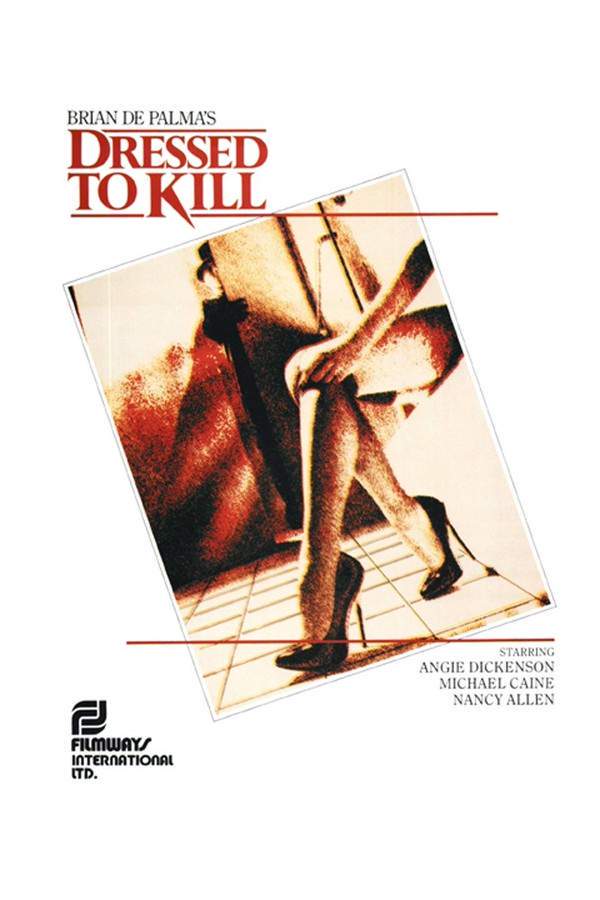
What Is Dressed to Kill About?
The premise of Dressed to Kill in 332 words, with nothing given away. The full story follows below.
In the quiet moments before his wedding, a private investigator finds his plans shattered when the night is broken by distant gunshots that echo through a bustling hotel bordering an old‑world theater. The sudden clang of conflict forces the celebration to be postponed, pulling the detective into an atmosphere thick with the scent of fresh stage paint, rustling silk costumes, and the whispered histories of performers who once lit up the footlights. The city’s neon‑lit streets and the hotel’s dim corridors set a tone of classic noir, where every shadow seems to hold a secret waiting to be uncovered.
Michael Shayne arrives at the hotel with his fiancée, singer Joanne La Marre, their affection evident amid the looming uncertainty. Shayne’s trademark mix of street‑wise intuition and dry wit makes him a natural fit for the tangled world of backstage intrigue, while Joanne’s vibrant presence adds both warmth and a hint of vulnerability to the pair’s dynamic. As the couple settles in, the arrival of a seasoned police inspector, Pierson, adds an official edge to the unfolding mystery, hinting that the disturbances may be more than a random outburst.
The hotel’s eclectic staff and the theater’s cast—players, managers, and behind‑the‑scenes hands—populate the scene with a colorful array of personalities, each carrying its own grudges and ambitions. The manager, Hal Brennon, offers a courteous façade that masks the undercurrents of rivalry, while the maid, Emily, moves quietly through the corridors, aware of hidden passages and old prop lore that blur the line between performance and reality. Their interactions suggest a tightly knit community where professional art and personal lives are inextricably linked.
Against this backdrop of glimmering costumes and echoing gunfire, the story promises a slow‑burning investigation steeped in atmosphere. The blend of glamour, lingering resentment, and the detective’s relentless curiosity creates a compelling stage—one where every whispered conversation and flickering light could illuminate the truth behind the midnight disturbances, all while the clock ticks toward a postponed nuptial that hangs in uncertain balance.
What Happens in Dressed to Kill?
The complete story of Dressed to Kill, from the first scene to the last, in 910 words (about 4 minutes). Spoilers throughout. Names in the text link to 1 cast member page.
Spoilers ahead
Private investigator Michael Shayne [Lloyd Nolan] and his singer fiancée Joanne La Marre [Mary Beth Hughes] are staying in a hotel when a woman’s scream tears through a closed door. The hotel maid, Emily, has discovered two dead people in a room: Louis Lathrop, the hotel and theater owner, and Desiree Vance, one of Lathrop’s leading actresses. Both are dressed in medieval costumes, and Lathrop’s headgear is the dog‑head from a prop, a baffling detail that sets the stage for a twisting, old‑fashioned whodunit.
Police inspector Pierson [William Demarest] arrives and questions the hotel’s manager, Hal Brennon [Charles Arnt], who explains that the costumes come from Lathrop’s long‑ago show, Sweethearts of Paris. Desiree had been the show’s brightest star, and Carlo Ralph had played Beppo the Dog; Shayne can’t help but suspect Carlo given the curious dog head and the history of the production. The room’s atmosphere hints at secrets, and Shayne’s instincts tell him there’s more to the murder than a simple crime of passion.
As the investigation unfolds, the cast’s interwoven loyalties come into sharper focus. David Earle [Charles Trowbridge], another actor in the same show, reveals that Lathrop had hosted a private party to celebrate the production’s anniversary, hinting at old grievances and hidden motives among the troupe. Shayne starts to map the social web around Lathrop, mapping out who stood to gain from his death. He learns that the musical director was Max Allaron [Milton Parsons], a man with a notoriously drinking problem who also resides at the hotel, deepening the mystery with a personal angle that could blur the lines between patronage and betrayal.
The plot thickens when Shayne discovers that Lathrop kept another woman in addition to Desiree, and that the apartment within the building has many entrances and exits—an architectural detail that could conceal a killer or a hidden motive. From Earle’s daughter, Shayne learns that Julian Davis [Henry Daniell], another cast member, had stolen money from Lathrop. He pays a visit to Davis and finds him in the company of Phyllis Lathrop [May Beatty], Louis’ wife. They confess to embezzling funds but insist they are innocent of murder; they hire Shayne to help them prove it, complicating the detective’s case with two seemingly legitimate clients who are not entirely trustworthy.
Shayne pushes deeper, interviewing Allaron and uncovering a chilling contradiction: Carlo Ralph, presumed dead after World War I, appears to have a living‑and‑well cousin in the present, supported by a letter found in Desiree’s room. This revelation unsettles the timeline and casts doubt on the suspects who thought they understood Carlo’s fate. The detective’s persistence leads to a dramatic team effort—Davis is brought to the Lathrop apartment, and a hidden passage to Emily’s room downstairs is exposed. The trio discovers Emily’s body and a note explaining that she had killed Lathrop years earlier after he betrayed her for another woman. Emily, it turns out, was once known as actress Lynne Evans Lynne Evans, a twist that aligns with the theater’s tangled past and reinforces the sense that the show’s history is literally coming back to haunt its people.
Despite the mounting evidence, Shayne remains wary—he suspects Emily did not commit suicide and keeps digging. Back in Lathrop’s apartment, Pierson is knocked unconscious by Allaron in a calculated move that aims to derail the investigation. The quiet arrival of Otto Kuhn [Erwin Kalser], the theater doorman, introduces a new and explosive confession: Otto is Carlo, the former husband of Desiree who was left for Louis Lathrop. Carlo’s motive intertwines jealousy, betrayal, and financial pressure, and he admits to killing Desiree and Lathrop. He also admits to killing Emily, because she had learned too much about him. The confession clarifies the killers’ identities, but it also raises questions about who was truly in control of the theater’s dark history. Allaron had been blackmailing Carlo, using the threat of exposure to extract money and loyalty, and he was seen leaving the apartment just after the killings, a clue that helps piece the puzzle together.
In a climactic confrontation, Pierson regains consciousness and, with Shayne, brings Otto and Allaron to account. The evidence unravels the web of lies and greed that entangled the case, exposing a layered conspiracy: a mix of embezzlement, obsession, blackmail, and one‑time romance that spiraled into murder. With the case finally resolved, Shayne asks Pierson to stand as his best man at his wedding that very day—a reminder of the lightness that still exists beyond the noir shadows. But the scene takes an unexpected turn when Joanne, waiting for Shayne, reveals she has eloped with her former boyfriend, a decision that ends their immediate plans and leaves Shayne alone with the memory of the case and the consequences of waiting too long.
The hotel’s corridors, the show’s dusty prop rooms, and the hidden doors of the past all serve as a stage for a mystery that refuses to stay buried. The story blends classic noir tension with a backstage‑drama vibe, using the theater itself as a character—its costumes, its secrets, and its ghosts guiding every twist. The investigation moves with a careful pace, never rushing to judgment, and each revelation reframes what the audience thought it knew about loyalty, love, and the price of keeping dangerous truths hidden. The finale ties together the disparate strands—blackmail, theft, old loves, and present danger—leaving viewers with a satisfying but morally complex resolution that honors the era’s penchant for stylish whodunits with a touch of melodrama.
Dressed to Kill Timeline: Every Key Event in Order
11 key events in the order they happen, from “Scream and discovery of a double murder” to “Wedding plans dashed by a new twist”. 11 events name a place, across 5 locations.
- 1
Scream and discovery of a double murder
Michael Shayne and his fiancée Joanne hear a scream from a hotel room and rush to investigate. The hotel maid Emily reveals two dead people, Louis Lathrop and Desiree Vance, both dressed in medieval costumes, with Lathrop wearing the dog head. Police arrive and the hotel manager Hal Brennon explains that the costumes come from Lathrop's old show.
When:Night Where:Hotel
- 2
Past show connections surface
Police inspector Pierson questions the manager and learns the costumes come from Sweethearts of Paris, Lathrop's past success. Desiree had been the show's leading lady, and Carlo Ralph played Beppo the Dog. This link suggests motives rooted in the former production.
When:Night Where:Hotel
- 3
Private party and the musical director
Shayne discovers that Lathrop hosted a private anniversary party for the entire cast. He checks the production list and finds Max Allaron, the musical director who is an alcoholic and also lives at the hotel. The discovery adds another potential suspect connected to Lathrop's world.
When:Evening Where:Hotel
- 4
Embezzlement hints and a hired investigator
From Earle's daughter, Shayne learns that Julian Davis stole money from Lathrop. Shayne visits Davis and finds him with Phyllis Lathrop. They confess to embezzling funds but insist they are innocent of murder and hire Shayne to prove it.
When:Evening Where:Davis's residence
- 5
Carlo's alive twist revealed
Shayne interrogates Allaron and learns Carlo supposedly died in World War I in France. A letter from Carlo in Desiree's room proves that Carlo is still alive. The discovery ties Carlo directly to the case and Allaron's leverage.
When:Evening Where:Desiree's room
- 6
Hidden passage uncovers Emily's room
Shayne brings Davis to the Lathrop apartment and they discover a hidden passage to the maid Emily's room downstairs. They find Emily's dead body and a note explaining that she killed Lathrop years earlier after betrayal. Emily was once known as actress Lynn Evans.
When:Night Where:Lathrop apartment and maid Emily's room
- 7
Skepticism about Emily's suicide
Shayne doubts that Emily killed herself and continues the search for the killer. He connects the past betrayals and the hidden room to the ongoing investigation. The trail points to more players than just Emily.
When:Night Where:Lathrop apartment
- 8
Pierson is knocked unconscious
Back in the apartment, Pierson is knocked unconscious in the next room by Allaron. The disruption raises the stakes and shows the killer is still at large. Shayne must press on despite the setback.
When:Night Where:Lathrop apartment
- 9
Otto Kahn confession: Carlo revealed
Otto Kahn, the theater doorman, arrives and confesses that he killed Lathrop and Desiree. He is really Carlo Ralph, Desiree's former husband who had been left for Lathrop. He also killed Emily because she had discovered too much about him, while Allaron had been blackmailing Carlo.
When:Night Where:Lathrop apartment
- 10
Confrontation and capture
While Carlo explains his actions, Pierson regains consciousness and, with Shayne, overpowers Otto and Allaron. The immediate danger ends as the truth comes to light. The two killers are restrained and the case nears its resolution.
When:Night Where:Lathrop apartment
- 11
Wedding plans dashed by a new twist
Shayne asks Pierson to be his best man at the wedding later in the day. He then learns that Joanne has eloped with her ex-boyfriend, tired of waiting for him. The personal twist closes the case on a somber note while leaving Shayne's professional victory intact.
When:Later that day Where:Hotel
Who Are the Main Characters in Dressed to Kill?
13 characters, among them Michael Shayne (Lloyd Nolan), Joanne La Marre (Mary Beth Hughes) and Inspector Pierson (William Demarest): who each one is and the part they play in the story. 10 of them link to the actor’s page.
-
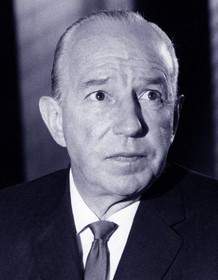
Michael Shayne (Lloyd Nolan)
Played by Lloyd Nolan
A seasoned private investigator with sharp instincts and a calm demeanor. He pieces together clues from the hotel’s social fabric, noticing small details—like the dog‑head prop—that hint at a deeper conspiracy. His persistence and logical approach push the case toward a layered solution rather than a quick verdict.
- 🕵️ Private Investigator
- 🧩 Puzzle-solver
- 🎬 Showbiz insider
- JL
Joanne La Marre (Mary Beth Hughes)
Played by Mary Beth Hughes
A singer engaged to Shayne, she moves through the hotel nightlife with charm and vulnerability. Her involvement with the case and the revelation of her past complicate Shayne’s trust. Her decision to elope at the end adds emotional weight to the resolution.
- 🎤 Performer
- 💘 Love interest
- 🎹 Singer
- IP
Inspector Pierson (William Demarest)
Played by William Demarest
The police inspector overseeing the investigation with steady authority. He collaborates with Shayne, though the plot shows him being knocked unconscious, illustrating the noir world’s unpredictable danger. His presence grounds the investigation amid shifting loyalties.
- 🔎 Detective
- 🧭 Procedural
- 🏛 Authority
- HB
Hal Brennon (Charles Arnt)
Played by Charles Arnt
Hotel manager who explains the origin of the costumes and oversees the building’s operations. He acts as a gatekeeper to the troupe’s secrets and the hotel’s hidden corners, providing essential context about the show’s history and the tensions within the company.
- 🏨 Hotel Manager
- 🗝 Gatekeeper
- 🗺 Secret corridors
- DV
Desiree Vance
The show’s brightest star and a focal point of the troupe’s tensions. Her murder exposes rivalries and past entanglements within the company, making her more than just a victim in the eyes of the investigation.
- 🎭 Actress
- 💔 Star
- 🎬 Stage icon
- LL
Louis Lathrop
The theater owner whose death triggers the unraveling of old grievances and hidden financial schemes among the cast and crew.
- 🏢 Theater owner
- 💼 Wealthy patron
- 🧩 Motive builder
- CR
Carlo Ralph
An actor tied to a past production; his fate and presence are tied to the show’s history and lingering grudges within the troupe.
- 🎭 Actor
- 🧩 Hidden past
- 💥 Rivalry
- DE
David Earle (Charles Trowbridge)
Played by Charles Trowbridge
An actor who hints at old grievances and hints at hidden loyalties within the company, driving Shayne to map the troupe’s social web.
- 🎭 Actor
- 💬 Grievances
- 🔗 Old ties
- JD
Julian Davis (Henry Daniell)
Played by Henry Daniell
A cast member who had stolen money from Lathrop; he becomes a suspect whose actions complicate the motive landscape.
- 🎭 Cast member
- 💸 Embezzler
- 🔒 Suspicious
- MA
Max Allaron (Milton Parsons)
Played by Milton Parsons
The musical director with a drinking problem who also resides at the hotel; his role widens the web of blackmail and personal betrayal. He becomes a pivotal piece in the financial intrigue surrounding Lathrop’s circle.
- 🎼 Musical director
- 🍷 Drinker
- 🗝 Blackmailer
- PL
Phyllis Lathrop (May Beatty)
Played by May Beatty
Louis Lathrop’s wife, who confesses to embezzling funds but insists she is not the murderer. Her actions reveal how financial desperation can ripple into deadly outcomes.
- 🎭 Wife of Louis
- 💰 Embezzler
- 🧭 Motives
- LE
Lynne Evans / Emily
Played by Virginia Brissac
Emily the hotel maid who is later revealed to be Lynne Evans, adding a shocking twist about identity and past relationships tied to Desiree and Lathrop. Her knowledge of the hotel’s quiet corners makes her a dangerous informant and a key to solving the case.
- 🎭 Actress / Maid
- 🗝 Hidden identity
- 🧼 Domestic
- OK
Otto Kuhn (Erwin Kalser)
Played by Erwin Kalser
The theater doorman who delivers a dramatic confession revealing the killer’s identity and motive. His arrival shifts the investigation from suspicion to a clear accounting of the crimes.
- 🚪 Doorman
- 🗝 Confessor
- 🎭 Theater insider
Where and When Is Dressed to Kill Set?
Dressed to Kill is set in Hotel, Theater and Backstage (1940s). Here is why the time and place matter to the story.
When
1940s
Set in the early 1940s, the film embodies the polished noir mood of American cinema before World War II reshaped popular culture. The hotel and theater world provide a glamorous yet treacherous backdrop where appearances mask ulterior motives. The period’s fashion, social networks, and the economics of show business shape motives and loyalties throughout the investigation.
Where
Hotel, Theater, Backstage
The story unfolds primarily inside a grand hotel that doubles as a theater venue. Its corridors, dusty prop rooms, and hidden passages create a backstage atmosphere that fuels the mystery. The show’s history and the troupe’s presence turn the hotel into a living stage where secrets move as easily as the guests.
- 🎭 Theater
- 🏨 Hotel
- 🔎 Mystery
What Are the Themes of Dressed to Kill?
3 ideas the story keeps returning to, among them Backstage Mystery, Greed & Blackmail and Truth vs Deception.
-
01
Backstage Mystery
The backstage world of costumes, props, and hidden doors serves as the perfect disguise for deceit. Characters conceal motives behind polished exteriors, while clues hide in plain sight among stage relics. The setting turns the theater into a maze where truth and illusion continuously collide.
-
02
Greed & Blackmail
A web of embezzlement, blackmail, and financial leverage drives the murders. Patrons and players alike are pulled by money, status, and old debts, undermining trust and amplifying suspicion. The investigation exposes who stood to gain and who merely suffered from others' schemes.
-
03
Truth vs Deception
Truth is fragmented by alibis, hidden identities, and theater tricks. People perform roles both on stage and in private, making it hard to separate witness from suspect. The detective’s deductions rely on piercing contradictions and the courage to challenge convenient narratives.
What Kind of Film Is Dressed to Kill?
Tense in tone, with steady pacing and a moderate story, going by the plot summary.
- Tone
- Tense
- Pacing
- Steady
- Story
- Moderate
- Intensity
- Medium
- Ending
- Bittersweet
A steadily paced, tense noir mystery set in a labyrinthine hotel and theater, where a detective's personal life is complicated by a web of old grievances, blackmail, and murder that refuses to stay buried.
- suspenseful
- atmospheric
- claustrophobic
- noir
- methodical
- melancholic
- crime investigation
- murder
- blackmail
- betrayal
Content notes: murder, blackmail.
Quiz
How well do you remember Dressed to Kill? Test yourself on the story.