Pressure Point 1962


A volatile clash erupts between two men who have turned against the world and each other. An African‑American prison psychiatrist is forced to confront his own limits when he is assigned to counsel a troubled inmate whose bigoted, Nazi‑inspired beliefs threaten to break the fragile order of the facility.


Does Pressure Point have end credit scenes?
No!
Pressure Point does not have end credit scenes. You can leave when the credits roll.
Meet the Full Cast and Actors of Pressure Point
Explore the complete cast of Pressure Point, including both lead and supporting actors. Learn who plays each character, discover their past roles and achievements, and find out what makes this ensemble cast stand out in the world of film and television.

Sidney Poitier
Doctor

Peter Falk
Young Psychiatrist
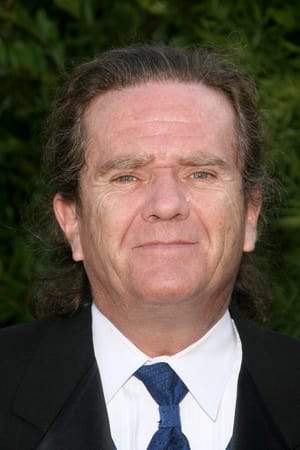
Butch Patrick
Imaginary Playmate

James Anderson
Father
Anne Barton
Mother
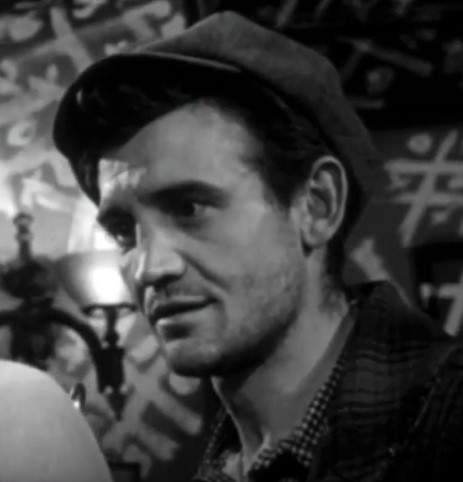
Richard Bakalyan
Jimmy
George Murdock
Howard Caine
Tavern Owner
Bobby Darin
Patient
Barry Gordon
Patient (as a boy)
Carl Benton Reid
Chief Medical Officer
Benjie Bancroft
Yvette Vickers
Drunken Woman
Max Wagner
Michael Jeffers
Lars Hensen
Mary Munday
Bar Hostess
Jack Perrin
William H. O'Brien
Bund Meeting Spectator
Bud Cokes
Jimmie Horan
Patient
Ethan Laidlaw
Chalky Williams
Harry Wilson
Mike Morelli
Phil Schumacher
Gilbert Green
Jewish Father
Gil Perkins
Frank Maxwell
Bund Meeting Spectator
Clegg Hoyt
Pete
Duke Fishman
Tiger Joe Marsh
Lynn Loring
Jewish Girl
Clyde McLeod
Herman Rudin
External Links and Streaming Options
Discover where to watch Pressure Point online, including streaming platforms, rental options, and official sources. Compare reviews, ratings, and in-depth movie information across sites like IMDb, TMDb, Wikipedia or Letterboxd.




Take the Ultimate Pressure Point Movie Quiz
Challenge your knowledge of Pressure Point with this fun and interactive movie quiz. Test yourself on key plot points, iconic characters, hidden details, and memorable moments to see how well you really know the film.
Pressure Point (1962) Quiz: Test your knowledge of the 1962 film *Pressure Point*, its characters, plot twists, and thematic elements.
Which actor plays the young doctor who struggles with the difficult patient?
Full Plot Summary and Ending Explained for Pressure Point
Read the complete plot summary of Pressure Point, including all major events, twists, and the full ending explained in detail. Explore key characters, themes, hidden meanings, and everything you need to understand the story from beginning to end.
Set in a 1962 psychiatric institution, the film centers on a tense dynamic between a young doctor Peter Falk on a staff headed by a senior psychiatrist Sidney Poitier, and a Black patient who detests him because he is white. For seven and a half months, the young doctor struggles to land a breakthrough, growing increasingly weary and even requesting that the patient be reassigned to another clinician. The senior psychiatrist, drawing on a hard‑won experience from two decades earlier, shares a memory from 1942 when he worked as a psychiatrist at a federal penitentiary and encountered a Nazi sympathizer who would shape his own approach to care.
In a flashback, a new prisoner Bobby Darin arrives and is assigned to the doctor. The inmate is openly racist and has been arrested for sedition due to his Nazi sympathies. He taunts the doctor, who responds with a stark, unsettling line: > I’d like to kill you, but I want to help you. This moment sets the tone for a complex, coercive push‑and‑pull between healer and patient.
Over time, the prisoner’s sleep disorders and recurring blackouts push him to recount traumas from his life, especially those from childhood. The narrative unfolds through flashbacks that reveal a harsh, impoverished upbringing during the Great Depression, including an encounter with a kind, young woman who seemed open to a relationship. Her father blocks the romance, and the revelation that the family was Jewish becomes a crucial thread that, alongside his other deep-seated problems, steers him toward Nazism.
Against the doctor’s recommendation, the psychiatric staff decide to parole the prisoner, arguing that the doctor’s concerns are biased by his alleged racism and his perceived devotion to Nazism. The tension between judgment and mercy, science and sentiment, drives the moral hazard at the story’s core.
Back in the present, the senior doctor reveals that the Nazi prisoner was released and later executed for beating an old man to death for no reason. This revelation hardens the young doctor’s resolve, and he vows to continue working with this difficult patient, recognizing that the path to understanding—and perhaps healing—lies in confronting the darkest corners of a troubled mind.

Coming soon on iOS and Android
The Plot Explained Mobile App
From blockbusters to hidden gems — dive into movie stories anytime, anywhere. Save your favorites, discover plots faster, and never miss a twist again.
Sign up to be the first to know when we launch. Your email stays private — always.
Explore the mobile appWatch Trailers, Clips & Behind-the-Scenes for Pressure Point
Watch official trailers, exclusive clips, cast interviews, and behind-the-scenes footage from Pressure Point. Dive deeper into the making of the film, its standout moments, and key production insights.
Pressure Point Themes and Keywords
Discover the central themes, ideas, and keywords that define the movie’s story, tone, and message. Analyze the film’s deeper meanings, genre influences, and recurring concepts.
Pressure Point Other Names and Titles
Explore the various alternative titles, translations, and other names used for Pressure Point across different regions and languages. Understand how the film is marketed and recognized worldwide.
Similar Movies To Pressure Point You Should Know About
Browse a curated list of movies similar in genre, tone, characters, or story structure. Discover new titles like the one you're watching, perfect for fans of related plots, vibes, or cinematic styles.





Quick Links: Summary, Cast, Ratings, More

What's After the Movie?
Not sure whether to stay after the credits? Find out!
Check out our other apps:

SAT Sphere
Build confidence for the Digital SAT.

Mori Atlas
Discover wild places worth protecting.

Luntero
Search smarter for a home in Amsterdam.

Plot Explained
Unravel movie endings and hidden clues.

Pokechamp
Dive into Pokémon data and battle logic.

Driving Theory
Get ready for your European theory test.

Movie Dust
Plan your next cinema trip with ease.

Musemap
Find art and culture as you travel.

Selkobase
Compare credentials before committing.

Local Manual
Turn an unfamiliar country into practical next steps.

Lernavi
Compare school systems before your next move.

GymRoam
Find a workout stop wherever your plans take you.
Explore Our Movie Platform
New Movie Releases (2026)
Famous Movie Actors
Top Film Production Studios
Movie Plot Summaries & Endings
Major Movie Awards & Winners
Best Concert Films & Music Documentaries
Movie Collections and Curated Lists
© 2026 What's After the Movie. All rights reserved.
Privacy Policy