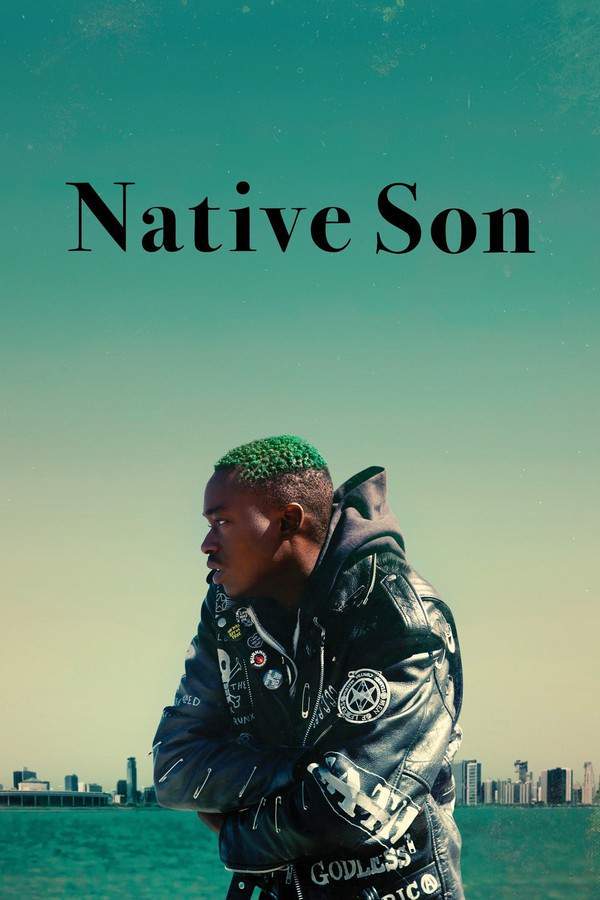
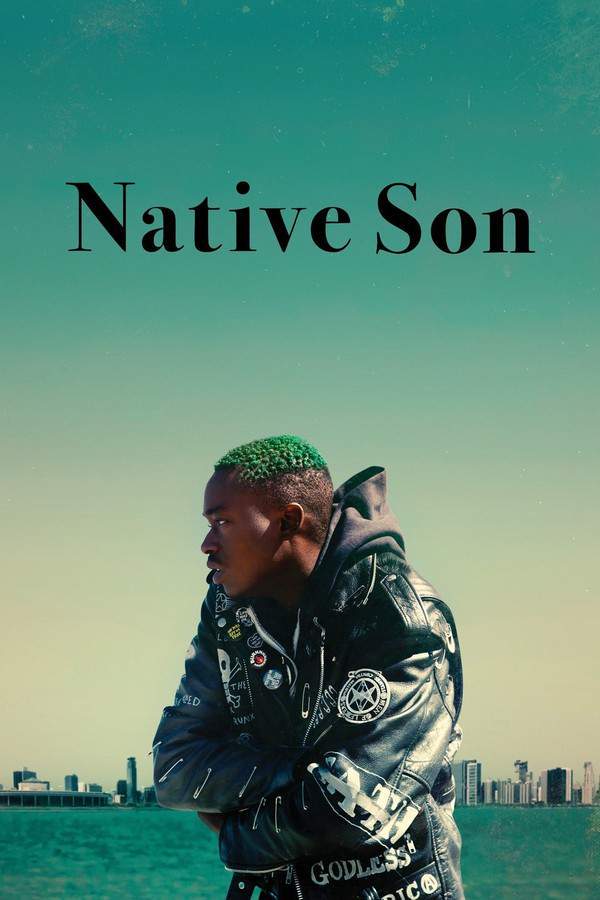
What Is Native Son About?
The premise of Native Son in 324 words, with nothing given away. The full story follows below.
In the smoky streets of 1940s Chicago, the city pulses between booming industry and deep-seated segregation. The glitter of the downtown skyline casts long shadows over cramped tenements, where hope is measured in wages and whispered dreams. Against this backdrop, the line between the privileged suburbs and the struggling neighborhoods is both a physical and psychological divide, shaping every interaction with a quiet, ever‑present tension.
Bigger Thomas is a young Black man whose quiet determination drives him to take a job as a chauffeur for a prosperous white family living beyond the city’s iron gates. He carries the weight of his mother’s finances and the desire to prove himself, navigating a world where the comfort of his employer’s car contrasts starkly with the hardships of his own block. His steady hands and cautious mind hide an inner conflict, as he balances loyalty to his family with the unspoken expectations of those he serves.
The Dalton household—presided over by the stern Mr. Dalton and overseen by the gentle, blind Mrs. Dalton—exudes the calm of upper‑class privilege. Their daughter, Mary Dalton, radiates the carefree energy of youth, often accompanied by her politically charged boyfriend, Jan, whose rebellious ideas flare against the backdrop of the family’s conventional values. A night out at Ernie’s, a lively Black nightclub, offers a fleeting glimpse of the cultural crossroads that define the city, pulling the Daltons briefly into a world just beyond their usual horizons.
When an unforeseen incident unfolds behind the closed doors of the Dalton residence, the fragile veneer of order begins to crack. Bigger finds himself caught in a moment that forces a desperate choice, one that threatens to expose the simmering racial tensions simmering beneath the surface of the community. The ensuing scandal, hinted at in whispers along the streets, promises to challenge the consciences of both the privileged and the oppressed, setting the stage for a deeper examination of justice, fear, and the cost of silence.
What Happens in Native Son?
The complete story of Native Son, from the first scene to the last, in 233 words (about 1 minute). Spoilers throughout. Names in the text link to 5 cast member pages.
Spoilers ahead
Set in Chicago in the 1930s, Bigger Thomas, Victor Love, an African American man living in an impoverished neighborhood, takes a job as a chauffeur for a prosperous white family who live in the suburbs of a major city. The money he earns will help supplement his mother’s income. As a chauffeur, he is directed by the father of the family to drive Mary Dalton, Elizabeth McGovern, to the university, but Mary decides to pick up her Socialist boyfriend, Jan, Matt Dillon, and to spend the time drinking and partying.
Together with the couple, Bigger accompanies them into a Black neighborhood with Ernie’s, a Black nightclub, for entertainment.
On the way home, Mary becomes inebriated and Bigger must get her to her bedroom without being detected. Mary’s mother, Mrs. Dalton, Carroll Baker, who is blind, enters the room and Bigger panics at the thought of being caught with a white woman. He accidentally kills Mary by placing a pillow over her head to keep her quiet. Still frightened, Bigger disposes of the body in the furnace, possibly because he fears he would not get a fair trial for the death of a white woman. Meanwhile, Jan is wanted by the police for Mary’s murder, and Bigger plays a role in the accusations against him. Mr. Dalton, John McMartin, the family patriarch, looms in the background as the social barrier that shapes Bigger’s choices.
Native Son Timeline: Every Key Event in Order
11 key events in the order they happen, from “Bigger Thomas begins his job as a chauffeur in Chicago” to “Bigger fears lack of a fair trial”. 11 events name a place, across 11 locations.
- 1
Bigger Thomas begins his job as a chauffeur in Chicago
Bigger Thomas starts working as a chauffeur for a wealthy white family in the suburbs of Chicago. The job gives him money he plans to send home to support his mother. The setting highlights the racial and economic divide of 1930s Chicago.
When:1930s Where:Chicago suburbs (home of the wealthy family)
- 2
Money earned to help his mother
The money he earns is intended to supplement his mother’s income and provide a better life for their family. He bears the weight of social expectations and his own ambitions as he earns each paycheck. This motive colors his actions in the events to come.
When:1930s Where:Chicago
- 3
Father asks Bigger to take Mary to the university
The father of the family instructs Bigger to take Mary to the university, placing him in close contact with the daughter and her social circle. This assignment sets in motion the central encounter that leads to the tragedy. It also reflects the rigid class boundaries that constrain Bigger’s life.
When:daytime Where:White family home / on the way to university
- 4
Mary and Jan decide to party instead
Mary decides to pick up her Socialist boyfriend Jan and spend the day drinking and partying instead of going to the university. Their choice pits Bigger in the uncomfortable role of chauffeur and chaperone on an outing into the city. The decision foreshadows the tension between race, class, and politics that runs through the story.
When:evening Where:On the road to or in the city
- 5
Trip to Ernie's nightclub in the black neighborhood
Jan and Mary, with Bigger driving, venture into a Black neighborhood to visit Ernie’s nightclub. The outing challenges social norms and pulls Bigger into a world that feels both dangerous and alluring. The scene exposes the deep social divisions at the heart of the film.
When:night Where:Ernie's nightclub, Chicago's Black neighborhood
- 6
Mary drunk and Bigger seeks to get her home unseen
On the return trip, Mary becomes visibly drunk, and Bigger must get her to her bedroom without arousing suspicion. He fears being found with a white woman in the family home, increasing the pressure on him. The moment escalates into a crisis that will shape what follows.
When:late night Where:White family home
- 7
Mary's mother enters; Bigger panics
Mary’s blind mother enters the room, triggering Bigger’s panic about exposure. He realizes the danger if he is discovered with the white woman. The moment heightens the stakes and pushes him toward a drastic decision.
When:late night Where:Mary’s room, White family home
- 8
Bigger kills Mary with a pillow
In a panic, Bigger kills Mary by pressing a pillow to her head to keep her quiet. The act is not premeditated murder, but it results in a fatal outcome. He hastily decides to dispose of the body to avoid repercussions.
When:immediate aftermath Where:Mary’s room
- 9
Bigger hides the body in the furnace
Bigger hides the body by placing it in the furnace, a drastic measure born of fear of a white woman's death and a biased trial. The disposal marks the moment when an accidental death becomes a crime. He acts to shield himself from consequences.
When:shortly after murder Where:House furnace
- 10
Jan becomes a police suspect for Mary's murder
Jan becomes the target of a police investigation and is wanted for Mary's murder, while Bigger navigates the mounting scrutiny. The two men become connected through fear, rumor, and manipulation as the case unfolds. The situation intensifies the danger surrounding both characters.
When:days after murder Where:Chicago / police precincts
- 11
Bigger fears lack of a fair trial
Bigger fears he would not receive a fair trial and is overwhelmed by the consequences of the crime. His paranoia influences his later choices and reflects the broader biases of the society around him. The fear underscores the tragedy at the heart of the story.
When:later that week Where:Bigger's environment in Chicago
Who Are the Main Characters in Native Son?
6 characters, among them Bigger Thomas (Victor Love), Mary Dalton (Elizabeth McGovern) and Jan (Matt Dillon): who each one is and the part they play in the story. Every profile links to the actor’s page.
- BT
Bigger Thomas (Victor Love)
Played by Victor Love
Bigger Thomas is an African American chauffeur who works for a wealthy white family in the suburbs. He navigates a world shaped by racial prejudice and economic pressure, feeling trapped by his limited options. When confronted with danger and fear, his actions reveal a confusion between self-preservation and moral responsibility.
- ⚖️ Protagonist
- 🚗 Chauffeur
- 🧭 Inner conflict
-

Mary Dalton (Elizabeth McGovern)
Played by Elizabeth McGovern
Mary is the daughter of the wealthy white family. She is a free-spirited, liberal young woman who enjoys socializing with her Socialist boyfriend Jan. Her lively night out with Jan sets off a chain of events that ends in tragedy.
- 💎 Heiress
- 🧭 Liberal views
- 🎉 Party-goer
-
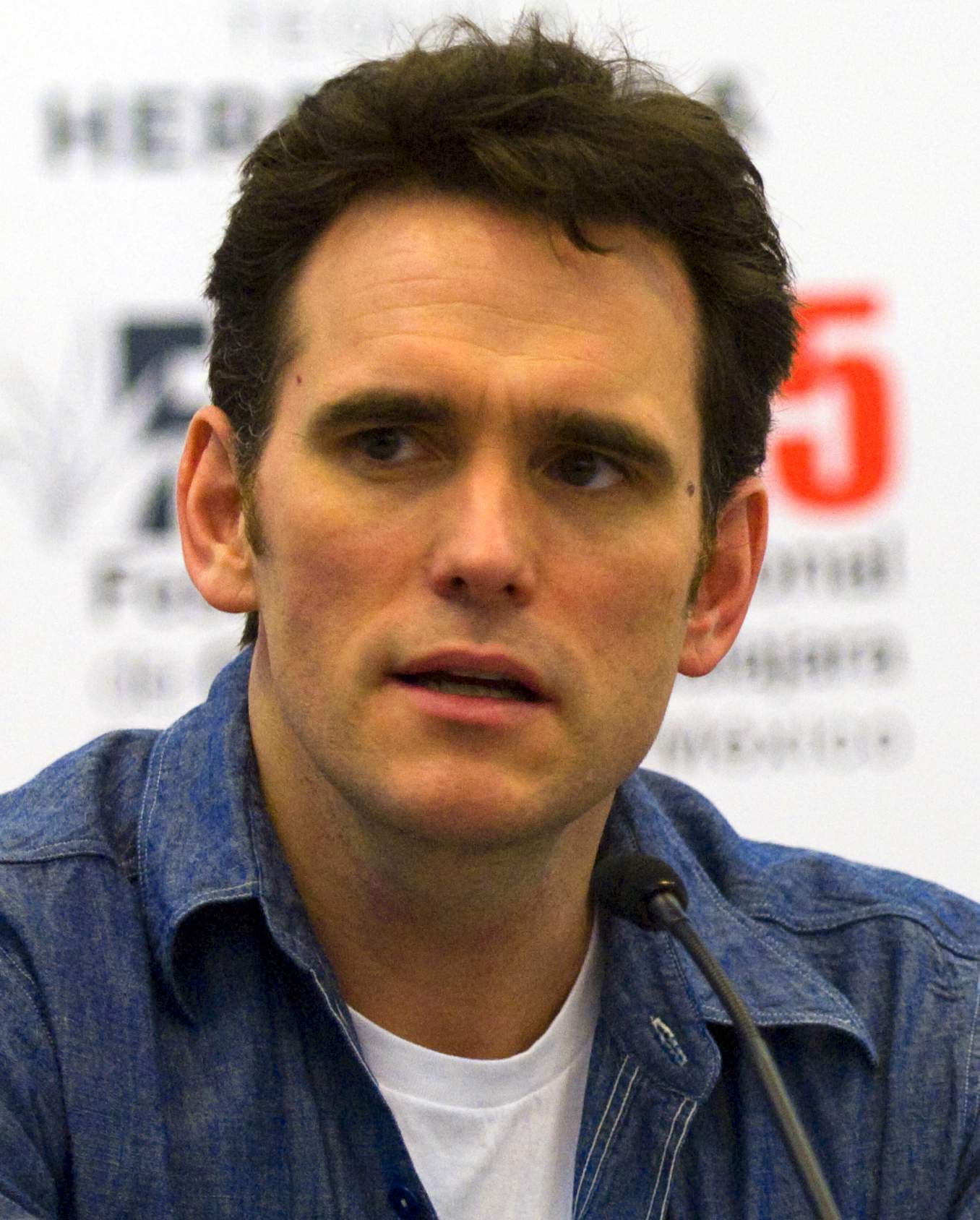
Jan (Matt Dillon)
Played by Matt Dillon
Jan is Mary’s Socialist boyfriend, a liberal and provocative figure who pushes the pair into the black neighborhood for entertainment. His actions and the ensuing scandal place him at odds with the police, making him a focal point of suspicion.
- 🗺️ Romantic partner
- 🧠 Liberal
- 🎭 Rebel
-

Buckley (David Rasche)
Played by David Rasche
Buckley is the father of the white family and Bigger's employer. He directs Bigger to take Mary to the university, establishing the power dynamic that frames the events.
- 💼 Employer
- 👔 Authority
- 🧭 Decision-maker
- MD
Mr. Dalton (John McMartin)
Played by John McMartin
Mr. Dalton is the husband of the family with money and influence. He embodies the social status and expectations that shape Bigger's life and the consequences of his actions.
- 💼 Patriarch
- 🧭 Authority
- 🏛️ Wealth
-
Mrs. Dalton (Carroll Baker)
Played by Carroll Baker
Mrs. Dalton is Mary’s mother and a blind woman whose presence heightens Bigger's fear of being discovered with a white woman. Her role illustrates the household's domestic vulnerability and the social risks involved.
- 🧓 Mother figure
- 👁️ Blindness
- 🏠 Household
Where and When Is Native Son Set?
Native Son is set in Chicago and Illinois (1930s). Here is why the time and place matter to the story.
When
1930s
The events take place in the midst of the Great Depression-era North, where economic desperation and racial tensions intensify daily life. The era's social norms enforce strict boundaries between white employers and Black workers, and between men and women, influencing the characters' actions and fears. The period provides the backdrop for a tragedy rooted in power, prejudice, and fragile justice.
Where
Chicago, Illinois
Set in Chicago during the 1930s, the story unfolds against an urban landscape of stark class divides and segregated neighborhoods. Bigger Thomas lives in a poverty-stricken Black neighborhood while his employers inhabit the suburbs in relative affluence. The city’s pressures, economic hardship, and racial hierarchies shape every choice the characters make.
- 🏙️ Chicago
- 🗺️ Urban setting
- ⚖️ Segregation
What Are the Themes of Native Son?
3 ideas the story keeps returning to, among them Racial Tension, Guilt and Power & Exploitation.
-
01
Racial Tension
The film situates Bigger's life within a racially divided city where wealth and opportunity are reserved for white faces. The balance of power between a prosperous white family and a Black chauffeur reveals the systemic prejudice that shapes choices and outcomes. The neighborhood's atmosphere and social codes push Bigger toward defensive actions when faced with danger and scrutiny. The tragedy exposes how judgment and bias can steer ordinary acts into irreversible consequences.
-
02
Guilt
Bigger's fear after accidentally killing Mary exposes the weight of guilt and the fragility of his moral boundaries. His attempts to cover up the act reflect both self-preservation and the crushing pressure of a society that would deny him justice. The film traces how a single, unintended act spirals into a broader catastrophe that entangles Jan and the family. Guilt becomes a driving force that shapes choices and the perception of truth.
-
03
Power & Exploitation
Bigger is employed by a wealthy white family, illustrating class power dynamics that restrict his autonomy and define his fate. The relationship between employer and employee becomes a microcosm of racial and economic exploitation in 1930s America. The act of disposing of the body and the cover-up highlight how those in power control narratives and legal outcomes. The story uses this imbalance to critique a system that punishes the vulnerable while protecting the privileged.
What Kind of Film Is Native Son?
Dark in tone, with steady pacing and a moderate story, going by the plot summary.
- Tone
- Dark
- Pacing
- Steady
- Story
- Moderate
- Intensity
- High
A steadily paced, dark drama that generates oppressive tension as a young man's life unravels following a tragic accident, creating a grim and anxious atmosphere throughout.
- anxious
- paranoid
- oppressive
- grim
- desperate
- tense
- racial injustice
- accidental death
- panic and cover-up
- legal drama
Content notes: accidental death, murder, racial injustice, capital punishment.
Quiz
How well do you remember Native Son? Test yourself on the story.