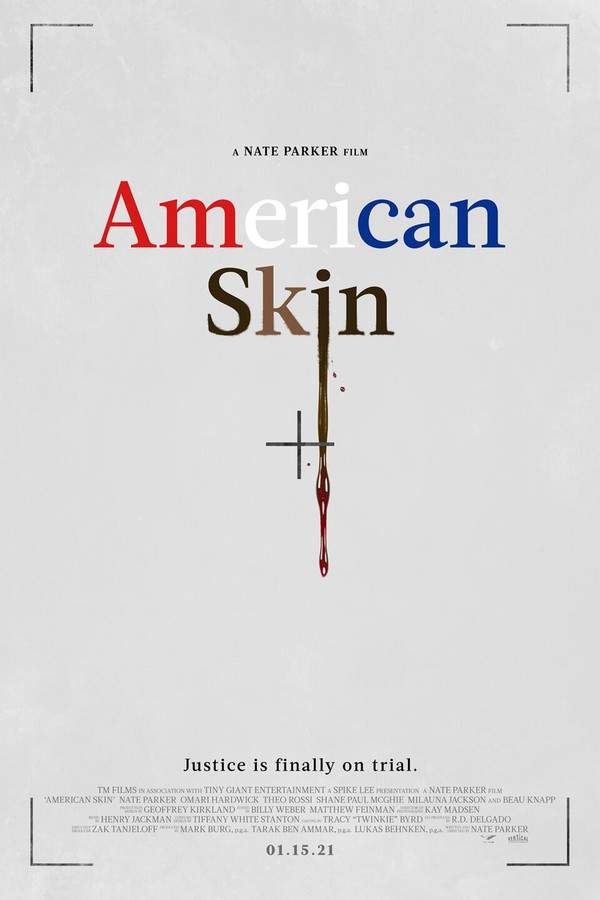
What Is American Skin About?
The premise of American Skin in 326 words, with nothing given away. The full story follows below.
In a city where the divide between privilege and poverty is palpable, Lincoln Jefferson lives a quiet, disciplined life after leaving the Marine Corps. Recently divorced and haunted by the memories of war, he takes a modest job as a janitor at an elite private school, hoping to give his teenage son, Kajani Jefferson, a chance at a future unburdened by the obstacles many Black youths face. Their daily routine—early mornings, late‑night drives through affluent neighborhoods, and a close‑knit bond forged by sacrifice—paints a picture of a family seeking stability against a backdrop of systemic tension.
One night, a routine traffic stop spirals into tragedy, leaving Kajani fatally injured and thrusting Lincoln into a vortex of grief and outrage. The incident, captured by the ever‑watchful eyes of body‑ and dash‑cameras, becomes a flashpoint that resonates far beyond the family’s personal loss, echoing the broader conversations about policing, accountability, and race that pulse through the city’s streets. The atmosphere is heavy with unresolved anger, media scrutiny, and the stark reality that justice often feels out of reach.
Compelled by both love and a lingering sense of duty, Lincoln begins a relentless quest for answers, navigating a legal system that appears indifferent and a community that is simultaneously supportive and divided. His background as a veteran informs his methodical, strategic approach, while his paternal instincts drive a raw, emotional urgency. As he confronts the institutional machinery that governs the case, the film immerses viewers in a tense, contemplative tone—a blend of stark realism and unflinching examination of the forces that shape truth and accountability.
Through intimate moments of reflection and mounting public pressure, the story underscores the fragile balance between personal loss and collective responsibility. The city itself becomes a character, its streets buzzing with murmurs of protest, whispered doubts, and the lingering hope that a single father’s determination might spark a deeper dialogue about justice, race, and the ties that bind families in the face of tragedy.
What Happens in American Skin?
The complete story of American Skin, from the first scene to the last, in 422 words (about 2 minutes). Spoilers throughout. Names in the text link to 3 cast member pages.
Spoilers ahead
Lincoln Jefferson, portrayed by Nate Parker, is a recently divorced U.S. Marine and an Iraq War veteran trying to secure a better future for his son, Kajani Jefferson (Tony Espinosa). To ensure Kajani avoids the struggles faced by many other black students, Lincoln takes a job as a janitor at a predominantly white private school. However, their lives take a tragic turn one fateful night when they are stopped by the police while returning from a friend’s house in an upscale neighborhood. During this harrowing encounter, Kajani is shot and killed by officer Mike Randall, a moment that is captured on body and dashcams.
Fast forward a year, Lincoln is approached by a documentary crew led by student filmmaker Jordin King, just as the Grand Jury’s decision regarding officer Randall is set to be broadcast. When Randall is deemed not guilty and no trial is initiated, unrest ignites throughout the city. A police captain desperately seeks out Kajani’s mother, Tayana, played by Milauna Jemai, urging her to publicly call for calm in the aftermath of the injustice.
Motivated by Tayana’s televised statement, Lincoln decides to take a stand. He takes the police captain hostage and enters the precinct with the film crew in tow. Although initially horrified, the crew sees an opportunity to capture a true documentary. With the help of fellow veterans, Lincoln swiftly gains control of the police station, taking both officers and civilians hostage. He demands a trial for Kajani—something that was so unjustly denied before.
In an improvised mock trial, jurors are assembled from both prisoners and civilians, allowing open discussions about race relations and the tensions that exist within society. During the trial, officer Randall ultimately admits to racial bias, revealing the fear that led to the tragic event. He confesses that his actions stemmed from a place of fear and that he had been trained to respond violently in similar situations. After a brief deliberation, the jury finds Randall guilty, and Lincoln decides to administer his own form of justice.
In a shocking turn of events, Lincoln, with Randall on the phone to say goodbye to his family, prepares to execute him. However, it is then revealed that Lincoln’s gun is empty, sparing Randall’s life. A moment of connection occurs between the two men before tragedy strikes again; Lincoln is shot by a sniper as he exits the police station. The film concludes with various perspectives unfolding, speculating on the motivations behind Lincoln’s dramatic actions, leaving audiences to ponder the complexities of justice, race, and fatherhood.
American Skin Timeline: Every Key Event in Order
15 key events in the order they happen, from “Lincoln's Divorce” to “Reflections on Justice”.
- 1
Lincoln's Divorce
Lincoln Jefferson is a recently divorced U.S. Marine, grappling with the emotional aftermath of his separation. This significant change in his life sets the stage for his determination to secure a better future for his son, Kajani.
- 2
Job as a Janitor
In an effort to provide an improved educational environment for his son, Lincoln takes a job as a janitor at a predominantly white private school. This decision highlights his commitment to ensuring Kajani's success while navigating racial challenges.
- 3
Fatal Encounter with Police
While returning from a friend's house, Lincoln and Kajani are stopped by the police in an upscale neighborhood. The encounter turns tragic when Kajani is shot and killed by Officer Mike Randall, an event captured by body and dash cameras that sends shockwaves through their community.
- 4
Aftermath of Kajani's Death
The loss of Kajani leaves Lincoln devastated and changes the course of his life dramatically. A year later, as the Grand Jury's decision regarding Officer Randall approaches, tensions rise within the city, igniting feelings of injustice among the community.
- 5
Documentary Crew's Arrival
Lincoln is approached by a documentary crew, led by student filmmaker Jordin King, just before the anticipated announcement about Officer Randall's fate. This introduces a new dynamic as they seek to document the fallout of tragedy and injustice.
- 6
Grand Jury's Decision
When the Grand Jury declares Officer Randall not guilty, community unrest erupts. This controversial decision amplifies the pain and anger surrounding Kajani's death, prompting urgent calls for calm from both civic leaders and the community.
- 7
Police Captain's Plea
In the chaos following the verdict, a police captain reaches out to Kajani's mother, Tayana, urging her to publicly advocate for peace. Her televised call for calm resonates deeply, revealing the struggle within families affected by police violence.
- 8
Lincoln Takes a Stand
Compelled by the injustices faced by his family, Lincoln decides to make a bold move by taking the police captain hostage. With a film crew documenting the event, he storms into the precinct, demanding justice for his son.
- 9
Control of the Police Station
With the help of fellow veterans, Lincoln swiftly takes control of the police station, holding both officers and civilians hostage. His actions draw attention to systemic issues of race and justice, creating a platform for important discussions.
- 10
The Mock Trial
In a dramatic turn, Lincoln organizes an improvised mock trial inside the precinct, bringing together jurors from both the imprisoned officers and civilians present. This platform facilitates open discussions about racial inequality and the societal tensions permeating their community.
Show the other 5 events of American Skin Hide the last 5 events
- 11
Officer Randall's Confession
During the mock trial, Officer Randall confronts his actions and admits to experiencing racial bias. His testimony reveals the fears that informed his tragic choice, shedding light on the broader dialogue about policing and race relations.
- 12
Verdict of the Jury
After brief deliberation, the jury finds Officer Randall guilty, a verdict arrived at amidst heated discussions about morality and justice. This moment emboldens Lincoln, who is determined to take his own actions for vengeance.
- 13
Lincoln's Final Decision
In a shocking twist, Lincoln prepares to execute Officer Randall after the trial, believing in his own brand of justice. The tension builds as Randall speaks to his family, juxtaposing themes of fatherhood and loss.
- 14
Lincoln's Fate
As Lincoln exits the police station, a sniper's bullet strikes him down, ending his quest for personal justice. His tragic end leaves a haunting question about the cycle of violence and the complexities surrounding justice in their world.
- 15
Reflections on Justice
In the aftermath of Lincoln's actions and tragic fate, varying perspectives unfold, reflecting on the nature of justice, race, and fatherhood. The film concludes with audiences considering the deeper societal implications of Lincoln’s journey and the loss experienced by so many.
Who Are the Main Characters in American Skin?
4 characters, among them Lincoln 'Linc' Jefferson, Officer Mike Randall and Tayana: who each one is and the part they play in the story. Every profile links to the actor’s page.
-
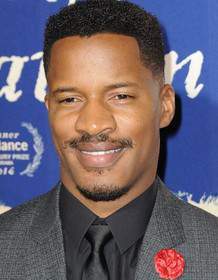
Lincoln 'Linc' Jefferson
Played by Nate Parker
Lincoln Jefferson is a dedicated father and a recently divorced U.S. Marine, haunted by the loss of his son, Kajani. His character evolves from grief to a man driven to extract justice, showcasing immense strength and vulnerability as he confronts systemic failures. Linc embodies the fight for accountability while grappling with his own moral compass.
- 🎖️ Military
- 👨👦 Grieving Father
- 📽️ Documentary Filmmaker
-

Officer Mike Randall
Played by Beau Knapp
Officer Mike Randall plays a critical role as the catalyst for the film's conflict. Initially portrayed as a typical officer, he is eventually revealed to be deeply flawed, confronting his own racial biases. His character arc challenges the binary view of justice and guilt, offering a complex perspective on fear and response in high-pressure situations.
- 🚔 Police
- ⚖️ Accountability
- 😔 Regret
- T
Tayana
Played by Milauna Jemai
Tayana, played by Milauna Jemai, is the grieving mother of Kajani, representing the human cost of racial injustice. Her character is a voice of reason in the tumultuous narrative, urging for calm and dialogue in the wake of tragedy. Tayana embodies resilience, highlighting the emotional toll on families affected by violence.
- 👩👦 Maternal Strength
- 😢 Grief
- ✊ Activism
-

Jordin King
Played by Shane Paul McGhie
Jordin King is a student filmmaker who captures the unfolding drama in the police precinct. His character represents the younger generation's engagement with social issues, serving as a bridge between reality and documentation. Jordin's perspective invites viewers to contemplate the role of media in shaping narratives of justice.
- 🎬 Filmmaker
- 👨🎓 Student Activism
- 🎥 Documentary
Where and When Is American Skin Set?
American Skin is set in Upscale Neighborhood and Police Precinct. Here is why the place matters to the story.
When
The events of the film take place in a contemporary setting, reflecting ongoing issues of race relations and police brutality in modern society. This timeframe allows audiences to connect with the real-world implications of Lincoln's experiences and the societal dialogues surrounding justice.
Where
Upscale Neighborhood, Police Precinct
The upscale neighborhood represents the social strata where racial tensions run high, serving as the backdrop for the tragic encounter between Lincoln and the police. The police precinct, on the other hand, becomes the focal point of Lincoln's quest for justice, a setting charged with emotion and conflict as the narrative unfolds.
- 🏙️ City
- 🚓 Police Station
What Are the Themes of American Skin?
3 ideas the story keeps returning to, among them Justice, Racial Tensions and Fatherhood.
-
01
Justice
The film grapples with the theme of justice, as Lincoln fights against the systemic failures that allowed his son's death to go unpunished. Through his actions, the narrative poses challenging questions about what constitutes true justice in a flawed system, inviting viewers to reflect on moral ambiguities.
-
02
Racial Tensions
Racial tensions serve as a central theme in 'American Skin.' The film portrays the pervasive fear and prejudice that exist within society, culminating in a tragic event that exposes the deep-rooted issues of race and inequality. Lincoln's story reflects the struggles faced by many in the face of systemic racism.
-
03
Fatherhood
Fatherhood is a driving force behind Lincoln's actions throughout the film. His determination to protect his son and seek justice for Kajani's death highlights the lengths a parent will go to for their child's future. The theme emphasizes the profound bond between father and son amidst societal chaos.
What Kind of Film Is American Skin?
Tense in tone, with steady pacing and a moderate story, going by the plot summary.
- Tone
- Tense
- Pacing
- Steady
- Story
- Moderate
- Intensity
- High
- Ending
- Bittersweet
A tense and emotionally heavy drama that follows a grieving father's desperate quest for justice, creating a claustrophobic and anxious atmosphere as it confronts difficult truths about race and systemic failure.
- tense
- grieving
- urgent
- anxious
- somber
- confrontational
- police brutality
- grief and loss
- vigilante justice
- systemic racism
Content notes: police violence, child death, hostage situation, gun violence, racial trauma.
Quiz
How well do you remember American Skin? Test yourself on the story.
Where to Watch American Skin
Stream it on ALLBLK and Amazon Prime Video, or rent or buy it from Amazon Video and Apple TV Store. US availability and prices from JustWatch.
Stream 11
 ALLBLK Amazon channel
  ALLBLK Apple TV channel
  Amazon Prime Video
  Amazon Prime Video with Ads
  Fawesome
  Hoopla
  Kanopy
  Philo
Philo  The Roku Channel
  Tubi TV
  YouTube Free


Streaming availability in the US, powered by