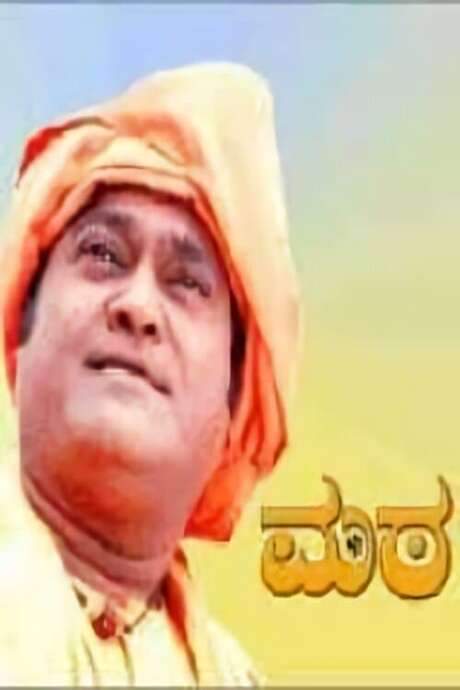
What Is Mata About?
The premise of Mata in 331 words, with nothing given away. The full story follows below.
In the bustling streets of Bangalore, a taxi driver named Venkatesha becomes the conduit for a wandering pilgrim, Sister Martha, who is bound for a secluded matha in Thirthahalli. Their brief encounter sets the stage for a film that feels like a traveling meditation, blending the ordinary rhythm of a city commute with the whispered chants of a centuries‑old shrine. The opening hymn “Asathoma Sadgamaya” — a plea for truth — hangs in the air, hinting at the deeper spiritual currents that flow beneath every scene.
The matha itself is a world unto itself: a modest mutt that doubles as an asylum for handicapped orphans and the guardian of a rare temple devoted to Lord Brahma. Within its stone walls, daily rituals mingle with the mundane concerns of feeding the hungry, training apprentices, and maintaining the complex balance of tradition and modernity. The institution’s chief, whose flamboyant charm borders on the absurd, injects a playful, almost mischievous energy into the otherwise reverent setting, while the manager, Appayya, oversees the delicate dance of duty and desire that defines life inside the cloister.
A cast of six apprentices navigates a series of trials that echo the larger quest for self‑realization, each grappling with the universal temptations of anger, lust, and ambition. Their stories are woven through Venkatesha’s ongoing narration, a storytelling device that balances humor with pathos, offering bite‑sized reflections that illuminate the broader meditation on dharma without overwhelming the viewer. The film’s tone sways between gentle reverence and witty irreverence, inviting the audience to smile at human foibles while feeling the weight of the spiritual journey.
Amid the quiet corridors and bustling marketplace, a cameo by Guruprasad nudges the narrative toward meta‑commentary, reminding us that the act of storytelling is itself a pilgrimage. The result is a richly textured portrait of a modern Indian matha — a place where compassion, self‑discovery, and the quiet dignity of choosing one’s own path intertwine, leaving the viewer with a lingering sense of curiosity and wonder.
What Happens in Mata?
The complete story of Mata, from the first scene to the last, in 661 words (about 3 minutes). Spoilers throughout. Names in the text link to 2 cast member pages.
Spoilers ahead
The taxi driver Venkatesha (Jaggesh) welcomes Sister Martha as she arrives in Bangalore and urgently needs a ride to a matha in Thirthahalli. To pass the time and keep the journey engaging, he begins weaving a layered tale, peppering the main story with quick subplots that hint at bigger currents underneath.
The setting centers on a unique mutt that runs an asylum for handicapped orphans and guards a rare temple dedicated to Lord Brahma. Within this world, the matha’s chief is portrayed as a skirt-chaser, someone who pushes the boundaries of propriety—so much so that he even tries to charm women by flute-like melodies played over the phone, a quirky detail that reveals his flashy, reckless approach to power and affection. When the moment comes for him to step away to join his wife, the focus shifts to the administrative side of the mutt, where the manager, Appayya (R. N. Sudarshan), announces a vacancy for the post of “Chief of Matha.” In a playful, meta moment that breaks the traditional boundaries of cinema, Sudarshan, in his role as Appayya, initially resists reading the ad’s dialogue about the vacancy, only to be prodded by a cameo shock of the director Guruprasad, who nudges the performance in a fresh direction.
The film opens with an invitation to the ensemble of characters through the sacred chorus of the hymn Asathoma Sadgamaya, which is explained to translate to “Lead me to the Truth.” This opening sets a tone of searching and moral questioning that threads through every twist and turn of the narrative. The story emphasizes how society often overlooks those within the mutt’s orbit, and how a hunger for recognition, status, and simply a decent meal can drive people to push through a rigorous training period—sometimes at the edge of their means—just to avoid destitution. The narration, carried by the taxi’s constant companion, is a clever device that blends humor with pathos, offering bite-sized anecdotes that illuminate the main plot rather than overshadow it.
Amid the humor and heart, the film surveys the six apprentices and the trials that accompany their bid for belonging. The journey is less about a single arrival and more about a gradual transformation, showing how a string of misadventures, challenges, and moments of ethical choice push each person toward a new understanding of life. There’s a memorable comedic strand about a desperate king who muses on building a mausoleum for his wife—a scenario that lampoons grandiosity while underscoring the unpredictable nature of fate and ambition. Through these vignettes, the audience is invited to observe how the apprentices’ lives start to shift in dimension, moving from routine struggle to a purpose that aligns with who they are at heart.
Behind the scenes, the mutt’s inner workings reveal both legitimate duties and illicit activities that exist in the shadows of tradition, offering a sharper look at how institutions can carry complexity, compromise, and opportunity in equal measure. The tension between duty, desire, and the demand for compassion threads through each sequence, adding texture to the story’s broader meditation on Dharma and integrity.
In the final act, the characters come to a deeper realization about what truly matters. The six apprentices discover the meaning of purpose in ways that suit their individual dispositions, and the mutt itself is shown to receive a new kind of guardianship and support. Sister Martha emerges as a guardian angel in a literal sense, stepping in with a substantial donation that helps secure the mutt’s future and well-being. The resolution is intimate and hopeful: the taxi ride ends with Venkatesha expressing gratitude to Sister Martha, and a warm, if compact, exchange between Guruprasad and Sudarshan that marks a moment of mutual respect and quiet satisfaction with how the tale has unfolded. The film leaves viewers with a sense that life’s worth lies in acts of compassion, self-discovery, and the quiet dignity of choosing a path that fits who you are, rather than chasing a mold society prescribes.
Mata Timeline: Every Key Event in Order
14 key events in the order they happen, from “Taxi arrival and setup” to “Closing gratitude and dialogue”. 14 events name a place, across 7 locations.
- 1
Taxi arrival and setup
Venkatesha, a Bangalore taxi driver, welcomes Sister Martha to the city and promises to take her to the matha in Thirthahalli. He hints that the ride will be more than just transport as he begins to tell a story. The banter sets the frame for the film's nested narrative.
When:Sister Martha's arrival / start of journey Where:Bangalore
- 2
Journey as frame narrative
Venkatesha starts narrating the main tale and weaves in sub-stories, turning the road trip into a storytelling journey. The audience is pulled into multiple plot threads through his narration. The journey thus becomes a device to explore the mutt's world.
When:During drive Where:On road to Thirthahalli
- 3
The mutt's twin worlds: asylum and temple
Within the matha lies an asylum for handicapped orphans and a rare temple of Lord Brahma. The chief is a skirt-chaser who even dials girls on the phone to impress them, revealing a morally questionable side of religious leadership. The contrast sets up the central conflict.
When:In the mutt's backstory Where:Mutt
- 4
Chief contemplates stepping down
The mutt’s chief decides to part with his post to join his wife, illustrating the precariousness of power in this world. His departure foreshadows the vacancy that drives the central plot. The audience sees the human motives behind leadership.
When:Story within mutt Where:Mutt
- 5
Appayya posts vacancy; fourth-wall moment
Appayya advertises a vacancy for Chief of Matha, triggering a meta moment when R. N. Sudarshan as Appayya refuses to read the full ad. Guruprasad makes a cameo to urge proper performance. The scene blends story and comedy as the audience is reminded of the film's framing device.
When:Vacancy announcement Where:Matha
- 6
Opening invitation with Vedic hymns
The introduction gathers all characters with Vedic hymns like Asathoma Sadgamaya, setting a ceremonial tone. The sequence signals both reverence and irony as the mutt’s inner world is about to unfold. It marks the narrative's formal entry.
When:Opening scene Where:Mutt
- 7
Societal neglect and training period
Characters are neglected by society and driven by hunger for status and sustenance. Their quest to survive during the mutt’s training phase leads them to take desperate or unconventional actions. The framing makes their earlier ambitions seem fragile.
When:Training period Where:Mutt
- 8
Nagaraj Murthy’s kingly comedy
A comedic thread follows Nagaraj Murthy as a desperate king who wants to build a mausoleum for his wife. His over-the-top schemes heighten humor and illustrate the mutt’s satirical world. The scene punctuates the ensemble with a lighter note.
When:Interludes Where:Frame story
- 9
Sudarshan’s Dharma-centric leadership
Sudarshan portrays a cool-headed leader who emphasizes Dharma above all. The manager’s role, orchestrated by Sadananda, adds humor while underlining moral guidance. The dynamic helps steer the apprentices through their trials.
When:Early-mid film Where:Mutt
- 10
The six apprentices' quest
The six apprentices contend for their place under the sun, each bringing a unique personality to the mutt’s fold. Their journey takes them through trials that transform their previously meaningless lives. The quest underpins the film’s message about purpose.
When:Mid-film Where:Mutt and journeys
Show the other 4 events of Mata Hide the last 4 events
- 11
Hidden illegal activities exposed
The plot reveals illegal activities operating behind the mutt’s outward piety. These revelations complicate the apprentices’ quest and test their ethics. The mutt’s moral landscape becomes murkier as consequences unfold.
When:Mid-to-late film Where:Mutt
- 12
Realization and reorientation
Towards the end, the characters realize the true meaning of life and adopt professions that suit their personalities. The transformation feels earned as former aimlessness yields to purposeful work. The mutt serves as catalyst for change.
When:Ending Where:Mutt
- 13
Sister Martha’s guardian role revealed
Sister Martha is revealed to be a guardian angel for the financially ailing mutt, donating a substantial sum for its betterment. Her generosity reframes her character from visitor to benefactor. The moment reinforces the story’s moral about compassion.
When:End reveal Where:Mutt
- 14
Closing gratitude and dialogue
The film ends with Jaggesh thanking Sister Martha, followed by Guruprasad and Sudarshan sharing a brief, lively conversation about the outcome. The wrap-up ties together the nested narratives with a sense of closure. The tone remains warm and humorous.
When:Ending Where:Mutt/Bangalore
Who Are the Main Characters in Mata?
7 characters, among them Venkatesha (Upkathe Govindu) – played by Jaggesh, Sister Martha and Appayya: who each one is and the part they play in the story. 6 of them link to the actor’s page.
- V(
Venkatesha (Upkathe Govindu) – played by Jaggesh
Played by Jaggesh
A witty taxi driver who serves as the film’s narrator, weaving sub-stories into the main plot. He guides the journey with humor while revealing his empathy for the mutt’s inhabitants. His perspective blends city-bred banter with a softer, reflective core.
- 🚕 Taxi driver
- 🗣️ Narrator
- 🎭 Storyteller
- SM
Sister Martha
Guardian angel to the financially ailing mutt, she donates a substantial amount for its improvement. Her charity anchors the story’s moral arc and highlights the theme of grace in hardship. She embodies compassion that catalyzes change for the mutt’s residents.
- 🌟 Guardian
- 💖 Benefactor
- 🕊️ Charity
- A
Appayya
Played by R. N. Sudarshan
The mutt’s administrator and the cool-headed manager who emphasizes Dharma. He orchestrates the apprenticeship and handles the mutt’s operations, steering the group through its trials. His pragmatism keeps the narrative grounded amid its many sub-stories.
- 🏛️ Administrator
- 🧭 Dharma advocate
- 🤝 Manager
- FM
Former Matha Head
Played by Nagathihalli Chandrashekar
The skirt-chasing head who goes to lengths to impress others, even playing a flute to girls over the phone. His flaws illuminate the mutt’s moral tensions and the quirky humor that threads through the plot. His departure motivates the administrative restructuring hinted in the story.
- 🎭 Flawed authority
- 💬 Flirtatious
- 🧭 Leader
- S
Siddha
Played by Vaijanath Biradar
One of the six apprentices seeking a place under the sun. His journey mirrors the mutt’s larger quest for purpose, with moments of humor and introspection. He embodies resilience and adaptability in the mutt’s shifting fortunes.
- 👤 Apprentice
- 🧭 Seeker's path
- 🧩 Transformative arc
- V
Venugopal
Played by Tabla Nani
One of the mutt’s apprentices, whose aspirations collide with the institution’s constraints. His interactions reveal the tension between personal dreams and communal duties. He contributes to the mutt’s evolving dynamic.
- 🧰 Apprentice
- 🎭 Comedic foil
- 🔄 Change-maker
- N
Nagesh
Played by Mandya Ramesh
Another apprentice navigating the mutt’s hierarchy and rules. He shows initiative and a willingness to reinvent himself, reflecting the story’s theme of reinvention. His arc pairs with the others to illustrate communal growth.
- 🧭 Apprentice
- 🗺️ Transformation
- 🤝 Team player
Where and When Is Mata Set?
Mata is set in Bangalore and Thirthahalli Mutts. Here is why the place matters to the story.
Where
Bangalore, Thirthahalli Mutts
The film opens with a taxi ride from Bangalore to a mutt in Thirthahalli. The mutt houses an asylum for handicapped orphans and a rare temple of Lord Brahma, blending urban travel with a secluded religious-scene in Karnataka. The setting juxtaposes city life with rural monastic space, anchoring the journey in a recognizable South Indian landscape.
- 🏙️ Bengaluru city
- 🛕 Thirthahalli mutt
- 🏥 Handicapped orphans asylum
- 🗺️ Karnataka setting
What Are the Themes of Mata?
3 ideas the story keeps returning to, among them Dharma, Societal Neglect and Charity & Redemption.
-
01
Dharma
Dharma guides the characters as they navigate duty, ethics and their personal desires within the mutt’s strict code. The narrator’s layered stories reveal how rightful conduct competes with ambition and social acceptance. The theme threads through the apprentices’ transformations as they seek meaningful paths beyond material status.
-
02
Societal Neglect
The story centers on a group neglected by mainstream society, pushing them to fight for status, care and basic needs. Their quirks and schemes underline the harsh realities faced by the marginalized. The mutt becomes both a refuge and a critique of social neglect.
-
03
Charity & Redemption
Sister Martha’s philanthropy acts as a turning point, illustrating how generosity can alter destinies. The apprentices’ lives are reshaped by acts of care within the mutt. Redemption emerges as each character adopts a role best suited to their nature.
What Kind of Film Is Mata?
Hopeful in tone, with variable pacing and a moderate story, going by the plot summary.
- Tone
- Hopeful
- Pacing
- Variable
- Story
- Moderate
- Intensity
- Medium
- Ending
- Happy
A contemplative yet humorous film framed as a taxi ride tale, it blends spiritual teachings with quirky character misadventures within a sacred institution, ultimately arriving at a warm and hopeful conclusion about finding purpose through compassion.
- contemplative
- humorous
- hopeful
- spiritual
- quirky
- warm
- spiritual journey
- found family
- institution life
- ethical choices
Quiz
How well do you remember Mata? Test yourself on the story.