
Marie Antoinette 1938

Directed by
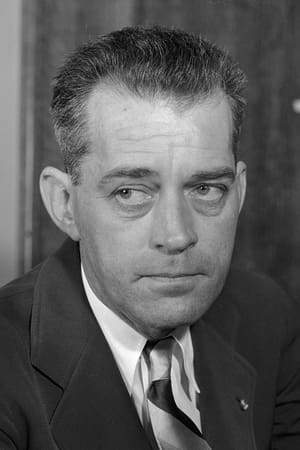
W.S. Van Dyke
Made by

Metro-Goldwyn-Mayer
Marie Antoinette Plot Summary
Read the complete plot summary and ending explained for Marie Antoinette (1938). From turning points to emotional moments, uncover what really happened and why it matters.
In 1769 Vienna, a royal future unfolds with careful, ambition-laden steps. Empress Maria Theresa of Austria, [Alma Kruger], tells her daughter Maria Antonia [Norma Shearer] that she is to marry the Dauphin Louis-Auguste [Scotty Beckett], setting the stage for a union meant to strengthen alliances and secure influence across Europe. Marie Antoinette, initially thrilled at the idea of one day becoming Queen of France, soon confronts a stark reality: her husband is shy and more at home with locksmithing than with the glittering rituals of court life. Despite her sincere efforts to win him over, Louis reveals a troubling truth—that he cannot produce heirs. This disappointment nudges Marie toward political alliances, notably drawing her toward the power-hungry Duc d’Orléans [Joseph Schildkraut], whose presence promises to tilt the balance of influence at court.
The marriage strain deepens as power plays intensify. On the couple’s second wedding anniversary, Madame du Barry, King Louis XV’s influential mistress, gifts Marie with an empty cradle and a cutting poem that mocks her inability to bear an heir. Marie’s distress is compounded by her husband’s apparent inability to stand up to his grandfather, a weakness that fuels further political maneuvering at court. The tension between duty and desire grows as Marie moves through the labyrinth of royal expectations, ever mindful of the whispers and schemes that swirl around the throne.
A web of passion, danger, and rivalry begins to knot tighter. A chance encounter at a gaming house brings Marie into contact with the Swedish Count Axel de Fersen [Tyrone Power], a man who would become a pivotal figure in her life. Their meeting awakens a complex attraction, even as Count Mercy, the Austrian ambassador [Henry Stephenson], watches with a wary eye and chastises her for her perceived extravagance and indiscretions. The delicate dance between affection, reputation, and political consequence sets the tone for the years to come, where every choice could ripple outward to affect empires.
** Marie’s efforts to mend relationships lead to a dramatic public display.** At the king’s behest, Marie hosts a ball intended to smooth tensions with du Barry and to placate Count Mercy. Yet the evening backfires when du Barry’s absence becomes a focal point of mockery, and Marie responds with sharp jibes about du Barry’s past. The encounter leaves the couple at a crossroads: the king contemplates annulling the marriage, while Louis seeks to shield Marie even as political winds push them apart. In a moment of upheaval, Marie flees to Count Mercy’s residence when she learns she might be sent back to Austria, only to find solace and renewed connection with Fersen, who openly declares his love for her.
A love that tests loyalties and duties reshapes a crown’s future. Realizing she has fallen for Fersen, Marie confesses her feelings and confronts a brutal truth: the weight of monarchy and the expectations of a nation mean she cannot simply abandon her role. The story follows her ascent to the throne after the ailing King Louis XV dies of smallpox, with Louis himself remaining fond of Marie even as the old order collapses around them. Marie ascends as queen, and with the new title comes a sense of obligation that tempers personal longing. The couple’s complicated romance endures only within the boundaries of political reality, and Marie bears two children—Marie Thérèse and Louis Charles—foundations of a dynasty that will face future storms.
Years of fame, scandal, and revolution test a queen’s resolve. As Marie’s authority grows, the people’s mood hardens. A peasant crowd stones her carriage during a ride with her children, and she comes to see d’Orléans as a key instigator of unrest. The famous Affair of the Diamond Necklace emerges later as a symbol of court intrigue and manipulation, culminating in pressure from inside the royal inner circle to abdicate the throne in favor of the young Dauphin under d’Orléans’ regency. The country braces for upheaval as the French Revolution gathers force, and the royal family is taken as prisoners of a new age.
Escape plans, trials, and a painful farewell mark the decline of a dynasty. Fersen returns with a proposed escape plan, but a fateful moment—when the Dauphin whispers to a guard that his father is a locksmith—leads to the King’s recognition and arrest. A formal trial follows, the King is condemned to death, and he spends his final night with his wife and children, unaware that it will be the last night they share as a family. Marie is devastated, yet her duties as queen press forward. She faces trial herself, is condemned to death, and is separated from her children as the Revolution reshapes a nation’s identity.
A love tested by time and fate endures in memory. In the execution aftermath, Fersen visits Marie in prison, and they exchange a pledge of love while she accepts the inevitable with courage. The morning after, Marie walks to the guillotine with a quiet resolve, her thoughts returning to the day she first learned she would become queen and the exhilaration that had once filled her heart. The memory of that early promise—her mother’s words that she would one day wear the crown—echoes as she faces the end, a poignant reminder of dreams, duties, and the price of power.
- The tale unfolds through a tapestry of courtly spectacle, personal longing, and political catastrophe, painting a portrait of a woman who navigates the treacherous waters of a collapsing monarchy. It is a story of resilience and sacrifice, as Marie Antoinette adapts to the responsibilities of sovereignty while grappling with the consequences of love, ambition, and the unyielding currents of history.
Note: first-time character mentions are linked to their corresponding actors where applicable:
- Empress Maria Theresa: Alma Kruger
- Maria Antonia (Marie Antoinette): Norma Shearer
- The Dauphin Louis-Auguste: Scotty Beckett
- Duc d’Orléans: Joseph Schildkraut
- Madame du Barry: Gladys George
- Count Axel de Fersen: Tyrone Power
- Count Mercy (the Austrian ambassador): Henry Stephenson
- Louis XV: John Barrymore
- Marie Thérèse: Marilyn Knowlden
- Fersen’s love interest and ally: Tyrone Power (repeated use is allowed once more; see note above)
- Comte d’Artois: Reginald Gardiner
- Duke d’Orléans (reappearances): Joseph Schildkraut
If you’d like me to adjust the emphasis or swap in additional character-linked mentions (keeping within the 2-link limit per actor), tell me which elements you want to foreground for What’s After the Movie.
Marie Antoinette Timeline
Follow the complete movie timeline of Marie Antoinette (1938) with every major event in chronological order. Great for understanding complex plots and story progression.
Engagement and marriage to Louis-Auguste
In 1769 Vienna, Empress Maria Theresa confirms Marie Antoinette will marry Louis-Auguste, the Dauphin of France. Marie is excited at becoming Queen of France. She soon learns her husband is shy and more comfortable with locksmithing than with court life.
Heirless crisis pushes Marie toward d'Orleans
Louis reveals he cannot produce heirs, leaving Marie to navigate a precarious political marriage. She begins to seek influence with the power-hungry Duc d'Orleans as a possible counterweight at court.
Second wedding anniversary: cradle and poem
On their second wedding anniversary, Madame du Barry gifts Marie an empty cradle and a poem critical of her inability to produce an heir. The gesture underscores the pressures of maternity at court. Marie is distressed, while Louis proves too weak to stand up to his grandfather.
Meeting Fersen and losing a necklace
Marie meets Swedish Count Axel Fersen at a gaming house and wagers, losing an expensive necklace. The moment reveals her willingness to gamble with both fortunes and reputation.
Mercy scolds Marie
Count Mercy, the Austrian ambassador, scolds her for her heedless behavior, though she pays him little mind. This rebuke underscores the tension between her duties and private passions.
Ball to appease du Barry and Mercy
To make amends with du Barry and please Mercy, Marie hosts a grand ball at court. The event backfires when du Barry draws attention to Louis's absence and Marie's barbed remarks expose old rivalries.
Annulment attempt and defense
The King decides to annul the marriage, prompting Louis to defend Marie and resist the move. The court drama tests Marie's loyalties and magnifies the political stakes.
Flee to Mercy and reunion with Fersen
Marie flees to Count Mercy's residence after learning she will be sent back to Austria, where she reunites with Fersen, who proclaims his love. The man she loves becomes a dangerous temptation within a treacherous court.
Ascension to the throne and duties ahead
Realising she has fallen in love with Fersen, Marie learns she cannot leave Louis as the King is dying of smallpox and Louis remains fond of her. She agrees to stay, and they ascend to the throne after the King's death, with Fersen urging her to fulfill her duties as Queen.
Births of Marie Thérèse and Louis Charles
Marie gives birth to a daughter, Marie Thérèse, and later a son, Louis Charles, cementing her role as mother to the future heirs of France. The royal nursery becomes a symbol of continuity amid court intrigues.
Public hostility grows
Years later, peasants throw stones at Marie's carriage while she takes her children for a drive, revealing fierce public discontent with the monarchy. She blames d'Orleans for stoking the hostilities that envelop the crown.
Diamond Necklace affair begins
Marie refuses to purchase an expensive necklace; court insiders plot to seize it, fueling the infamous Affair of the Diamond Necklace. d'Orleans pressures the royal couple to abdicate the throne in favor of the Dauphin under his regency.
Revolution and imprisonment
The French Revolution erupts, and the royal family is taken prisoner. Fersen returns with a plan to escape, but the Dauphin narrates to a guard that his father is a locksmith, leading to the King's identification and arrest.
Trial and execution ordered
The King is tried and sentenced to death; Marie is put on trial and condemned to death. The Dauphin testifies against his mother, sealing the royal family's tragic fate.
Final night and execution
The night before her execution, Fersen visits Marie in prison and they pledge their love to each other. The next morning she goes bravely to the guillotine, a final act watched by Fersen from afar as she contemplates her mother's words about becoming queen.
Marie Antoinette Characters
Explore all characters from Marie Antoinette (1938). Get detailed profiles with their roles, arcs, and key relationships explained.
Marie Antoinette (Norma Shearer)
Archduchess of Austria, young and buoyant at court’s start but increasingly shaped by the pressures of marriage, succession, and public scrutiny. The film tracks her transition from optimistic betrothal to a queen scrutinized for extravagance and defiance of tradition. Her charisma masks inner conflict as she negotiates loyalty, love, and dynastic duty.
King Louis XV (John Barrymore)
A indulgent monarch whose weakness and authority vacillate between indulgence and fear of losing control. His decisions shape the fate of court politics and set the stage for the dynastic struggles that follow. His declining health and detachment amplify the pressures on Marie and her future.
The Dauphin Louis-Auguste (Scotty Beckett)
The shy heir to the throne, more at home with simple crafts than court rituals. His vulnerability and growth through adolescence frame the narrative’s exploration of heredity, succession, and the strain of monarchy on a child’s shoulders. He embodies the crown’s uncertainty as revolution looms.
Count Axel de Fersen (Tyrone Power)
A Swedish count and foreign lover who navigates court politics while offering Marie emotional support. His affections complicate the queen’s obligations and reflect the tension between personal desire and political alliance. He embodies romance amid political upheaval and exile.
Duc d’Orléans (Joseph Schildkraut)
The shrewd noble pushing for influence at court, often clashing with Marie and King Louis XV. He embodies the political schemer who leverages public sentiment for power, catalyzing events such as annulment and abdication.
Marie Antoinette Settings
Learn where and when Marie Antoinette (1938) takes place. Explore the film’s settings, era, and how they shape the narrative.
Time period
1769–1793
Set in the late 18th century, the film follows Marie Antoinette from her 1769 betrothal to Louis-Auguste through the height of royal excess and the rising chorus of revolution. It traverses weddings, confidences, scandals, and the early stirrings of upheaval. The era culminates in abdication, imprisonment, and execution as the ancien régime collapses.
Location
Vienna, Versailles
The story unfolds across the Austrian court in Vienna and the French royal court at Versailles. It follows Marie Antoinette’s ascent to queenhood and the opulent, scrutinized world of 18th-century royalty. The locations highlight the drama of court life and the public gaze on a princess turned queen.
Marie Antoinette Themes
Discover the main themes in Marie Antoinette (1938). Analyze the deeper meanings, emotional layers, and social commentary behind the film.
👑
Power & Privilege
The film portrays monarchy as a system built on birthright, ritual, and political maneuvering. Marie navigates a court where loyalty shifts with favors, and the Duc d’Orléans manipulates events to influence succession. Public image and private ambition collide as privilege shields and destroys lives. The fragile scaffolding of power is exposed as the crown wavers under pressure.
❤️
Love & Duty
Romantic entanglements drive personal choices against the demands of state and reputation. Marie’s relationship with Count Axel de Fersen tests loyalty to Louis XVI and to France, while her marriage with Louis-Auguste sets the stage for dynastic expectations. Duty to family, crown, and country often clashes with personal happiness. The story probes whether love can survive in a world governed by ceremony.
⚔️
Revolution & Downfall
The narrative charts the decay of the Ancien Régime as public unrest and political scheming culminate in abdication and revolution. From court intrigues to the guillotine, the film traces how power is undone by collective anger and upheaval. The fate of Marie and the royal family becomes a symbol of a society forced to confront justice and change. The era’s violence and upheaval overshadow personal tales of romance.

Coming soon on iOS and Android
The Plot Explained Mobile App
From blockbusters to hidden gems — dive into movie stories anytime, anywhere. Save your favorites, discover plots faster, and never miss a twist again.
Sign up to be the first to know when we launch. Your email stays private — always.
Explore the mobile appMarie Antoinette Spoiler-Free Summary
Discover the spoiler-free summary of Marie Antoinette (1938). Get a concise overview without any spoilers.
In the glittering courts of 18th‑century France, a young Austrian princess is dispatched to cement a strategic alliance. Empress Maria Theresa tells her daughter that her destiny lies beside the future king, and the bride‑to‑be steps onto the grand parquet of Versailles with awe and ambition. The marriage to the shy dauphin, Louis‑Auguste, sets the stage for a union that promises political stability while thrusting the princess into a world of elaborate ceremony and unspoken expectation.
The palace hums with extravagance: silk gowns that swallow the light, endless balls where flirtation dances on the surface of decorum, and a seemingly endless stream of indulgent pleasures. Marie Antoinette quickly embraces the excess, finding solace in fashion, music, and the fleeting intimacy of whispered conversations with charismatic courtiers. Yet beneath the glitter lies a subtle current of isolation; her husband’s reticence and the weight of her foreign title create a delicate tension between personal desire and royal duty.
Outside the gilded halls, a nation strains under fiscal strain, and the queen’s ostentatious lifestyle becomes a focal point for restless discontent. The people’s whispers turn to murmurs of resentment, their eyes fixed on a monarch whose tastes seem detached from their hardships. Her Austrian origins add another layer of suspicion, casting her as both a symbol of luxury and an outsider whose influence feels unsettling to a populace yearning for change.
Within this opulent yet precarious arena, [Marie Antoinette] must navigate the space between indulgent freedom and the responsibilities of a crown. The film bathes viewers in the sumptuous visual palette of Versailles while hinting at the growing unease that shadows every glittering soirée, setting the tone for a portrait of a queen caught between personal longing and the inexorable pull of history.
Movies with Similar Twists and Themes
Uncover films that echo the narrative beats, emotional arcs, or dramatic twists of the one you're exploring. These recommendations are handpicked based on story depth, thematic resonance, and spoiler-worthy moments — perfect for fans who crave more of the same intrigue.
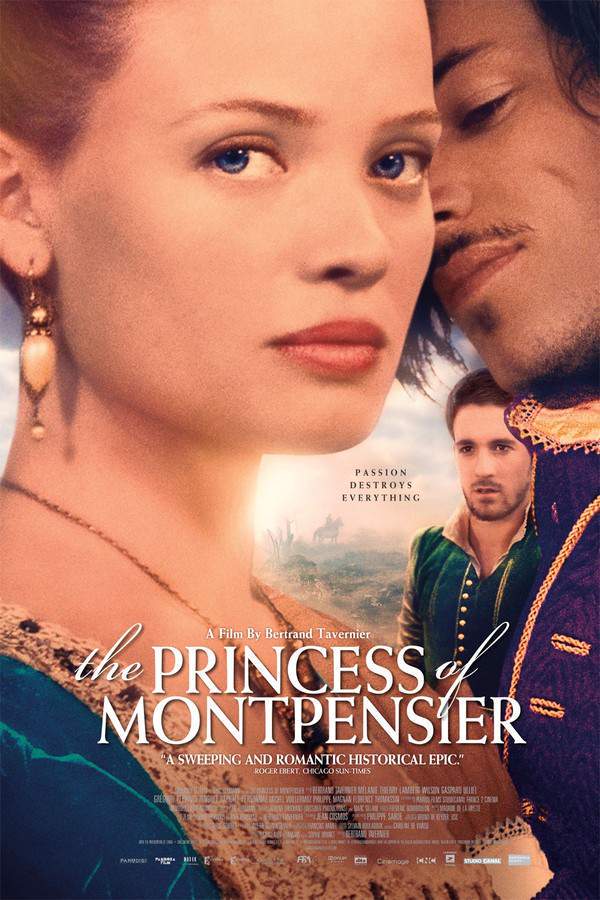
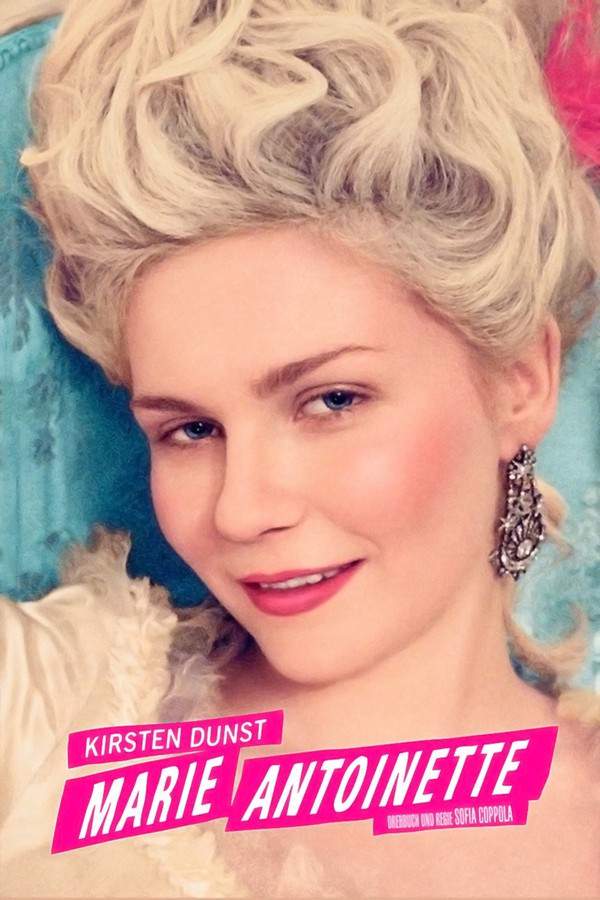
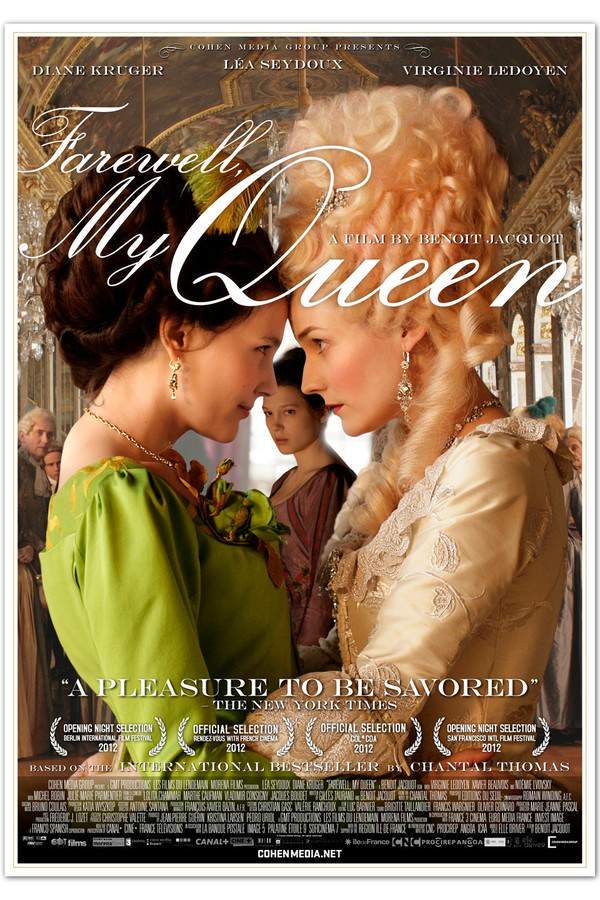

Featured on this page

What's After the Movie?
Not sure whether to stay after the credits? Find out!
Check out our other apps:

SAT Sphere
Build confidence for the Digital SAT.

Mori Atlas
Discover wild places worth protecting.

Luntero
Search smarter for a home in Amsterdam.

Plot Explained
Unravel movie endings and hidden clues.

Pokechamp
Dive into Pokémon data and battle logic.

Driving Theory
Get ready for your European theory test.

Movie Dust
Plan your next cinema trip with ease.

Musemap
Find art and culture as you travel.

Selkobase
Compare credentials before committing.

Local Manual
Turn an unfamiliar country into practical next steps.

Lernavi
Compare school systems before your next move.

GymRoam
Find a workout stop wherever your plans take you.
Explore Our Movie Platform
New Movie Releases (2026)
Famous Movie Actors
Top Film Production Studios
Movie Plot Summaries & Endings
Major Movie Awards & Winners
Best Concert Films & Music Documentaries
Movie Collections and Curated Lists
© 2026 What's After the Movie. All rights reserved.
Privacy Policy