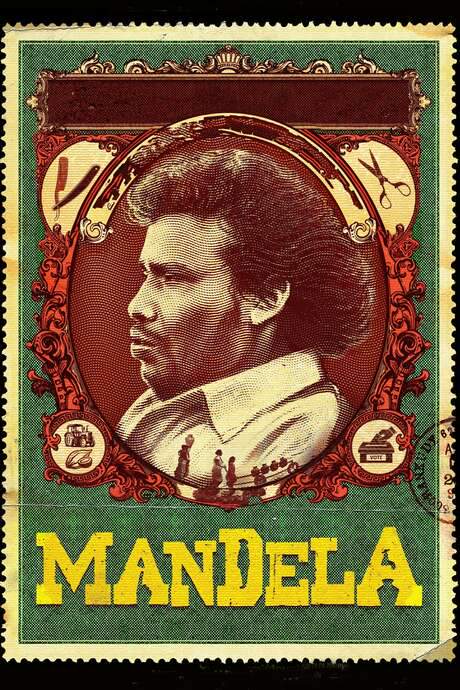
Mandela 2021


Directed by

Madonne Ashwin
Made by

Wishberry Films
Where to Watch Mandela
See current US streaming, rental, and purchase options for Mandela (2021) via JustWatch.


Streaming availability powered by 
Mandela Plot Summary
Read the complete plot summary and ending explained for Mandela (2021). From turning points to emotional moments, uncover what really happened and why it matters.
In Soorangudi, a tiny village tucked in Tamil Nadu with about 840 residents, life runs along a brittle divide between two caste-based factions: the Northerners and the Southerners. The village president, long unchallenged and staunch in his support of caste discrimination, keeps two wives—one Northerner and one Southerner—so that each side feels represented. The elder son’s mother is Northerner, while the younger son’s mother is Southerner, and both sides are led by their respective offspring. This split governs every aspect of village life, stifling progress and planting the seeds of constant friction.
During the ceremonial opening of a public toilet, a fierce confrontation erupts between the Northerners and Southerners, leaving the president paralyzed. With elections looming and the president’s health fragile, a local MLA weighs appointing one of his sons, Rathinam or Mathi, as a potential successor to secure a three-crore work contract. Unable to reach a consensus, the brothers decide to contest the election against each other, turning the electoral battle into a raw clash of caste loyalties. The pre-polling picture suggests a carefully balanced contest, with votes split evenly between the two sides.
Into this volatile mix steps Smile, a homeless barber from a lower caste who programs his life around a banyan tree where his assistant Side Burn keeps him company. He subsists on the margins, moving between the village and the post office where he goes to deposit money. Lacking identification, he receives help to apply for a new ID, and the postmaster urges him to adopt a bold new name—“Nelson Mandela”—as a metaphor for staying detached from a single faction in the coming election.
As Mandela’s voter ID and list arrive, both brothers shower him with gifts and favors, each hoping to win his crucial vote and sway the balance. For days, Mandela remains undecided, prompting the MLA to propose a dramatic auction of his vote. The auction stalls when Mandela’s assistant exposes a brutal plan by the losing side to maim him. A cruel trick follows: the assistant deceives the brothers into believing that the president has died, derailing the auction and sparking a violent response. Realizing they’ve been manipulated, the brothers beat the assistant and keep him from leaving the village.
Hope flickers briefly as the two rivals abandon the auction, but it is reignited when the MLA reveals the true scale of the contract—30 crore. The brothers surge back into the fray, determined to win Mandela’s support once more. Mandela, however, sets a new condition: the money spent to secure his vote must be redirected to the village’s development, and the vote will go to whichever side contributes most to that development. Reluctantly, both brothers agree, though the hardships of the campaign weigh on them. A grim undertone remains: the losing side has pledged to kill Mandela.
Election day arrives with a tense plan to safeguard Mandela. The postmaster suggests that Mandela escape after casting his vote, but Mandela insists on continuing his father’s legacy by keeping the barber shop’s doors open. After he casts his ballot, he returns to his banyan tree, where waiting thugs—emissaries of the rival factions—eye him with lethal intent. The president, the postmaster, and a large contingent of villagers step forward under the pretext of getting a haircut, signaling solidarity with Mandela. The closing sequence unfolds as a standoff among the two brothers, Mandela, and the determined villagers, all while the election results are about to be announced, testing loyalties and resilience in equal measure.
Mandela Timeline
Follow the complete movie timeline of Mandela (2021) with every major event in chronological order. Great for understanding complex plots and story progression.
Feud erupts during public toilet opening
During the opening of a public toilet, a feud breaks out between Northerners and Southerners in Soorangudi. The long-unopposed village president is left paralysed by the ensuing violence, setting the stage for a power struggle. The incident exposes the deep caste tensions that will shape the coming election.
Succession crisis and election looming
With the president incapacitated, the MLA weighs appointing one of his sons, Rathinam or Mathi, as successor to secure a 3 crore work contract. The village divides along caste lines as both sides prepare to contest the upcoming election. Pre-poll predictions indicate a tightly contested race.
Smile becomes Mandela via ID card
Smile, a homeless lower-caste barber, applies for an identification card with help from the postmaster. The postmaster suggests he take the name Nelson Mandela to symbolize neutrality in the election. Smile/ Mandela thus enters the political arena under a symbolic new identity.
Mandela's voter list arrives; brothers woo him
Mandela's voter ID and list arrive and both Rathinam and Mathi begin courting him with gifts and favors. Mandela remains undecided as days pass, complicating the brothers' plans. The contest thus shifts to winning the support of an undecided voter who could swing the election.
Auction of Mandela's vote proposed
The MLA proposes auctioning Mandela's vote to the highest bidder, highlighting the commodification of electoral influence. The brothers step up their efforts, offering more gifts and promises to secure Mandela's favor. The plan signals a corruption-laden path toward the election.
Lies about Mandela's death derail the auction
Mandela's assistant reveals that the losing side plans to maim him, and the brothers are lured into abandoning the auction by a fake report of the president's death. The betrayal prompts anger as Mandela's safety seems jeopardized. The brothers then realize they have been manipulated and confront the lie.
Realization and crackdown on rivals
Upon learning the ruse, the brothers brutally rough up the rival faction and block their exit from the village. The incident intensifies the standoff and solidifies the brothers' grip on the political game. The villagers become aware that Mandela's fate is tied to escalating violence.
Contract worth 30 crore revives the bid
The full value of the contract is revealed to be 30 crore, reigniting the brothers' determination to win Mandela's vote. They redouble their public appeals, trying to demonstrate how they will deliver development. Mandela's position becomes a bargaining tool in a larger economic contest.
Mandela's development condition
Mandela demands that the money be used for village development rather than personal gain, reshaping how the bid is evaluated. Both brothers reluctantly agree to this condition despite the extra pressure. The development criterion adds a moral twist to the political maneuvering.
Threats of violence against Mandela
The losing side threatens to kill Mandela if he votes for the opponent, heightening the danger around the election. The threat darkens the village atmosphere and tests Mandela's resolve. Even as fear grows, the other factions continue their lobbying and bargaining.
Election day: Mandela stays and votes
On election day, the postmaster urges Mandela to slip away after casting his vote, but Mandela chooses to honor his father's barber legacy. He returns to his banyan tree to await the results with the community by his side. The decision to stay transforms Mandela from a neutral symbol into a central actor in the town's fate.
Climax: standoff as results are declared
Thugs lie in wait for the results, but the president, postmaster, and many villagers rush to Mandela's aid under the guise of a haircut. A tense standoff unfolds between the two brothers, Mandela, and the townspeople as the election results are announced. The film ends on a note of communal menace and unresolved power struggle.
Mandela Characters
Explore all characters from Mandela (2021). Get detailed profiles with their roles, arcs, and key relationships explained.
Smile / Nelson Mandela (Yogi Babu)
Smile is a homeless, lower-caste barber living in Soorangudi. He is apolitical and does not align with the Northerners or Southerners, making him a coveted swing vote. The postmaster renames him Nelson Mandela to symbolize neutrality in a polarized election. Facing pressure from both sides, he remains focused on his own dignity and the barber shop's legacy.
Rathinam (G. M. Sundar)
Rathinam is the elder son who leads the Northerners in the village's caste-fueled political divide. He is pragmatic and power-hungry, leveraging the prospect of a lucrative contract to win Mandela's allegiance. He and Mathi treat Mandela's vote as a bargaining chip to secure the presidency's succession. He embodies the transactional politics that stall development.
Mathi (Kanna Ravi)
Mathi is the younger son and leader of the Southerners, equally motivated by power and access to development funds. He participates in the bid for Mandela's vote, using gifts and political pressure to sway him. The two brothers' rivalry intensifies as the stakes grow, pushing them toward violent tactics. His role highlights how factional loyalties reshape common welfare.
Periya Ayya / Karunakaran Periyar (Sangili Murugan)
Periya Ayya is the long-unopposed village president who upholds caste-based discrimination and maintains two wives from opposite sides. His health collapses after a feud between the Northerners and Southerners, creating a power vacuum. The MLA contemplates appointing his successor, illustrating how leadership is intertwined with contracts and political machinations. The presidency's legacy and vulnerability drive the plot's dynamics.
Mandela Settings
Learn where and when Mandela (2021) takes place. Explore the film’s settings, era, and how they shape the narrative.
Time period
Set in a contemporary rural Tamil Nadu during local elections, the story centers on caste-based politics and the power of money in village governance. The events reflect ongoing social tensions and the fragility of democratic processes at the local level.
Location
Soorangudi, Tamil Nadu
Soorangudi is a small village in Tamil Nadu with about 840 residents. The community is split into two caste-based factions, Northerners and Southerners, and the village president enforces caste discrimination. A feud during a public event exposes the frailty of local governance and the impact of caste on development. The setting highlights how daily life is shaped by power struggles and communal tensions.
Mandela Themes
Discover the main themes in Mandela (2021). Analyze the deeper meanings, emotional layers, and social commentary behind the film.
🗳️
Vote Buying
Power and money drive local democracy in Mandela. The auction of Mandela's vote and the subsequent manipulation show how contracts and gifts can distort voting behavior. The film uses this to critique political cynicism and the transactional nature of elections. Mandela's demand to use the funds for village development reframes the vote as a test of collective welfare rather than personal loyalties.
👥
Caste Divide
Two factions, Northerners and Southerners, control the village and shape the election. The leaders' identities as different castes intensify rivalry and suspicion, while ordinary villagers bear the costs. The narrative shows the fragility of social boundaries and how political leaders manipulate communal loyalties. The community's efforts to mediate are undermined by greed and power politics.
🕊️
Neutrality
Smile, a homeless barber, becomes a neutral symbol that disrupts the factions' strategies. By not aligning with either side, he exposes the absurdities of caste-driven politics and forces leaders to address development needs. His choice to preserve his father's legacy and his insistence on a development-centered vote become a moral anchor in the story. The film suggests that neutrality can empower ordinary people to demand accountability.

Coming soon on iOS and Android
The Plot Explained Mobile App
From blockbusters to hidden gems — dive into movie stories anytime, anywhere. Save your favorites, discover plots faster, and never miss a twist again.
Sign up to be the first to know when we launch. Your email stays private — always.
Explore the mobile appMandela Spoiler-Free Summary
Discover the spoiler-free summary of Mandela (2021). Get a concise overview without any spoilers.
In a sun‑baked hamlet of Tamil Nadu, the rhythm of daily life is choreographed by a deep‑seated divide between two caste‑based factions—those who call themselves the Northerners and the Southerners. Though the village’s population numbers only a few hundred, the social fault line runs through every street, every conversation, and even the most mundane community projects. The atmosphere is a blend of rustic charm and simmering tension, where tradition holds both comfort and constraint.
At the heart of this fragile balance sits an ageing president whose long‑standing rule is woven into the fabric of the settlement. His legacy is carried forward by two ambitious sons, each a charismatic leader of their respective side, whose rivalry quietly dictates the flow of resources and opportunities. Their competition, while never overtly violent, casts a long shadow over the possibility of collective progress, and the upcoming village council election promises to amplify the stakes.
Enter Mandela, a wandering barber of modest means who has taken shelter beneath a banyan tree with his eager apprentice. When a well‑meaning postmaster christens him with a new name—evoking the spirit of a distant icon—his existence suddenly assumes symbolic weight. As the election looms, Mandela’s simple desire to earn a living and serve the community places him at an unexpected crossroads, where his support becomes a coveted prize for both camps. His outsider status and lack of allegiance make him a mirror reflecting the village’s yearning for something beyond entrenched hierarchy.
The film unfolds with a tone that is both earthy and hopeful, painting Soorangudi’s sun‑lit lanes with the colors of aspiration and unrest. It invites the audience to contemplate how one humble individual, armed only with scissors and determination, can become a catalyst for dialogue, challenging the invisible walls of caste and urging a collective re‑imagining of what progress might look like when the grassroots take the stage.
Movies with Similar Twists and Themes
Uncover films that echo the narrative beats, emotional arcs, or dramatic twists of the one you're exploring. These recommendations are handpicked based on story depth, thematic resonance, and spoiler-worthy moments — perfect for fans who crave more of the same intrigue.

Featured on this page

What's After the Movie?
Not sure whether to stay after the credits? Find out!
Check out our other apps:

SAT Sphere
Build confidence for the Digital SAT.

Mori Atlas
Discover wild places worth protecting.

Luntero
Search smarter for a home in Amsterdam.

Plot Explained
Unravel movie endings and hidden clues.

Pokechamp
Dive into Pokémon data and battle logic.

Driving Theory
Get ready for your European theory test.

Movie Dust
Plan your next cinema trip with ease.

Musemap
Find art and culture as you travel.

Selkobase
Compare credentials before committing.

Local Manual
Turn an unfamiliar country into practical next steps.

Lernavi
Compare school systems before your next move.

GymRoam
Find a workout stop wherever your plans take you.
Explore Our Movie Platform
New Movie Releases (2026)
Famous Movie Actors
Top Film Production Studios
Movie Plot Summaries & Endings
Major Movie Awards & Winners
Best Concert Films & Music Documentaries
Movie Collections and Curated Lists
© 2026 What's After the Movie. All rights reserved.
Privacy Policy