What Is LOC: Kargil About?
The premise of LOC: Kargil in 351 words, with nothing given away. The full story follows below.
In the thin, razor‑sharp air of the Himalayas, a sudden breach across the Line of Control sends ripples through India’s northern frontier. The film opens on the stark, windswept valleys of Kashmir, where the roar of artillery melds with the whisper of snow‑laden peaks. An urgent call to arms reverberates through military outposts, painting a portrait of a nation poised on the edge of a high‑altitude showdown. The atmosphere balances the cold, unforgiving landscape with the simmering resolve of soldiers who must defend a fragile lifeline against a determined adversary.
At the heart of the story stands Manoj Kumar Pandey, a charismatic captain whose leadership becomes a beacon for his men. Alongside him, Lt. Col. Yogesh Kumar Joshi brings seasoned strategic insight, while Maj. Deepak Rampal embodies the fierce determination of a frontline officer. The narrative weaves in Capt. Anuj Nayyar and Capt. Vikram Batra, each representing a different facet of youthful bravery, and Lt. Balwan Singh, whose steady presence anchors the unit. Among the enlisted ranks, Yogendra Singh Yadav and Rfn. Sanjay Kumar echo the grit of those who endure the harshest conditions, while Capt. Nagappa and the civilians Hema, Dimple Cheema, and Santo hint at the personal lives that linger behind the uniforms. A brief glimpse of Deepak Rampal’s wife adds a tender counterpoint to the looming conflict.
The tone is a relentless mix of stark realism and quiet reverence, capturing both the physical strain of mountain warfare and the emotional weight carried by each soldier. Cinematic frames linger on frozen horizons, juxtaposing the silence of the landscape with the muted chatter of radios and the crackle of distant gunfire. The story focuses less on grand strategies and more on the bond that forms between comrades as they navigate uncertainty, duty, and the ever‑present possibility of sacrifice.
Through tightly framed moments and a restrained score, the film invites viewers into a world where honor, loyalty, and the raw will to survive define every heartbeat. The tension remains palpable, leaving the audience to wonder how these intertwined lives will confront the looming challenges that the mountains themselves seem to guard.
What Happens in LOC: Kargil?
The complete story of LOC: Kargil, from the first scene to the last, in 876 words (about 4 minutes). Spoilers throughout.
Spoilers ahead
Set against the blistering high-altitude theatres of the 1999 Kargil conflict, the film follows a sequence of gripping, grueling battles along the Line of Control in Jammu and Kashmir as Indian forces confront a well-entrenched intrusion that threatens the nation’s northern lifelines. The opening scenes show desperate radio chatter from an Indian base as patrols vanish and the front line braces for a response, and the Indian Army, after cautious deliberation from Delhi, begins a hard, mobilized effort to reclaim occupied peaks around Mushkoh Valley, Kargil, Dras, Kaksar, and Batalik.
In the early stages, reconnaissance patrols push into contested terrain, with Lt. Saurabh Kalia and Amit Bharadhwaj sent to gauge the enemy’s reach along the LoC. The patrols flash mixed results—one is wiped out, another returns with heavy casualties—echoing the uncertainty and danger that define the frontline. Pakistani fire grows bolder, and as shelling intensifies along NH-1A, the army sees that the scope of the threat is larger than anticipated. The planners realize that a full-scale mobilization is necessary, yet they must operate under orders that strictly forbid crossing the LoC in their actions, a constraint that complicates every decision and raises questions among battalion commanders about the best path forward.
The story then introduces the units that bear the brunt of the operation. The 1st battalion, 11 Gorkha Rifles (1/11 GR), renowned for high-altitude warfare, arrives first, led by Col. Lalit Rai and featuring the bold leadership of Capt. Manoj Kumar Pandey [Ajay Devgn]. The narrative follows their patrols as they push into enemy lines, linking with a beleaguered company from 3 Punjab and striking at Kukarthang post, a heavily defended outpost ringed by mortars and artillery. The Gorkhas endure costly battles, capturing Kukarthang with nine casualties and revealing that the infiltration is far larger than first thought, with estimates suggesting thousands of Pakistani troops involved. Through these moments, the tension between audacious courage and grim losses is laid bare.
Next comes the sharp, brutal tempo of the Tololing fight, a key ridge dominating National Highway 1D. The 18 Grenadiers, under Maj. Adhikari, join forces with exhausted units from 16 Grenadiers to assault Tololing. The ascent is hampered by thick fog, brutal shelling, and stubborn resistance from entrenched defenders. Maj. Adhikari and Lt. Col. Vishwanathan fall in the attempt, and the subsequent attempts to reclaim the peak are met with repeated failures as the weather and enemy fire combine to push the attackers back. The airwaves carry the desperate tempo of the battle, underscored by the absence of artillery support at pivotal moments.
As the campaign unfolds, the 18 Grenadiers are temporarily relieved by the 2nd battalion, Rajputana Rifles (2 Raj Rif), commanded by Col. Ravindranath, who bring artillery support and fresh manpower to the assault. They mount a multi-pronged attack that, despite heavy losses—Capt. Vijayant Thapar, Maj. Padmapani Acharya, Maj. Vivek Gupta, and Captain Nemo fall in action—succeeds in inching Indian soldiers closer to their goals. Meanwhile, the 13 JAK Rif and 17 Jat undertake their own significant actions, with 13 JAK Rif suffering casualties while taking rocky positions and later securing important peaks, and 17 Jat, under Col. Umesh Singh Bawa with Capt. Anuj Nayyar at the lead, making strides against fortified positions.
On the air front, the Indian Air Force conducts reconnaissance and air sorties as Operation Safed Sagar unfolds, providing critical eyes and additional firepower to the ground troops and shaping the tempo of engagement across the ridges. A storied sequence follows the 18 Grenadiers’ assault on Tiger Hill, where a clandestine, precision-driven effort by the Ghatak section—featuring Yogendra Singh Yadav—helps break through to the summit. Only one member of the group, Gren. Yogendra Singh Yadav [Manoj Bajpayee], survives despite severe wounds, linking up with his battalion in a moment of remarkable resolve.
The climax unfolds with the decimation of fortified bunkers and the consolidation of gains across multiple fronts. 1/11 GR pushes toward Khalubar Ridge, while 13 JAK Rif fights its way through a bunker complex, and 18 Grenadiers, supported by 8 Sikh and 1/11 Gorkha Rifles, execute a final, sweeping assault on Tiger Hill. Lt. Pandey, trying to sustain the unit’s morale in the face of mounting losses, makes a singular, heroic effort to neutralize bunkers before being killed in action. In parallel, Capt. Nagappa of 2 Raj Rif completes a critical maneuver, and the troops advance with cautious, hard-won momentum.
In the end, after a grueling sequence of assaults and a fierce push across the key ridges, India declares Operation Vijay on 14 July 1999 a resounding success, reclaiming the high ground and restoring tactical advantages along the LoC. The narrative honors the sacrifices of those who gave their lives in the struggle, while the surviving soldiers press forward with a renewed resolve to defend their country under extraordinarily challenging conditions.
- Capt. Manoj Kumar Pandey [Ajay Devgn]
- Lt. Col. Yogesh Kumar Joshi [Sanjay Dutt]
- Maj. Deepak Rampal [Sanjay Kapoor]
- Capt. Anuj Nayyar [Saif Ali Khan]
- Capt. Vikram Batra [Abhishek Bachchan]
- Lt. Balwan Singh [Akshaye Khanna]
- Yogendra Singh Yadav [Manoj Bajpayee]
- Capt. Nagappa [Puru Raaj Kumar]
- Rfn. Sanjay Kumar [Suniel Shetty]
- Hema [Rani Mukerji]
- Dimple Cheema [Esha Deol]
- Santo [Isha Koppikar]
- Deepak Rampal’s wife [Raveena Tandon]
LOC: Kargil Timeline: Every Key Event in Order
12 key events in the order they happen, from “Opening radio chatter and looming mobilization” to “Operation Vijay declared a success”. 12 events name a place, across 12 locations.
- 1
Opening radio chatter and looming mobilization
Desperate radio chatter erupts from an Indian base on the Line of Control as patrols vanish and the front line braces for a response. The gravity of the threat becomes clear, prompting plans for a mobilized response from Delhi. The opening sequence sets the stage for a drawn-out high-altitude confrontation.
When:May 1999 Where:Indian base, Line of Control, Jammu & Kashmir
- 2
Orders to mobilize without crossing the LoC
Planners realize a full-scale mobilization is necessary, yet they must operate under orders forbidding crossing the LoC. Battalion and brigade commanders debate the best path forward within these constraints. The stage is set for a meticulous, limited offensive to reclaim occupied peaks.
When:May 1999 Where:Delhi and frontline planning rooms
- 3
Arrival of 1/11 GR and Kukarthang assault
The 1st battalion, 11 Gorkha Rifles arrives under Col Lalit Rai, with Capt Manoj Kumar Pandey at the forefront. They push patrols into contested terrain and strike at Kukarthang post, a heavily defended outpost ringed by mortars and artillery. The assault yields costly casualties but establishes a foothold for the operation.
When:May–June 1999 Where:Kukarthang Post, near Mushkoh Valley
- 4
First signals of larger infiltration and fog of war
The assault reveals that the infiltration is far larger than first thought; estimates suggest thousands of Pakistani troops are involved. Frontline shelling intensifies as the plan expands beyond initial targets. The tension between audacious courage and grim losses becomes the defining mood.
When:June 1999 Where:Kukarthang vicinity; Mushkoh Valley
- 5
Tololing assault begins
The Tololing fight begins with 18 Grenadiers and 16 Grenadiers attempting to seize the ridge that dominates NH 1D. Thick fog, brutal shelling, and stubborn defenders slow the progress, and Maj. Adhikari and Lt. Col. Vishwanathan die in the early assaults. Repeated attempts to push through meet with fierce resistance.
When:June 1999 Where:Tololing Ridge
- 6
Relief by 2 Raj Rif brings fresh firepower
The 2nd Rajputana Rifles relieves the 18 Grenadiers, bringing artillery support and fresh manpower. They mount a multi-pronged attack to inch closer to Tololing and surrounding objectives. The operation carries heavy losses but edges Indian forces toward their goals.
When:June 1999 Where:Tololing area
- 7
Other units push on separate peaks
13 JAK Rif and 17 Jat undertake separate but significant actions, suffering casualties while taking rocky positions and later securing important peaks. Their efforts broaden the offensive and disrupt enemy defenses. The fighting underscores the scale of the operation along multiple ridges.
When:June 1999 Where:Rocky positions around Tololing and adjacent peaks
- 8
Air support and safed sagar
The Indian Air Force conducts reconnaissance and air sorties as Operation Safed Sagar unfolds. Air power provides critical eyes and additional firepower for ground troops, shaping the tempo of the battles.
When:May–July 1999 Where:Skies over Kargil sector
- 9
Tiger Hill: Ghatak Yadav breaks through
Tiger Hill becomes the focal point as a clandestine, precision-driven Ghatak operation led by Yogendra Singh Yadav breaks through. The assault is brutal and costly, and only one member survives to link up with the battalion. The moment epitomizes the grit of the special operations teams in the war.
When:July 1999 Where:Tiger Hill
- 10
Final pushes on multiple fronts
The final pushes see 1/11 GR pushing toward Khalubar Ridge while 13 JAK Rif threads through bunker complexes, and 18 Grenadiers with support from 8 Sikh and 1/11 Gorkha Rifles execute a sweeping assault on Tiger Hill. The coordination of artillery, air support, and infantry underlines the climactic phase of the campaign.
When:July 1999 Where:Tiger Hill and Khalubar Ridge area
- 11
Lt. Pandey's last stand
Lt. Pandey leads a morale-boosting effort to neutralize bunkers, but is killed in action as the assault progresses. His sacrifice becomes a symbol of courage for his unit and the broader campaign. The battle continues with renewed resolve.
When:July 1999 Where:Tiger Hill vicinity
- 12
Operation Vijay declared a success
After weeks of brutal fighting and consolidation, Indian forces reclaim the high ground and restore tactical advantage along the LoC. On 14 July 1999, Operation Vijay is officially declared a success. The campaign ends with India holding the regained peaks and reestablishing control along critical routes.
When:14 July 1999 Where:Kargil sector, Line of Control
Who Are the Main Characters in LOC: Kargil?
13 characters, among them Capt. Manoj Kumar Pandey (Ajay Devgn), Lt. Col. Yogesh Kumar Joshi (Sanjay Dutt) and Maj. Deepak Rampal (Sanjay Kapoor): who each one is and the part they play in the story. Every profile links to the actor’s page.
-
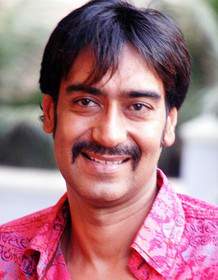
Capt. Manoj Kumar Pandey (Ajay Devgn)
Played by Ajay Devgn
A bold, frontline leader of 1/11 Gorkha Rifles who drives his men with relentless resolve. He pushes to neutralize bunkers under intense fire and mounting casualties. His final, singular act to sustain the assault leads to his death in action.
- 🎖️ Leadership
- 🏔️ Frontline
- 💔 Sacrifice
-
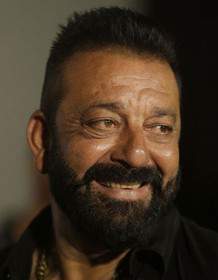
Lt. Col. Yogesh Kumar Joshi (Sanjay Dutt)
Played by Sanjay Dutt
A senior commander who orchestrates operations from the front, balancing aggressive actions with the cautious constraints of LoC rules. He steadies his troops under pressure and maintains focus on reclaiming peak positions. His presence anchors the mission's cohesion.
- 🏅 Leadership
- 🧭 Strategy
- MD
Maj. Deepak Rampal (Sanjay Kapoor)
Played by Sanjay Kapoor
A key staff officer who coordinates battles across multiple units, maintaining tempo and morale amid mounting casualties. He navigates shifting ground realities and supports decisive actions on the ridges.
- 🧭 Strategy
- 🏔️ Battlefield
-

Capt. Anuj Nayyar (Saif Ali Khan)
Played by Saif Ali Khan
A brave captain who leads assaults from the front, exemplifying the resolve of junior officers in the field. He takes initiative during critical pushes and contributes to the momentum on contested ridges.
- 🗡️ Heroism
- 🏔️ Frontline
- CV
Capt. Vikram Batra (Abhishek Bachchan)
Played by Abhishek Bachchan
A steady, decisive leader who commands during Tololing and beyond, symbolizing youthful courage under extreme pressure. His calm presence helps coordinate complex maneuvers under fearsome fire.
- 🔥 Valor
- 🏔️ Leadership
- LB
Lt. Balwan Singh (Akshaye Khanna)
Played by Akshaye Khanna
An able lieutenant who contributes to mountain warfare and unit cohesion. He faces brutal weather and heavy shelling while keeping his unit focused on the objective.
- 🗺️ Frontline
- 🧭 Strategy
- YS
Yogendra Singh Yadav (Manoj Bajpayee)
Played by Manoj Bajpayee
Member of the Ghatak section whose extraordinary courage helps breach enemy defenses; he endures grievous wounds and still links up with his battalion, becoming a symbol of resilience.
- 🧗 Bravery
- 🩹 Resilience
- CN
Capt. Nagappa (Puru Raaj Kumar)
Played by Puru Raaj Kumar
A key commander who participates in critical maneuvers and final pushes to reclaim ridge lines; he embodies disciplined execution under fire.
- 🛰️ Tactics
- 🏔️ Frontline
- RS
Rfn. Sanjay Kumar (Suniel Shetty)
Played by Suniel Shetty
A rifleman who stands firm through heavy combat; his endurance and steady duty on the frontline illustrate the soldier's ordinary heroism.
- 🪖 Endurance
- 🧭 Duty
- H(
Hema (Rani Mukerji)
Played by Rani Mukerji
Represents the home front and the emotional toll of war on families; her perspective adds a humane lens to the conflict.
- 💞 Family
- 🕯️ Remembrance
- DC
Dimple Cheema (Esha Deol)
Played by Esha Deol
A civilian-connected figure who anchors the human cost and moral stakes of the campaign.
- 💞 Family
- 🧭 Perspective
- S(
Santo (Isha Koppikar)
Played by Isha Koppikar
A character who contributes to the emotional arc and demonstrates resilience amid the war’s pressures.
- 🧭 Perspective
- 🧗 Resilience
- DR
Deepak Rampal's wife (Raveena Tandon)
Played by Raveena Tandon
Represents families waiting at home, offering a humane counterpoint to the battlefield and framing the campaign’s personal cost.
- 💞 Family
- 🕯️ Remembrance
Where and When Is LOC: Kargil Set?
LOC: Kargil is set in Mushkoh Valley, Kargil, Dras, Kaksar and Batalik (1999). Here is why the time and place matter to the story.
When
1999
The events unfold during the 1999 Kargil conflict along the Line of Control in Jammu and Kashmir. Military operations push through fog, reposted artillery and air sorties as Indian forces maneuver to seize key ridges such as Tololing and Tiger Hill. The narrative centers on a mobilized, high-stakes counteroffensive to reclaim the peaks and restore tactical advantage.
Where
Mushkoh Valley, Kargil, Dras, Kaksar, Batalik
The film is set along the Line of Control in Jammu and Kashmir, moving across rugged, high-altitude terrains such as Mushkoh Valley, Kargil, Dras, Kaksar and Batalik. The mountains dominate strategic routes like NH-1A/1D and shape every tactical decision under extreme weather and shelling. It portrays a narrow, costly contest to reclaim occupied peaks during the 1999 Kargil conflict.
- 🏔️ Mountain warfare
- ❄️ High altitude
- 🎯 Strategic ridges
What Are the Themes of LOC: Kargil?
3 ideas the story keeps returning to, among them Courage under Fire, Sacrifice & Remembrance and Leadership & Unity.
-
01
Courage under Fire
The story centers on soldiers facing brutal shelling, freezing temperatures and perilous terrain. Patrols push into contested heights, suffer heavy casualties, and press on to seize critical peaks. Moments of daring leadership—such as attempts to neutralize bunkers under fire—highlight courage as a continuous, costly choice.
-
02
Sacrifice & Remembrance
The battles exact a heavy human toll, with multiple officers and soldiers falling in action. The film memorializes heroes like Capt. Vijayant Thapar, Maj. Padmapani Acharya, Maj. Vivek Gupta and Yogendra Singh Yadav, whose sacrifices shape the course of the campaign. It underscores the emotional cost to families and the nation, honoring memory amid the conflict.
-
03
Leadership & Unity
A tapestry of units—1/11 GR, 18 Grenadiers, 2 Raj Rif, 13 JAK Rif and 17 Jat—performs under difficult weather and strategic constraints. Commanders like Col. Lalit Rai and Col. Ravindranath, along with Captains Pandey, Nayyar, Vikram Batra and others, drive coordinated assaults to reclaim high ground. The Indian Air Force’s reconnaissance and support weave into the ground effort, illustrating how teamwork and leadership sustain momentum.
What Kind of Film Is LOC: Kargil?
Tense in tone, with fast pacing and a moderate story, going by the plot summary.
- Tone
- Tense
- Pacing
- Fast
- Story
- Moderate
- Intensity
- High
- Ending
- Bittersweet
An intensely gripping and tense war film that immerses the viewer in the brutal, high-stakes combat of the Kargil conflict, marked by heavy casualties and a somber yet patriotic tone that ultimately delivers victory at a profound human cost.
- tense
- gripping
- patriotic
- somber
- brutal
- courageous
- war conflict
- military strategy
- sacrifice and loss
- courage under fire
Content notes: war violence, military combat, death of soldiers, graphic injury.
Quiz
How well do you remember LOC: Kargil? Test yourself on the story.