
Lady Oscar 1979

Directed by

Jacques Demy
Made by

Toho
Lady Oscar Plot Summary
Read the complete plot summary and ending explained for Lady Oscar (1979). From turning points to emotional moments, uncover what really happened and why it matters.
Lady Oscar Timeline
Follow the complete movie timeline of Lady Oscar (1979) with every major event in chronological order. Great for understanding complex plots and story progression.
Birth of Oscar and a gender-subversive upbringing
General Jarjayes' wife dies giving birth to a daughter. He refuses to accept a female heir and names the child Oscar, raising her as a boy to serve as his heir and companion. He tells the housekeeper that André will grow up with Oscar and become her closest friend, so the girl can be around men.
Oscar trains as a swordswoman and grows up as a boy
As the years pass, Oscar learns to sword-fight and behaves like a boy in all but birth. She forms an inseparable bond with André, who acts as her ally and confidant. Their unusual upbringing shapes a trust and loyalty that lasts years.
André's romantic feelings start
André begins to fall in love with Oscar, despite their close friendship. Oscar loves him as a brother and never returns his romantic feelings. The two navigate their roles within a rigid aristocratic world.
Oscar is appointed as royal guard by Marie Antoinette
The Queen of France notices Oscar's prowess and grants her a prestigious position as a personal guard. This elevates Oscar into court life and gives her access to power at Versailles. She becomes part of an elite circle while still bound by her vow to André.
The Queen's private affair becomes public
Marie Antoinette's secret lover Hans Axel von Fersen becomes part of court gossip, highlighting the Crown's hypocrisy. The aristocracy clings to power while ignoring the suffering of commoners. This public scandal intensifies the people's hunger for reform.
André moves to Paris as a stable boy and observes poverty
André leaves the palace life behind and becomes a common stable boy in Paris, witnessing the suffering of the lower classes every day. He grows convinced that revolution is necessary and tries to show Oscar his point of view. The contrast between aristocratic security and street hardship deepens his resolve.
Oscar's loyalty to the Crown and growing attraction to Fersen
Despite recognizing the outside world's cruelty, Oscar remains loyal to the Crown. She also starts to feel drawn toward Fersen, whose charisma complicates her loyalties. This inner conflict marks the early seeds of change.
Masked ball confession
At a masked ball, André confesses his love for Oscar and attempts to kiss her. Oscar is shocked and unable to return his feelings, though they remain friends. The moment cements the tension between duty, love, and friendship.
Revolution breaks out and orders to shoot protestors
In 1789, the revolution begins and Oscar is ordered to fire on protesting crowds outside Versailles. She and the other guards refuse and they are jailed for their defiance. André and some revolutionaries organize a daring rescue.
Oscar and the rebels free the jailed guards
André and other revolutionaries free Oscar and the other guards. Oscar declares her love for André, and the two begin a relationship. The alliance between them signals a blend of romance and rebellion.
Father's refusal and sword conflict
The General refuses to join the rebels and even attempts to kill Oscar. A sword fight erupts, during which André defends Oscar and helps them escape. The escape marks a dangerous turning point as the old order fights back.
Tragedy at the Bastille
During the storming of the Bastille, André dies, leaving Oscar to search through the chaotic scene for his body. The loss sears through Oscar and redefines her mission in the revolution. The chaos of 1789 closes in around them all.
Lady Oscar Characters
Explore all characters from Lady Oscar (1979). Get detailed profiles with their roles, arcs, and key relationships explained.
Oscar François de Jarjayes (Catriona MacColl)
Raised as a boy to serve as a royal guard, Oscar excels in swordsmanship and navigates a rigid aristocratic world. Her loyalty to the Crown clashes with growing sympathy for the commoners and for her friend André. She experiences a transformative love dilemma, ultimately choosing loyalty and love in a tumultuous era.
André Grandier (Barry Stokes)
A former stable boy who becomes Oscar’s inseparable ally and secret revolutionary voice. His love for Oscar remains platonic, while his belief in equality pushes him to challenge the aristocracy. He sacrifices personal safety for the cause, ultimately dying at the Bastille.
Hans Axel von Fersen (Jonas Bergström)
An aristocratic guard who becomes the Queen’s lover, embodying the court’s charm and political maneuvering. His relationship with the Queen exposes the Crown’s hypocrisy. He embodies the tension between personal desire and public duty.
Marie Antoinette (Christine Böhm)
The Queen whose vanity and fascination with Oscar mask the suffering of the common people. Her secret affair with Fersen scandalizes the court and underscores the divide between excess and need. She remains a symbol of opulence and political risk.
Général de Jarjayes (Mark Kingston)
Oscar’s father, a stern defender of aristocratic privilege. He values lineage and authority, refuses to acknowledge a female heir, and tries to protect the Crown by any means, including clashing with his daughter. His actions reveal the perils of rigid patriarchy.
Maximilien de Robespierre (Christopher Ellison)
A leading voice of revolutionary ideals, Robespierre embodies the drive for equality and the political shift that challenges the Crown. His presence signals the rising momentum of the revolution and the moral debates surrounding justice and liberty.
Lady Oscar Settings
Learn where and when Lady Oscar (1979) takes place. Explore the film’s settings, era, and how they shape the narrative.
Time period
1789
Set in the late 1780s culminating in the French Revolution of 1789, the period is marked by extravagant royal spectacle and mounting social tension. Aristocrats enjoy opulence while commoners protest food shortages and inequality. The timeline follows the Crown’s resistance to change and the dawn of revolutionary upheaval that reshapes France.
Location
Versailles, Paris, France
The story unfolds across the opulent halls of Versailles and the bustling streets of Paris. The palace setting highlights privilege, ceremony, and political maneuvering, while the city outside echoes with hunger and unrest. This contrast underscores the widening gap between the crown’s glittering world and the people’s suffering.
Lady Oscar Themes
Discover the main themes in Lady Oscar (1979). Analyze the deeper meanings, emotional layers, and social commentary behind the film.
🕊️
Liberty
The film centers on the struggle for freedom from rigid social hierarchies. Oscar navigates duty to the Crown while feeling the pull of equality for all citizens. Personal loyalty clashes with political change, highlighting the human cost of revolution.
⚖️
Justice
Aristocratic privilege is contrasted with the hunger and needs of the common people. The Crown’s hypocrisy is exposed through secret affairs and public spectacle. The revolution seeks to redefine who deserves rights and protection under the law.
🗡️
Conflict
Swordplay, political intrigue, and public violence drive the plot. Oscar’s guards refuse orders to fire on protesters, and rival loyalties clash as the Bastille falls. The personal cost of upheaval is felt in the deaths and betrayals that follow.

Coming soon on iOS and Android
The Plot Explained Mobile App
From blockbusters to hidden gems — dive into movie stories anytime, anywhere. Save your favorites, discover plots faster, and never miss a twist again.
Sign up to be the first to know when we launch. Your email stays private — always.
Explore the mobile appMovies with Similar Twists and Themes
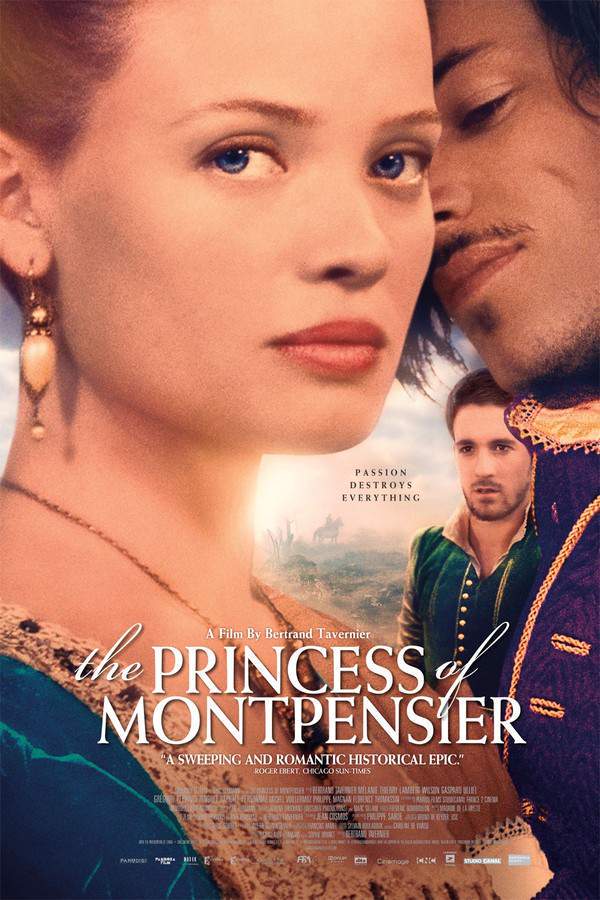
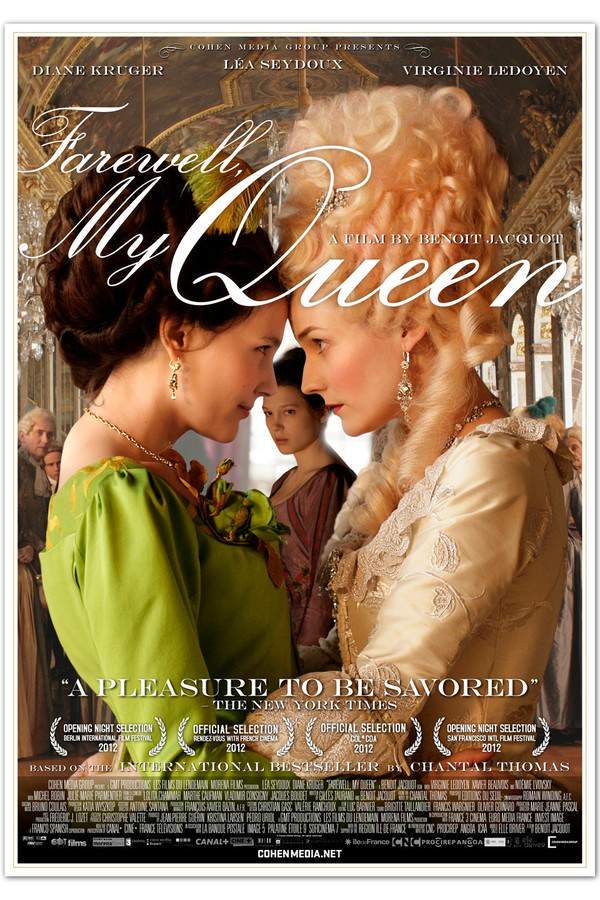
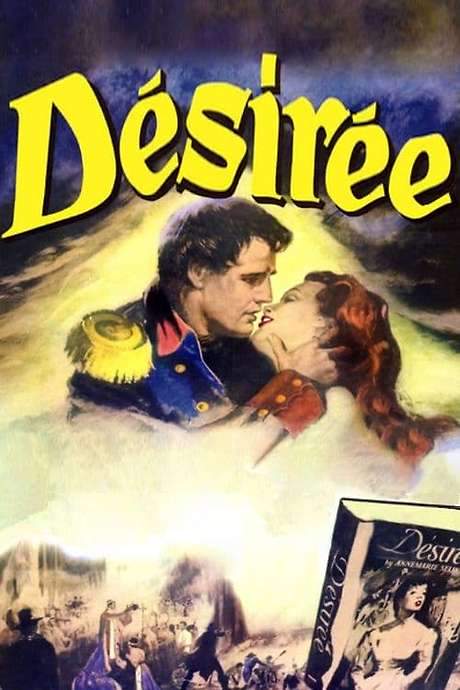
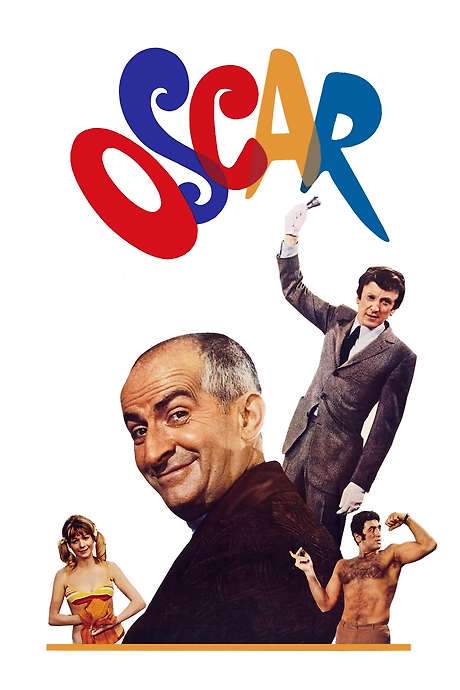
Uncover films that echo the narrative beats, emotional arcs, or dramatic twists of the one you're exploring. These recommendations are handpicked based on story depth, thematic resonance, and spoiler-worthy moments — perfect for fans who crave more of the same intrigue.





Featured on this page

What's After the Movie?
Not sure whether to stay after the credits? Find out!
Check out our other apps:

SAT Sphere
Build confidence for the Digital SAT.

Mori Atlas
Discover wild places worth protecting.

Luntero
Search smarter for a home in Amsterdam.

Plot Explained
Unravel movie endings and hidden clues.

Pokechamp
Dive into Pokémon data and battle logic.

Driving Theory
Get ready for your European theory test.

Movie Dust
Plan your next cinema trip with ease.

Musemap
Find art and culture as you travel.

Selkobase
Compare credentials before committing.

Local Manual
Turn an unfamiliar country into practical next steps.

Lernavi
Compare school systems before your next move.

GymRoam
Find a workout stop wherever your plans take you.
Explore Our Movie Platform
New Movie Releases (2026)
Famous Movie Actors
Top Film Production Studios
Movie Plot Summaries & Endings
Major Movie Awards & Winners
Best Concert Films & Music Documentaries
Movie Collections and Curated Lists
© 2026 What's After the Movie. All rights reserved.
Privacy Policy