What Is La Grande Bouffe About?
The premise of La Grande Bouffe in 298 words, with nothing given away. The full story follows below.
In a sun‑drenched Italian villa that feels more like a stage than a home, a group of old friends converge for a weekend that promises nothing short of an extravagant experiment in consumption. Their single, audacious aim—to eat themselves to death—turns the tranquil setting into a pressure cooker of gluttony, wit, and existential provocation. The film swirls between dark comedy and unsettling satire, bathing each scene in the glossy sheen of high‑society polish while letting the scent of butter and roast linger like an ominous perfume.
Ugo is the charismatic owner of a famed restaurant, a gastronome whose swagger in the kitchen is matched only by his stubborn refusal to stop until the last morsel is gone. Philippe, a magistrate, arrives with his lifelong nanny Nicole, whose protective instincts blur into a peculiar, almost suffocating intimacy that colors the group’s dynamics. Marcello brings the swagger of an Alitalia pilot and a reputation as a consummate womanizer, while Michel, an effeminate television producer, offers a more delicate, almost theatrical sensibility to the quartet’s hedonistic pursuits. Their contrasting motives and quirks flare against the backdrop of manicured gardens, a well‑stocked pantry, and a kitchen that becomes the film’s beating heart.
The tone rides a razor’s edge between lavish indulgence and a creeping sense of fragility; every lavish banquet feels both a celebration and a quiet warning. As the friends prod each other’s appetites, the villa’s elegance slowly succumbs to a chaotic energy, hinting at the thin line between pleasure and self‑destruction. A few peripheral figures, like a curious educator who drifts into the orbit of the gathering, add layers of intrigue without tipping the balance. The film invites viewers to watch a sumptuous rite unfold, where class, desire, and the absurdity of excess collide in a comic yet disquieting dance.
What Happens in La Grande Bouffe?
The complete story of La Grande Bouffe, from the first scene to the last, in 1,040 words (about 5 minutes). Spoilers throughout.
Spoilers ahead
The film follows four friends who gather at a beautifully furnished villa for the weekend with a single, stark aim: to eat themselves to death. Bouffer is French slang for “eating” (the Italian abbuffata means “great eating”), and the title sets the tone for a darkly comic, taboo-busting meditation on excess, appetite, and the fragility of desire.
The group centers on four distinct personalities. Ugo [Ugo Tognazzi] is the owner and chef of a restaurant called The Biscuit Soup, a larger-than-life gastronome whose enthusiasm for food is matched only by a stubborn stubbornness to quit until the last bite. Philippe [Philippe Noiret] is a magistrate who still lives with his childhood nanny, Nicole [Michèle Alexandre], a protective, all-consuming presence who also uses the arrangement to satisfy her own sexual needs. Marcello [Marcello Mastroianni] is an Alitalia pilot and consummate womanizer, while Michel [Michel Piccoli] is an effeminate television producer, bringing a different kind of sensitivity to the quartet’s circle. The four converge by car on Philippe’s villa, where the old caretaker, Hector [Gérard Boucaron], has already arranged the estate’s arrangements and menus, a quiet host to their escalating indulgence.
Upon their arrival, a Chinese visitor appears in the wings, offering Philippe a job in faraway China, which he politely declines with Virgil’s famous warning, “Timeo Danaos et dona ferentes.” The moment marks a delicate balance between temptation and restraint that the rest of the weekend will relentlessly test. Once the four are alone, their binge begins in earnest: bowls and plates pile up as they race oysters and revel in tastings that push the boundaries of good taste and bodily tolerance.
They discuss staging a more predatory, “feminine presence,” and hatch a plan to invite three prostitutes to the villa the following night, though Philippe himself resists participating in that plan. The next day’s routine is interrupted by a school class arriving to view the garden and the famed “linden tree of Boileau,” a touch of culture amid their hedonistic chaos. The class’s arrival also doubles as a spectacle in the kitchen, where the teacher Andrea [Andréa Ferréol] enters the scene and, despite Philippe’s misgivings about the company, quickly becomes drawn into the party’s dizzying orbit. The class tour also includes a glimpse of a vintage Bugatti in the garage, and a lavish lunch prepared in the kitchen. Andrea’s presence breathes a strange, almost tender energy into the sequence, as she agrees to join in the evening’s dinner and is later drawn to Philippe, who even muses about marrying her.
A pivotal turn comes as the four men resume their relentless eating, aided by Ugo’s culinary prowess. Michel, raised with strict table manners, suffers indigestion and tries to suppress his bodily noises, a comic yet grotesque thread that only deepens the film’s sense of claustrophobia amid abundance. The prostitutes do arrive as planned, but their dawn departure leaves Andrea to hold the line and, in a sense, to join the others in their shared perversion of appetite.
Andrea soon establishes a tacit alliance with the others and begins to engage sexually with all the men after the prostitutes depart, while choosing to stay with them until the end. The grim progression of death begins with Marcello, who, driven by impotence and rage, locks himself in the bathroom, causing the pipes to burst and flood the bathroom with sewage. He exits in a snowstorm to his beloved Bugatti where he is found dead the next morning, seated in the car. Rather than bury him, Philippe warns of the legal consequences and the body is stored in the villa’s cold room, visible from the kitchen as the first silent reminder of mortality within their feast.
Next comes Michel, already burdened with indigestion and a stomach stuffed beyond capacity, who suffers a violent assault of flatulence and a collapse on the terrace. His body is placed alongside Marcello in the cold room, a grim tableau that underlines the futility of their endeavor. Soon after, backyard dogs disrupt the scene—new dogs appear, and the group orchestrates a macabre culinary centerpiece: an enormous pâté shaped like the Dome of Les Invalides, made from three pressures of liver. The dish is decorated with eggs, a symbolic if jarringly superstitious touch, and served to Philippe and Andrea in the kitchen as they watch the two dead friends. The moment is both grotesque and darkly comic, a culinary ritual that reveals the men’s desperation and their hunger’s final hold.
Philippe and Andrea cannot bring themselves to eat the pâté, and Philippe retreats to bed while Andrea remains in the kitchen to monitor Ugo’s growing appetite. Eventually, Andrea persuades Philippe to come down and intervene, but the two are unable to stop Ugo from devouring the entire dish. The elder man partakes in a grim tableau of feeding himself on the kitchen table, while Andrea both consoles and facilitates him, even as he dies in a final moment of carnal synthesis. The bodies pile up, and the plan to bury the dead is replaced by a grim practicality: the kitchen and the cold room now house Ugo, Marcello, and Michel.
The last to die is Philippe, who succumbs on a lime-tree bench with Andrea by his side, as another delivery of meat arrives. Andrea instructs the delivery men to leave the meat—a full spread of whole animals and sides of pork and beef—in the garden, a perverse coda to their ritual. The film closes with the garden flooded by dogs that descend on the meat, turning the lawn into a feasting ground for the animals as the four men’s experiment ends in chaos rather than clarity.
The portrait is at once darkly funny and unsettling, a satire of bourgeois excess and the fragility of the human body and its appetites. The ensemble’s performances blend pathos with farce, creating a devastating meditation on how culture, class, and desire collide when appetite eclipses restraint. The villa, once a symbol of comfort and refinement, becomes a stage for an increasingly grotesque feast where the line between pleasure and destruction blurs, leaving behind only the echo of laughter, a lingering stink of the kitchen, and a garden full of gluttonous dogs feasting on the remnants of four lives sacrificed to their own appetites.
La Grande Bouffe Timeline: Every Key Event in Order
14 key events in the order they happen, from “Villa gathering and introductions” to “The dogs feast on the remnants”. 14 events name a place, across 9 locations.
- 1
Villa gathering and introductions
Four friends arrive at Philippe's villa to reconnect during a weekend of excess. They are greeted by the old caretaker Hector, who has prepared everything for a grand feast, and a Chinese visitor whose offer Philippe sharply rejects with a Virgil quote. The scene establishes the decadent mood and the plan to eat themselves to death.
Where:Villa
- 2
The first feast and the oyster race
Ugo and Marcello lead the opening round as they race to see who can eat oysters faster, setting the tone of competitive gluttony. The friends discuss inviting a feminine presence to spice up the gathering, and they decide to invite three prostitutes the next evening. The atmosphere becomes increasingly charged as the feast continues.
When:Evening Where:Villa kitchen
- 3
Plan for prostitutes
Having glimpsed the pleasures to come, they decide to invite three prostitutes to the house the following evening, excluding Philippe who resists participation. The plan sharpens the undercurrent of transgressive indulgence that will permeate the weekend. The men prepare for a night of uninhibited excess.
When:Following evening Where:Villa
- 4
School visit and Andrea the teacher
During breakfast the next day, a school class arrives, drawn by the villa's famed Boileau linden tree and the old Bugatti in the garage. The four invite the class to tour the garden and kitchen, and Andrea, a young teacher, joins their plans for dinner. Philippe warns Andrea about the company, but she remains unfazed and intrigued.
When:Morning Where:Garden and kitchen
- 5
Prostitutes arrive and party escalates
That evening, the prostitutes arrive and the party becomes frivolous and sexually charged, with the men howling in unrestrained joy. Andrea embraces the lively atmosphere and even engages with Philippe, who awkwardly contemplates marrying her. The orange glow of the feast signals a descent into uncontainable appetite.
When:Evening Where:Villa
- 6
Indigestion and ritual flatulence
Michel, raised to meticulous propriety, battles a rising indigestion as the others urge him to release his wind. The room fills with laughter and crude humor as the feast pushes past social boundaries. The physical discomfort foreshadows the wreckage to come.
When:Evening Where:Kitchen and terrace
- 7
Prostitutes flee at dawn; Andrea stays
At dawn the prostitutes flee, leaving Andrea behind to join the others in their perverse convergence. She cements a tacit agreement to stay and participate in the binge, aligning herself with the doomed plan. The four continue to revel in spite of their fading humanity.
When:Dawn Where:Villa
- 8
Andrea's involvement deepens
Andrea becomes an active participant, sharing intimate moments with each man and remaining at the center of the group's delirium. Her presence turns the event into a perverse alliance where sex and gluttony reinforce their self-destruction. The crew's appetite intensifies as night deepens.
When:Night Where:Villa
- 9
Marcello's death
Marcello dies after an outburst about impotence; he goes to the toilet, the pipes explode, and he attempts to flee in the repaired Bugatti during a snowstorm. He is found the next morning frozen in the car, and his body is placed in the cold room for preservation.
When:Night Where:Bathroom, then Bugatti
- 10
Michel dies
Michel, overwhelmed by indigestion and being crammed with food, experiences a final bout of flatulence while playing the piano and collapses on the terrace. His body is moved to the cold room beside Marcello to join the other victims.
When:Night Where:Terrace and cold room
Show the other 4 events of La Grande Bouffe Hide the last 4 events
- 11
Ugo's pâté spectacle
Backyard dogs cause a stir as Ugo unveils a colossal three-liver pâté shaped like the Dome of Les Invalides and serves it to Philippe and Andrea in the kitchen. They cannot bring themselves to eat, while Ugo presses on, intensifying the ritual. Andrea and Philippe watch as the feast takes on a macabre edge.
When:Night Where:Kitchen
- 12
Ugo dies on the kitchen table
The binge reaches its grotesque apex as Andrea helps push the group toward the end. Ugo is fed on the kitchen table while Philippe participates, and they finally die together as the act is completed with explicit sexual escalation. His body is left in place in his domain on the kitchen table.
When:Night Where:Kitchen
- 13
Philippe's death under Boileau
The last to die is Philippe, dying on the lime-tree bench of Boileau while Andrea holds him and a dog sits nearby. A delivery of meat arrives; Andrea instructs the delivery men to leave whole animals and sides of pork and beef in the garden, sealing the grotesque ritual. The garden becomes a site of silence as the living collapse into the feast.
When:Night Where:Lime-tree Boileau garden
- 14
The dogs feast on the remnants
With all four dead, the garden fills with dogs that begin to feast on the carcasses and scraps, finishing the weekend's deadly circle of appetite. The villa becomes a tomb of gluttony as the last echoes of laughter fade away. The final image is a grotesque tableau of animals feasting where the friends once gathered.
Where:Garden
Who Are the Main Characters in La Grande Bouffe?
5 characters, among them Marcello (Marcello Mastroianni), Philippe (Philippe Noiret) and Ugo (Ugo Tognazzi): who each one is and the part they play in the story. Every profile links to the actor’s page.
-

Marcello (Marcello Mastroianni)
Played by Marcello Mastroianni
A charming, impulsive pilot and restaurateur who anchors the feast with his gusto and pride in food. His bravado masks a brittleness exposed by his ultimate inability to control his desires. He dies after attempting to flee in his restored Bugatti, revealing the limits of power and appetite. His corpse is later kept in the villa's cold room as the others continue their bid for oblivion.
- 🎭 Debauchery
- 🍖 Appetite
- 🚗 Death
-
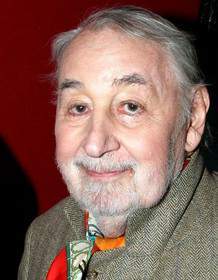
Philippe (Philippe Noiret)
Played by Philippe Noiret
A magistrate who still lives with his overprotective nanny Nicole. He embodies a fragile blend of dignity and moral rigidity, ultimately resisting the Chinese envoy’s offer as a test of loyalty. He dies last, on the lime-tree bench after a pudding ritual that mirrors the grotesque excess around him. His careful, law-bound persona cannot save him from the consequences of their indulgence.
- ⚖️ Justice
- 🎭 Hypocrisy
- 🍷 Hedonism
-
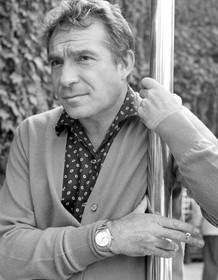
Ugo (Ugo Tognazzi)
Played by Ugo Tognazzi
Owner and chef of a renowned restaurant who orchestrates the culinary excess from the kitchen. His pride in grandiose dishes peaks with the Dome of Les Invalides pâté, a symbol of their overreaching appetites. He dies while trying to finish the feast, his body left on the kitchen table as the others look on. His demise epitomizes the ruin that unchecked appetites can bring upon a friendship.
- 🍽️ Chef
- 🍖 Appetite
- 💀 Death
-
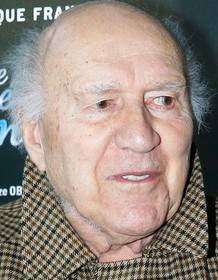
Michel (Michel Piccoli)
Played by Michel Piccoli
An effeminate television producer whose indigestion and fear of flatulence become comic yet tragic notes in the carnivalesque weekend. He succumbs to a final collapse amid the atmosphere of excess, contributing to the sense that even the most refined pretensions cannot withstand unrestrained indulgence. His death adds to the mounting grotesque spectacle that drives the finale.
- 🎬 Producer
- 💨 Indigestion
- 💀 Death
-

Andrea (Andréa Ferréol)
Played by Andréa Ferréol
A young, buxom teacher who becomes entangled in the men's misadventures while remaining surprisingly central to the group’s dynamics. She initiates and sustains the tacit agreement to stay through the night, sharing in the sexual escapades and ultimately guiding the situation toward its irreversible end. She endures with the others to the very end, embodying both complicity and a certain agency within the chaos.
- 🍎 Teacher
- 💃 Seduction
- 🌟 Catalyst
Where and When Is La Grande Bouffe Set?
La Grande Bouffe is set in Philippe's villa (1970s). Here is why the time and place matter to the story.
When
1970s
The events take place over a single weekend in the early 1970s, a period often associated with shifting social norms and liberal attitudes. The film uses this contemporary setting to critique bourgeois pleasure as a form of performance. The relentless feast and eventual deaths unfold in a world that feels both luxurious and morally provisional.
Where
Philippe's villa
The story unfolds in Philippe's beautifully furnished but unused villa, which becomes the stage for a weekend of unbridled eating and decadence. The old caretaker Hector and a Chinese visitor add a touch of the outside world to the secluded life inside. The garden, including the famous lime-tree of Boileau, frames the escalating excess as the men invite prostitutes and host a dinner that spirals toward catastrophe.
- 🏡 Villa
- 🍽️ Food obsession
- 🎭 Excess
What Are the Themes of La Grande Bouffe?
3 ideas the story keeps returning to, among them Hedonism, Mortality and Hypocrisy.
-
01
Hedonism
The four friends gather with the explicit aim of eating themselves to death, turning meals into a theater of excess. Dishes grow increasingly grotesque, culminating in a dome-shaped pâté and other elaborate feasts. The film uses food and sex as instruments to probe the emptiness of their relationships and the fragility of their camaraderie. The indulgence consumes them as rapidly as it begins.
-
02
Mortality
Death arrives as an inescapable companion to the banquet, striking each man in turn through accidents, collapses, and the consequences of overindulgence. The bodies are stored in the villa's cold room, a stark reminder of the fate that awaits even the wealthiest and most powerful. The ending—with the garden overrun by dogs feasting on the remnants—emphasizes the ultimate limit of human vanity. Mortality undercuts every boast and exception they rely on.
-
03
Hypocrisy
The characters’ public personas—magistrate, chef, pilot, and producer—mask a shared incapacity for authentic connection and restraint. Andrea's presence both seduces and destabilizes the group, exposing their manipulation and moral laxity. The plan to hire prostitutes and the subsequent abandonment of norms reveal the hollow core of bourgeois respectability. Through satire and grotesque pleasure, the film critiques social facades that crumble when faced with ultimate excess.
What Kind of Film Is La Grande Bouffe?
Dark in tone, with steady pacing and a moderate story, going by the plot summary.
- Tone
- Dark
- Pacing
- Steady
- Story
- Moderate
- Intensity
- High
- Ending
- Bleak
A steadily unfolding, deeply unsettling descent into decadence that blends dark satire with grotesque bodily horror, leaving the viewer in a state of claustrophobic fascination as four friends methodically consume themselves to death.
- grotesque
- decadent
- claustrophobic
- nihilistic
- darkly comic
- unsettling
- suicide pact
- hedonism
- bourgeois excess
- mortality
Content notes: suicide pact, self-harm through overconsumption, graphic depictions of death, sexual content.
Quiz
How well do you remember La Grande Bouffe? Test yourself on the story.
Where to Watch La Grande Bouffe
. US availability and prices from JustWatch.
Streaming availability in the US, powered by