What Is Knock on Any Door About?
The premise of Knock on Any Door in 346 words, with nothing given away. The full story follows below.
In a rain‑slick city where the shadows of the tenements stretch into the polished corridors of justice, a determined lawyer takes on a case that forces both the courtroom and the streets to confront the same uneasy truth: the line between survival and crime is razor‑thin. The film moves between the oppressive alleys of the slums and the cold, procedural world of the courtroom, each setting echoing with a quiet, relentless tension that keeps the audience poised on the edge of every exchange.
Andrew Morton is a sharp‑tongued attorney whose reputation for relentless advocacy is matched only by his willingness to step into the moral gray zones most of his colleagues prefer to avoid. Driven by a personal connection to the world his client inhabits and haunted by past professional compromises, he finds himself battling not just legal opposition but the weight of his own conscience. His partnership is uneasy, his motives ambiguous, and the stakes feel as personal as they are professional.
Nick Romano arrives from the harsh reality of the inner‑city neighborhoods, a young man whose life has been shaped by a series of small, desperate choices that hint at something larger. Through fragmented flashbacks, we glimpse a world of cramped apartments, restless streets, and fleeting moments of hope—a world where love, marriage, and the promise of a child offer a glimpse of redemption, yet remain fragile against the pull of old habits. His presence in the courtroom becomes a mirror reflecting society’s own failures and the question of whether anyone can truly escape the environment that forged them.
The trial itself unfolds as a battle of philosophies, with the prosecutor pressing for accountability while the defense paints a broader picture of systemic neglect. The dialogue is charged, the atmosphere thick with the weight of societal judgment, and the film’s tone remains a gritty, introspective study of how poverty, ambition, and the law intersect. The story invites viewers to ponder whether justice can ever be truly impartial when the very fabric of a city’s underbelly is woven into the lives it seeks to judge.
What Happens in Knock on Any Door?
The complete story of Knock on Any Door, from the first scene to the last, in 606 words (about 3 minutes). Spoilers throughout. Names in the text link to 4 cast member pages.
Spoilers ahead
Andrew Morton Humphrey Bogart is a sharp-talking lawyer who, despite the objections of his partners, agrees to take the case of Nick Romano John Derek, a troubled young man from the slums. Morton’s decision is driven partly by a shared background with Nick and partly by guilt over a partner’s earlier misstep in the trial of Nick’s father. The case centers on a brutal charge: Nick stands accused of shooting a police officer, a crime that could carry the death penalty if he is convicted. Morton steps into a courtroom where the odds seem stacked against him and where the weight of Nick’s upbringing weighs heavily on the jury.
Nick Romano’s life unfolds through flashbacks, painting a portrait of a youth steeped in petty crime and rough streets. The recollections reveal a pattern of small-time offenses that shape the harsher choices he makes later. Back home, Morton’s wife, Adele Morton Candy Toxton, urges Morton to try to reform Nick by taking responsibility for him beyond the courtroom. This leads to a fateful turn: Nick robs Morton of $100 after a fishing trip, an act that complicates the defense and foreshadows the struggles ahead. Not long after, Nick marries Emma Allene Roberts, and he attempts to rebuild his life by taking various jobs and rejecting some of his former impulses.
The couple’s attempts at stability are tested as Nick struggles to stay on a straight path. He is repeatedly fired from jobs for his stubborn nature, and his efforts to provide for Emma—such as buying her jewelry—are undermined by his own impulses and his penchant for gambling. A pivotal moment comes when he abandons a steady job after an outburst at his boss, deepening the perception that he cannot escape his past. Believing in a chance at a normal life, Nick and Emma conceive a child, yet the pressures and temptations of a hard-edged world pull him back toward old habits. The most harrowing turn arrives when Nick, feeling cornered and without hope, walks away from the possibility of a safer future, muttering his notorious motto: “Live fast, die young, and have a good-looking corpse.”
“Live fast, die young, and have a good-looking corpse.”
As the trial moves forward, Morton’s strategy hinges on a social argument: slums breed crime, and society bears responsibility for people driven to desperate acts. He insists that Nick is a victim of deprivation rather than an inherently murderous killer, hoping to soften the jurors’ hearts and frame the defendant as someone shaped by harsh circumstances rather than as a cold-blooded killer. The seasoned District Attorney Kerman [George Macready] relentlessly presses Nick with a barrage of questions, challenging Morton’s vision of Nick’s humanity. Under the harsh, persistent interrogation, Nick finally confesses to the act, shattering Morton’s faith in innocence and forcing a dramatic shift in the defense’s approach.
Despite Morton’s plea for sympathy and reform, the court remains focused on the concrete facts and Nick’s own admission. In a moment of candor, Nick chooses to change his plea to guilty, a decision that marks a turning point in the case. As the sentencing hearing unfolds, Morton pivots to a broader appeal, highlighting the bleakness of life on the margins and urging the court to consider the systemic factors that can lead someone to pass through doors into crime. Yet the gravity of the crime lingers, and Nick is ultimately condemned to die in the electric chair. In a final, quiet scene, Morton visits Nick before the execution, bearing witness as Nick strides down the corridor toward the death chamber, a stark reminder of the human cost at the heart of the legal battle.
Knock on Any Door Timeline: Every Key Event in Order
12 key events in the order they happen, from “Morton agrees to defend Nick Romano” to “Morton visits Nick before execution”. 12 events name a place, across 9 locations.
- 1
Morton agrees to defend Nick Romano
Morton takes on the case despite his law partners' wishes, driven by a connection to the slums and a sense of guilt over a past botched trial involving Nick's father. He commits to guiding Nick through the trial and perhaps shaping him rather than seeking a straightforward win. Nick Romano stands accused of shooting a policeman at point-blank range and faces execution if convicted.
When:Present day Where:Morton's office
- 2
Nick's troubled past revealed in flashbacks
The film intercuts flashbacks showing Nick as a hoodlum who cycles through petty crimes. The sequence paints a portrait of the slums that shaped his early life and tendencies. These recollections contextualize why Morton is drawn to defend him.
When:Flashbacks: Nick's youth Where:Nick's neighborhood
- 3
Adele pushes Morton to mentor Nick
Morton's wife Adele convinces him to play nursemaid to Nick, hoping personal guidance can steer him toward a better path. This personal stake becomes a facet of Morton's defense strategy and moral motivation. The dynamic links Nick's fate to Morton's willingness to intervene.
When:Early in the case Where:Morton's home
- 4
Nick robs Morton after a fishing trip
Shortly after a fishing trip, Nick robs Morton of one hundred dollars, marking a relapse into his old impulses. The theft underscores that the reform attempt is not yet complete and strains the mentor-mentee relationship. This act foreshadows the volatility that surrounds Nick's life.
When:After fishing trip Where:Fishing trip location
- 5
Nick marries Emma and pursues change
Nick marries Emma, and for a while he tries to turn his life around. He takes on job after job, but his recalcitrance leads to frequent firings. He squanders his paycheck on dice, and even after he wins Emma's support, he punches his boss and quits another job.
When:Early in marriage Where:Emma's town/home
- 6
Nick's despair drives him back to old ways
Feeling there is little chance for a normal life, Nick returns to his old rule of living fast and dying young. He abandons Emma, who is pregnant, demonstrating a collapse of his better intentions. The marriage unravels as his fatalistic motto takes over.
When:Present Where:Emma's home
- 7
Botched train station hold-up and Emma's death
After a botched hold-up at a train station, Nick seeks to take Emma with him as he escapes. He learns that Emma has died by suicide using gas from an open oven, a devastating twist that deepens his guilt. This tragedy marks a turning point in his fate.
When:Soon after hold-up Where:Train station; Emma's home
- 8
Morton presents a social argument in court
Morton argues in court that slums breed criminals and that society bears responsibility for the crimes of those living in misery. He frames Nick as a victim of systemic conditions rather than a purely instinctual killer. The strategy seeks to elicit sympathy rather than affect the verdict directly.
When:Trial day Where:Courtroom
- 9
DA Kerman relentlessly questions Nick
The seasoned District Attorney Kerman relentlessly questions Nick, delivering a barrage of inquiries that test his truthfulness. The pressure culminates in Nick blurting out a confession, exposing the limits of Morton's defense strategy. Morton's confidence in Nick's innocence begins to crumble under the cross-examination.
When:Trial day Where:Courtroom
- 10
Nick changes his plea to guilty
Shocked by Nick's confession, Morton realizes his client may be guilty and his earlier beliefs are wrong. Nick then decides to change his plea to guilty, altering the course of the defense. During the sentencing hearing, Morton appeals for mercy by highlighting those trapped in dead-end lives.
When:During sentencing phase Where:Courtroom
- 11
Nick is condemned to death
Nick is sentenced to die in the electric chair, a grim verdict that closes the defense's hopeful thread. The sentencing underscores the harsh consequences of a life of crime and the system's finality. Morton leaves the courtroom with a heavy sense of what the trial has revealed about Nick and himself.
When:Sentencing hearing Where:Courtroom
- 12
Morton visits Nick before execution
Morton visits Nick in prison before the execution and witnesses him walking down the hall toward the death chamber. The visit marks a somber culmination of their uneasy journey and Morton's professional and personal investment. The scene resolves the arc with a stark, fatal consequence.
When:Before execution Where:Prison; death chamber corridor
Who Are the Main Characters in Knock on Any Door?
4 characters, among them Andrew Morton (Humphrey Bogart), Nick Romano (John Derek) and Adele Morton (Candy Toxton): who each one is and the part they play in the story. Every profile links to the actor’s page.
-
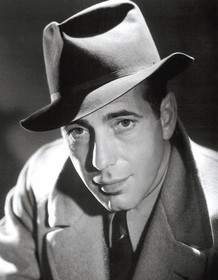
Andrew Morton (Humphrey Bogart)
Played by Humphrey Bogart
A slick, ambitious defense attorney who takes on Nick Romano's case partly out of personal history and guilt for his partner's past failure. He believes in the power of law to rehabilitate and in defending the underprivileged, though his optimism is often tested by the realities of the courtroom. His blind faith in Nick's innocence clashes with harsh courtroom realities as the case unfolds.
- ⚖️ Lawyer
- 🕊️ Idealist
- NR
Nick Romano (John Derek)
Played by John Derek
A troubled young man shaped by poverty and a string of petty crimes. He oscillates between attempts at reform and relapsing into old habits, ultimately revealing a fatalistic motto about living fast and dying young. His choices are driven by desperation, pride, and a longing for security and love.
- ⚡️ Criminal
- 🧭 Tragic figure
- AM
Adele Morton (Candy Toxton)
Played by Candy Toxton
Morton's wife who pushes him to mentor Nick, offering a glimmer of hope and a model of nurturing. She embodies warmth and moral concern, but her influence highlights the fragility of reform when confronted with Nick's entangled loyalties and the pressures of the case.
- ❤️ Wife
- 🗝️ Secret worries
- E(
Emma (Allene Roberts)
Played by Allene Roberts
Nick’s partner and later a tragic figure who embodies the consequences of a life entangled with crime. Her relationship with Nick reveals themes of love, loyalty, and missed chances, ending in her suicide as Nick remains immersed in his old life.
- 💔 Love
- 🧩 Loyalty
Where and When Is Knock on Any Door Set?
Knock on Any Door is set in Slums, Courthouse, Train Station and Prison (1940s). Here is why the time and place matter to the story.
When
1940s
The story unfolds in a contemporary 1940s urban setting, reflecting postwar social issues. It centers on crime, justice, and reform within a city that grapples with poverty and violence. Courtrooms and police work anchor the period, culminating in a death sentence that underscores the era's harsh penal practices.
Where
Slums, Courthouse, Train Station, Prison
The film moves through dense urban slums that reflect poverty and limited opportunities. The courthouse is a focal point where the legal battle over Nick Romano's fate unfolds, highlighting the tension between evidence, rhetoric, and the jury. Public spaces like train stations serve as backdrops for Nick's impulsive crimes, while the prison’s electric chair marks the terminal consequence of crime.
- 🏚️ Urban poverty
- 🏛️ Courtroom drama
- 🚉 Train hub
- 🔒 Prison system
What Are the Themes of Knock on Any Door?
3 ideas the story keeps returning to, among them Society & Crime, Redemption and Justice & Mercy.
-
01
Society & Crime
The narrative argues that poverty and slums shape criminal paths, rather than individual evil alone. Morton contends that society bears responsibility for Nick's choices and crimes, challenging the idea of innate criminality. The courtroom becomes a battleground where social factors are weighed against personal accountability.
-
02
Redemption
Morton clings to the possibility that a troubled youth can reform with guidance and care. Adele’s influence nudges Nick toward attempts at change, but old habits threaten to pull him back. The story questions whether genuine reform can survive the pressures of environment and circumstance.
-
03
Justice & Mercy
The film juxtaposes punitive justice with compassion for human frailty. The DA presses for the harshest outcome, while Morton seeks mercy based on Nick's context and potential for reform. In the end, the execution underscores the limits of mercy within a system designed to deter crime.
What Kind of Film Is Knock on Any Door?
Dark in tone, with steady pacing and a straightforward story, going by the plot summary.
- Tone
- Dark
- Pacing
- Steady
- Story
- Straightforward
- Intensity
- High
- Ending
- Bleak
A grim and tense courtroom drama that soberly explores the devastating impact of poverty and societal neglect on a troubled young man, culminating in a tragic and emotionally heavy conclusion.
- tense
- grim
- oppressive
- somber
- melancholic
- anxious
- murder trial
- social injustice
- poverty and crime
- legal drama
Content notes: death penalty, capital punishment, botched robbery, murder.
Quiz
How well do you remember Knock on Any Door? Test yourself on the story.