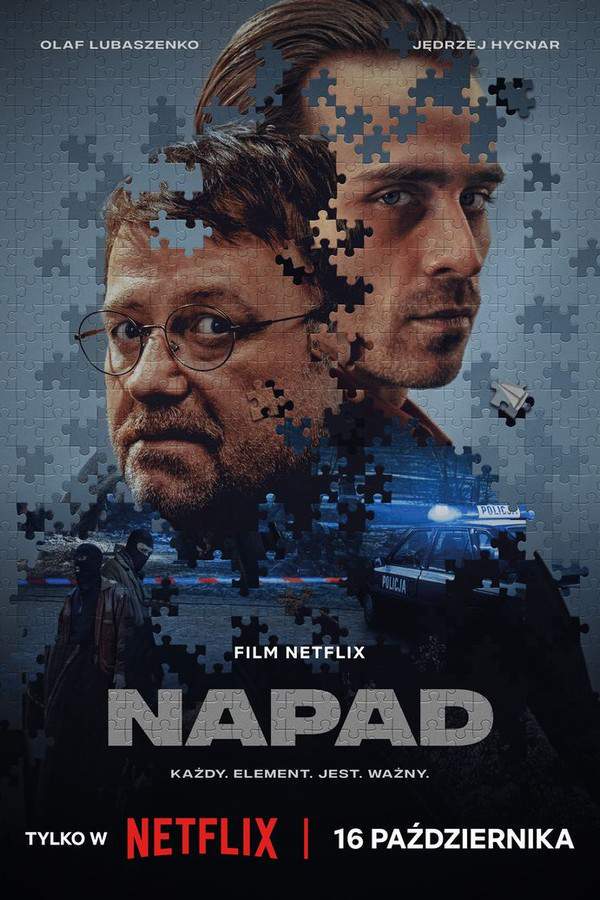


Justice Plot Summary
Read the complete plot summary and ending explained for Justice (2024). From turning points to emotional moments, uncover what really happened and why it matters.
A tense and gritty crime drama unfolds against the backdrop of Poland’s political transition, beginning with a harrowing bank hostage situation. Three women are held at gunpoint in a SGB bank by armed robbers, culminating in the tragic shooting death of one of the women, horrifying everyone involved. This violent act sets off a nationwide investigation that challenges the country’s hopes for a fresh start amid the remnants of its troubled past.
The story then shifts focus to a woman in the Polish countryside, who is driven in a government car. She is a prosecutor, played by Magdalena Boczarska, and she forms part of the team tasked with unraveling the bank robbery. Her mission is not only to find the culprits but also to navigate the complex layers of Poland’s changing political landscape. She is determined to trace the whereabouts of Tadeusz Gadacz, played by Olaf Lubaszenko, a former police officer once renowned for his unconventional methods, now considered somewhat of an outcast. Gadacz’s reputation was built during the Communist era, where he wielded influence and carried out investigations with little regard for protocol, often bending the rules to serve his sense of justice.
Despite the country’s recent political transformation, the authorities find themselves at a standstill with the robbery case. The theft of a modest 100,000 Zlotys from the bank might have been overlooked, but the brutal murder of the three tellers made it a priority for the government. The robbery occurred during a period of economic upheaval, with the bank in the process of merging with a private company, symbolizing Poland’s shift towards a freer economy. Ironically, the case unpredictably disrupts national efforts to privatize and modernize, drawing unwanted media attention.
Desperate for answers and eager to demonstrate progress, the government reaches out to Gadacz, offering him a deal: help solve the case swiftly, and his past associations with the Communist regime will be forgiven, allowing him to return to official police work as a deputy inspector. Gadacz, a man passionate about justice but haunted by his past, accepts this offer, beginning a two-week investigation to hunt down the robbers.
On his first day, Gadacz teams up with Wiktoria Gorodecka as Aleksandra Janicka, a diligent police officer. He visits the bank’s crime scene and quickly begins to unearth clues that challenge initial assumptions. Many police officers suspect the security guard, who has been missing since the robbery. However, Gadacz finds the theory unconvincing, especially after discovering bloodstains on the guard’s car and eventually locating his body hidden inside the vents—revealing that the guard was actually one of the victims, not the perpetrator.
His investigation leads him to scrutinize the bank’s security system. It turns out the branch manager intentionally turned off the alarm for some time due to ongoing technical issues, which he claimed were necessary to prevent disruptions. Further probing reveals that the security guard who was killed had not been scheduled to work that day—they discovered he had switched shifts with another guard, Kacper Surmiak (played by Jedrzej Hycnar), who was on duty when the alarm was deactivated. Kacper’s alibi involves attending his friend’s military swearing-in, where he and two friends — Bartek and Marek — celebrated together, adding another layer of suspicion.
Interrogations of Kacper and his friends reveal that all three had sturdy histories, with ties to security work and hunting. Gadacz, adhering to his tough, old-school style, employs psychological pressure, including threats and manipulative tactics, to get them to talk. His methods, though controversial, reflect his unwavering dedication to solving the case. He even bypasses confidentiality during therapy sessions where bank employees are being treated for shock, aiming to extract key information from witnesses and suspects alike.
Throughout the investigation, Gadacz’s connections to the Communist past prove to be both a help and a hindrance. His candidness about his history and his past alliances with senior officials allow him to access information others cannot, but also cause friction. His confrontational tactics with suspects such as Kacper, including threatening to shoot him, underscore his relentless pursuit of justice, no matter the moral ambiguity.
Kacper Surmiak emerges as a tragic figure—his life marked by hardship, loss, and unfulfilled longing. Orphaned early, he grew up in care homes, unable to reconnect with his beloved sister Ewa, who was adopted shortly before the robbery. His personal pain is palpable: his mother’s death due to financial ruin and her subsequent suicide, and his struggles to find stability in a changing Poland. His desperation for money and belonging pushes him into the crime, especially as he witnesses the economic disparity and social neglect that define his existence.
As the investigation intensifies, Kacper’s desperation leads him to violent measures. After a botched attempt to cover his tracks, he murders the two friends who helped plan the robbery, fearing betrayal and exposure. His mental state deteriorates, pushing him into further violence and self-deception as he seeks to shield his sister from the consequences of his actions. Ultimately, Gadacz tracks him down at the family that recently adopted Ewa, where Kacper attempts to fake a threat with a gun. The police, on high alert, shoot him dead in a tragic and brutal end.
Throughout the film, themes of justice, morality, and the lingering shadows of Poland’s communist past permeate the story. Gadacz’s past deeds and old loyalties surface repeatedly, illustrating the complex relationship between history and morality. His character embodies the paradox of seeking truth in a nation still grappling with its past, often making morally ambiguous decisions in the pursuit of justice. The story vividly captures the socioeconomic struggles faced by ordinary Poles, especially those born into hardship and hardship’s vicious cycle, showing how past pain and present corruption collide with the country’s hopes for renewal.
This film is a gripping exploration of crime, morality, and the enduring impact of history on personal destiny, portraying a Poland caught between the scars of its past and the promise of a new future.
Justice Timeline
Follow the complete movie timeline of Justice (2024) with every major event in chronological order. Great for understanding complex plots and story progression.
Bank Robbery and Hostage Crisis
Three women are held hostage at a bank by armed robbers, and one woman is ultimately shot and killed during the incident. The robbery causes a nationwide shock, prompting the authorities to initiate a high-priority investigation. The robbers steal a relatively small sum of 100,000 Zlotys, despite the lottery office having planned to withdraw 1.5 million Zlotys from the bank before the robbery.
Introduction of Tadeusz Gadacz
A former police officer, Tadeusz Gadacz, is recruited by the new Polish government to help solve the bank robbery case. Gadacz agrees to assist under the promise of amnesty for his past associations with the Communist regime, aiming to re-enter police service. He begins his investigation with a determination to track down the perpetrators within two weeks.
First Inspection at the Bank
Gadacz visits the crime scene at SGB bank and is teamed with police officer Aleksandra Janicka. He examines the bank where the crime occurred, reviewing security measures and evidence, including the fact that the security guard was missing and presumed a suspect initially. Gadacz finds blood stains on the guard's vehicle and later discovers the guard's dead body hidden in the parking lot vents.
Suspicious Alarm Incident and Personnel Records
Investigators uncover that the bank's alarm system was turned off manually by the branch manager, citing malfunction and safety concerns. Further, the security guard who was killed was not scheduled to be on duty that day, having switched shifts with Kacper Surmiak, the on-duty guard on the day of the robbery. These findings raise suspicions about internal complicity.
Interrogations of Key Suspects
Gadacz interrogates Kacper Surmiak, the guard who switched shifts, and other friends involved. Kacper claims he was at a military swearing-in ceremony. The detective's aggressive interrogation tactics, including seizing guns and threatening, aim to pressure suspects and gather more information about their whereabouts and potential involvement.
Revelations about the Suspects’ Backgrounds
The investigation reveals Kacper's tragic past, including the death of his parents and his sister Ewa's recent adoption by a new family. Kacper's life has been marked by hardship, abandonment, and poverty, which motivates his involvement in the robbery. His inner turmoil and resentments are gradually uncovered.
Discovery of the Robbery Plan and Its Failures
Kacper and his accomplices plan to steal the 1.5 million Zlotys from the bank, but find that the money has already been removed by the lottery company. They end up spending more time in the safe than intended, forcing them to take whatever money they could find, which leads to the accidental murder of the bank tellers.
Homicide and Self-Defense
Kacper kills his accomplices Bartek and Marek after realizing that they might betray him or that he is in danger. He claims Marek was the one who coerced him into the crime, and Kacper ultimately surrenders to police, claiming self-defense, but is later identified as the main perpetrator due to evidence and subsequent investigations.
Gadacz’s Strategy and Old-School Tactics
Throughout the investigation, Gadacz uses psychological pressure, threatening suspects and investigating their pasts—including blackmailing a therapist—to extract confessions. His methods, while questionable, are effective in leading the suspects to reveal crucial details about the robbery and their motivations.
Kacper’s Connection to the Past Regime and His Motivation
The investigation reveals Kacper's deep-rooted frustrations stemming from his difficult childhood and lack of support, compounded by the social injustices of post-Communist Poland. His involvement in the crime is driven by economic hardship and personal revenge, especially after his sister Ewa is adopted by others.
Final Confrontation and Kacper’s Death
Kacper attempts to evade capture by disguising himself as a civilian and goes to the house where Ewa has been adopted. Despite showing no intention to harm his sister, he is shot dead by police when he pretends to carry a gun, ending his tumultuous life as a fugitive. The case concludes with the resolution of his involvement in the robbery.
Justice Characters
Explore all characters from Justice (2024). Get detailed profiles with their roles, arcs, and key relationships explained.
Prokuratorka Magdalena Boczarska
A dedicated prosecutor involved in the investigation, she embodies professionalism and a commitment to justice. She navigates the complexities of the case while contending with Gadacz’s unorthodox methods and the political implications of the case.
Aleksandra Janicka Wiktoria Gorodecka
A police investigator companion to Gadacz, she is pragmatic and cautious, often balancing Gadacz’s aggressive tactics with legal and ethical considerations. She represents the modern police force grappling with past and present influences.
Tadeusz Gadacz Olaf Lubaszenko
An old-school police detective with ties to the Communist regime, Gadacz employs aggressive and morally questionable techniques. His complex past and determination to solve the case reflect the lingering shadows of Poland’s political history.
Justice Settings
Learn where and when Justice (2024) takes place. Explore the film’s settings, era, and how they shape the narrative.
Time period
Post-Communist Poland, early 2000s or late 1990s (implied by political transformation)
The story takes place during Poland's transition period after the fall of the Communist regime, a time marked by significant political and economic reforms. This era features the country's efforts to integrate into a free-market economy, while remnants of the old regime and societal struggles persist.
Location
Polish countryside, Warsaw, bank branch, military camp
The film is primarily set in the Polish countryside and in Warsaw, highlighting contrasting locations from urban centers to rural areas. The bank branch serves as the central crime scene, representing the shift toward a privatized economy. Military camp scenes underscore the connection to national service and the military culture influencing some characters.
Justice Themes
Discover the main themes in Justice (2024). Analyze the deeper meanings, emotional layers, and social commentary behind the film.
🕵️♂️
Corruption
The film explores corruption within police, political, and societal institutions, illustrating how past associations influence present justice. Gadacz’s links to the Communist regime and his old-school methods exemplify the lingering effects of corruption and power struggles during Poland's transformation.
⚖️
Justice & Revenge
A central theme revolves around seeking justice amid moral ambiguity. Gadacz's relentless pursuit and Kacper’s desperate acts highlight the blurred lines between justice, revenge, and criminality, emphasizing personal and systemic struggles.
🌪️
Societal Change
The narrative reflects on societal upheaval, the fading influence of the Communist past, and the challenges of adapting to a new economic and political landscape. Characters’ personal traumas embody broader societal tensions during this transformative period.

Coming soon on iOS and Android
The Plot Explained Mobile App
From blockbusters to hidden gems — dive into movie stories anytime, anywhere. Save your favorites, discover plots faster, and never miss a twist again.
Sign up to be the first to know when we launch. Your email stays private — always.
Explore the mobile appJustice Ending Explained
Unravel the ending of Justice (2024) with our detailed explanation. Understand the final scenes, character fates, and unresolved questions.
Once Kacper realizes that the police are closing in on him, he turns increasingly desperate. He kills his friends Bartek and Marek to eliminate any witnesses, showing just how far he will go to protect himself. Eventually, Kacper himself is the one who ends up dead — shot by the police in a tense standoff outside a family’s house where he had sought refuge. Despite Kacper’s violent tendencies and his ability to escape arrest for a while, the police’s pursuit continues, and in the end, they are unable to bring him in alive. Gadacz, the old-school detective, relies on his intuition and old methods of psychological manipulation rather than modern techniques. His relentless determination leads to the final confrontation, where he finds Kacper hiding at a family home. Kacper, though willing to die rather than face justice, is shot by the police and dies.
This ending underscores the harsh realities of justice in a society still grappling with its recent past and the new order. Gadacz’s classic tactics and refusal to adapt to the political changes highlight the tension between old methods and new kinds of crime that cannot always be punished with modern policing strategies. Although Gadacz doesn’t succeed in capturing Kacper alive, his unwavering pursuit suggests that the quest for justice often involves moral compromise and the acceptance of tragic outcomes. In the end, the film leaves viewers contemplating whether true justice is achieved in a justice system that struggles between past and present, and whether the price of justice can sometimes be too high.
Justice Spoiler-Free Summary
Discover the spoiler-free summary of Justice (2024). Get a concise overview without any spoilers.
In the early 1990s, Poland is caught in a restless limbo between the fading shadows of its communist past and the jittery optimism of a fledgling market economy. The streets of the capital hum with uncertainty, and the institutions meant to protect the public are still figuring out who they are meant to serve. The country’s fragile transition creates a palpable tension that seeps into every conversation, every hallway of power, and every lingering doubt about what justice truly means in a world that is being rewritten day by day.
Enter Tadeusz Gadacz, a former police officer whose reputation was forged in the harsh, rule‑bending methods of a bygone era. Once celebrated for his relentless pursuit of order, he now lives on the margins, a relic of a system that has moved on without him. When the new government offers him a tentative path back into official service, he is pulled into a case that promises both redemption and a stark reminder of the compromises he once made. His experience is a double‑edged sword, granting him insight into the undercurrents of the city while also keeping him at odds with the freshly minted authorities who view his past with suspicion.
Partnered with the determined and sharply intuitive young officer Aleksandra Janicka, Gadacz must navigate a partnership that balances his seasoned cynicism with her fresh‑faced idealism. Their collaboration becomes a study in contrasting methods: his hard‑boiled, improvisational tactics against her procedural rigor and modern sensibilities. As they delve into the investigation, the pair constantly feel the weight of a watchful, evolving political landscape that threatens to re‑define the very notion of law enforcement.
The film’s tone is gritty and introspective, blending the bleak realism of post‑communist Poland with moments of uneasy humor and human vulnerability. It asks whether a man shaped by outdated doctrines can find his place in a society eager to leave the past behind, and whether the partnership between a weathered veteran and an eager newcomer can illuminate a path toward a more nuanced, if still uncertain, sense of justice.
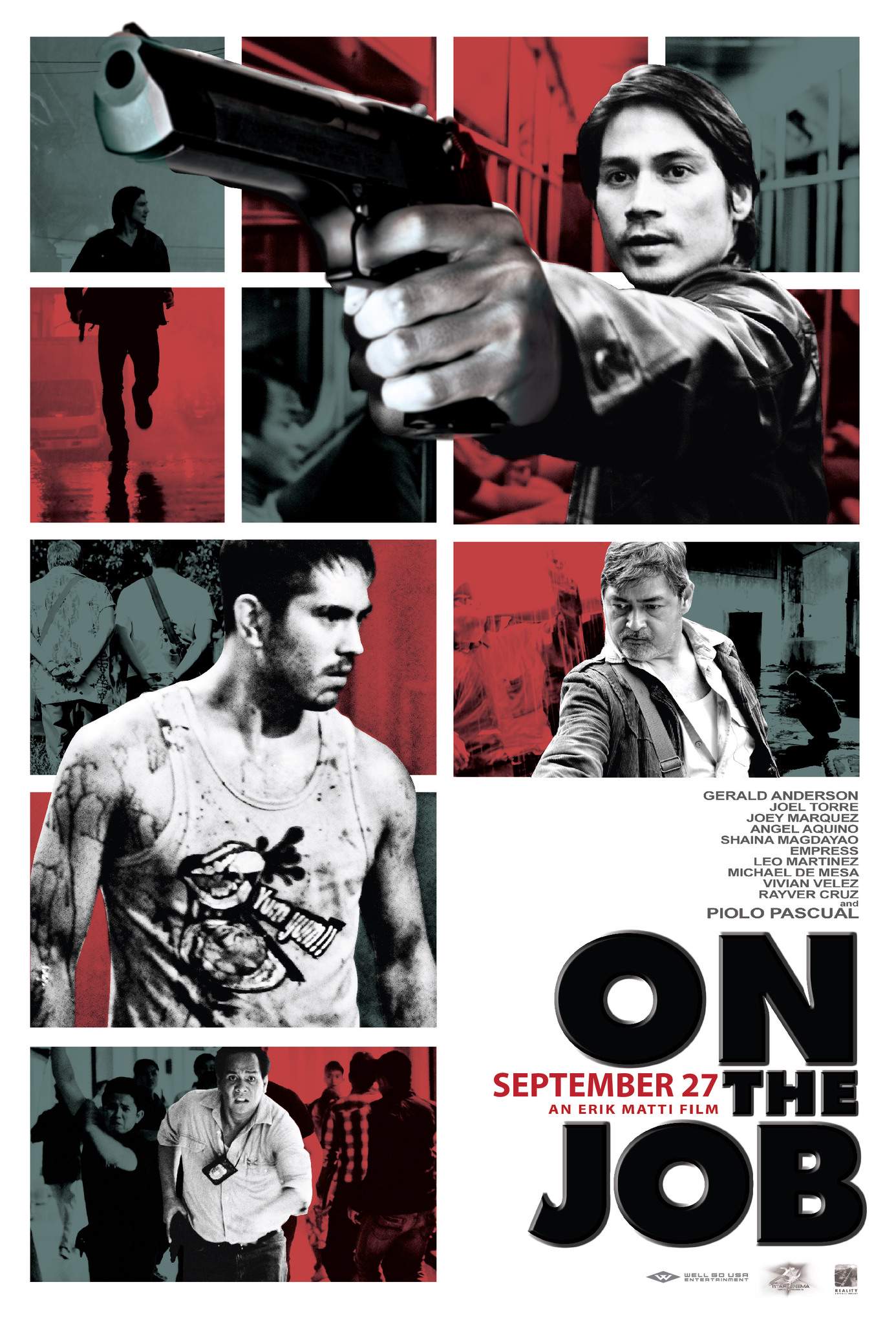
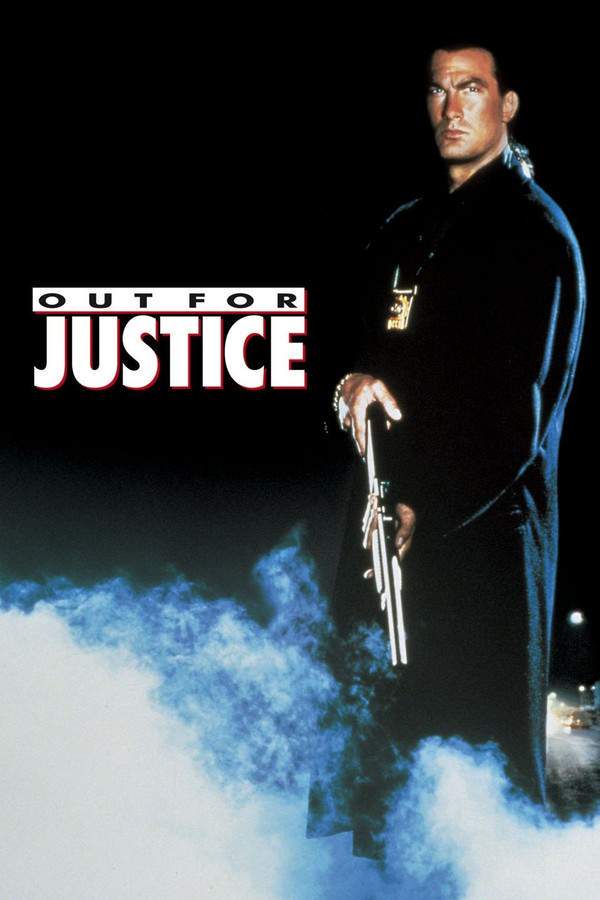
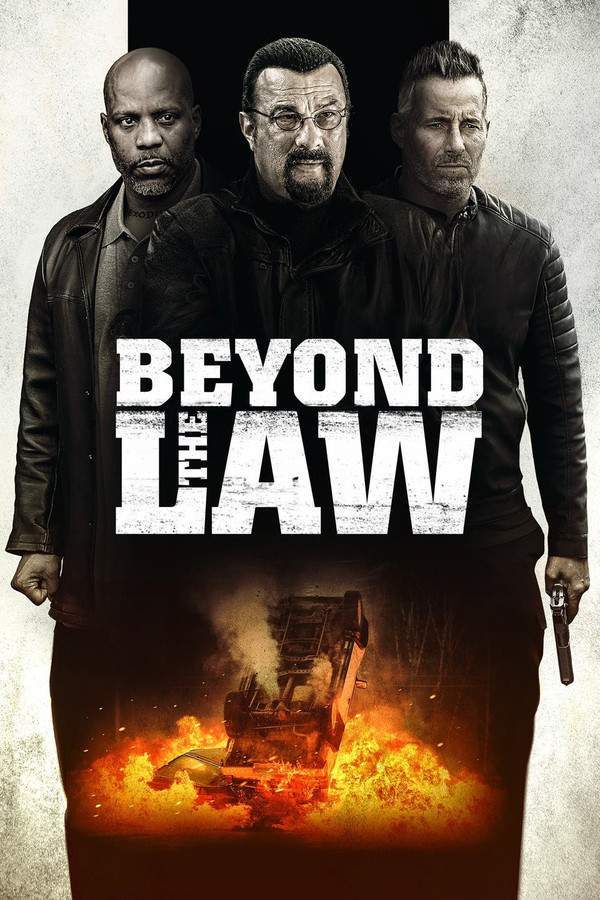
Movies with Similar Twists and Themes
Uncover films that echo the narrative beats, emotional arcs, or dramatic twists of the one you're exploring. These recommendations are handpicked based on story depth, thematic resonance, and spoiler-worthy moments — perfect for fans who crave more of the same intrigue.


Featured on this page

What's After the Movie?
Not sure whether to stay after the credits? Find out!
Check out our other apps:

SAT Sphere
Build confidence for the Digital SAT.

Mori Atlas
Discover wild places worth protecting.

Luntero
Search smarter for a home in Amsterdam.

Plot Explained
Unravel movie endings and hidden clues.

Pokechamp
Dive into Pokémon data and battle logic.

Driving Theory
Get ready for your European theory test.

Movie Dust
Plan your next cinema trip with ease.

Musemap
Find art and culture as you travel.

Selkobase
Compare credentials before committing.

Local Manual
Turn an unfamiliar country into practical next steps.

Lernavi
Compare school systems before your next move.

GymRoam
Find a workout stop wherever your plans take you.
Explore Our Movie Platform
New Movie Releases (2026)
Famous Movie Actors
Top Film Production Studios
Movie Plot Summaries & Endings
Major Movie Awards & Winners
Best Concert Films & Music Documentaries
Movie Collections and Curated Lists
© 2026 What's After the Movie. All rights reserved.
Privacy Policy