Justice 2024

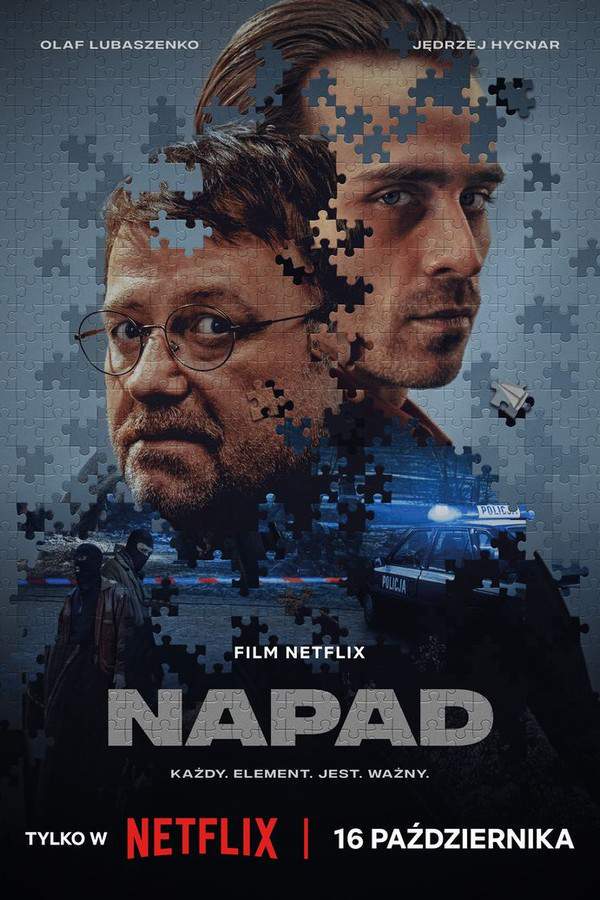
In the early 1990s, a former police officer is offered a chance to return to his career by tracking down a group of criminals responsible for a bank robbery. Partnered with a young policewoman, he must work swiftly as the case draws unwanted attention from new authorities.

Does Justice have end credit scenes?
No!
Justice does not have end credit scenes. You can leave when the credits roll.
Meet the Full Cast and Actors of Justice
Explore the complete cast of Justice, including both lead and supporting actors. Learn who plays each character, discover their past roles and achievements, and find out what makes this ensemble cast stand out in the world of film and television.


External Links and Streaming Options
Discover where to watch Justice online, including streaming platforms, rental options, and official sources. Compare reviews, ratings, and in-depth movie information across sites like IMDb, TMDb, Wikipedia or Rotten Tomatoes.









Ratings and Reviews for Justice
See how Justice is rated across major platforms like IMDb, Metacritic, and TMDb. Compare audience scores and critic reviews to understand where Justice stands among top-rated movies in its genre.

The Movie Echo Score
Justice delivers a grounded police procedural set in post‑communist Poland, marked by solid craftsmanship and a strong sense of place. The cinematography and production design capture the austere Polish landscape, while the lead performances are consistently praised, though secondary characters receive less development. The narrative unfolds methodically, offering a cerebral mystery that rewards attentive viewers, yet its measured pacing and occasional editorial slips can test patience. In sum, the film offers a respectable, if uneven, experience that appeals to fans of realistic crime dramas.
The Movie Echo Score Breakdown for Justice

Art & Craft
From an artistic standpoint, the film benefits from an understated visual palette that highlights the bleak, post‑communist setting, with steady camerawork and effective production design. Several reviewers commend the realistic atmosphere and well‑executed cinematography, though a minority note clumsy editing in specific sequences. Overall, the craftsmanship supports the story without overwhelming it, delivering a competent but not groundbreaking visual experience.

Character & Emotion
Acting emerges as a notable strength, with the veteran lead delivering a nuanced, gritty performance and the supporting cast receiving commendations for authenticity. Critics appreciate the palpable chemistry between the two detectives, describing it as authentic. However, the script falls short in fleshing out secondary characters and delivering deeper emotional arcs, leading to a sense of underutilized talent. Consequently, character work is strong at the forefront but uneven overall.

Story & Flow
The plot follows a veteran detective and a rookie solving a violent bank robbery, delivering a measured, cerebral mystery with political undertones. Critics praise its coherent structure and tension building, noting the realistic post‑communist backdrop. However, the runtime feels stretched, and exposition sometimes slows the pace, leading to a climax that feels less impactful. Overall, the story is solid but unevenly paced.

Sensory Experience
The film’s sensory dimension benefits from immersive sound design and a restrained soundtrack that complements the bleak setting. Reviewers highlight the authentic depiction of 1990s Poland, with crisp cinematography that renders the urban sprawl and stark interiors convincingly. While the audio mix is generally praised, no specific issues are raised, resulting in a consistently effective sensory experience.

Rewatch Factor
Justice offers a replay value rooted in its atmospheric realism and procedural intrigue, appealing to viewers interested in post‑communist contexts. The strong lead performance and well‑crafted mystery encourage a second look, and some suggest potential for a sequel or series. Conversely, the film’s length and occasional pacing lulls may diminish repeated enjoyment for some audiences. Overall, it warrants another viewing for genre enthusiasts.

6.3 /10
IMDb Rating

100
%
User Score

/5
Take the Ultimate Justice Movie Quiz
Challenge your knowledge of Justice with this fun and interactive movie quiz. Test yourself on key plot points, iconic characters, hidden details, and memorable moments to see how well you really know the film.
Justice (2024) Quiz: Test your knowledge of the 2024 Polish crime drama "Justice" with these ten mixed‑difficulty questions.
Which actress portrays the prosecutor who leads the investigation?
Full Plot Summary and Ending Explained for Justice
Read the complete plot summary of Justice, including all major events, twists, and the full ending explained in detail. Explore key characters, themes, hidden meanings, and everything you need to understand the story from beginning to end.
A tense and gritty crime drama unfolds against the backdrop of Poland’s political transition, beginning with a harrowing bank hostage situation. Three women are held at gunpoint in a SGB bank by armed robbers, culminating in the tragic shooting death of one of the women, horrifying everyone involved. This violent act sets off a nationwide investigation that challenges the country’s hopes for a fresh start amid the remnants of its troubled past.
The story then shifts focus to a woman in the Polish countryside, who is driven in a government car. She is a prosecutor, played by Magdalena Boczarska, and she forms part of the team tasked with unraveling the bank robbery. Her mission is not only to find the culprits but also to navigate the complex layers of Poland’s changing political landscape. She is determined to trace the whereabouts of Tadeusz Gadacz, played by Olaf Lubaszenko, a former police officer once renowned for his unconventional methods, now considered somewhat of an outcast. Gadacz’s reputation was built during the Communist era, where he wielded influence and carried out investigations with little regard for protocol, often bending the rules to serve his sense of justice.
Despite the country’s recent political transformation, the authorities find themselves at a standstill with the robbery case. The theft of a modest 100,000 Zlotys from the bank might have been overlooked, but the brutal murder of the three tellers made it a priority for the government. The robbery occurred during a period of economic upheaval, with the bank in the process of merging with a private company, symbolizing Poland’s shift towards a freer economy. Ironically, the case unpredictably disrupts national efforts to privatize and modernize, drawing unwanted media attention.
Desperate for answers and eager to demonstrate progress, the government reaches out to Gadacz, offering him a deal: help solve the case swiftly, and his past associations with the Communist regime will be forgiven, allowing him to return to official police work as a deputy inspector. Gadacz, a man passionate about justice but haunted by his past, accepts this offer, beginning a two-week investigation to hunt down the robbers.
On his first day, Gadacz teams up with Wiktoria Gorodecka as Aleksandra Janicka, a diligent police officer. He visits the bank’s crime scene and quickly begins to unearth clues that challenge initial assumptions. Many police officers suspect the security guard, who has been missing since the robbery. However, Gadacz finds the theory unconvincing, especially after discovering bloodstains on the guard’s car and eventually locating his body hidden inside the vents—revealing that the guard was actually one of the victims, not the perpetrator.
His investigation leads him to scrutinize the bank’s security system. It turns out the branch manager intentionally turned off the alarm for some time due to ongoing technical issues, which he claimed were necessary to prevent disruptions. Further probing reveals that the security guard who was killed had not been scheduled to work that day—they discovered he had switched shifts with another guard, Kacper Surmiak (played by Jedrzej Hycnar), who was on duty when the alarm was deactivated. Kacper’s alibi involves attending his friend’s military swearing-in, where he and two friends — Bartek and Marek — celebrated together, adding another layer of suspicion.
Interrogations of Kacper and his friends reveal that all three had sturdy histories, with ties to security work and hunting. Gadacz, adhering to his tough, old-school style, employs psychological pressure, including threats and manipulative tactics, to get them to talk. His methods, though controversial, reflect his unwavering dedication to solving the case. He even bypasses confidentiality during therapy sessions where bank employees are being treated for shock, aiming to extract key information from witnesses and suspects alike.
Throughout the investigation, Gadacz’s connections to the Communist past prove to be both a help and a hindrance. His candidness about his history and his past alliances with senior officials allow him to access information others cannot, but also cause friction. His confrontational tactics with suspects such as Kacper, including threatening to shoot him, underscore his relentless pursuit of justice, no matter the moral ambiguity.
Kacper Surmiak emerges as a tragic figure—his life marked by hardship, loss, and unfulfilled longing. Orphaned early, he grew up in care homes, unable to reconnect with his beloved sister Ewa, who was adopted shortly before the robbery. His personal pain is palpable: his mother’s death due to financial ruin and her subsequent suicide, and his struggles to find stability in a changing Poland. His desperation for money and belonging pushes him into the crime, especially as he witnesses the economic disparity and social neglect that define his existence.
As the investigation intensifies, Kacper’s desperation leads him to violent measures. After a botched attempt to cover his tracks, he murders the two friends who helped plan the robbery, fearing betrayal and exposure. His mental state deteriorates, pushing him into further violence and self-deception as he seeks to shield his sister from the consequences of his actions. Ultimately, Gadacz tracks him down at the family that recently adopted Ewa, where Kacper attempts to fake a threat with a gun. The police, on high alert, shoot him dead in a tragic and brutal end.
Throughout the film, themes of justice, morality, and the lingering shadows of Poland’s communist past permeate the story. Gadacz’s past deeds and old loyalties surface repeatedly, illustrating the complex relationship between history and morality. His character embodies the paradox of seeking truth in a nation still grappling with its past, often making morally ambiguous decisions in the pursuit of justice. The story vividly captures the socioeconomic struggles faced by ordinary Poles, especially those born into hardship and hardship’s vicious cycle, showing how past pain and present corruption collide with the country’s hopes for renewal.
This film is a gripping exploration of crime, morality, and the enduring impact of history on personal destiny, portraying a Poland caught between the scars of its past and the promise of a new future.

Coming soon on iOS and Android
The Plot Explained Mobile App
From blockbusters to hidden gems — dive into movie stories anytime, anywhere. Save your favorites, discover plots faster, and never miss a twist again.
Sign up to be the first to know when we launch. Your email stays private — always.
Explore the mobile appDiscover Film Music Concerts Near You – Live Orchestras Performing Iconic Movie Soundtracks
Immerse yourself in the magic of cinema with live orchestral performances of your favorite film scores. From sweeping Hollywood blockbusters and animated classics to epic fantasy soundtracks, our curated listings connect you to upcoming film music events worldwide.
Explore concert film screenings paired with full orchestra concerts, read detailed event information, and secure your tickets for unforgettable evenings celebrating legendary composers like John Williams, Hans Zimmer, and more.


Justice Themes and Keywords
Discover the central themes, ideas, and keywords that define the movie’s story, tone, and message. Analyze the film’s deeper meanings, genre influences, and recurring concepts.
Justice Other Names and Titles
Explore the various alternative titles, translations, and other names used for Justice across different regions and languages. Understand how the film is marketed and recognized worldwide.
Similar Movies To Justice You Should Know About
Browse a curated list of movies similar in genre, tone, characters, or story structure. Discover new titles like the one you're watching, perfect for fans of related plots, vibes, or cinematic styles.



Quick Links: Summary, Cast, Ratings, More

What's After the Movie?
Not sure whether to stay after the credits? Find out!
Check out our other apps:

SAT Sphere
Build confidence for the Digital SAT.

Mori Atlas
Discover wild places worth protecting.

Luntero
Search smarter for a home in Amsterdam.

Plot Explained
Unravel movie endings and hidden clues.

Pokechamp
Dive into Pokémon data and battle logic.

Driving Theory
Get ready for your European theory test.

Movie Dust
Plan your next cinema trip with ease.

Musemap
Find art and culture as you travel.

Selkobase
Compare credentials before committing.

Local Manual
Turn an unfamiliar country into practical next steps.

Lernavi
Compare school systems before your next move.

GymRoam
Find a workout stop wherever your plans take you.
Explore Our Movie Platform
New Movie Releases (2026)
Famous Movie Actors
Top Film Production Studios
Movie Plot Summaries & Endings
Major Movie Awards & Winners
Best Concert Films & Music Documentaries
Movie Collections and Curated Lists
© 2026 What's After the Movie. All rights reserved.
Privacy Policy