



Criminal Justice Plot Summary
Read the complete plot summary and ending explained for Criminal Justice (1990). From turning points to emotional moments, uncover what really happened and why it matters.
Forest Whitaker portrays Jessie Williams, a seasoned detective who confronts a brutal case after a young prostitute is robbed and slashed in the vestibule of a building just after buying drugs. The victim, Denise Moore, is rushed to the police station, where investigators lay out photographs of felons and she identifies the attacker from the lineup, providing the crucial first link in a case that will pivot on credibility and memory.
Following the identification, the police arrest the suspect and charge him with aggravated robbery. At the arraignment, bail is set at an unaffordable amount, keeping him in custody. The defendant maintains his innocence in front of his public defender, Anthony LaPaglia as David Ringel, who resists any plea bargain, insisting that the system must test the strength of the evidence.
Meanwhile the District Attorney fights to make the most of the victim’s identification, even as concerns arise about whether Denise Moore was truthful about her reason for being in the building and about the reliability of her testimony given her drug lifestyle. Detective Riley, portrayed by Tony Todd, tracks the case’s progress as court appearances accumulate.
Inside the courtroom, Chuck Cooper as Judge Whitney presides as the trial approaches, and the tension centers on whether the witness’s account will hold up under scrutiny. When the trial date arrives, the defendant unexpectedly requests a plea bargain to stop the proceedings after catching sight of the complainant in the courtroom, urging his attorney to seek a faster resolution.
Ultimately, the defendant pleads guilty to both robbery and the slashing, and is sentenced to 3½ to 7 years in the penitentiary. From the differing perspectives of the complainant and the mother of the accused, the resolution feels unsatisfactory, underscoring a persistent gap between justice, memory, and consequence in a case built on a single pivotal identification.
Criminal Justice Timeline
Follow the complete movie timeline of Criminal Justice (1990) with every major event in chronological order. Great for understanding complex plots and story progression.
Prostitute mugged and slashed in building vestibule
A young woman who had just bought drugs is robbed in the vestibule of a building. The attack leaves her with a deep and disfiguring slash across her face. This brutal incident sets in motion the investigation that follows.
Detectives take victim to police station and show photo lineup
Detectives transport the injured victim to the police station for questioning. She identifies a suspect from photographs of felons on file. The identification becomes a key piece of evidence for the prosecution.
Suspect arrested after victim's identification
Following the victim's identification, police arrest the suspect. He is charged with aggravated robbery after the lineup confirmation. The arrest marks the formal start of the prosecution.
Arraignment and unaffordable bail
At arraignment, the defendant's bail is set at an unaffordable amount, keeping him in custody. He denies any wrongdoing to his public defender and refuses to accept any plea bargain. The case moves into the pre-trial phase.
DA questions strength of the case
The District Attorney struggles to build a case based largely on the victim's identification. There is concern that the victim may not have been truthful about her reason for being in the building. Nevertheless, the DA pursues the strongest possible arguments.
Complainant's drug lifestyle and testimony
The complainant grapples with the effects of a drug lifestyle, which complicates her willingness and ability to testify. She remains confident that the accused was her attacker, even as doubts emerge. The legal process weighs her credibility.
Court appearances continue, bail denied
Bail remains denied and the case proceeds through several court appearances. The accused remains in custody as the trial date approaches. The timeline shows the slow grind of the judicial process.
Trial date set; complainant prepares to testify
The trial date is scheduled, and the complainant prepares to testify in court. She enters the courtroom ready to recount her account. Her testimony is central to the prosecution's case.
Defendant seeks a plea bargain after witness arrives
Upon seeing the complainant enter the courtroom, the defendant urges his lawyer to negotiate a plea bargain to end the trial. The moment underscores the pressure of live testimony on the defense strategy. Negotiations aim to resolve the case without a full trial.
Plea accepted; guilty to robbery and slashing
The defendant pleads guilty to both robbery and the slashing. He is sentenced to 3.5 to 7 years in the penitentiary. The plea ends the trial and delivers a negotiated outcome for the court.
Dissatisfied perspectives on the outcome
From the complainant's perspective and the mother of the accused, the outcome is unsatisfying. Both parties feel the resolution falls short of addressing their concerns and the larger implications of the case.
Case closes with lingering questions
The case closes with a guilty plea and a sentence, but questions linger about the reliability of the testimony and its impact on the victim. The narrative leaves readers contemplating the balance between justice and evidence.
Criminal Justice Characters
Explore all characters from Criminal Justice (1990). Get detailed profiles with their roles, arcs, and key relationships explained.
Denise Moore
A young woman with a drug habit who becomes the complainant and primary eyewitness. Her identification anchors the prosecution, yet her vulnerability and history raise questions about reliability. She experiences fear, anger, and distrust of the legal system as the case unfolds.
Jessie Williams
A detective assigned to the case who pursues leads and coordinates with witnesses. He navigates the pressure of solving the crime while managing the emotional stakes of the victim and the suspect.
David Ringel
A keen public defender who refuses plea bargains and advocates for his client, highlighting issues of innocent until proven guilty and the limits of the state's case.
Liz Carter
A prosecutor who battles to secure a conviction based on the victim’s identification while facing doubts about the victim's truthfulness and potential biases.
Loretta Charles
Mother of the accused who feels torn between family loyalty and a sense of justice, voicing dissatisfaction with the plea outcome and seeking accountability.
Judge Ratner
A judge presiding over the case, balancing legal obligations with the emotional weight of the testimony and the plea negotiation pressure.
Raymond Alvarez
A witness or associate whose testimony interacts with the DA's strategy and the defense's objections, contributing to the case's complexity.
Criminal Justice Settings
Learn where and when Criminal Justice (1990) takes place. Explore the film’s settings, era, and how they shape the narrative.
Location
Police station, Courthouse, City streets
The story unfolds across a metropolitan police station and a downtown courthouse, with scenes moving from the crime scene vestibule to interrogation rooms and arraignments. The setting emphasizes the procedural spine of the justice system and the claustrophobic atmosphere of legal battles. The surrounding city environment reflects the social issues at play, including crime and poverty.
Criminal Justice Themes
Discover the main themes in Criminal Justice (1990). Analyze the deeper meanings, emotional layers, and social commentary behind the film.
⚖️
Justice vs Truth
The narrative questions what counts as truth within the legal system, pitting the prosecution’s reliance on a single eyewitness against the defense's scrutiny of credibility. Bail decisions, plea negotiations, and courtroom rhetoric shape outcomes as much as any factual certainty. The film examines how procedural mechanics influence justice and fairness.
💊
Addiction & Vulnerability
The victim’s drug lifestyle complicates testimony and credibility, highlighting how addiction can affect trust and accountability in court. The story portrays the vulnerable position of individuals entangled in crime and substance abuse, and how that vulnerability intersects with legal processes. It also comments on broader societal factors that enable this cycle.
🕵️
Evidence & Perception
The case centers on how evidence is collected, presented, and interpreted, revealing tensions between prosecutorial strategy and defense objections. The likelihood of a plea bargain versus a full trial exposes gaps between what is proven and what is believed. The courtroom drama exposes how human fallibility can shape judgments.

Coming soon on iOS and Android
The Plot Explained Mobile App
From blockbusters to hidden gems — dive into movie stories anytime, anywhere. Save your favorites, discover plots faster, and never miss a twist again.
Sign up to be the first to know when we launch. Your email stays private — always.
Explore the mobile appCriminal Justice Spoiler-Free Summary
Discover the spoiler-free summary of Criminal Justice (1990). Get a concise overview without any spoilers.
In the tense corridors of an urban courtroom, a single identification becomes the fulcrum of a sprawling debate about truth, memory, and the machinery of law. The film immerses the viewer in a world where every statement is weighed against doubt, and the pursuit of justice feels as fragile as the testimony that fuels it. The atmosphere is stark and unflinching, casting the legal process in a light that is simultaneously procedural and deeply human, inviting the audience to question how certainty is forged amidst smoke‑filled rooms and whispered anxieties.
At the heart of the investigation is Jessie Williams, a seasoned detective whose instincts have been honed by years of navigating the city’s darkest alleyways. She approaches the case with a blend of professional rigor and personal conviction, aware that the stakes extend far beyond a single file. Her experience allows her to see the broader implications of a case that could hinge on the reliability of a lone witness, and she finds herself caught between the demand for results and the responsibility to protect the fragile integrity of the system she serves.
The central witness, Denise Moore, bears the weight of a traumatic encounter that propels her onto the stand. Her life, marked by vulnerability and marginalization, places her in a precarious position as she is urged to name her attacker with unwavering certainty. The pressure she feels reflects the broader societal expectations placed on victims to deliver definitive answers, even when the shadows of doubt linger. Her perspective adds a raw, human element to the procedural narrative, underscoring the personal toll exacted by the pursuit of legal closure.
Opposite her stands David Ringel, a public defender who is as steadfast in his belief that the system must test the strength of its evidence as he is compassionate toward his client. Alongside Judge Whitney, who presides with measured authority, the courtroom becomes a stage where competing ideals clash—punishment versus due process, certainty versus ambiguity. As the case unfolds, the film teeters on the edge of moral complexity, prompting viewers to wonder whether the legal apparatus serves justice or merely perpetuates its own form of compromise.
Movies with Similar Twists and Themes
Uncover films that echo the narrative beats, emotional arcs, or dramatic twists of the one you're exploring. These recommendations are handpicked based on story depth, thematic resonance, and spoiler-worthy moments — perfect for fans who crave more of the same intrigue.

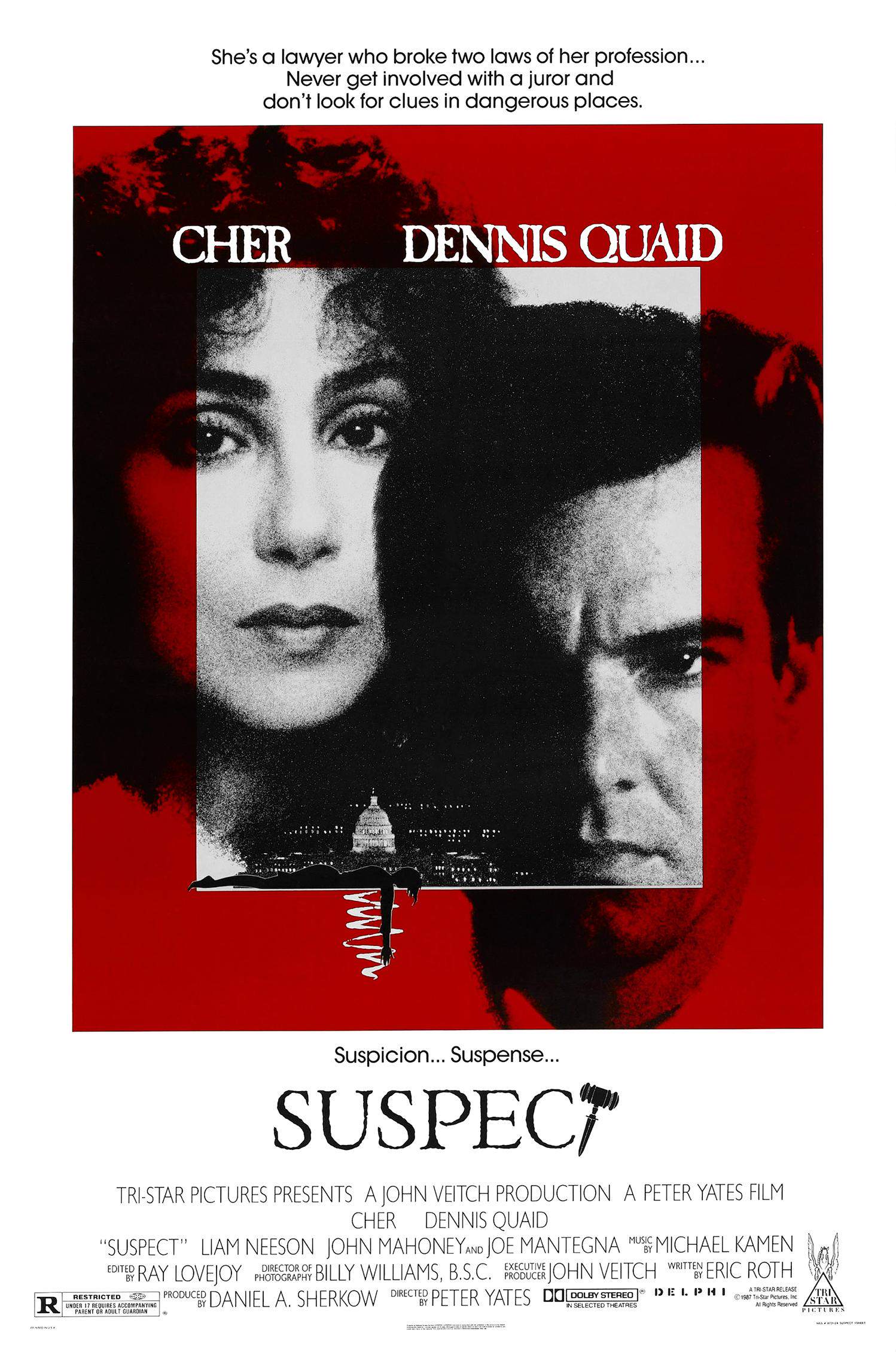
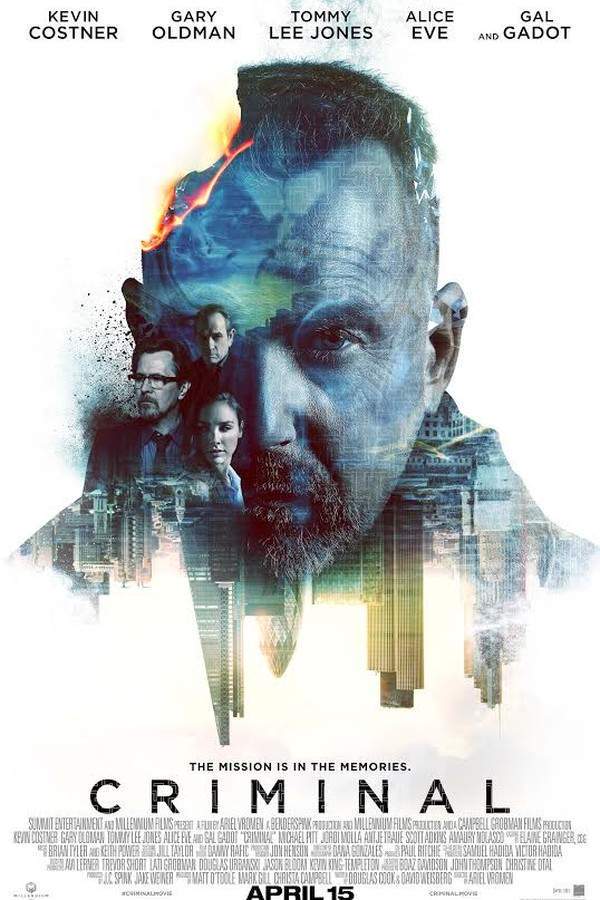


Featured on this page

What's After the Movie?
Not sure whether to stay after the credits? Find out!
Check out our other apps:

SAT Sphere
Build confidence for the Digital SAT.

Mori Atlas
Discover wild places worth protecting.

Luntero
Search smarter for a home in Amsterdam.

Plot Explained
Unravel movie endings and hidden clues.

Pokechamp
Dive into Pokémon data and battle logic.

Driving Theory
Get ready for your European theory test.

Movie Dust
Plan your next cinema trip with ease.

Musemap
Find art and culture as you travel.

Selkobase
Compare credentials before committing.

Local Manual
Turn an unfamiliar country into practical next steps.

Lernavi
Compare school systems before your next move.

GymRoam
Find a workout stop wherever your plans take you.
Explore Our Movie Platform
New Movie Releases (2026)
Famous Movie Actors
Top Film Production Studios
Movie Plot Summaries & Endings
Major Movie Awards & Winners
Best Concert Films & Music Documentaries
Movie Collections and Curated Lists
© 2026 What's After the Movie. All rights reserved.
Privacy Policy