

What Is It Happens Every Thursday About?
The premise of It Happens Every Thursday in 341 words, with nothing given away. The full story follows below.
In the sun‑baked valley of Eden, California, a modest weekly paper sits amid cracked sidewalks and fragrant orange groves, its ink‑stained pages the only pulse of local gossip. Fresh from the relentless pace of New York City, Bob MacAvoy arrives with his pregnant wife, Jane MacAvoy, and their young son, hoping to trade skyscraper deadlines for the quieter rhythm of a small‑town newsroom. The couple’s dream is simple yet ambitious: revive the aging publication, give the community a voice, and carve out a new life far from the concrete canyons they once called home.
Eden itself is a character as vivid as any headline, populated by residents whose habits have been honed over generations of predictable weather and predictable routines. The townspeople cherish long‑standing customs, from Thursday‑day press rituals to neighborhood gatherings that feel more like family reunions than public events. For Bob, a seasoned reporter accustomed to breaking stories on a deadline, the town’s leisurely pace feels both charming and confounding. Jane, ever resourceful, sees opportunity in the everyday quirks, proposing light‑hearted ideas meant to draw readers into the paper’s pages. Their well‑meaning schemes, however, often collide with the unspoken rules that keep Eden humming, setting the stage for a series of comedic misunderstandings that test both their ingenuity and their patience.
The picture that emerges is one of resilient optimism amid inevitable bumps. The MacAvoys’ earnest attempts to boost circulation become a gentle battle of wills between city‑born ambition and the stubborn, affectionate stubbornness of a place that has learned to thrive on its own tempo. As the couple navigates the town’s idiosyncrasies—whether it’s a perpetually temperamental printing press or the local habit of turning every Thursday into a small ceremony of anticipation—they discover that building a newspaper in Eden is as much about learning to listen as it is about putting words on paper. The film’s tone balances warm humor with a sincere affection for community, inviting viewers to wonder how far a pair of newcomers will go to keep the ink flowing and the town’s stories alive.
What Happens in It Happens Every Thursday?
The complete story of It Happens Every Thursday, from the first scene to the last, in 472 words (about 2 minutes). Spoilers throughout. Names in the text link to 5 cast member pages.
Spoilers ahead
A married couple, Bob MacAvoy and Jane MacAvoy, and their young son Steve MacAvoy move to California to start a small newspaper, the Eden Archive. They discover the paper’s offices are worn and in need of care, but they press on with a hopeful plan to build a community paper from the ground up.
Jane soon goes into labor and delivers a daughter in the upstairs of the Eden Archive, a moment that seals the family’s new start in a town that will be watching closely. To kickstart readership, Jane suggests a lighthearted gimmick: print baby photos of local townspeople and let readers guess who’s who. The guessing game quickly catches on and propels the paper into a local sensation, transforming the Eden Archive into a bustling focal point of town life.
However, trouble looms when a photo featuring a mansion front page reveals a building that is actually a prostitution house run by an elderly woman, Mrs. Holmes. The shocking discovery stirs up anger in the community and leads to a sharp decline in subscriptions, threatening the paper’s future.
While Jane canvasses local businesses to place ads, she crosses paths with Myron Trout, the owner of a clothing store who makes advances toward her. She rejects him, but the tension adds another hurdle for the couple as they try to win broader town support.
To attract more supporters, the MacAvoys immerse themselves in local clubs and run a drawing offering a new car as a subscription incentive. A months-long drought grips Eden, and Bob, drawing on his Air Force past, plans to use dry ice and artificially created cumulus clouds to induce rain. The town is thrilled when it seems to rain, but Jane reports in the newspaper that Bob’s stunt somehow brought the rain, and the event quickly spirals into a disaster. The rainfall lasts for days, flooding streets and causing widespread blame directed at Bob.
Pressure from [Myron Trout] and other opponents mounts, and there’s a push to remove the MacAvoys from town. The town’s leaders call for compensation for the rain damage, and a skeptical mood spreads as the couple ponders leaving for New York City, where Bob formerly had a job. Just when it seems the Eden Archive might collapse, a meteorologist Jane had contacted explains that Bob did not cause the rain after all, shifting the town’s stance and renewing hope for the paper’s future. The MacAvoys decide to stay and invest in better equipment, purchasing a new press to keep the Eden Archive alive.
Ultimately, the film’s title It Happens Every Thursday refers to a running joke that the printing press breaks down on Thursday, the day set for printing, a quirk that threads through the story as a symbol of resilience and stubborn, small-town machinery that can still turn a community’s life toward hope.
It Happens Every Thursday Timeline: Every Key Event in Order
14 key events in the order they happen, from “Move to Eden and launch Eden Archive” to “The Eden Archive persists with a new press”. 14 events name a place, across 8 locations.
- 1
Move to Eden and launch Eden Archive
The MacAvoys sell everything and relocate to California to launch the Eden Archive. They discover the paper is run-down and underprepared for success. This sets the stage for their ambitious, chaotic campaign to win readers and advertisers.
When:early in the venture Where:Eden, California
- 2
Jane gives birth to daughter at the Eden Archive
Jane goes into labor and gives birth to their daughter upstairs in the Eden Archive. The family welcomes a new child while the business is still finding its footing. The event raises the emotional stakes of their risky venture.
When:shortly after moving to Eden Where:Eden Archive
- 3
Baby photo guessing sparks interest
To boost readership, Jane suggests a guessing game with baby photos printed in the paper. Readers try to identify the newborns, which drives engagement and subscriptions. The gimmick escalates when a full-page mansion image becomes part of the game.
When:days after birth Where:Eden Archive
- 4
Front-page mansion becomes scandal
The mansion pictured on the front page turns out to be a prostitution house run by Mrs. Holmes. Townspeople are outraged, and the edition is flaming, causing a sharp drop in subscriptions. The scandal destabilizes the fledgling paper and deepens the MacAvoys' troubles.
When:after mansion image published Where:Eden
- 5
Jane meets Myron Trout while canvassing
Jane canvasses local businesses to buy ads, where she meets Myron Trout, the town's store owner and antagonist. He makes flirtatious advances that she quickly rejects. His hostility to the couple deepens as a result.
When:during ad campaign Where:Eden town / local businesses
- 6
Campaign for subscriptions grows with club socializing and car draw
To drum up support, the MacAvoys socialize in town clubs and stage a drawing for a new car to win subscribers. The community response brings in more readers and advertisers in the short term. Meanwhile, Trout remains a looming obstacle to their success.
When:during the drive Where:Eden clubs
- 7
Drought leads to audacious rain plan
A drought grips Eden, prompting Bob to promise rain and attempt an aerial demonstration using dry ice and cloud seeding. Rain appears before he completes the experiment, and Jane reports in the paper that Bob caused it. Word spreads, and public scrutiny sharpens.
When:during drought Where:Eden
- 8
Rain arrives and floods; Bob blamed
The rain lingers for days, flooding streets and businesses. The town blames Bob for the disaster, and the MacAvoys' credibility takes another hit. The family faces mounting pressure from skeptical residents.
When:days after rainfall Where:Eden streets
- 9
Trout pushes to eject MacAvoys; town meeting
Myron Trout pressures the mayor to eject the MacAvoys from Eden. A town meeting asks Bob to reimburse the damages and rebuild trust in the paper. The couple braces for a potentially final struggle to stay.
When:after flooding Where:Eden town hall
- 10
Bob considers leaving for New York City
Bob decides to return to New York City and leave the tumult behind. The town's support teeters as residents weigh whether the paper can survive. His departure marks a turning point that hinges on later revelations.
When:just after town meeting Where:Eden
Show the other 4 events of It Happens Every Thursday Hide the last 4 events
- 11
Meteorologist explains Bob did not cause rain
A meteorologist that Jane had phoned explains that Bob did not actually cause the rain. The revelation cools tensions and shifts public opinion to a more forgiving stance. The MacAvoys begin to see a possible future for their newspaper in Eden.
When:after meteorologist's explanation Where:Eden
- 12
MacAvoys decide to stay and buy a new press
The townspeople decide to keep the Eden Archive and invest in a new press. Bob and Jane commit to staying and rebuilding trust with readers. The paper's prospects brighten as they move forward.
When:after explanation Where:Eden
- 13
It Happens Every Thursday: the printing curse
It Happens Every Thursday refers to the recurring trope that the printing press breaks down on printing day. The line frames the film's running joke about the mechanical struggles of a small-town paper. It links the couple's daily work to their stubborn perseverance.
When:recurring on printing day Where:Eden printing press
- 14
The Eden Archive persists with a new press
With a new press and renewed community support, the Eden Archive continues to publish. The MacAvoys remain in Eden, rebuilding their lives around the newspaper and the town they chose to serve.
When:post-reconciliation Where:Eden
Who Are the Main Characters in It Happens Every Thursday?
7 characters, among them Bob MacAvoy, Jane MacAvoy and Steve (Stevie) MacAvoy: who each one is and the part they play in the story. Every profile links to the actor’s page.
-

Bob MacAvoy
Played by John Forsythe
A former Air Force pilot who moves his family to Eden to revive their fortunes through a local newspaper. His bold, action-oriented approach drives much of the plot as he conceives plans to influence the town, including an audacious rain-inducing scheme. He is resilient and persistent, willing to take risks to save his new venture and home. His choices set the town on a collision course with suspicion and hope alike.
- 🎯 Ambitious
- 👨👩👦 Family Man
-

Jane MacAvoy
Played by Loretta Young
Intelligent and proactive, Jane helps run the Eden Archive and launches the baby-photo competition to boost subscriptions. She confronts flirtatious advances from Myron Trout and uses her social connections to rally support for the newspaper. She is resourceful, courageous, and plays a crucial role in steering the town through crisis and misunderstanding. Her partnership with Bob anchors the family’s efforts to settle in Eden.
- 💡 Smart
- 🧭 Independent
- S(
Steve (Stevie) MacAvoy
Played by Harvey Grant
The MacAvoys’ son, a reminder of the family’s stake in Eden and its future. His presence underscores the stakes of the couple’s decisions and the community they are trying to build. He is a minor character, but his inclusion highlights family values and the human element in the town’s upheaval.
- 🧒 Curious
- 👨👦 Family-Oriented
- MT
Myron Trout
Played by Willard Waterman
Owner of a clothing store and the principal antagonist, Trout resents Jane’s rejection and attempts to influence town governance to remove the MacAvoys. He embodies the scheming competitor who leverages personal grievances into political pressure. His presence heightens tension as the town teeters between support and hostility.
- 🦹 Villain
- 💬 Flirtatious
-
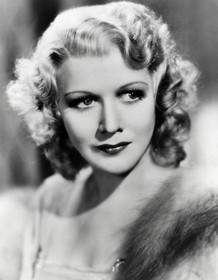
Mrs. Holmes
Played by Gladys George
An elderly woman who runs a mansion that the town discovers doubles as a prostitution house, fueling gossip and moral panic. The tension around her residence fuels the town’s distrust of outsiders and new ventures. She represents the scapegoat-like figure around whom community fears coalesce.
- 🏚️ Mysterious
- 🗝️ Secretive
- MH
Mayor Hull
Played by Regis Toomey
The town’s mayor who plays a pivotal role in mediating conflict and guiding responses to the MacAvoys’ schemes. He embodies local politics, balancing civic interest with popular sentiment. His decisions catalyze the town’s initial pushback and eventual reconsideration.
- 🏛️ Politician
- 🗳️ Reputable
- MS
Mrs. Spatch
Played by Jane Darwell
A resident of Eden who interacts with the MacAvoys and participates in the town’s social fabric. Her role highlights the everyday perspectives of townspeople who react to the fluctuating fortunes of the Eden Archive. She adds texture to the community’s micro-dynamics during the crisis.
- 🧓 Elderly
- 🤝 Community
Where and When Is It Happens Every Thursday Set?
It Happens Every Thursday is set in Eden and California (1940s). Here is why the time and place matter to the story.
When
1940s
The plot unfolds in a mid-20th-century American town, reflecting the era's reliance on local print media and community activities. The drought, fundraising efforts, and media schemes place the characters in a period when newspapers were central to civic life. The tone and circumstances align with a 1940s American cinema backdrop, blending humor with social commentary.
Where
Eden, California
The story is anchored in Eden, a California town where the MacAvoys start the Eden Archive. The newspaper office and town clubs serve as the central stage for ambition, gossip, and local politics. The setting captures mid-century small-town America, where a single publication can shape public opinion and community fate.
- 🏙️ Small Town
- 🗺️ California
What Are the Themes of It Happens Every Thursday?
3 ideas the story keeps returning to, among them Media Influence, Community & Reputation and Weather & Belief.
-
01
Media Influence
A small-town newspaper wields outsized power over reputation and fate. The baby-photo guessing gimmick and the rain story show how sensationalism can mobilize or alienate a community. The MacAvoys' editorial choices reveal the responsibilities that come with influence. The film uses humor to critique how information can be used to shape reality.
-
02
Community & Reputation
In a tight-knit town, subscriptions, ads, and social standing determine influence and trust. Public opinion swings as events unfold, forcing characters to navigate shifting loyalties. Leaders are tested by gossip, fear of loss, and the pressure to protect their own narratives. The narrative explores how a community polices itself through collective judgment.
-
03
Weather & Belief
The plan to induce rain uses science and spectacle to salvage the town's economy, highlighting belief as a social force. When disaster follows, the town blames the perceived culprit, testing accountability and trust. Only a meteorologist's explanation later restores credibility, showing how truth can emerge after mass belief falters. The weather becomes a metaphor for leadership, responsibility, and communal resilience.
What Kind of Film Is It Happens Every Thursday?
Light in tone, with steady pacing and a straightforward story, going by the plot summary.
- Tone
- Light
- Pacing
- Steady
- Story
- Straightforward
- Intensity
- Low
- Ending
- Happy
A lighthearted and optimistic comedic journey about a city couple stubbornly trying to fit into a quirky small town, where their well-intentioned schemes cause chaos but ultimately lead to community acceptance.
- hopeful
- quirky
- resilient
- lighthearted
- optimistic
- chaotic
- small town life
- starting over
- community
- newspaper
Quiz
How well do you remember It Happens Every Thursday? Test yourself on the story.


