
It Happened to Jane 1959

Directed by

Richard Quine
Made by

Columbia Pictures
Where to Watch It Happened to Jane
See current US streaming, rental, and purchase options for It Happened to Jane (1959) via JustWatch.








It Happened to Jane Plot Summary
Read the complete plot summary and ending explained for It Happened to Jane (1959). From turning points to emotional moments, uncover what really happened and why it matters.
In May 1959, the small lobster town of Cape Anne, Maine, is jolted when an error by the E&P railroad company wipes out 300 lobsters from Jane Osgood’s business, a widow who runs a seafood supply for local restaurants. With two children to care for, she turns to her lifelong friend and lawyer George Denham to pursue compensation after a key customer cancels their orders. The stakes are not merely financial; the livelihood of the town’s merchants and the trust of its citizens hang in the balance.
Back in New York, an executive named Harry Foster Malone learns of the lawsuit and dispatches two operatives, Crawford Sloan and Selwyn Harris, to Cape Anne to “solve” the problem. They offer a modest $700 in compensation, a number that Jane rejects outright because it fails to cover lost future business and the reputation damage to her operation. The courtroom becomes a brief arena for a hard-nosed business case, and Jane wins, but the victory is tempered by the reality that creditors still demand satisfaction. To seize payment, George must file a writ of execution to take possession of the train Old 97.
Jane is soon interviewed by a local reporter, who then pulls the story into the national spotlight by calling the Daily Mirror in New York. Top reporter Larry Hall is sent to Cape Anne to cover the developing drama, and television crews descend as the town’s plight becomes a national talking point. Malone retaliates by charging Jane rent for the siding where Old 97 sits, a move that only fuels the public intrigue around the case. Amid the media circus, Jane and George serenely connect with the community, even singing Be Prepared to a group of Cub Scouts at a picnic, a moment that humanizes the fight over a very real economic squeeze.
Jane travels to New York to appear on network television, including the game show I’ve Got a Secret, hoping to sway public opinion and pressure the railroad to settle the dispute. The fear of adverse publicity prompts Malone to back down momentarily, cancel the rent, and hand back the train. Yet the victory feels fragile as jealousy threads through the story: George grows uneasy when he learns that Larry is drawn to Jane and has proposed marriage to her.
Support pours in from the public, and Jane’s former customer pledges to resume business, reinforcing the idea that the town’s fate is tied to a broader network of relationships that extend beyond Cape Anne’s shores. But trouble returns when Malone orders all trains to bypass the town and gives Jane 48 hours to remove Old 97 from the tracks, leaving merchants stranded and the goods unsent. With no transportation route, the townspeople rally behind Jane and George as they improvise a plan to keep lobsters moving: they fill the train’s tender with coal from their own homes and persuade the town to help.
George enlists his Uncle Otis, a retired E&P engineer, to help make the plan work. With Otis and the community behind them, Jane, her kids, and George drive Old 97 through a makeshift, coal-fueled push to deliver lobsters to distant markets, despite Malone’s attempts to stall the process and despite some of Malone’s staff resigning in disgust. The coal eventually runs out, the train grinds to a halt, and Malone arrives by helicopter to witness the standoff.
In a tense exchange, Jane holds firm, and Malone finally concedes to her terms, stepping back to allow the delivery to proceed. The train’s arrival triggers fresh attention from Larry and a photographer, who witness a pivotal moment: George kisses Jane in front of Larry, and she agrees to marry him and remain in Cape Anne. The ceremony’s aftermath sees George inaugurated as a town selectman, and, in a symbolic gesture of reconciliation, a fire engine arrives—an unexpected gift from Malone—signaling a renewed, albeit complicated, partnership between the town and the railroad that once seemed hostile to their very existence.
It Happened to Jane Timeline
Follow the complete movie timeline of It Happened to Jane (1959) with every major event in chronological order. Great for understanding complex plots and story progression.
Lobster spoilage triggers lawsuit
In May 1959, an error by the E&P railroad causes 300 lobsters to spoil, threatening Jane Osgood's business. She enlists her lawyer friend George Denham to pursue compensation from the railroad for lost orders and damaged reputation. This set the stage for a tense conflict between a small-town entrepreneur and a distant corporate power.
Malone learns of the suit and sends agents
From the E&P offices in New York City, Harry Foster Malone learns about the lawsuit and the potential public relations disaster. He dispatches Crawford Sloan and Selwyn Harris to Cape Anne to blunt the blow and manage the situation. The confrontation shifts from a local dispute to a national affair.
Initial settlement offer rejected
Sloan and Harris offer Jane $700 in compensation, which she refuses because the amount doesn't cover lost future orders or the damage to her business's reputation. George vows to pursue full restitution through the courts. The bargain sets up an ongoing legal battle.
Court victory and writ of execution
Jane wins the lawsuit in court, but the railroad refuses to pay. George files a writ of execution to seize the train Old 97 to satisfy the judgment, escalating the drama. The threat of removing Old 97 makes the case personal for the town and the family.
Local media hypes the story
A local reporter interviews Jane, drawing attention that expands into national coverage as the Daily Mirror dispatches Larry Hall. TV crews converge on Cape Anne to broadcast the developing story. The town becomes a focal point in a national narrative about small business versus corporate influence.
Malone retaliates with rent on Old 97
To pressure Jane financially, Malone orders rent for the siding where Old 97 sits. This move earns public sympathy for Jane and further personalizes the conflict. The rent dispute intertwines with the broader fight over compensation and the train's use.
Be Prepared performance at a town picnic
Jane and George perform 'Be Prepared' for a pack of local Cub Scouts at a town picnic. The moment underscores their community ties and humanizes the couple amid the legal and business battles. It strengthens the town's support for Jane.
Jane goes to New York for television appearances
Jane travels to New York City to appear on network TV, including the game show I've Got a Secret. The national exposure raises the stakes and places pressure on Malone to resolve the dispute. Her appearance ties the outcome to public sentiment.
Malone relents; train is returned
Fearing adverse publicity, Malone relents, cancels the rent, and delivers Old 97 to Jane. The immediate crisis appears resolved, but the power dynamic remains uneasy. The train's return marks a pivotal turn in the clash between town and corporation.
Romantic tension deepens; Larry's proposal
George becomes jealous when Larry Hall expresses interest in Jane and proposes to her. The shift adds a personal dimension to the public dispute and complicates the budding relationship between Jane and George. The love triangle mirrors the larger conflict between ambition and community loyalties.
Town meeting confronts Malone's bypass order
Back in Cape Anne, a packed town meeting learns that Malone has ordered all trains to bypass the town and gives Jane 48 hours to remove Old 97. Merchants fear interrupted deliveries and the community's patience starts to wear thin. The crisis becomes a test of unity for Cape Anne.
The improvised coal-plan begins
To keep lobsters moving, Jane and George persuade residents to fill the train's tender with coal from their homes. George recruits his uncle Otis, a retired E&P engineer, to help rig the improvised fuel solution. This marks a radical turn from legal battles to hands-on, community-driven resistance.
Old 97 battles on, coal runs out and stalls
Jane, her children, and George deliver lobsters to distant towns as Old 97 presses on with coal from the town. The improvised plan falters as the coal is exhausted, stopping the train and halting railroad traffic. The town faces fresh frustration as the crisis nears a tipping point.
Malone arrives by helicopter; conflict reaches resolution
Malone arrives by helicopter after hearing that the train is stalled. Jane scolds him for his actions, and he finally agrees to the demands. The presence of the executive marks the end of the standoff and signals a shift toward reconciliation.
Wedding and final gift to the town
Larry and a photographer witness the wedding as George and Jane marry, with George inaugurated as selectman. Malone presents a fire engine to the town as a symbol of goodwill and renewed prosperity. The story closes on a note of community resilience.
It Happened to Jane Characters
Explore all characters from It Happened to Jane (1959). Get detailed profiles with their roles, arcs, and key relationships explained.
Jane Osgood (Doris Day)
A widow who runs a lobster-distribution business. She is resourceful and resolute, fighting to protect her livelihood and her family's future after a major spoilage incident caused by the railroad's budget cuts. Her determination drives the story as she seeks fair compensation and keeps her operations afloat.
George Denham (Jack Lemmon)
Jane's lifelong friend and lawyer who helps press the lawsuit and fights to get Jane paid. He is loyal and intelligent, but experiences jealousy when he sees Jane's rapport with Larry. He becomes a pivotal ally in the effort to keep Old 97 in service for the town.
Harry Foster Malone (Ernie Kovacs)
A ruthless railroad executive who cuts budgets, triggering the spoilage crisis and the town's struggle. He uses corporate power to pressure Jane, delays relief, and tries to minimize reputational damage. By the end, his actions briefly soften as he assists with the coal plan and repair of relations.
Larry Hall (Steve Forrest)
A top television reporter sent to Cape Anne who becomes Jane's confidant and love interest. His national profile and coverage stir public support, helping to pressure Malone. He embodies the media's role in shaping the outcome of a small-town crisis.
Uncle Otis (Russ Brown)
A retired E&P engineer who joins the effort to save Old 97, helping to devise a coal-powered workaround. He represents the practical, engineering know-how that underpins the town's response to the crisis.
It Happened to Jane Settings
Learn where and when It Happened to Jane (1959) takes place. Explore the film’s settings, era, and how they shape the narrative.
Time period
May 1959
The film unfolds in the late 1950s, a period of postwar growth and rising mass media. News crews and television programs bring national attention to a small-town dispute. Corporate budgeting decisions and labor issues of the era drive the conflict at the heart of the story.
Location
Cape Anne, Maine, USA, New York City, USA
Cape Anne is a small, coastal New England town whose economy centers on lobster commerce and local merchants. Its everyday life revolves around shipments and storefronts that depend on dependable rail service. The scenes in New York City show the distant, corporate world influencing the town’s fate.
It Happened to Jane Themes
Discover the main themes in It Happened to Jane (1959). Analyze the deeper meanings, emotional layers, and social commentary behind the film.
⚖️
Justice
Jane fights for fair compensation after the lobster spoilage caused by budget cuts. The courtroom victory and the writ of execution to seize Old 97 frame a struggle between an individual entrepreneur and a powerful corporation. The arc emphasizes standing up for livelihoods and reputation.
🏘️
Community
The Cape Anne community rallies around Jane and George, mobilizing neighbors to keep their supply chain running. People contribute in practical ways, from working on the train to providing coal, showing how collective effort can confront vested interests. The story highlights local solidarity over isolation.
🧭
Power vs People
The conflict pits a dominant corporate entity against a small-town economy. Malone uses budget cuts and legal leverage to pressure Jane, illustrating the unequal power dynamics between big business and everyday citizens. The eventual thawing of Malone hints at a pragmatic, if reluctant, reconsideration of consequences.

Coming soon on iOS and Android
The Plot Explained Mobile App
From blockbusters to hidden gems — dive into movie stories anytime, anywhere. Save your favorites, discover plots faster, and never miss a twist again.
Sign up to be the first to know when we launch. Your email stays private — always.
Explore the mobile appIt Happened to Jane Spoiler-Free Summary
Discover the spoiler-free summary of It Happened to Jane (1959). Get a concise overview without any spoilers.
In the quiet seaside village of Cape Anne, Maine, the rhythm of daily life is measured by the tide and the steady clang of the harbor’s lobster traps. The town’s modest prosperity hinges on a small fleet of boats and the reliability of the railroad that carries the catch to distant markets. When an unexpected mishap threatens the livelihood of the community, the stakes rise far beyond a single shipment, pulling the sleepy coastal world into a broader struggle between local tenacity and corporate indifference.
At the heart of the story is Jane Osgood, a widowed mother who balances the demands of her two children with the relentless pressures of running a lobster supply business. Her resolve is matched only by her ingenuity, qualities that draw the steadfast support of George Denham, a lifelong friend and attorney whose quiet confidence complements Jane’s fiery determination. Together they confront an entrenched power structure embodied by the formidable Harry Foster Malone, the railroad’s director whose reputation as “the meanest man in the world” looms large over the proceedings.
The film captures the warmth of small‑town camaraderie, the earnestness of everyday workers, and the subtle humor that surfaces even in moments of tension. As word of the dispute spreads, the community’s simple charm begins to attract curious outside eyes, hinting at a burgeoning media spotlight that could amplify the local fight into a national conversation. Throughout, the tone remains buoyant yet earnest, a portrait of ordinary people standing up for what they need while preserving the close‑knit spirit that defines their way of life.
Movies with Similar Twists and Themes
Uncover films that echo the narrative beats, emotional arcs, or dramatic twists of the one you're exploring. These recommendations are handpicked based on story depth, thematic resonance, and spoiler-worthy moments — perfect for fans who crave more of the same intrigue.


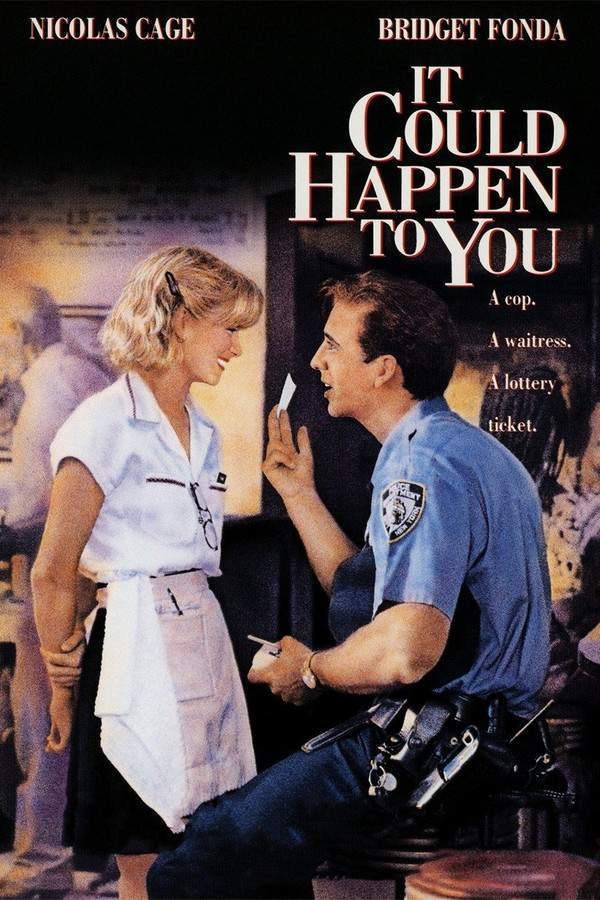


Featured on this page

What's After the Movie?
Not sure whether to stay after the credits? Find out!
Check out our other apps:

SAT Sphere
Build confidence for the Digital SAT.

Mori Atlas
Discover wild places worth protecting.

Luntero
Search smarter for a home in Amsterdam.

Plot Explained
Unravel movie endings and hidden clues.

Pokechamp
Dive into Pokémon data and battle logic.

Driving Theory
Get ready for your European theory test.

Movie Dust
Plan your next cinema trip with ease.

Musemap
Find art and culture as you travel.

Selkobase
Compare credentials before committing.

Local Manual
Turn an unfamiliar country into practical next steps.

Lernavi
Compare school systems before your next move.

GymRoam
Find a workout stop wherever your plans take you.
Explore Our Movie Platform
New Movie Releases (2026)
Famous Movie Actors
Top Film Production Studios
Movie Plot Summaries & Endings
Major Movie Awards & Winners
Best Concert Films & Music Documentaries
Movie Collections and Curated Lists
© 2026 What's After the Movie. All rights reserved.
Privacy Policy