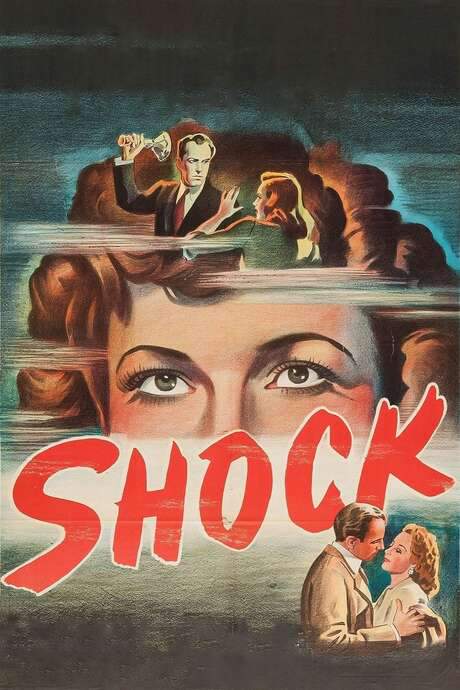
What Is High Wall About?
The premise of High Wall in 305 words, with nothing given away. The full story follows below.
In a bleak, understaffed county asylum where the corridors feel as tight as a hand‑cuff, the atmosphere thrums with a restless unease. The institution is a micro‑cosm of restless souls, each confined within its own fractured reality, and the thin veneer of order constantly threatens to crack under the weight of whispered anxieties. The setting itself becomes a character, its oppressive walls amplifying every murmur and every flicker of fear, setting a tone that is as claustrophobic as it is relentless.
Steven Kenet arrives at this volatile haven burdened by a recurring brain injury that clouds his recollections and fuels a lingering uncertainty about his own actions. A former bomber pilot turned mercenary, he has confessed to a crime that may or may not be rooted in his fragmented memory, and his staunch refusal of treatment only deepens the mystery surrounding him. His presence introduces a volatile mix of guilt, desperation, and the instinct to protect something beyond himself, all while he navigates the thin line between sanity and the abyss.
Dr. Ann Lorrison enters the picture as the hospital’s pragmatic yet compassionate psychiatrist, her professional skepticism clashing with an undercurrent of curiosity. She doubts the simplicity of Kenet’s confession and wrestles with the ethical dilemma of imposing treatment on a man who clings to his autonomy. Her measured approach and subtle empathy create a tension that reverberates through every interaction, hinting at a deeper connection that may shift the balance of power inside the institution’s cold walls.
Within this pressure‑cooked environment, every encounter feels charged, every decision carries weight, and the thin veil of order is constantly tested by the inmates’ restless energies. The film dwells on the unsettling interplay between a damaged mind, a skeptical healer, and an institution that seems to amplify rather than alleviate the hidden turmoil of those trapped inside.
What Happens in High Wall?
The complete story of High Wall, from the first scene to the last, in 530 words (about 2 minutes). Spoilers throughout. Names in the text link to 1 cast member page.
Spoilers ahead
Former WWII bomber pilot and recent ex-mercenary flyer Steven Kenet [Robert Taylor] crashes his car into a river, attempting to cover up his wife’s murder as a suicide. He survives but is sent to the county psychiatric hospital for evaluation to determine if he is sane enough to stand trial. He has no memory of what happened, the result of a pre-existing wartime brain injury aggravated by a crash in Burma.
At the hospital, Dr. Ann Lorrison [Audrey Totter] takes a genuine interest in his case, and in him. She explains that surgery could relieve Kenet’s brain injury, but he refuses to consent, stalling for time until he can clear himself and be able to take care of his six-year-old son. The medical team resists pressuring him, hoping to protect his rights while exploring every possibility.
Kenet’s fragile situation shifts when Lorrison informs him that his mother has died, ostensibly dooming his son to an orphanage. The news jolts him into reconsidering his stance, nudging him toward any path that might secure his freedom and family life. The tension between medical ethics, legal jeopardy, and a man’s need to protect his child becomes a quiet undercurrent throughout the story.
Henry Cronner [Vince Barnett], the janitor of the apartment building where Kenet’s wife’s boss Willard Whitcombe resides, tries to blackmail him over a possible role in the death. After being rebuffed, Cronner goes to see Kenet, hinting at a way to help—but details are withheld until Kenet can pay. Before Kenet can respond, Whitcombe himself moves to silence the threat, sending Cronner plummeting to his death down the building’s elevator shaft.
To unlock the truth, Kenet undergoes narcosynthesis—a light dose of sodium pentothal—to help him remember what happened. He recalls blacking out just as his hands tighten around his wife’s neck and later regaining consciousness to find her dead body. He hides in Lorrison’s car to escape the hospital, then breaks into Whitcombe’s apartment and recreates a scene resembling the truth under careful scrutiny. He returns to the hospital, unnoticed, waiting for Whitcombe to contact him.
Whitcombe shows up, but not empty-handed. He slyly provokes Kenet into a murderous rage by confessing his own two killings: Cronner’s death and Helen Kenet’s murder. In desperation, Kenet steals Lorrison’s car and breaks out of the hospital, evading a citywide manhunt for a homicidal maniac. With Lorrison at his side, who refuses to abandon him, he reaches Whitcombe’s apartment and engages in a brutal fistfight that leaves Whitcombe dazed. Seizing the moment, Lorrison administers sodium pentothal to Kenet, and Whitcombe recounts his motives in a complete confession.
The confession is read aloud before a waiting crowd of police and the D.A., David Wallace, who tells Kenet he is free to go. Even if everything Whitcombe said under truth serum would be inadmissible in court, Kenet remains confident of building his defense the old-fashioned way. After the dramatic confrontation, Kenet and Lorrison return to her home, where she has had custody of his son all along. The couple finally move toward a future together, secure in their reunion and the possibility of a life beyond the trauma that began in the river and the courthouse.
High Wall Timeline: Every Key Event in Order
15 key events in the order they happen, from “Car crash to cover wife's murder” to “Reunion and new beginnings”. 15 events name a place, across 10 locations.
- 1
Car crash to cover wife's murder
Steven Kenet's car plummets into a river as he tries to stage a suicide and conceal the strangulation murder of his wife. He survives but suffers memory gaps from a wartime brain injury aggravated by a Burma crash. He is sent to a county psychiatric hospital for a sanity evaluation related to the murder.
Where:river
- 2
Hospital evaluation begins
Kenet falls under the scrutiny of the county psychiatric hospital where doctors assess his mental state and fitness to stand trial. Dr. Ann Lorrison takes a personal and professional interest in his case. A potential brain-injury surgery is discussed as a possible remedy.
Where:county psychiatric hospital
- 3
Surgery refused; mental fight to stall
Doctors propose surgery to relieve the brain injury, but Kenet refuses to consent and begins stalling. He hopes to buy time to clear his name and protect his six-year-old son. The standoff sets the stage for a high-stakes legal and medical struggle.
Where:hospital
- 4
Mother's death spurs a life-changing decision
Lorrison informs Kenet that his mother has died, ostensibly dooming his son to a county orphanage. Convinced this will ruin his ability to care for his child, Kenet agrees to undergo the surgery to secure custody.
Where:hospital
- 5
Crucial blackmail attempt unfolds
Henry Cronner, the janitor of Whitcombe's building, tries to blackmail Kenet over his potential involvement in his wife's death. After being rebuffed, Cronner hints he can 'save' Kenet but demands payment for details. The tension hints at a larger web of danger surrounding Whitcombe.
Where:Whitcombe's building
- 6
Cronner is murdered by elevator shaft
Whitcombe effectively silences Cronner by sending him plummeting to his death down the building's elevator shaft. The murder demonstrates Whitcombe's willingness to eliminate anyone who might threaten his position. Kenet remains unaware of Cronner's fate at this point.
Where:Whitcombe's building elevator shaft
- 7
Narcosynthesis unlocks buried memory
Kenet undergoes narcosynthesis with a light dose of sodium pentothal to jog his memory. He recalls blacking out just as his hands clenched around his wife's neck and later waking to find her dead. The procedure provides crucial, if fragmentary, clarity about the night of the murder.
Where:hospital
- 8
Escape attempt: hides in the doctor’s car
Following the procedure, Kenet hides in Dr. Lorrison's car to escape from the hospital grounds. He begins to chart a path toward Whitcombe, intent on uncovering the truth and seeking resolution. The escape marks a turning point in his fight for freedom.
Where:hospital grounds
- 9
Reenactment begins at Whitcombe's apartment
Kenet breaks into Whitcombe's apartment and recreates a scene resembling what he recalled under the drug. The act is a bold bid to trigger a reaction and pressure Whitcombe. He returns to the hospital after the break-in, hoping to stay under the radar.
Where:Whitcombe's apartment
- 10
Back at the hospital, waiting for a call
Kenet returns to the hospital, unnoticed and unbetrayed by Dr. Lorrison, and waits for Whitcombe to contact him. The quiet interlude heightens the tension as both men circle the truth. The next move could decide his fate.
Where:hospital
Show the other 5 events of High Wall Hide the last 5 events
- 11
Whitcombe provokes Kenet into rage
Whitcombe shows up and deliberately provokes Kenet into a murderous rage by confessing his two killings. The confrontation pushes Kenet toward a desperate decision that could expose Whitcombe's guilt. The dynamic between the men shifts dramatically in that moment.
Where:Whitcombe's apartment
- 12
Escape again and head to Whitcombe's apartment
In a burst of action, Kenet steals Lorrison's car and escapes the hospital again, making his way to Whitcombe's apartment. He is determined to confront the truth and force Whitcombe to confess. Lorrison accompanies him, insisting on staying by his side.
Where:hospital parking lot
- 13
Fight, then truth serum on Kenet
A brutal fistfight dazes Whitcombe, creating a window for the truth. Seizing the moment, Lorr Morrison administers sodium pentothal to Kenet to draw out further truth and confessions. The sequence uncovers deeper layers of Whitcombe's guilt.
Where:Whitcombe's apartment
- 14
Full confession reaches the authorities
Whitcombe's complete confession is presented before a waiting group of policemen and the district attorney, who tells Kenet he is free to go. Although the drugged statements may be inadmissible, the truth begins to surface through other channels. The legal resolution appears within reach.
Where:police station
- 15
Reunion and new beginnings
Kenet and Lorr Morrison go to her home, where she has custody of his son the entire time. Kenet is reunited with his child, and the couple finally feel free to pursue their romantic future together. A new life begins for the small family.
Where:Lorr Morrison's home
Who Are the Main Characters in High Wall?
8 characters, among them Steven Kenet (Robert Taylor), Dr. Ann Lorrison (Audrey Totter) and Willard I. Whitcombe (Herbert Marshall): who each one is and the part they play in the story. Every profile links to the actor’s page.
-
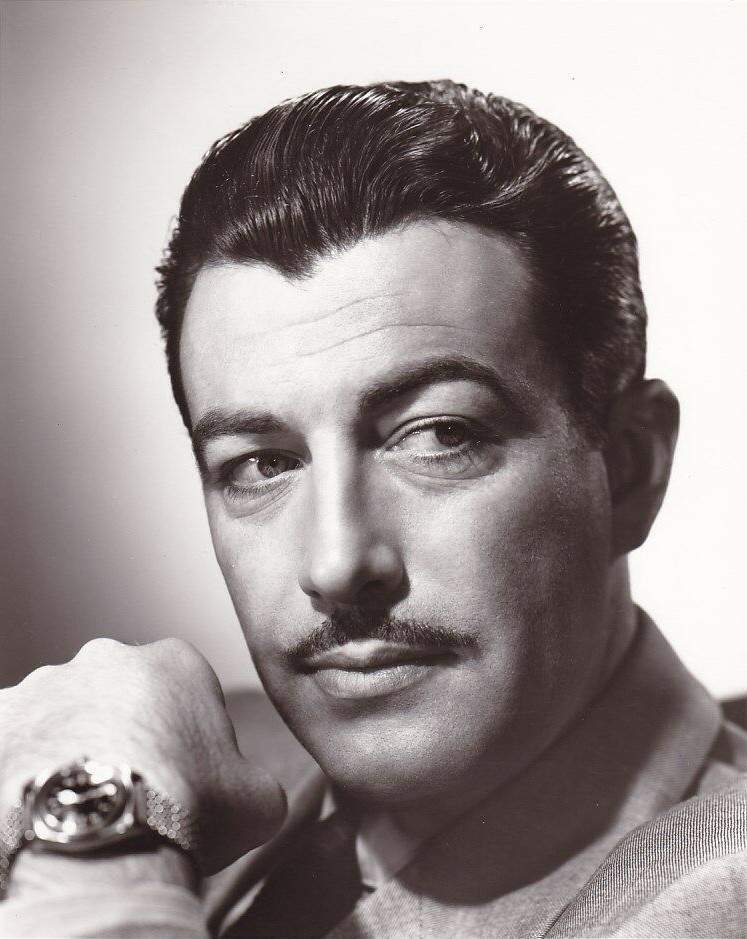
Steven Kenet (Robert Taylor)
Played by Robert Taylor
A former WWII bomber pilot with a severe brain injury who is suspected of murdering his wife. His memory fades under stress, and he fights to uncover the truth while protecting his six-year-old son. He is stubborn, determined, and driven by a deep desire to reclaim his life and prove his innocence.
- 🧠 Trauma
- 🔎 Investigation
- 👨👦 Fatherhood
- DA
Dr. Ann Lorrison (Audrey Totter)
Played by Audrey Totter
A compassionate psychiatrist who takes a strong interest in Kenet's case and advocates for him. She guides him through the narcosynthesis process and stands by him as he battles memory and truth. Her professionalism is tested by high-stakes personal and ethical choices.
- 🩺 Medicine
- ❤️ Romance
- 🧭 Ethics
- WI
Willard I. Whitcombe (Herbert Marshall)
Played by Herbert Marshall
A powerful, unscrupulous figure connected to Kenet’s world who is implicated in murder for his own advantage. He manipulates events to shield his interests, and his eventual confession under pressure underscores the corrupting reach of ambition.
- 💼 Power
- 🗡️ Murder
- 🕵️ Conspiracy
-
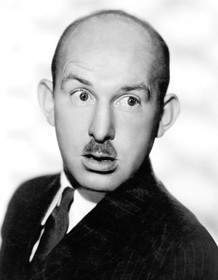
Henry Cronner (Vince Barnett)
Played by Vince Barnett
The janitor who attempts to blackmail Kenet but is dismissed, only to die under suspicious circumstances. His death intensifies the danger around the murder plot and accelerates the pursuit of the truth.
- 🗝️ Blackmail
- 💀 Death
- HK
Helen Kenet (Dorothy Patrick)
Played by Dorothy Patrick
Steven Kenet’s wife whose death is the catalyst for the central mystery. Her absence heightens the stakes for Kenet and influences the custody outcome for their son. Her memory haunts the investigation as clues surface.
- 💔 Spouse
- 🕯 Memory
- EG
Emory Garrison (Jonathan Hale)
Played by Jonathan Hale
A hospital figure who interacts with Kenet’s case, representing the medical establishment’s role in the investigation and treatment. He embodies the tension between patient care and procedural caution within the system.
- 🏥 Institution
- 🔎 Oversight
-
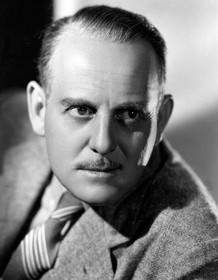
Dr. Philip Dunlap (Moroni Olsen)
Played by Moroni Olsen
A physician involved in Kenet’s medical evaluation and discussion of treatment options. He exemplifies the era’s medical approach to diagnosing and managing memory and sanity within a legal context.
- 🩺 Medical
- 🧪 Diagnosis
- AD
Assistant District Attorney David Wallace (John Ridgely)
Played by John Ridgely
The D.A. pressing for a conviction while balancing legal strategy with the uncertain value of memory-based testimony. He represents the prosecutorial push toward closure, sometimes at odds with medical nuance.
- ⚖️ Law
- 🕵️ Prosecution
Where and When Is High Wall Set?
High Wall is set in County psychiatric hospital and Whitcombe's apartment building (1947). Here is why the time and place matter to the story.
When
1947
The narrative is situated in the immediate post-World War II era, reflecting a society grappling with veterans, trauma, and shifting medical practices. The era's mood informs the treatment approaches and legal pressures faced by Kenet and the hospital. The story uses contemporary techniques like narcosynthesis to probe memory and truth within a legal framework.
Where
County psychiatric hospital, Whitcombe's apartment building
The story unfolds primarily inside a county psychiatric hospital where Steven Kenet is evaluated after the crash and alleged murder. It also centers on the upscale apartment building owned by Willard Whitcombe, which becomes the hub of blackmail, confrontation, and discovery. These settings create a claustrophobic, urban atmosphere that drives the tension between medicine, law, and personal desperation.
- 🏥 Hospital
- 🧠 Psychology
- 🏙️ City setting
What Are the Themes of High Wall?
4 ideas the story keeps returning to, among them Memory, Justice and Love.
-
01
Memory
Memory and its reliability are central to the plot asKenet’s recollections are fragmented by trauma and brain injury. Narcosynthesis attempts to reconstruct the night of the murder, but what emerges may be distorted by emotion and suggestion. The tension hinges on whether recovered memories can be trusted to prove innocence or guilt.
-
02
Justice
The film probes how medical decisions influence legal outcomes, especially regarding patient consent and the admissibility of statements obtained under truth serum. The DA’s pressure and hospital timelines create a clash between procedural justice and human truth. The climax tests whether truth, memory, and confession are enough to convict or absolve.
-
03
Love
A developing relationship between Kenet and Dr. Lorrison provides emotional ballast amid danger and moral ambiguity. Their bond complicates professional boundaries while offering a lifeline to navigate fear and doubt. Love motivates Kenet to fight for his family and seek a rightful resolution.
-
04
Ethics
Narcosynthesis raises ethical questions about consent, coercion, and the risk of manipulating memory for a verdict. The hospital’s restraint against forced surgery highlights debates between patient rights and medical expediency. The drama uses these tensions to scrutinize how moral choices shape outcomes.
What Kind of Film Is High Wall?
Dark in tone, with steady pacing and a moderate story, going by the plot summary.
- Tone
- Dark
- Pacing
- Steady
- Story
- Moderate
- Intensity
- High
- Ending
- Happy
A tense and claustrophobic psychological thriller set within a chaotic asylum, where a man's desperate fight to prove his innocence creates a dark, anxiety-driven atmosphere with a cautiously hopeful resolution.
- tense
- claustrophobic
- anxious
- suspenseful
- melancholic
- paranoid
- murder investigation
- amnesia
- psychological trauma
- falsely accused
Content notes: murder, attempted suicide, mental illness, confinement in asylum, child endangerment.
Quiz
How well do you remember High Wall? Test yourself on the story.