What Is Graveyard of Honor About?
The premise of Graveyard of Honor in 281 words, with nothing given away. The full story follows below.
In the neon‑lit underbelly of 1970s Shinjuku, a world of honor, ambition, and ruthless hierarchy pulses beneath the city’s surface. The film immerses the viewer in a gritty, rain‑slick landscape where yakuza allegiances are as fragile as they are deadly, and every whispered pact carries the weight of a possible vendetta. Politics brush against the criminal underworld, hinting at a fragile balance between elected power and shadowed muscle.
Rikio Ishikawa is introduced as a charismatic yet volatile figure whose fierce determination drives him deeper into the ranks of the Kawada syndicate. Possessing a fierce pride and a reputation for reckless boldness, he navigates a maze of loyalty, rivalry, and the ever‑present threat of losing oneself to the very violence that fuels his rise. His relationships with fellow members—most notably the ambitious Imai and the disciplined boss Kawada—etched a delicate network of respect, envy, and underlying tension that constantly teeters on the brink.
The tone drips with a somber, almost poetic melancholy, underscored by moments of stark brutality that never feel gratuitous but rather serve as a mirror to the protagonist’s inner turmoil. The cinematography captures the oppressive heat of cramped back‑alleys, the cold glare of office boardrooms, and the hollow quiet of night‑time meetings, all contributing to an atmosphere where every decision feels like a step toward an inevitable breaking point.
Against this backdrop, the story follows Ishikawa’s relentless pursuit of status and control, a quest that both defines and threatens to consume him. His magnetic presence draws allies and enemies alike, setting the stage for a tense, character‑driven exploration of power, self‑destruction, and the haunting echo of a promise that only the crows will mourn when his time runs out.
What Happens in Graveyard of Honor?
The complete story of Graveyard of Honor, from the first scene to the last, in 502 words (about 2 minutes). Spoilers throughout. Names in the text link to 5 cast member pages.
Spoilers ahead
Rikio Ishikawa Tetsuya Watari, a volatile figure within the Kawada yakuza in Shinjuku, launches a brutal series of crimes to expand his hold on rival territories. He first assaults and robs the Aoki gang, then partners with Imai in a bold heist at a Sangokujin gambling den, where Ishikawa had recently become friends with Kozaburo Imai Tatsuo Umemiya and agreed to join his growing faction. In a reckless moment, Ishikawa stashes his gun with a geisha named Chieko Yumi Takigawa and, after his release from jail that night, he returns for the weapon and commits a rape against Chieko, a brutal act that haunts the subsequent chapters of his life.
The political and criminal landscape around him grows tense as the Nozu family boss, Ryunosuke Nozu Noboru Andō, campaigns for Parliament, forging ties with Kawada. When Ishikawa severely wounds Aoki in a club, Kawada scolds him, anxious that Shinwa might retaliate. A dangerous standoff erupts between Shinwa and Kawada, only defused when Kawada pays the American Military Police to disperse the gathering. The election of Nozu ends in disappointment, and Ishikawa retaliates by blowing up Nozu’s car, an act that triggers a brutal backlash: he is beaten and pressured to perform yubitsume, then, after a drunken episode, he fatally wounds Kawada and flees to Chieko before surrendering to the police days later.
Banished from the Tokyo yakuza for ten years, Ishikawa withdraws to Osaka, where drug addiction takes hold and he forms a fervent and unhealthy bond with Ozaki. Ozaki, Katsuji Ozaki in the cast Kunie Tanaka, accompanies him back to Tokyo a year and a half later. Imai, now the head of his own family, urges Ishikawa to leave, but Ishikawa—still driven and obstinate—attacks Imai alongside Ozaki before disappearing again to hide. When he returns to confront Imai a final time, the two become locked in a tense stalemate with both Imai’s and Kawada’s factions bearing down on them. Detained and arrested, Ishikawa is sentenced to ten years, yet he uses funds raised by Chieko to post bail while appealing the verdict.
On bail, Ishikawa tries to pay respects to Imai’s widow, only to be turned away. He spends his days in a fog of drugs, tending to the ailing Chieko, whose tragedy culminates in suicide. Before long, he commissions a gravestone for three people and, seeking a future of his own, asks Kawada for a land stake to start his own family; Kawada initially grants a measure of turf but ultimately withdraws, leaving Ishikawa to rob a Kawada family member in retaliation. While high in a cemetery, the Kawada faction attacks him with swords, a confrontation he survives, but his appeal is denied and he is sent back to prison. After six years inside, Ishikawa ends his life by leaping from the prison roof, leaving behind a stark note: What a laugh! Thirty Years of Madness! His ashes are laid to rest at the gravestone he had made, a cenotaph that also lists Imai, closing a brutal and fateful chapter.
Graveyard of Honor Timeline: Every Key Event in Order
14 key events in the order they happen, from “Assault on Aoki gang in Shinjuku” to “Suicide in prison; final note and legacy”. 13 events name a place, across 8 locations.
- 1
Assault on Aoki gang in Shinjuku
Ishikawa assaults the Aoki gang within Kawada's Shinjuku territory, stealing money and establishing himself as a volatile force. The act triggers attention from rival Shinwa and deepens the looming yakuza tensions in Tokyo.
Where:Shinjuku, Tokyo
- 2
Robbery with Imai and stash with Chieko
Ishikawa robs a Sangokujin gambling den alongside Imai, who later invites him to join his gang. After the robbery, Ishikawa hides his gun with the geisha Chieko, signaling his growing ties and leverage.
When:before release from jail
- 3
Release from jail and rape Chieko
Upon release from jail, Ishikawa returns for his gun and rapes Chieko, further entangling his life with her. The act seeds a troubling personal dependency and sets off a chain of violent choices.
When:that night Where:Chieko's location
- 4
Wounding Aoki; Kawada rebuke
Ishikawa severely wounds Aoki in a club after finding him within Kawada's orbit, drawing a stern rebuke from Kawada who fears Shinwa retaliation. The confrontation tightens the grip of the rival families on Tokyo's underworld.
Where:Tokyo club
- 5
Yakuza standoff and AM Police intervention
The Shinwa and Kawada families mobilize for a tense standoff, which Kawada ends up dispersing by paying the American Military Police. The event underscores the fragile balance of power and the costly methods used to maintain it.
Where:Tokyo
- 6
Election setback and car bombing
Nozu loses the parliamentary race, and Kawada lectures Ishikawa, who retaliates by blowing up Nozu's car. The political angle intertwines with gang politics, escalating the violence.
Where:Nozu's district, Tokyo
- 7
Beating, yubitsume demand and stabbing Kawada
Ishikawa is severely beaten and told to perform yubitsume; in a drunken rage he stabs Kawada and escapes, seeking refuge with Chieko before surrendering days later. The act seals his exile from the Tokyo yakuza for a time.
When:days later Where:Tokyo
- 8
Banished to Osaka; drug addiction; Ozaki friendship
Banished from the Tokyo yakuza for ten years, Ishikawa retreats to Osaka where he dives into drugs and befriends Ozaki, a fellow addict. The move marks a descent into crime beyond the yakuza's direct rules.
When:after prison release Where:Osaka
- 9
Return to Tokyo; conflict with Imai; attack on Imai
A year and a half later, Ishikawa returns to Tokyo with Ozaki. Imai, now a family boss, urges him to quit, but Ishikawa refuses and attacks Imai with Ozaki before hiding. The feud rekindles old loyalties and rivalries.
When:a year and a half later Where:Tokyo
- 10
Hunted, detained and bail pending appeal
Ishikawa holes up with Ozaki as police close in; he is detained and arrested and receives a ten year sentence, but bail is funded by Chieko while he appeals. The pursuit of justice intersects with personal debts and loyalties.
Where:Tokyo
Show the other 4 events of Graveyard of Honor Hide the last 4 events
- 11
Bail, Imai's widow, and Chieko's suicide
On bail, Ishikawa tries to pay respects to Imai's widow but is turned away. He cares for a gravely ill Chieko until she commits suicide, and he arranges a gravestone for three to honor the past lives tied to him.
When:after bail Where:Tokyo
- 12
Robbery of Kawada relative; Kawada's response
Ishikawa asks Kawada for turf and money; when rebuffed he robs a Kawada family member, highlighting the broken trust and ongoing conflict with Kawada's faction. The act reinforces his status as a renegade member beyond control.
When:after the attempted reconciliation Where:Tokyo
- 13
Cemetery ambush; prison return
While injecting drugs in a cemetery, Kawada's men attack Ishikawa with swords; he survives, but his appeal fails and he is sent back to prison. The cycle of violence closes in on him from multiple directions.
When:after the confrontation Where:cemetery
- 14
Suicide in prison; final note and legacy
Six years into the sentence, Ishikawa commits suicide by jumping from the prison. He leaves the note What a laugh! Thirty Years of Madness and is buried at the gravestone he prepared for three, which also lists Imai.
When:six years later Where:Prison / burial site
Who Are the Main Characters in Graveyard of Honor?
7 characters, among them Rikio Ishikawa (Tetsuya Watari), Yasuo Matsuoka (Hideo Murota) and Kozaburo Imai (Tatsuo Umemiya): who each one is and the part they play in the story. Every profile links to the actor’s page.
- RI
Rikio Ishikawa (Tetsuya Watari)
Played by Tetsuya Watari
A hot-headed yakuza enforcer whose violent impulses drive most of the action. He is fiercely loyal to his own code but increasingly prone to reckless acts, including theft, assault, and ultimately self-destructive choices as he battles rivals and his own demons.
- 🗡️ Violent
- 💢 Hot-headed
- 🧭 Ruthless
-
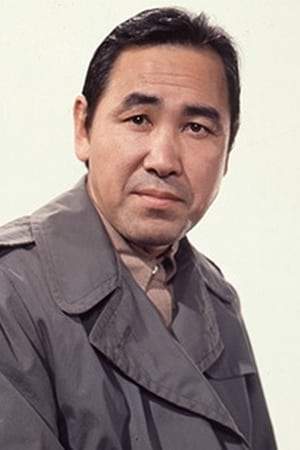
Yasuo Matsuoka (Hideo Murota)
Played by Hideo Murota
The boss of the Kawada family, attempting to keep order amid turf wars. He wields power through intimidation and political maneuvering, and his discipline is tested by Ishikawa's audacity and defiance.
- 👔 Boss
- 🗡️ Ruthless
- 🗺️ Calculated
- KI
Kozaburo Imai (Tatsuo Umemiya)
Played by Tatsuo Umemiya
An ambitious figure who lures Ishikawa into his own faction, then must confront the consequences of betrayal and the costs of loyalty in the yakuza world.
- 🤝 Loyal
- 🕵️♂️ Strategic
- CI
Chieko Ishikawa (Yumi Takigawa)
Played by Yumi Takigawa
A geisha who becomes closely tied to Ishikawa, serving as his confidante and lover. She endures trauma and ultimately suicide, reflecting the personal toll of the yakuza underworld.
- 💔 Love
- 🪦 Tragic
- 🌃 Nightlife
- O(
Ozaki (Noboru Mitani)
Played by Noboru Mitani
A fellow drug-addict and ally who navigates the yakuza underworld with Ishikawa, sharing in the descent into crime and desperation.
- 💊 Addict
- 🧭 Loyal
- 🕳️ Desperate
- SK
Shuzo Kawada (Hajime Hana)
Played by Hajime Hana
A senior figure within the Kawada family who presses Ishikawa to conform to the family's codes, yet must contend with his volatile rivalries and the shifting loyalties of his men.
- 🏢 Boss
- 🗡️ Authoritative
- RN
Ryunosuke Nozu (Noboru Andō)
Played by Noboru Andō
A boss from the Nozu family whose political ambitions intersect with the yakuza clashes, adding another layer of tension to the turf wars.
- 🗺️ Politician
- 🧭 Ambitious
Where and When Is Graveyard of Honor Set?
Graveyard of Honor is set in Shinjuku, Ikebukuro and Osaka (Postwar Japan, late 1940s to early 1950s). Here is why the time and place matter to the story.
When
Postwar Japan, late 1940s to early 1950s
Set in the aftermath of World War II, a Japan rebuilding its cities and institutions. The period is marked by the rise of organized crime and shifting loyalties within the yakuza. The American Military Police presence hints at the occupation-era context.
Where
Shinjuku, Ikebukuro, Osaka
Set primarily in Shinjuku and Ikebukuro in Tokyo, with later sequences in Osaka. The urban setting is gritty, neon-lit, and full of gambling dens and clubs. The cityscapes frame the violent power struggles between rival yakuza families.
- 🌃 Nightlife
- 🗺️ City districts
- 🏙️ Postwar redevelopment
What Are the Themes of Graveyard of Honor?
3 ideas the story keeps returning to, among them Violence, Loyalty and Betrayal and Addiction and Decay.
-
01
Violence
Rikio Ishikawa's life is defined by brutal acts of violence and opportunistic robberies that ignite cycles of retaliation. The film presents violence as both personal and institutional, shaping loyalties and fear within the yakuza. The constant threat of force drives the plot, leaving little room for mercy or reform.
-
02
Loyalty and Betrayal
Loyalty to family codes is tested by ambition and self-interest, making alliances fragile and transactional. Ishikawa's ties to Imai, Kawada, and others unravel under pressure, revealing how quickly trust dissolves in a world of turf and power. Betrayal pushes the narrative toward escalating confrontations and tragic consequences.
-
03
Addiction and Decay
Ishikawa's descent into drug use marks his moral and social decline as he loses support and focus. Substance abuse entangles him with old and new allies, accelerating his fall from power. The film uses addiction to underscore how personal demons amplify brutality and doom.
What Kind of Film Is Graveyard of Honor?
Dark in tone, with fast pacing and a moderate story, going by the plot summary.
- Tone
- Dark
- Pacing
- Fast
- Story
- Moderate
- Intensity
- High
- Ending
- Bleak
A relentlessly brutal and fast-paced descent into the yakuza underworld, charting the chaotic and self-destructive life of a volatile man through escalating violence and despair.
- brutal
- fatalistic
- self-destructive
- chaotic
- oppressive
- volatile
- yakuza
- rise and fall
- drug addiction
- criminal underworld
Content notes: sexual assault, suicide, drug addiction, graphic violence.
Quiz
How well do you remember Graveyard of Honor? Test yourself on the story.
Where to Watch Graveyard of Honor
Stream it on ARROW, or rent or buy it from Amazon Video and Apple TV Store. US availability and prices from JustWatch.
Stream 1
 ARROW
ARROW 

Streaming availability in the US, powered by