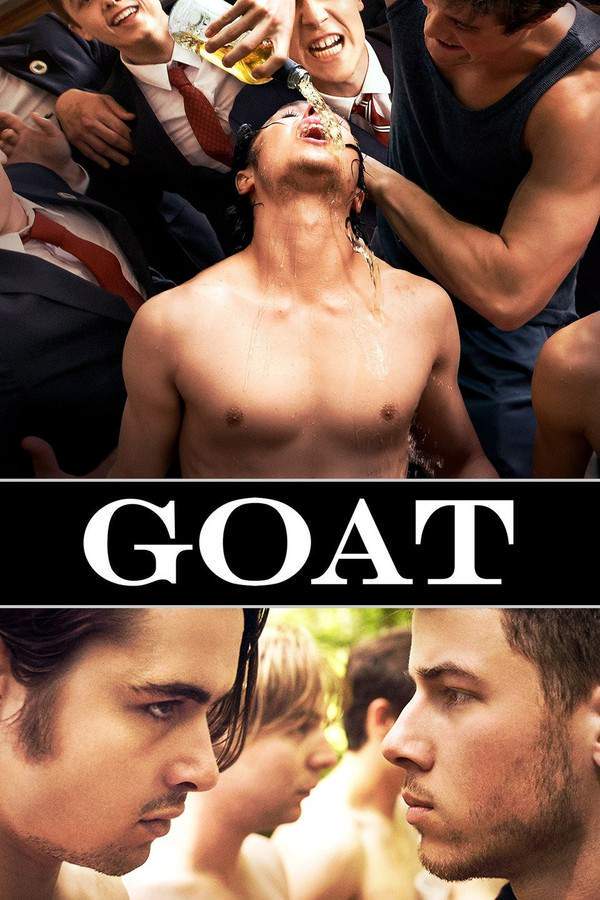
Goat 2016

Directed by
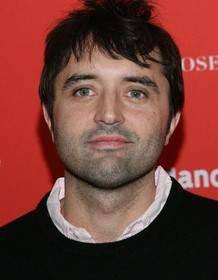
Andrew Neel
Made by

Paramount Pictures
Where to Watch Goat
See current US streaming, rental, and purchase options for Goat (2016) via JustWatch.







Goat Plot Summary
Read the complete plot summary and ending explained for Goat (2016). From turning points to emotional moments, uncover what really happened and why it matters.
Brad Land, Ben Schnetzer, returns to campus haunted by a brutal assault from the summer, determined to rebuild a sense of normalcy and keep his life on track. His brother Brett, Nick Jonas, is already a fixture on the rowdy campus scene, deeply involved with a fraternity that promises protection, prestige, and a tight bond of lifelong friends. Brad longs to belong, but Brett’s cautious stance sparks tension, hinting that the brotherly alliance might crack under the weight of what they’re asked to endure.
As rush week bleeds into hell week, the hazing intensifies into ritualized ordeals that test every pledge’s resolve. The newcomers are hauled to an off-campus wooded site and told to drink large quantities of beer; those who falter are forced into a brutal, dehumanizing test—sodomy and killing a goat. The rite is supposed to prove loyalty and manhood, and after they endure, they’re told the hazing is over. The crossing ceremony becomes a flashpoint: Brad is furious when Brett doesn’t show up, and their confrontation is sharp enough to threaten violence. Brett’s harder-on-the-inside stance—his claim that Brad doesn’t belong in the fraternity—drives a wedge between the brothers.
Tragedy then strikes when Will, Brad’s pledge brother, collapses during a track workout, dying of a heart attack. The freshman’s bruised body and the violent toll of hazing cast a pall over campus life and set off alarms about what’s happening behind the frat’s doors. The university opens an investigation into Phi Sigma Mu, and the fraternity is suspended after someone leaks details of the hazing to authorities. The pledge master becomes a suspect in Brad’s mind, hinting at a culture of silence and betrayal within the house.
The ugliness escalates in a jarring, symbolic way when Brad returns to his dorm to find his goat defecating on the carpet, its coat shaved with the words “Rat Fuck,” a cruel emblem of the humiliation that has become routine for the pledges. Confrontations at the house push Brad toward more confrontations with the brotherhood, and he’s accused of feeding information to the authorities—an accusation that Brett counters by stepping forward as the source of the leaks, reversing the sense of betrayal felt by Brad.
The pursuit of truth continues when Brad and Brett go to the police station to identify Brad’s attackers from six months earlier. One of the men is later revealed to have been shot in a gas-station robbery, while the other remains unidentified in a lineup. The film closes on a quiet, reflective note as Brad and Brett return to the field where the beating occurred, the weight of what happened lingering as they face an uncertain future and the fragile line between loyalty and survival.
Goat Timeline
Follow the complete movie timeline of Goat (2016) with every major event in chronological order. Great for understanding complex plots and story progression.
Recovery begins after the assault
Brad lands at college to reclaim his life after a brutal assault from the prior summer. He carries trauma but is determined to move forward, seeking normalcy in college life. The opening frames his mindset as he starts classes and tries to fit in.
Brett's fraternity life promises protection
Brad's older brother Brett is already established on campus as a member of a popular fraternity. The promise of protection, belonging, and lifelong friendships draws Brad in. Brett's reservations foreshadow tension between family loyalty and the allure of the Greek system.
Brad pursues fraternity membership
Brad sets out to join the fraternity, hoping to find a place to belong. His eagerness contrasts with Brett's warnings about the hazing culture. The stage is set for a test of loyalty, belonging, and personal safety.
Hell Week begins and hazing intensifies
The pledging ritual moves into hell week, where unproven boys endure strenuous and humiliating tasks. The pledge master presses for obedience as the environment grows more coercive. Fear and peer pressure take center stage and threaten to overwhelm the pledges.
Off-campus woods test of hazing
Pledges are taken to an off-campus wooded site and told to drink large quantities of beer or face a brutal test: sodomize and then kill a goat. They endure the ritual and pass, believing the hardest part is over. The scene underscores the brutality of the hazing culture and the moral ambiguity of conformity.
Crossing ceremony and a fractured bond
Brad participates in the crossing ceremony, but his brother's absence and silence during the rite fuels a heated confrontation. The exchange leaves Brad reeling and Brett declaring that Brad does not belong in the fraternity. The moment exposes the rift between family loyalty and club loyalty.
Will's death exposes the dark side of hazing
Shortly after, pledge Will dies of a heart attack during exercise on the track. His bruised body hints at the toll of brutal hazing. The tragedy triggers whispers and fear among the pledges, and questions about accountability begin to surface.
Investigation and suspension
Authorities launch an investigation into Phi Sigma Mu, and the fraternity is suspended from campus as the hazing practices come to light. The pledge master grows suspicious of Brad, hinting at a power struggle within the brotherhood. The university's inquiry shifts the campus climate.
Goat incident escalates the harassment
Brad returns from class to find his dorm goat defecating on the carpet and the words 'Rat Fuck' shaved into its coat. The taunting reinforces the sense of surveillance and hostility from the fraternity. It marks a public, humiliating escalation tied to Brad's alleged leaks.
Betrayal and the source of leaks revealed
Brad is accused of talking to authorities about the hazing; in a twist, Brett steps in and reveals that he is the source of the leaks. The brothers' bond fractures as lies and loyalties collide. Brad must reckon with betrayal within his own family.
Facing the past: identifying attackers
Brad and Brett visit the police station to identify the men who attacked Brad six months earlier. One suspect is shot in a gas station robbery, while the other remains unidentified. Brad lies, protecting someone or avoiding further trouble, which complicates the pursuit of justice.
Closing moment at the beating field
Brad and Brett walk to the field where Brad was beaten, reflecting on the events and the cost of belonging. The scene closes the loop on the incident and its enduring impact on Brad's life. The contrast between brotherly tension and shared history is palpable.
Goat Characters
Explore all characters from Goat (2016). Get detailed profiles with their roles, arcs, and key relationships explained.
Brad Land (Ben Schnetzer)
Brad is a 19-year-old college freshman who is reviving his life after a traumatic assault. He seeks belonging and protection through the fraternity, but the path exposes him to cruelty and moral conflict. Brad's resilience is tested as he navigates loyalty to his brother and his own safety.
Brett Land (Nick Jonas)
Brett is Brad's older brother, already established on campus as a fraternity member. He carries a mix of concern and complicity, balancing family loyalty with the pressures of secrecy. Brett's actions reveal the conflict between protecting a sibling and exposing wrongdoing.
Will (Daniel Flaherty)
Will is Brad's pledge brother whose participation in the hazing leads to a fatal heart attack and dramatic consequences. He embodies the vulnerability of younger initiates trapped in a brutal system. Will's death becomes a turning point that exposes the brutality behind the fraternity's rituals.
Pledge Master (Gus Halper)
The Pledge Master enforces the ritualized tests and the hazing culture with stern authority and cruelty. He represents the power dynamics that sustain the fraternity's hierarchy and the fear of questioning authority among new pledges.
Goat Settings
Learn where and when Goat (2016) takes place. Explore the film’s settings, era, and how they shape the narrative.
Time period
Early 2010s
Set in a contemporary college environment in the early 2010s. The action stretches from the summer after a traumatic assault into the college year, with hell week hazing escalating as the semester begins. The timeframe emphasizes present-day campus culture and its capacity for cruelty.
Location
College campus, Off-campus fraternity house, Woods, Track field
Most of the action unfolds on a college campus and an off-campus fraternity house, with the pivotal hazing sequence taking place in a remote wooded site. The woods provide a secluded, ominous backdrop where initiation rites unfold. The university setting frames the pressure to belong and the consequences of cruelty, both social and physical.
Goat Themes
Discover the main themes in Goat (2016). Analyze the deeper meanings, emotional layers, and social commentary behind the film.
🤝
Belonging
Brad's desperate need to belong drives him toward the fraternity, attracted by protection and life-long friendships. The hazing system promises acceptance while demanding obedience, testing his morals and loyalty. The film shows how the desire to fit in can override personal safety and family ties, at least temporarily. It also examines how belonging can fracture trust and shape identity.
💪
Toxic Masculinity
Hazing functions as a display of toughness that enforces a harsh masculine code. The rituals rely on humiliation, domination, and performance to prove worthiness within the group. Brad and his peers navigate a culture that links manhood to control and pain. The narrative critiques the normalization of cruelty as a rite of passage.
🔒
Secrecy
Secrets and silence shield hazing from authorities and accountability. The pledge master and others pressure pledges to hide what happens, creating a culture of cover-ups. As the university investigates, the veneer of fraternity loyalty collapses and trust erodes, revealing the truth behind the rituals.
💔
Trauma
Will's death becomes the brutal culmination of the hazing, underscoring the real emotional and physical cost. The aftermath follows Brad and others as they grapple with guilt, fear, and the long-term scars of abuse. The story portrays how trauma persists beyond the immediate act, influencing relationships and perceptions of safety. Healing is obstructed by secrets and the pressure to stay silent.

Coming soon on iOS and Android
The Plot Explained Mobile App
From blockbusters to hidden gems — dive into movie stories anytime, anywhere. Save your favorites, discover plots faster, and never miss a twist again.
Sign up to be the first to know when we launch. Your email stays private — always.
Explore the mobile appGoat Ending Explained
Unravel the ending of Goat (2016) with our detailed explanation. Understand the final scenes, character fates, and unresolved questions.
Najeeb’s journey in The Goat Life is one of immense suffering and unimaginable hardship. After being duped into going to Saudi Arabia with false promises of a better life, he is abducted, trafficked, and forced into brutal slavery in the desert camp. Over time, the physical and mental toll of captivity leaves him unrecognizable, both physically and spiritually. He endures relentless torture, deprivation, and isolation, slowly losing hope of ever escaping. Najeeb’s only solace becomes memories of his family and the dreams he held onto back home. Despite multiple failed attempts to escape, he remains trapped in a cycle of despair until a final, desperate plan takes shape.
The ending sees Najeeb at last finding a glimmer of hope when he reunites with Hakim, who has also managed to survive and find him. Hakim informs Najeeb of a possible escape plan involving a local helper named Khadiri, who is willing to risk everything to help them. In a harrowing journey through the desert, Najeeb and Hakim walk day and night, facing the extreme heat and danger, with their lives hanging in the balance. Tragically, Hakim succumbs to the harsh environment before they reach safety, but Najeeb persists, guided by Khadiri’s bravery and instructions.
Finally, Najeeb reaches the city after a long, perilous trek and is taken in by an Indian man working at a restaurant. With no documents, he is forced to surrender to the police, still haunted by the trauma of his captivity. Months later, Najeeb’s trafficker—the man who originally deceived and abducted him—approaches him at the police station. His indifference and lack of remorse highlight that human life means little to these traffickers, who see laborers as mere commodities. Ultimately, Najeeb’s resilience pays off when he is reunited with his family. His survival feels like a miracle, a testament to the strength of hope and the human spirit. The film leaves viewers with a powerful message about endurance, the brutality of slavery, and the indomitable will to return home against all odds.
Goat Spoiler-Free Summary
Discover the spoiler-free summary of Goat (2016). Get a concise overview without any spoilers.
In the heated atmosphere of a sprawling campus, a freshman named Brad Land arrives with the weight of a recent, unspoken trauma and a yearning to carve out a place among his peers. The promise of camaraderie, protection, and a lasting brotherhood draws him toward the charismatic world of a storied fraternity, a place where rituals and traditions are woven into daily life. The film’s tone balances the electric buzz of college excitement with an undercurrent of unease, suggesting that the pursuit of belonging can sometimes mask deeper, more demanding expectations.
The fraternity itself looms as both sanctuary and crucible, its culture steeped in rites that test physical stamina and moral resolve. Within this tight‑knit circle, Brett, Brad’s older brother, already occupies a central role, embodying the allure and the caution that comes with being entrenched in the house’s hierarchy. Their sibling bond is a fragile thread, strained by differing views on what loyalty truly means and how far one should go to secure acceptance. As Brad navigates the ambiguous line between eagerness and pressure, the looming rituals become a silent but powerful force shaping his choices.
Against a backdrop of dormitory corridors, midnight gatherings, and the ever‑present chatter of campus legends, the story sets up a tension between the desire for connection and the cost of conformity. The atmosphere is charged with a palpable mix of youthful optimism and a foreboding sense that the pursuit of “belonging” may demand more than the protagonists anticipate. This tension invites viewers to wonder how far the characters will push themselves, what they’ll sacrifice, and whether the promise of brotherhood can survive the weight of its own expectations.
Movies with Similar Twists and Themes
Uncover films that echo the narrative beats, emotional arcs, or dramatic twists of the one you're exploring. These recommendations are handpicked based on story depth, thematic resonance, and spoiler-worthy moments — perfect for fans who crave more of the same intrigue.




Featured on this page

What's After the Movie?
Not sure whether to stay after the credits? Find out!
Check out our other apps:

SAT Sphere
Build confidence for the Digital SAT.

Mori Atlas
Discover wild places worth protecting.

Luntero
Search smarter for a home in Amsterdam.

Plot Explained
Unravel movie endings and hidden clues.

Pokechamp
Dive into Pokémon data and battle logic.

Driving Theory
Get ready for your European theory test.

Movie Dust
Plan your next cinema trip with ease.

Musemap
Find art and culture as you travel.

Selkobase
Compare credentials before committing.

Local Manual
Turn an unfamiliar country into practical next steps.

Lernavi
Compare school systems before your next move.

GymRoam
Find a workout stop wherever your plans take you.
Explore Our Movie Platform
New Movie Releases (2026)
Famous Movie Actors
Top Film Production Studios
Movie Plot Summaries & Endings
Major Movie Awards & Winners
Best Concert Films & Music Documentaries
Movie Collections and Curated Lists
© 2026 What's After the Movie. All rights reserved.
Privacy Policy