What Is Gabriel Over the White House About?
The premise of Gabriel Over the White House in 280 words, with nothing given away. The full story follows below.
The film opens against the bleak backdrop of the Great Depression, a time when the nation’s confidence teeters on the edge of collapse. In this era of desperate crowds and restless politics, a sharp‑tongued political operative, hardened by cynicism, finds his fortunes reversed when an unlikely series of events thrusts him into the highest office. The premise hinges on this sudden elevation, setting up a story that balances the weight of historic crisis with the personal gamble of a man unaccustomed to the moral scrutiny that comes with the presidency.
Inside the White House, the atmosphere is a blend of formal ceremony and private eccentricities. Judd Hammond presides over a government that feels both intimate and oddly regimented, allowing only two visitors at a time—his young nephew Jimmie Vetter and his loyal secretary Pendie Molloy, whose discreet companionship hints at deeper confidences. The staff includes the steady hand of Beek, a seasoned aide who navigates the delicate dance between public policy and behind‑the‑scenes maneuvering. Meanwhile, the nation watches a charismatic activist, John Bronson, who channels the restless energy of the unemployed masses, reminding the new president that the country’s pulse is restless and demanding.
The tone of the film is a brooding mix of gritty realism and heightened idealism, infused with a sense of looming transformation. When the newly minted leader suffers a sudden, near‑fatal accident, the incident becomes a catalyst for an unexpected internal shift—a move from hardened pragmatism toward a stirring, almost prophetic vision of governance. This subtle metamorphosis promises a journey where personal redemption and national renewal intertwine, leaving the audience poised on the edge of a political landscape that could redefine the very meaning of leadership.
What Happens in Gabriel Over the White House?
The complete story of Gabriel Over the White House, from the first scene to the last, in 824 words (about 4 minutes). Spoilers throughout. Names in the text link to 5 cast member pages.
Spoilers ahead
Amiable but corrupt U.S. President Judd Hammond, Walter Huston, governs with a casual charm and a steely resolve, keeping a strict rule about who may enter the Oval Office: two people at a time—his young nephew Jimmie Vetter, Dickie Moore, and Pendie Molloy, his secretary and secret companion, Karen Morley. This unusual arrangement frames a presidency that looks light on the surface but hums with a deeper, troubling orchestration of power.
At a crowded press conference, a reporter presses Hammond to meet with John Bronson, David Landau, a figure who is leading a vast march to Washington demanding work for a million-strong crowd. Hammond remains evasive until a young reporter, Mischa Auer, names the stakes plainly and sketches the collapse of American democracy in stark terms. The exchange unsettles him, and Beekman notes the growing tension between his public bravado and private anxiety. In a symbolic gesture, Hammond signs a Puerto Rico sewer bill with the same pen Abraham Lincoln used for the Emancipation Proclamation, a moment that feels at once reckless and ceremonial as Bronson’s voice carries across the radio while Hammond fusses with his nephew.
A car crash soon follows, and the medical assessment arrives from Dr. H.L. Eastman, [Samuel S. Hinds], who declares Hammond “beyond any human help” even as a breeze flutters the curtains and light briefly floods the room, suggesting a life that is not dying so much as transforming. Weeks pass, and Eastman confides in Beekman and Pendie that the President is not truly dying; instead, he has become a changed man, almost a new being who sits alone, reading and thinking like “a gaunt gray ghost.”
The story widens as Nick Diamond, [C. Henry Gordon], a ruthless racketeer, tries every trick to derail Bronson. The confrontation ends in violence when Bronson is killed in a drive-by shooting, yet the march to Washington continues to grow. Hammond, meanwhile, steps into the crowd in Baltimore and speaks directly to Alice Bronson, [Jean Parker], telling her that her father was a martyr who fought to awaken the people to demand action from their government. He speaks of a future era of renewal, while Pendie and Beek watch with growing concern that Hammond is slipping into two personas—the public, calculating leader and a private, almost prophetic conscience.
In a moment that crystallizes the president’s new worldview, Hammond declares a bold program: an end to foreclosures, a National Banking Law, aid for 55 million agricultural workers, a determined assault on racketeering, and the repeal of Prohibition. He broadcasts plans for a new national order and appears to be building toward a form of rule that emphasizes the “greatest good for the greatest number.” The atmosphere grows tense as the first U.S. Government Liquor Store is bombed and machine-gun fire scours the White House. Pendie is gravely wounded just as she and Beek work to admit their love, and Hammond reshapes the government by naming Beek as head of a new Federal Police force. In the courtroom, Diamond’s chosen lawyer cannot save him—the racketeers meet a court-martial that ends in execution.
As the world watches, Hammond stages a dramatic worldwide radio broadcast to demonstrate the power of his so-called Navy of the Air. He envisions disarmament as the key to freeing billions spent on obsolete weaponry. He signs The Washington Covenant with the Lincoln quill, a ceremonial gesture that signals a turning point, then collapses. Pendie remains at his side as the light shifts across his face, the moment echoing Lincoln’s legacy. The room fills with a hushed stillness as the curtains move and Hammond gently leaves the world. Beek and Pendie emerge, walking arm in arm, to announce that the President is dead. Outside, the flag is lowered to half-mast, and the final notes of Taps fade into the night, marking the end of a presidency that sought to reshape the nation through a blend of idealism and coercive power.
- The narrative draws on a complex cast of characters, each contributing to a portrait of a government tested by crisis, ambition, and moral ambiguity. The central figures—[Walter Huston], [Franchot Tone], [Karen Morley], [David Landau], [Jean Parker], [Dickie Moore], [Mischa Auer], and [Samuel S. Hinds]—anchor a story that explores how a leader’s vision for national renewal can collide with authoritarian temptations, and how relationships within the White House become entangled with policy, loyalty, and the fate of a nation.
- The film’s themes revolve around democracy under pressure, the tension between reform and autocracy, and the price of radical change—set against the dramatic backdrop of public demonstrations, political machinations, and personal loyalties that test the limits of power.
- As events unfold, the tension between public rhetoric and private conviction is laid bare, with Pendie and Beek standing as witnesses to Hammond’s transformation and its ultimate consequences. The result is a provocative meditation on leadership, media, and the possibility (and peril) of a government truly acting in the name of the people.
Gabriel Over the White House Timeline: Every Key Event in Order
12 key events in the order they happen, from “Hammond tightens access and keeps Pendie and Beek close” to “Washington Covenant, death, and the Lincoln image”. 10 events name a place, across 7 locations.
- 1
Hammond tightens access and keeps Pendie and Beek close
President Judd Hammond announces a strict rule that only two people may enter his presence at any time, placing Pendie Molloy as his mistress and Beek as his secretary at the center of his inner circle. This setup foreshadows how power and desire will intertwine throughout the story. The arrangement signals the isolation that will accompany his later transformation.
When:Opening Where:White House
- 2
Press conference questions and the Bronson march
A reporter asks Hammond whether he will meet John Bronson, whose planned march to Washington aims to restore jobs. Beek explains Bronson's plan while Hammond waffles and refuses to be quoted, revealing a tense, indecisive posture. The exchange hints at the fragility of democracy when faced with mass agitation.
When:During press conference Where:White House press room
- 3
Lincoln's pen signs a Puerto Rico sewer bill
Hammond uses the pen that Lincoln wielded to sign a bill for sewers in Puerto Rico, a moment rich with symbolism and political theater. The act links petty governance to heroic myth, underscoring Hammond's flair for symbolic gestures. It also marks an early display of his power to act swiftly on unrelated issues.
When:Early Where:Puerto Rico
- 4
Bronson's eloquent radio address and Hammond with his nephew
Bronson delivers a persuasive radio speech that stirs the nation while Hammond casually plays with his nephew Jimmie, signaling a chilling divide between public ambition and private distraction. The juxtaposition emphasizes Hammond's growing detachment from the people he governs. The juxtaposition foreshadows the personality split that will define his rule.
When:During march Where:Radio / Washington
- 5
Hammond's car crash and the 'beyond help' diagnosis
Hammond crashes his car and Dr. Eastman pronounces him beyond any human help. A breeze through the curtains and a momentary flood of light accompany his insistence that he will not die. The near-death experience becomes a catalyst for his subsequent transformation into a quieter, more calculating leader.
When:Shortly after crash Where:Road outside (location unspecified)
- 6
Weeks pass; Hammond becomes a gaunt, contemplative presence
Weeks later, Eastman reveals to Beek and Pendie that the seemingly comatose president is in fact altered, a gaunt and silent man who reads and thinks alone. He appears less a politician and more a 'ghost' of his former self. His changed demeanor unsettles those around him and foreshadows a harsher rule.
When:Weeks later
- 7
Bronson is killed; the march persists
John Bronson is killed in a drive-by shooting, yet the million-man march to Washington continues to gain momentum. Diamond's attempts to corrupt Bronson fail, illustrating the stubborn will of the movement ahead of Hammond's full ascent. The event intensifies the sense that ordinary law and order are buckling under pressure.
When:During march
- 8
Baltimore rally with Alice Bronson
In Baltimore, Hammond addresses Alice Bronson, telling her that her father died as a martyr who roused the people to act. He frames the sacrifice to justify his own drive toward sweeping reform. This moment deepens the emotional stakes of political upheaval.
When:During campaign Where:Baltimore
- 9
Two-mens theory surfaces
Pendie and Beek discuss that since the accident Hammond has seemed two men: a public figure and a private, more enigmatic force. They wonder if a divine intervention has stepped in to shape his path. The dialogue crystallizes the mythic dimension of his transformation.
When:Night Where:White House
- 10
Hammond seizes power and redefines democracy
Hammond fires the Cabinet and adjourns Congress, declaring a dictatorship anchored in Jefferson's idea of democracy—the greatest good for the greatest number. He unveils sweeping reforms: ending foreclosures, enacting a National Banking Law, aiding farmers, and attacking racketeering, while repealing Prohibition. The move marks a dramatic consolidation of power.
When:After adjournment Where:White House
- 11
Attack on the White House and the rackets go to court
The first U.S. Government Liquor Store is bombed and machine gun fire rakes the White House, wounding Pendie just as she and Beek prepare to confess their love. Hammond appoints Beek as head of the new Federal Police, and the racketeers face a court-martial with execution for those convicted. The violence underscores the price of upheaval.
When:During security incident Where:White House
- 12
Washington Covenant, death, and the Lincoln image
Hammond broadcasts the power of his Navy of the Air, then signs The Washington Covenant with the Lincoln quill. He collapses as Pendie stays by his side, and a Lincoln-like light floods the room as shadows disappear. Beek and Pendie step out to announce that the President is dead, while the flag is lowered at half-mast and Taps plays.
When:Final moment Where:White House / international broadcast
Who Are the Main Characters in Gabriel Over the White House?
5 characters, among them President Judd Hammond (Walter Huston), Harley 'Beek' Beekman (Franchot Tone) and Pendola 'Pendie' Molloy (Karen Morley): who each one is and the part they play in the story. Every profile links to the actor’s page.
- PJ
President Judd Hammond (Walter Huston)
Played by Walter Huston
A once-amiable president who becomes a hard-edged reformer, convinced that extraordinary measures are necessary for the 'greatest good.' His transformation blurs the line between democracy and dictatorship as he dissolves the Cabinet and presses sweeping reforms. His charisma masks a ruthless pragmatism that reshapes policy and politics.
- 💼 President
- 🧭 Leader
- ⚖️ Power
- H'
Harley 'Beek' Beekman (Franchot Tone)
Played by Franchot Tone
The President's secretary and loyal assistant who navigates the crisis with pragmatism. He emerges as the backstage power broker, balancing duty with personal loyalty. Beek ultimately becomes head of the new Federal Police, enforcing Hammond's order.
- 💼 Advisor
- 🧭 Loyal
- ⚖️ Reformist
-
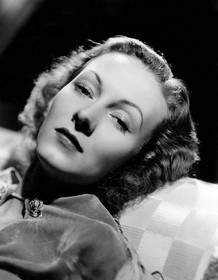
Pendola 'Pendie' Molloy (Karen Morley)
Played by Karen Morley
The President's mistress and confidante who questions the direction of the administration while remaining emotionally invested. She embodies the personal costs of political upheaval and debates a possible divine intervention. Her presence highlights the human stakes behind sweeping policy changes.
- 💞 Relationship
- 🧭 Moral
- 🎭 Complexity
- JB
John Bronson (David Landau)
Played by David Landau
A charismatic leader of the million-strong march to Washington, representing working-class demands for work and dignity. His eloquence sparks momentum but also violence when the march is met with political resistance. His death in a drive-by underscores the peril of protest in a volatile era.
- 🗳️ Activist
- 💬 Orator
- 🕊️ Martyr
- DH
Dr. H.L. Eastman (Samuel S. Hinds)
Played by Samuel S. Hinds
A physician who scrutinizes Hammond's condition, bridging medical objectivity and political spectacle. He summarizes the president's altered state and later confides the transformation to Beek and Pendie. Eastman represents rational observation amid a storm of propaganda.
- 🩺 Doctor
- 🧭 Observer
Where and When Is Gabriel Over the White House Set?
Gabriel Over the White House is set in White House, Washington, D.C., Baltimore and Puerto Rico (1930s). Here is why the time and place matter to the story.
When
1930s
Set during the Great Depression, the film portrays widespread unemployment and social strain. The narrative follows urgent calls for reform, debt relief, and anti-racketeering measures as the nation teeters between despair and determination. The era provides a backdrop for dramatic political transformation and public agitation.
Where
White House, Washington, D.C., Baltimore, Puerto Rico
The primary setting is the White House in Washington, D.C., where the President shapes national policy. Scenes also unfold in Baltimore during a public rally and touch on events in Puerto Rico related to a sewer project. These locations anchor the story in a contemporary United States landscape of political power and social unrest.
- 🏛️ Federal seat
- 🌆 Baltimore
- 🗺️ Washington D.C.
- 🇵🇷 Puerto Rico
What Are the Themes of Gabriel Over the White House?
3 ideas the story keeps returning to, among them Power Struggle, Reform Promise and Moral Dilemma.
-
01
Power Struggle
The plot centers on how political power tests democracy. Hammond’s shift from affable leader to assertive reformer exposes the fragility of institutions under pressure. Public support, media portrayal, and elite loyalty clash as lines between governance and domination blur.
-
02
Reform Promise
Hammond channels popular discontent into sweeping reforms intended to relieve unemployment and debt. The plan includes foreclosures relief, a national banking law, and aid for agricultural workers, signaling a move from order to social welfare. The success of these reforms hinges on maintaining checks and balances amid upheaval.
-
03
Moral Dilemma
Characters wrestle with the ethical costs of rapid change, as Hammond defends a 'greatest good' philosophy. Pendie and Beek confront personal loyalties versus public duty, and the notion of divine intervention hints at fate guiding power. The story questions whether speed and certainty justify human sacrifice.
What Kind of Film Is Gabriel Over the White House?
Tense in tone, with steady pacing and a moderate story, going by the plot summary.
- Tone
- Tense
- Pacing
- Steady
- Story
- Moderate
- Intensity
- High
- Ending
- Bittersweet
A tense and politically urgent drama that charts the prophetic transformation of a corrupt president into an idealistic but authoritarian leader, creating a somber and morally complex atmosphere with a bittersweet conclusion.
- tense
- urgent
- prophetic
- melancholic
- oppressive
- idealistic
- political transformation
- democracy under pressure
- authoritarianism
- social unrest
Content notes: political violence, drive-by shooting, bombing, wartime execution.
Quiz
How well do you remember Gabriel Over the White House? Test yourself on the story.
Where to Watch Gabriel Over the White House
Rent or buy it from Amazon Video and Apple TV Store. US availability and prices from JustWatch.





Streaming availability in the US, powered by