
Gabriel Over the White House (1933): Cast & Plot
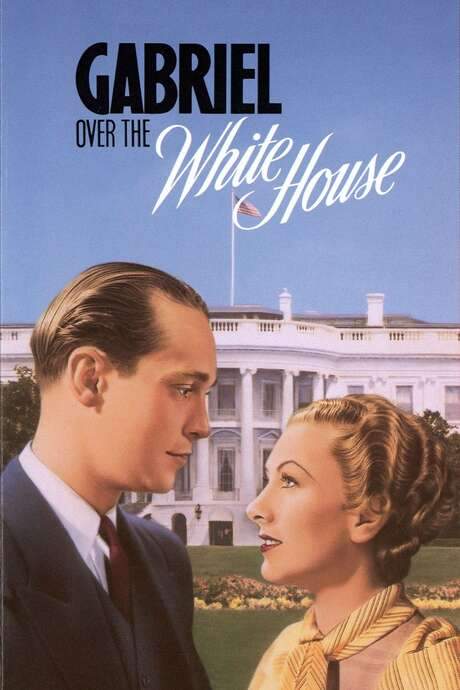
Gabriel Over the White House is a 1933 romantic drama directed by Gregory La Cava, starring Brooks Benedict as White House Press Correspondent (uncredited), Spencer Charters and Franchot Tone. It runs 1 hour 26 minutes.
- Released
- Runtime
- 1h 26m (86 min)
- Director
- Gregory La Cava
- Original language
-
 English
 - Studio
- Metro-Goldwyn-Mayer
- After the credits
- No No extra scene
What Is Gabriel Over the White House About?
The premise of Gabriel Over the White House without spoilers. The whole story is in the plot summary further down.
During the height of the Great Depression, a cynical political operative unexpectedly ascends to the presidency. After surviving a near‑fatal accident, he experiences a profound transformation, emerging as a principled, incorruptible leader who inspires the nation.
Gabriel Over the White House Themes & Keywords
· 50 tags- the white house washington d.c.
- army
- navy
- new york city
- president
- congress
- unemployment
- debt
- gangster
- secretary
- car accident
- u.s. senator
+38 more Show fewer
- president of the united states
- drive by shooting
- political patronage
- mistress
- dictatorship
- military tribunal
- immigrant
- american politics
- political protest
- politics
- crime boss
- senator
- divine intervention
- ambassador
- cabinet meeting
- vice president
- reference to george washington
- oval office
- press conference
- bust
- reference to thomas jefferson
- news crew
- tribunal
- secretary of state
- reference to abraham lincoln
- homeless person
- baltimore maryland
- concussion
- u.s. capitol building
- inauguration
- statue of liberty
- organized crime
- firing squad
- battle hymn of the republic
- angel gabriel
- prohibition
- dictator
- treaty
Gabriel Over the White House Cast & Characters
Brooks Benedict leads the cast as White House Press Correspondent (uncredited), with Spencer Charters as Vice President (uncredited) and Franchot Tone as Hartley Beekman - Secretary to the President. Directed by Gregory La Cava; 19 actors are credited in all.
- Director Gregory La Cava
- Brooks Benedict as White House Press Correspondent (uncredited)
- Spencer Charters as Vice President (uncredited)
- Franchot Tone as Hartley Beekman - Secretary to the President
- Walter Huston as Hon. Judson Hammond - The President of the United States
Also Starring in Gabriel Over the White House
· 15 more- Dickie Moore Jimmy Vetter
- Karen Morley Pendola Molloy
- David Landau John Bronson
- Mischa Auer Mr. Thieson (uncredited)
- Samuel S. Hinds Dr. H.L. Eastman
- C. Henry Gordon Nick Diamond
- Jean Parker Alice Bronson
- Akim Tamiroff Delegate to the Debt Conference (uncredited)
- Robert Emmett O'Connor Corrupt Police Inspector (uncredited)
- Oscar Apfel German Delegate to Debt Conference (uncredited)
- Claire Du Brey Nurse
- Ben Taggart Cabinet Member (uncredited)
- William Pawley Borell
- Arthur Byron Jasper Brooks - Secretary of State
- B.F. Blinn Politician (uncredited)
Gabriel Over the White House Plot Summary
What happens in Gabriel Over the White House from start to finish, spoilers included, with a timeline of 12 key events. The opening is below; the full summary is a 4-minute read.
Spoilers ahead
Amiable but corrupt U.S. President Judd Hammond, Walter Huston, governs with a casual charm and a steely resolve, keeping a strict rule about who may enter the Oval Office: two people at a time—his young nephew Jimmie Vetter, Dickie Moore, and Pendie Molloy, his secretary and secret companion, Karen Morley. This unusual arrangement frames a presidency that looks light on the surface but hums with a deeper, troubling orchestration of power.
Full summary
The whole story of Gabriel Over the White House, scene by scene
Gabriel Over the White House Trailers & Videos
The trailer of Gabriel Over the White House.
How Well Do You Know Gabriel Over the White House?
10 questions about the story, each with a hint if you get stuck. Pick an answer to see whether you were right.
Question 1 of 10
- Question 1: not answered
- Question 2: not answered
- Question 3: not answered
- Question 4: not answered
- Question 5: not answered
- Question 6: not answered
- Question 7: not answered
- Question 8: not answered
- Question 9: not answered
- Question 10: not answered
Which actor portrays President Judd Hammond?
Gabriel Over the White House Also Known As
4 alternative titles, including “Gabriel au-dessus de la Maison-Blanche” and “Zwischen heut und morgen”.
- Also known as
-
- Gabriel au-dessus de la Maison-Blanche
- Zwischen heut und morgen
- 白宫风云
- El despertar de una nación
Seen Gabriel Over the White House?
Movies Like Gabriel Over the White House
Films with a similar story, tone or audience, including The Washington Masquerade, State of the Union and The American President.
-
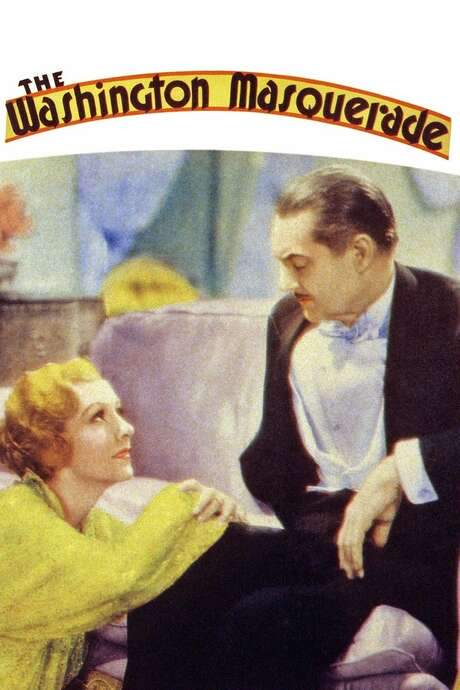 The Washington Masquerade 1932
 -
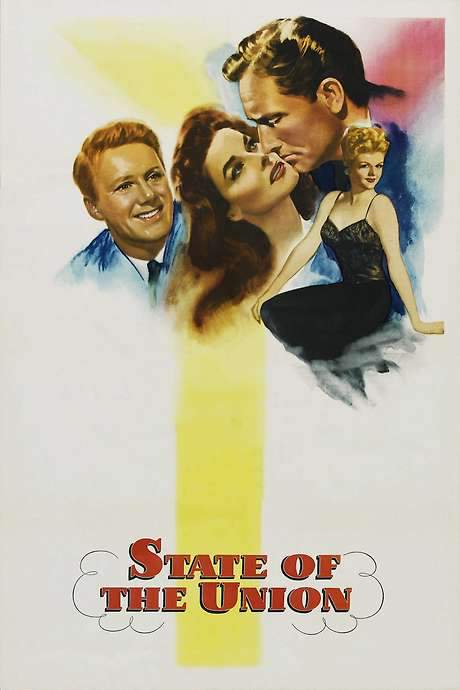 State of the Union 1948
 -
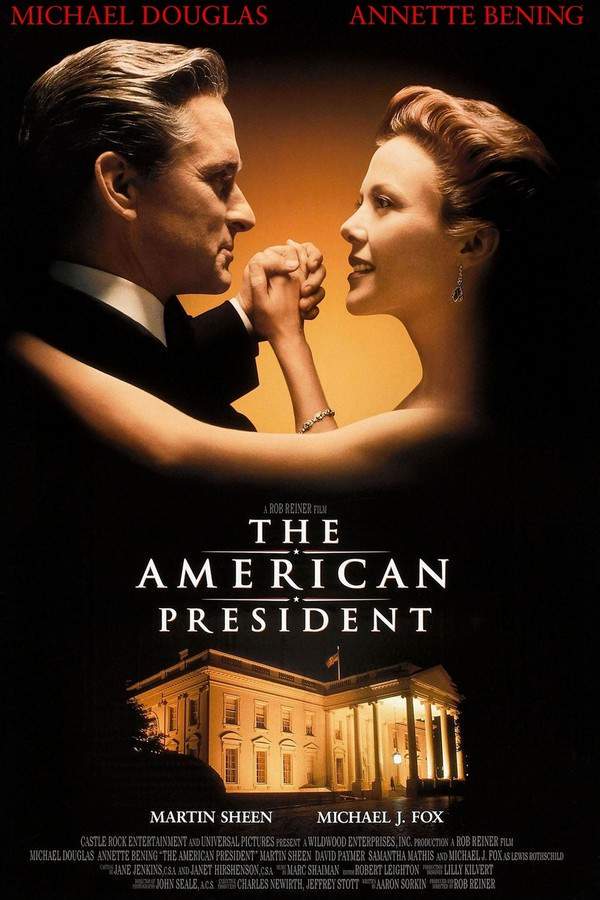 The American President 1995
 -
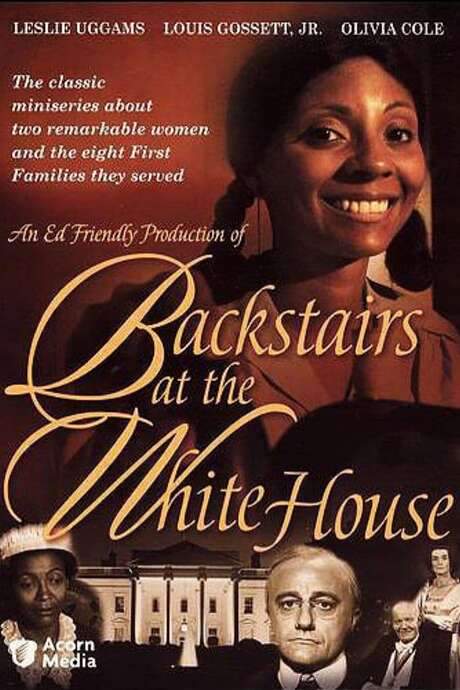 Backstairs at the White House 1979
 -
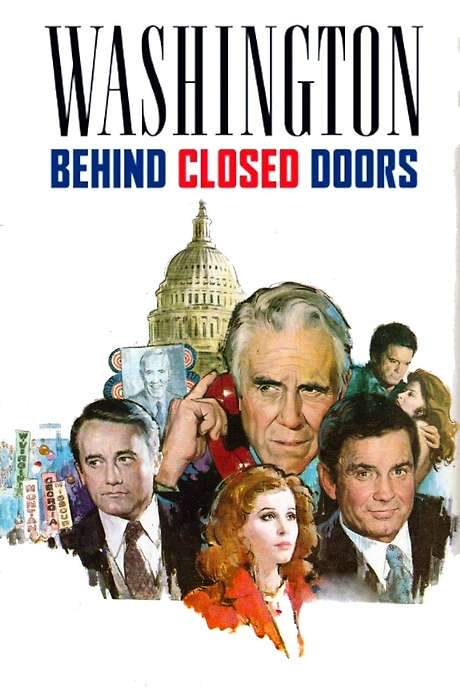 Washington: Behind Closed Doors 1977
 -
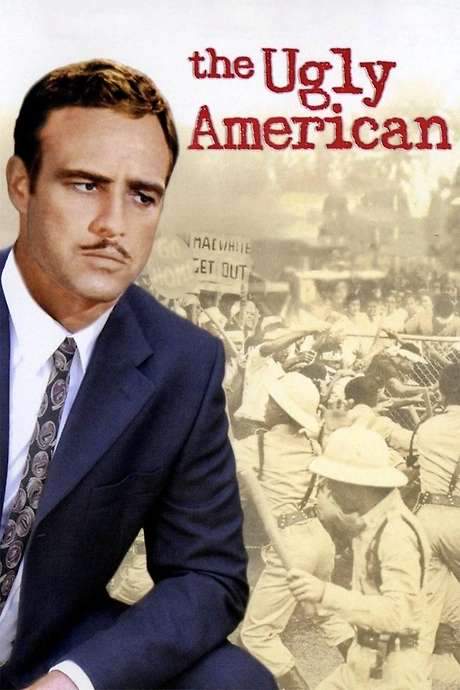 The Ugly American 1963
 -
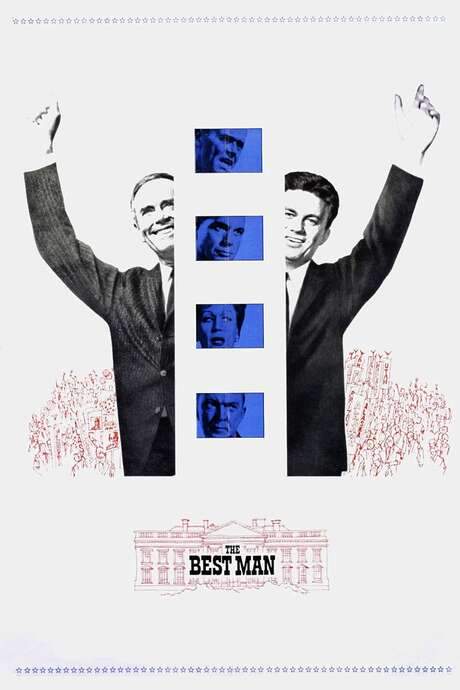 The Best Man 1964
 -
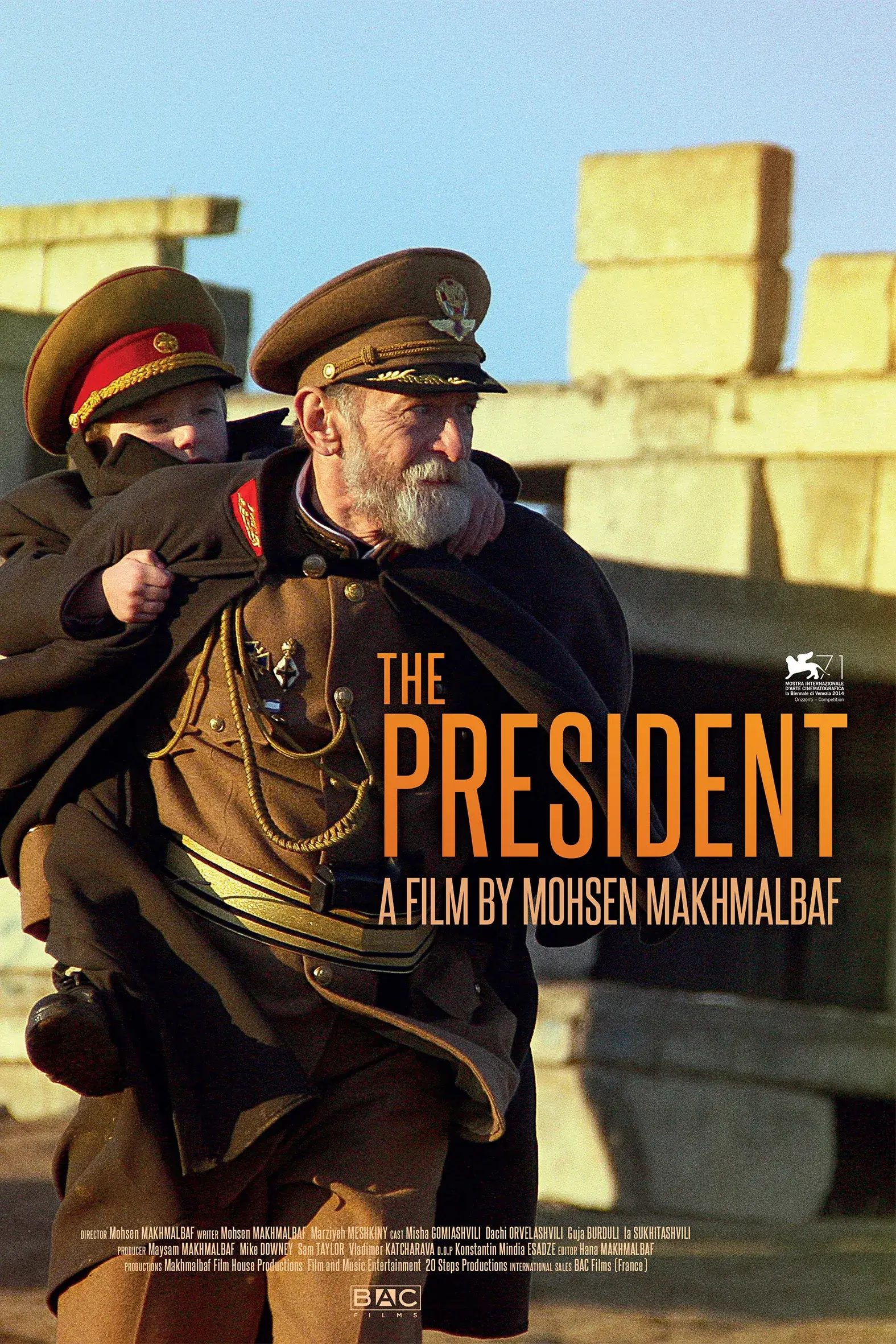 The President 2016
 -
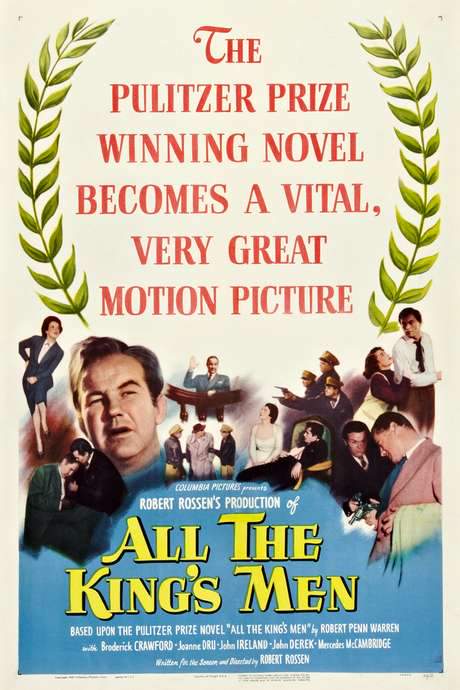 All the King’s Men 1949
 -
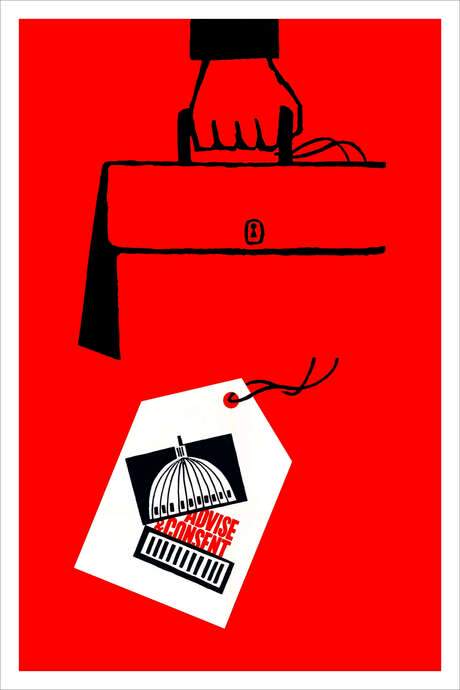 Advise & Consent 1962
 -
 The President’s Visit 1994
 -
 Home Town Story 1951
Gabriel Over the White House FAQ: Cast & Runtime
Runtime, release date, director, cast and post-credit scenes of Gabriel Over the White House, each answered in a sentence.
How long is Gabriel Over the White House?
Gabriel Over the White House runs 1 hour 26 minutes (86 minutes).
When was Gabriel Over the White House released?
Gabriel Over the White House was released on March 31, 1933.
Who directed Gabriel Over the White House?
Gabriel Over the White House was directed by Gregory La Cava.
More films by Gregory La Cava Who is in the cast of Gabriel Over the White House?
Gabriel Over the White House stars Brooks Benedict as White House Press Correspondent (uncredited), Spencer Charters as Vice President (uncredited) and Franchot Tone as Hartley Beekman - Secretary to the President, among 19 credited actors.
Does Gabriel Over the White House have a post-credit scene?
No. Gabriel Over the White House has no extra scene during or after the credits.
Coming soon to your phone
The Plot Explained Movie Summary App
From blockbusters to hidden gems: plot summaries, endings explained and timelines on your phone. Save your favorites and never miss a twist again.
Be the first to know when it launches. Your email stays private, always. Learn more about the app
