What Is Fourteen Hours About?
The premise of Fourteen Hours in 283 words, with nothing given away. The full story follows below.
In the early morning haze of a bustling New York hotel, a city that never quite sleeps becomes the silent stage for a desperate, human drama. A young man teeters on the narrow ledge of his fifteenth‑floor room, his silhouette framed against a sky that hints at both sunrise and storm. The surrounding streets fill with onlookers, flashing cameras, and an undercurrent of municipal urgency, creating a palpable mix of voyeuristic tension and private anguish that defines the film’s claustrophobic, almost theatrical atmosphere.
Robert Cosick is a deeply troubled soul, his psyche scarred by years of parental neglect and an overwhelming fear of disappointing the woman he loves. His mother, Christine Hill Cosick, embodies fragile emotional turbulence, while his father, Paul E. Cosick, carries the weight of long‑ago absences and unspoken resentments that echo through every strained interaction. Adding another layer of yearning, Virginia Foster, his fiancée from Connecticut, arrives with earnest hope, her presence a gentle reminder of what could be lost. Together, these relationships hint at a tangled web of love, guilt, and longing that pushes Cosick to the edge—both literally and metaphorically.
Enter Charlie Dunnigan, a quick‑thinking traffic cop whose dedication to duty is matched only by his compassion. As the city’s bureaucratic machinery rattles away, Dunnigan’s persistence and old‑fashioned empathy become the only tether pulling the scene away from chaos. He engages Cosick in a quiet, relentless dialogue, offering simple comforts—food, rest, the promise of ordinary pleasures—to remind the young man that life still holds possibilities beyond his current despair. The tone remains tense yet intimate, balancing the starkness of a potential tragedy with the subtle, hopeful undercurrents that suggest redemption may be found in an honest, human connection.
What Happens in Fourteen Hours?
The complete story of Fourteen Hours, from the first scene to the last, in 768 words (about 3 minutes). Spoilers throughout. Names in the text link to 6 cast member pages.
Spoilers ahead
On St. Patrick’s Day, the early morning haze over a busy New York hotel gives way to a tense, almost televised crisis. Robert Cosick stands on the narrow ledge outside his 15th‑floor room, and below him, Paul Douglas as Charlie Dunnigan, a quick-thinking traffic cop, pleads with him to come inside. The hotel’s hierarchy clashed with the street-level urgency as Dunnigan’s chief dismisses his efforts, and a growing crowd on the street and nearby rooftops begins to watch a life-and-death moment unfold with bated breath. The man refuses to speak to psychiatrists and makes it clear he wants Dunnigan to be the one to reach him, setting a stark, human-centered tone for what will be a day-long test of empathy and patience.
Cosick’s identity is confirmed by the authorities, and his mother is located in a state of near-overwhelm that adds fuel to the fire of the crisis. Agnes Moorehead portrays Christine Hill Cosick, a figure whose fragile emotional state becomes a mirror for the vulnerability of her son. His father, Robert Keith as Paul E. Cosick, explains his own long absence and the complexities of a family fractured by time, disappointment, and unspoken resentments. The mounting tension between parents and child—fed by memory, blame, and a desperate need for belonging—helps the audience understand why Cosick has chosen this perilous stand at the edge rather than back down.
The emotional weight of the moment shifts when Virginia Foster, played by Barbara Bel Geddes, arrives from Connecticut. Virginia is Cosick’s fiancée, and her presence intensifies the conflict between fear and longing. She hopes to heal what has been strained, and her earnest appeal—despite the distance that time and circumstances have created—adds a poignant layer to the exploration of love, responsibility, and the fear of making the wrong choice. The scene is given further depth by the presence of Dr. Strauss, a psychiatrist portrayed by Martin Gabel. He provides a clinical lens on the family dynamics at play, translating the raw emotions into a Freudian framework that suggests how Cosick’s self-loathing may have grown from the way his mother taught him to hate his father. The diagnosis points toward the possibility of healing, if Cosick can find a way to trust again.
As the day wears on, Dunnigan uses a blend of practical care and old-fashioned empathy to reach Cosick. He lowers the human stakes to a conversation about simple pleasures—rest, nourishment, and even the idea of a Sunday fishing trip—to reintroduce a sense of normalcy and possibility. The two men forge a fragile bond, rooted in shared vulnerability and a belief that life can still offer something worth choosing. The crowd watches, the cameras roll, and even the quiet moments carry weight as Dunnigan reframes Cosick’s fear into a choice that he can make.
The lady doth protest too much.
The moment of heightened attention is punctuated by the appearance of a street evangelist, who disrupts Cosick’s fragile trust just long enough to remind everyone that crisis is always tangled with noise and distraction. Dunnigan, determined not to abandon Cosick, reinforces that he is not alone and that a community—represented by the police, the media, and the strangers who have gathered—wants him to stay with life rather than retreat from it. The crusade of voices around the ledge underscores the film’s theme that help can arrive from many directions, even when it comes with its own complications.
Night deepens, and giant spotlights illuminate the street as the city resists the urge to sensationalize the moment. The Chief orders the lights redirected, the limbs of the plan to lower a safety net take shape, and Cosick’s inner turmoil is tested against the public spectacle that surrounds him. A stray moment—when a teenager’s prank nudges a spotlight, blinding Cosick momentarily—triggers a fall that, against all odds, is cushioned by the net and a chorus of relief from the crowd. Cosick is pulled back into the hotel, alive, and the careful, clinical voice of the psychiatrist confirms a glimmer of hope: Cosick now wants to live.
Back in the lobby, the emotional resonance of the day is felt in the family’s reunion. Dunnigan’s own dedication is reflected in the tenderness of a private moment when his son runs into his arms, a simple act that accents the film’s message about responsibility, connection, and the possibility of renewal. The city’s street, once a stage for fear and judgment, is washed clean by a sanitation truck, symbolically signaling a return to everyday life and a shared sense of relief as Cosick’s crisis resolves and the watchers drift away, arm in arm, into the night.
Fourteen Hours Timeline: Every Key Event in Order
13 key events in the order they happen, from “Discovery of Cosick on the hotel ledge” to “Resolution and reunion”. 13 events name a place, across 13 locations.
- 1
Discovery of Cosick on the hotel ledge
In the early morning light, a room-service waiter finds Robert Cosick standing on the narrow ledge outside a 15th-floor hotel room in New York. Traffic cop Charlie Dunnigan is sent to the street below while the police chief dismisses the incident as routine. Cosick refuses to engage, turning the breakfast crisis into a high-stakes stand-off.
When:early morning Where:Hotel room ledge, 15th floor, New York City
- 2
Crowd gathers as Cosick remains on the ledge
A curious crowd forms below and on surrounding rooftops as Cosick refuses to speak to psychiatrists. Dunnigan tries to reach him on a human level, while onlookers speculate and react to the unfolding drama.
When:morning Where:Street and nearby buildings around the hotel
- 3
Cosick identified; family summoned
Police identify the man as Robert Cosick and locate his mother, whose distraught behavior heightens the tension. Cosick's father arrives and clashes with his wife, and Cosick threatens to kill him, escalating the crisis.
When:morning Where:Hotel vicinity; outside the ledge area
- 4
Virginia named as Cosick's fiancée; fateful contact
Mrs. Cosick mentions Virginia, Cosick's estranged fiancée, prompting police to send for her in Connecticut. Her emotional interviews with reporters reveal the family's troubled history and draw national attention.
When:morning Where:Hotel lobby; reporters' area; Connecticut (Virginia's location for contact)
- 5
Psychiatrist analyzes the family dynamic
A psychiatrist explains the Cosick family dynamics in Freudian terms, suggesting how a mother's enmity toward the father has shaped Cosick's self-loathing. The analysis deepens the viewers' understanding of why he feels unworthy of love, offering a glimmer of hope that he can be helped.
When:morning Where:Hotel conference area; near the room
- 6
Cabs, couples and a divorce-seeking woman watch
Among the watchers, cabbies bet on when Cosick will jump, a young couple reunites, and a woman seeking a divorce experiences a turning point. The crowd's attention intensifies as the day wears on.
When:daytime Where:Street around the hotel; nearby rooftops
- 7
Lowering Cosick: the risky rescue plan
Defying the psychiatrist's advice, police lower a man down to lasso Cosick. Dunnigan loses his temper, reminding Cosick of the helpers below and then urges him to jump, a damaging moment that strains the fragile trust.
When:afternoon Where:On the ledge outside the hotel
- 8
Dunnigan secures space; evangelist intrudes
Dunnigan convinces Cosick that the room will be cleared so he can rest, then a mentally ill street evangelist enters, frightening Cosick and shattering the trust Dunnigan had built. The plan to ease the tension is derailed by the new variable.
When:late afternoon Where:Hotel room doorway
- 9
Night falls; Virginia arrives
Night falls and giant spotlights glitter on the street, though the chief orders them turned away. Virginia arrives, insisting she has not broken the engagement and urging Cosick to seek help, while the psychiatrist explains the family dynamics again. There is a sense of fragile hope that he can be helped.
When:night Where:Hotel street level and lobby; outside the hotel
- 10
Virginia's plea; Cosick's despair expressed in verse
Virginia pleads with Cosick to come in, and he responds by finishing a despair-filled poem she loves. The moment underscores his longing for connection and his deep-seated self-doubt, as the family dynamics continue to weigh on him.
When:night Where:Hotel room vicinity
Show the other 3 events of Fourteen Hours Hide the last 3 events
- 11
The net, media and the blinding spotlight
Police place a net below Cosick, while TV crews focus on the evangelist's exhortations. A teenage onlooker's prank lights a spotlight, momentarily blinding Cosick and changing the balance of the crisis.
When:night Where:Street below the ledge; hotel area
- 12
Cosick falls into the net; decision to live
A spotlight blast blinds Cosick, causing him to fall from the ledge into the net and be hauled into the hotel amid cheers. The psychiatrist tells Virginia and Dunnigan that Cosick wants to live, signaling a hopeful turn in the crisis.
When:late night Where:Hotel exterior and interior
- 13
Resolution and reunion
In the hotel lobby, Dunnigan's son runs into his arms and is carried out to his mother as the crowd disperses and a sanitation truck cleans the street. This marks the resolution and a return to normal life.
When:late night Where:Hotel lobby; street outside
Who Are the Main Characters in Fourteen Hours?
5 characters, among them Charlie Dunnigan (Paul Douglas), Robert Cosick (Richard Basehart) and Virginia Foster (Barbara Bel Geddes): who each one is and the part they play in the story. Every profile links to the actor’s page.
- CD
Charlie Dunnigan (Paul Douglas)
Played by Paul Douglas
A streetwise traffic cop who becomes the humane conduit between Cosick and the outside world. He stays patient and steady, trying to address Cosick on a personal level despite official dismissal. His perseverance and practical optimism demonstrate how individual mercy can override bureaucratic coldness. He ultimately helps create space for Cosick to reconsider life.
- 👮 Police
- 🤝 Empathy
- 💪 Determination
-
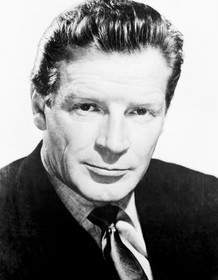
Robert Cosick (Richard Basehart)
Played by Richard Basehart
A troubled young man perched on a hotel ledge, torn between fear, anger, and a desperate need to be seen. His conversations with his mother and Virginia reveal a longing for love and worth he struggles to believe he merits. He agrees to come inside for “10 good reasons,” but a sudden disruption changes the course of his decision. The outcome suggests a fragile hope for living, even as danger remains near.
- 🧠 Mental Health
- 💔 Loneliness
- 🏙️ Urban Struggle
-
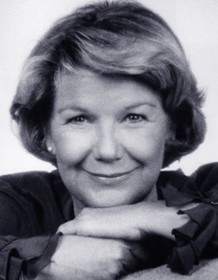
Virginia Foster (Barbara Bel Geddes)
Played by Barbara Bel Geddes
Cosick’s fiancée who arrives with a sincere, emotional appeal and the memory of a shared poem. She embodies hope and devotion, yet she also confronts the risk that Cosick’s fear and anger will push them apart. Her presence complicates Cosick’s sense of self-worth and his willingness to live for love. She does not abandon him, urging him toward a life they might build together.
- 💖 Love
- 🗞️ Public life
- 🌟 Hope
-

Christine Hill Cosick (Agnes Moorehead)
Played by Agnes Moorehead
Cosick’s mother, portrayed as overwrought and emotionally volatile. Her intense feelings and the story she tells reporters reveal how maternal influence—whether protective or damaging—shapes Cosick’s psyche. She embodies the family dynamic that both fuels and destabilizes Cosick’s sense of belonging. Her testimony to the press underscores the public’s appetite for personal tragedy.
- 👩👧 Family
- 🧠 Psychology
- 🗣️ Drama
-
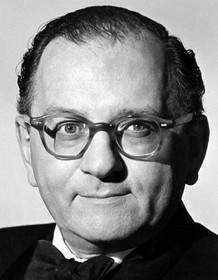
Dr. Strauss (Martin Gabel)
Played by Martin Gabel
The psychiatrist who analyzes Cosick’s crisis and explains the family dynamics in Freudian terms. He frames the scene as a clash between individual pain and learned behavior, offering clinical insight while remaining an observer of the unfolding events. His perspective grounds the drama in psychological theory that seeks to convert panic into understanding. He acts as a mediator between the public spectacle and private suffering.
- 🧠 Psychology
- 🩺 Psychiatry
- 🕊️ Insight
Where and When Is Fourteen Hours Set?
Fourteen Hours is set in New York City hotel on the 15th floor (Early 1950s). Here is why the time and place matter to the story.
When
Early 1950s
The events take place over a single day—beginning in the early morning on St. Patrick’s Day and stretching into the night. The urban setting reflects postwar city life, where anonymity and crowds amplify personal peril. The period’s social norms shape how bystanders, media, and authorities respond to a man in crisis. The narrative unfolds in real time, emphasizing immediacy and tension.
Where
New York City hotel on the 15th floor
The pivotal sequence unfolds inside a New York City hotel, with the 15th-floor room serving as a tense stage. A dense crowd gathers in the street and on nearby rooftops, framing a moment of personal crisis as public spectacle. The hotel’s corridors and ledge become a crucible where private despair collides with collective attention.
- 🏙️ Urban
- 👥 Crowds
- 🏨 Hotel
What Are the Themes of Fourteen Hours?
3 ideas the story keeps returning to, among them Hope in Darkness, Family Dynamics and Media and Public Spectacle.
-
01
Hope in Darkness
Even in the midst of danger and crowd noise, small acts of empathy offer a lifeline. Dunnigan’s patient, humane approach shows that connection can pierce a wall of despair. Cosick’s struggle to trust others and choose life is tested, yet the possibility of hope persists through human contact and responsibility. The ending reinforces that mercy can matter more than panic or protocol.
-
02
Family Dynamics
The story frames Cosick’s pain through a tense family history, where a mother’s unresolved anger and a distant father contribute to his self-worth issues. Virginia’s presence and the psychiatrist’s analysis reveal how love and blame cycle through generations. Freudian commentary grounds the crisis in intimate relationships, suggesting healing requires confronting deep-seated loyalties and resentments. The film uses this dynamic to explain why rational appeals alone may not reach him.
-
03
Media and Public Spectacle
Reporters and cameras treat the scene as a newsworthy event, turning vulnerability into a public show. The crowd’s bets, the evangelist intrusion, and the constant coverage shape the atmosphere and influence decisions. The line about the mother “protesting too much” hints at voyeuristic distance between the onlookers and the human story. The film critiques how media framing can both expose and complicate genuine human connection.
What Kind of Film Is Fourteen Hours?
Tense in tone, with steady pacing and a straightforward story, going by the plot summary.
- Tone
- Tense
- Pacing
- Steady
- Story
- Straightforward
- Intensity
- High
- Ending
- Happy
A relentlessly tense and anxious real-time thriller that follows a desperate psychological standoff on a skyscraper ledge, exploring deep family wounds and the fragile possibility of hope under immense public pressure.
- tense
- anxious
- desperate
- hopeful
- claustrophobic
- gripping
- suicide
- psychological drama
- family dysfunction
- mental health
Content notes: suicide, psychological distress.
Quiz
How well do you remember Fourteen Hours? Test yourself on the story.
Where to Watch Fourteen Hours
. US availability and prices from JustWatch.
Streaming availability in the US, powered by