

Follow Me Quietly 1949

Directed by
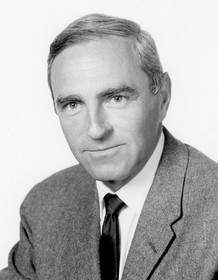
Richard Fleischer
Made by
RKO Radio Pictures
Follow Me Quietly Plot Summary
Read the complete plot summary and ending explained for Follow Me Quietly (1949). From turning points to emotional moments, uncover what really happened and why it matters.
Ann Gorman, Dorothy Patrick, a persistent young reporter, is on the trail of a brutal murder spree attributed to a shadowy strangler known only as “The Judge.” Her pursuit begins in a bar where she crosses paths with the police, and after a tense moment, she follows Lieutenant Harry Grant and Sergeant Art Collins as they answer a fresh crisis. The trio converges at the scene of a fresh crime, where McGill, J.C. McGill, a newspaper editor, lies injured outside his workplace. A jagged memory unfolds in a flashback: the ruthless attack on McGill in his own office, culminating in him tumbling out the window as the chaos ends. The scene is marked by a chilling clue—a note left by the killer with cut-out letters, a message that proclaims the Judge’s desire to destroy all evil.
The following morning brings an all-consuming push to solve the case. Grant sifts through the note and other fragments, trying to predict the killer’s next move. A coroner’s early theory points to a Caucasian male with greying hair, a detail that narrows the field but only creates more questions. To counter the killer’s anonymity, Grant devises a faceless dummy to help map the killer’s height, weight, and silhouette. When he returns to his apartment, he finds Ann Gorman waiting, her appetite for news unquenched and her questions pointed. She presses for inside scoops, and though he resists, she ultimately receives a paper bearing precise descriptive details about the Judge.
A demonstration at police headquarters drives the investigation into the pages of the press as photos of the dummy circulate through major newspapers. Later, Grant and Gorman reconvene at a bar, but their collaboration hits a rough patch when she uncovers unauthorized access to the case in his name. Back at headquarters, an older man steps forward—a claim to be the Judge—that Grant doubts, noting the killer’s method seems to come from behind rather than the front. That night, Grant patrols the rainy streets in search of the elusive predator, while Gorman, seeking reconciliation, apologizes for crossing a boundary.
Then comes a new development: a radio alert announces a fresh strangulation at a residence, and Grant rushes to question the victim’s husband, trying to separate truth from rumor. As clues mount, a pulp magazine found at the scene becomes a critical link. The investigators trace the magazine to second-hand bookstores, where they question a string of middle-aged customers who smoke and keep a careful eye on the shop’s inventory. The trail leads to a diner, where a waitress identifies the suspect as Charlie Roy, a name tied to the exact magazine issues. They tail Roy to his apartment, confirm the magazine set, and prepare for a pursuit.
A rooftop chase unfolds atop a refinery, with Grant pursuing Roy after a tense confrontation. Roy, cornered, attacks, and in the struggle he falls to his death. The case seems closed, though not without lingering tension, as Collins then appears at the bar to find Grant and Gorman sharing a moment of quiet companionship, suggesting a new connection forged in the heat of their investigation.
Throughout the narrative, the tension between pursuit and principle underscores every decision, as the team weighs caution against urgency and the need to uncover a killer who operates behind the veil of ordinary life. The investigation moves from a bar to a newsroom, from a police precinct to the rain-soaked city streets, threading together a string of observations, deductions, and near-misses that keep the audience balancing on the edge of whether the killer can be stopped before he strikes again. The Judge’s ploy—an ominous note, a magazine clue, and a calculated mix of misdirection—serves as a reminder that the truth can be hiding in plain sight, waiting for a careful mind to connect the threads.
been ordained to destroy all evil
In the end, the alliance between a determined reporter and diligent detectives yields a concrete conclusion about the killer’s identity and method, while personal boundaries and professional boundaries ebb and flow under the pressure of an ongoing investigation. The city’s shadows begin to thin as night gives way to the possibility of closure, yet the experience leaves all involved with a heightened awareness of how easily fear and mystery can blur into everyday life.
Follow Me Quietly Timeline
Follow the complete movie timeline of Follow Me Quietly (1949) with every major event in chronological order. Great for understanding complex plots and story progression.
Bar meeting and kickoff
Gorman, a persistent reporter, meets Lieutenant Grant and Sergeant Collins at a bar to discuss the murder spree by 'The Judge'. The detectives decide to investigate, and Gorman tails them when they leave, showing her eagerness to be part of the case. The tense dynamic between the journalist and the cops is established for the rest of the story.
Crime scene and McGill's fate
Grant and Collins arrive at McGill's workplace to discover him injured outside the building. A flashback reveals the Judge attacking McGill inside his office, ending with McGill falling from the window and dying. The scene establishes the killer's brutality and the initial clues left behind.
The Judge's taunting note
At the crime scene, investigators find a note written with cut-out letters proclaiming that the Judge has been ordained to destroy all evil. The taunting message becomes a crucial clue that guides the investigation. Police begin analyzing the unusual letter-cutout technique.
Next morning: killer profile and dummy
The next morning, Grant weighs the coroner's theory that the killer is a Caucasian male with greying hair and begins reconstructing the suspect's appearance. He builds a life-size, faceless dummy to help estimate height, weight, and other physical traits. The dummy becomes a visual tool to compare potential suspects.
Gorman visits Grant's apartment
Grant arrives home to find Gorman waiting, pressuring for inside scoops and involvement in the case. He reluctantly shares descriptive details about the Judge on a sheet of paper. Their uneasy partnership deepens as the investigation progresses.
Media reveal of the dummy
After a demonstration at police headquarters, pictures of the dummy are sent to major newspapers, spreading the hunter's reach. The public spotlight intensifies the search for the Judge and pressures potential suspects. The media exposure marks a turning point in the case.
Bar confrontation over access
At the bar again, Grant confronts Gorman about unauthorized access to the investigation, noting his name was used without permission. The tension between them rises, but they also acknowledge a shared goal. The partnership moves toward a more working relationship.
Older man claims to be the Judge
Back at the police HQ, an older man claims to be the Judge, but Grant remains skeptical. Soon, the actual killer strikes from behind, confirming the danger and forcing Grant to react on instinct. The attack raises the stakes and derails their assumptions.
Night stakeout and a new murder
That night, Grant patrols the rain-soaked streets, hoping to anticipate the next strike. Gorman accompanies him, and a radio alert reports a woman strangled inside her apartment. The chase and fear intensify as the killer continues to elude capture.
Magazine clue and bookstore trail
Investigators find a pulp magazine at the crime scene, and they theorize the killer buys magazines from second-hand bookstores. They question several outlets, and one manager identifies a middle-aged, cigarette-smoking man who is a frequent customer. The magazine clue narrows the suspect pool.
Charlie Roy lead
The waitress at a diner identifies the suspect as Charlie Roy, steering the investigation toward him. Grant and Collins track Roy to his apartment and locate the exact magazine issues that tie him to the crimes. The trail tightens as they close in on the killer.
Capture and aftermath
Roy is chased to the roof of a refinery, where he attacks Grant and then falls to his death. The pursuit ends with Roy's death and the danger behind the case subsiding for now. Collins later returns to the bar and finds Grant and Gorman on a romantic date.
Follow Me Quietly Characters
Explore all characters from Follow Me Quietly (1949). Get detailed profiles with their roles, arcs, and key relationships explained.
Ann Gorman (Dorothy Patrick)
A persistent and fearless young reporter who doggedly pursues the truth about the Judge. She pushes for inside information, often clashing with investigators, and her relentless curiosity helps uncover key clues in the case.
Lieutenant Harry Grant (William Lundigan)
A determined detective who leads the investigation and constructs a practical lead from the killer’s notes. He is methodical, focused, and willing to use unconventional tactics to trap the culprit.
Sergeant Art Collins (Jeff Corey)
Grant’s partner, practical and steady, who supports the investigation and provides balance to the pursuit. He keeps the team grounded as the case intensifies.
Charlie Roy (The Judge) (Edwin Max)
The killer known as 'The Judge,' a figure who taunts the authorities with crime notes and a killer’s resolve. His true identity and motives remain shrouded until the climax.
McGill (Editor)
A newspaper editor who becomes a victim of the Judge’s violence, prompting the investigation and press involvement.
Don (Bartender) (Howard M. Mitchell)
A bartender who witnesses and comments on the crime wave, providing texture to the nightlife setting and possible leads through regulars.
Bookstore Proprietor (Maurice Cass)
A store owner who identifies the suspect through a pulp-magazine clue, linking the crime to a shared culture of crime fiction.
Woman in Bookstore (Virginia Farmer)
A bookstore patron who recognizes the killer’s habits, offering a critical tip about the suspect’s reading choices.
Detective (Lee Phelps)
A veteran detective who questions suspects and pieces together timelines, contributing to the procedural unraveling of the case.
Detective (Art Dupuis)
Another detective who collaborates with the team, reinforcing the methodical, police-centered approach to catching the killer.
Coroner (Robert Emmett Keane)
The coroner who analyzes the victim’s injuries and vital statistics, contributing forensic context to the case.
Dixon (Archie Twitchell) / Detective
A minor character who appears in scenes around the broader police investigation, representing the procedural machine at work.
Follow Me Quietly Settings
Learn where and when Follow Me Quietly (1949) takes place. Explore the film’s settings, era, and how they shape the narrative.
Time period
Mid-20th century
Events take place in a contemporary urban setting typical of mid-century crime cinema. Newspapers, police radio, and street patrols shape the investigation, while the killer’s cryptic notes and pulp magazines reflect the era’s crime-fiction culture. Rainy nights and city blocks provide the backdrop for a methodical, procedural hunt for a merciless killer.
Location
Bar, Police HQ, Newsroom, Bookstore, Diner, Apartment, Refinery, Crime Scene
The story unfolds in a rain-soaked urban landscape where police, journalists, and ordinary citizens intersect. Key locations span a bar where tips are traded, a bustling newsroom, crime scenes, a bookstore, and a diner, plus the victim’s apartment and a refinery rooftop chase. The city itself feels like a character, with shadowy streets and neon reflections that heighten the noir mood.
Follow Me Quietly Themes
Discover the main themes in Follow Me Quietly (1949). Analyze the deeper meanings, emotional layers, and social commentary behind the film.
⚖️
Justice vs Violence
The Judge frames his killings as a perverse form of divine justice, forcing society to confront its concept of morality. The police pursue him through careful forensics, interviews, and public safety measures, highlighting the line between law and vengeance. The story questions whether violent methods can ever be a legitimate form of justice, and at what cost.
🗞️
Media & Investigation
Ann Gorman’s persistence shows how journalism can shape a criminal investigation, pressuring rivals and authorities to reveal clues. The barroom chatter, headlines, and the newspaper’s spread drive public interest and provide leads, though they also threaten the case when information leaks occur. The dynamic between reporters and police underscores the tension between publicity and professional discretion.
🧭
Identity & Masks
The killer operates behind a persona, and the investigation builds a faceless identity through the use of a dummy and grainy clues. Visual motifs like cut-out letters and a looming mystery emphasize themes of deception and revelation. As suspects emerge and fall, the story probes how appearances can mislead and how truth emerges from careful deduction.

Follow Me Quietly Spoiler-Free Summary
Discover the spoiler-free summary of Follow Me Quietly (1949). Get a concise overview without any spoilers.
Rain has turned the city into a slick, relentless maze, and somewhere in its shadows a faceless predator known only as “The Judge” stalks the streets, leaving cryptic clues that hint at a twisted sense of justice. The atmosphere hums with a nervous, almost claustrophobic tension; neon signs flicker through down‑pouring clouds, and the constant drizzle seems to wash over both the ordinary and the sinister alike, blurring the line between everyday life and hidden menace.
At the heart of the hunt is Harry Grant, a police lieutenant whose methodical mind is matched only by an obsessive drive to unmask the unseen killer. Grant’s dedication pushes him toward unconventional tactics, including the construction of a life‑size dummy that serves as a physical surrogate for the mystery he cannot otherwise grasp. His relentless focus is both his strength and his vulnerability, painting a portrait of a man willing to cross personal boundaries in the name of resolution.
Trailing him is Ann Gorman, a tenacious young reporter whose ambition fuels a parallel investigation. Gorman moves through the same rain‑soaked corridors and smoky bars, her notebook always open, her questions sharp. She is drawn to Grant’s obsession not merely for a scoop but for the deeper truth that lies beneath the city’s surface, creating a dynamic where professional curiosity intertwines with an unspoken personal tension.
Together, these two driven figures navigate a world where every puddle could reflect a clue and every fleeting silhouette might be the next hint from “The Judge.” The film’s tone balances gritty noir textures with a lingering, almost poetic melancholy, inviting the audience to feel the weight of the rain, the pressure of the unknown, and the uneasy partnership that forms when two relentless minds collide in pursuit of a hidden darkness.
Movies with Similar Twists and Themes
Uncover films that echo the narrative beats, emotional arcs, or dramatic twists of the one you're exploring. These recommendations are handpicked based on story depth, thematic resonance, and spoiler-worthy moments — perfect for fans who crave more of the same intrigue.



Featured on this page

What's After the Movie?
Not sure whether to stay after the credits? Find out!




Explore Our Movie Platform
New Movie Releases (2025)
Famous Movie Actors
Top Film Production Studios
Movie Plot Summaries & Endings
Major Movie Awards & Winners
Best Concert Films & Music Documentaries
Movie Collections and Curated Lists
© 2025 What's After the Movie. All rights reserved.