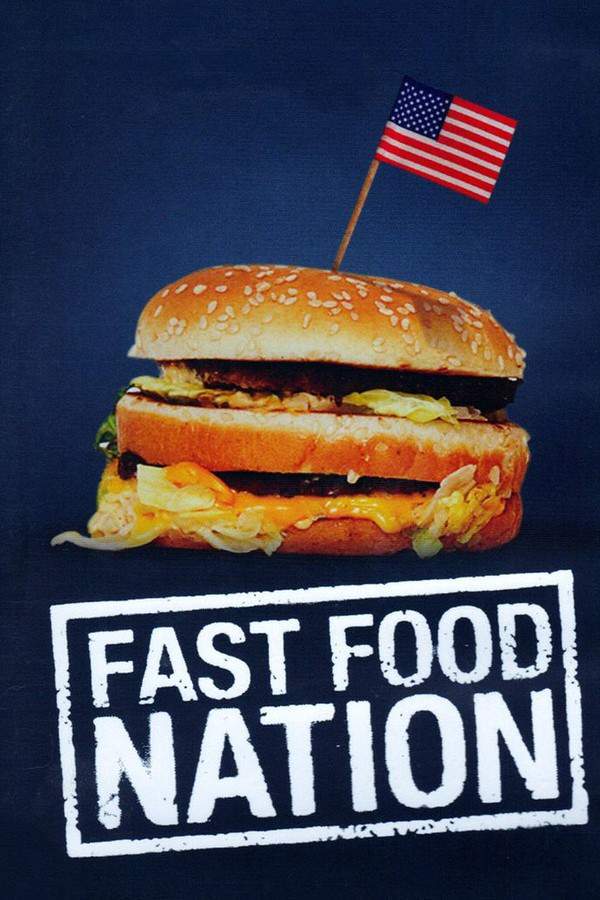
What Is Fast Food Nation About?
The premise of Fast Food Nation in 333 words, with nothing given away. The full story follows below.
In a world where neon signs and glossy ads promise convenience, the film opens on the sleek, humming headquarters of a dominant fast‑food empire. Behind the cheerful jingles and the endless stream of perfectly wrapped meals lies a complex, hidden supply chain that stretches from glittering corporate boardrooms to the gritty, humming floors of remote meatpacking plants. The tone is a cool, almost clinical investigation, tinged with an undercurrent of unease as the glossy surface begins to crack, hinting at deeper questions about who really profits from every bite.
Don Anderson is the charismatic marketing director whose latest product launch could define the chain’s future. Gifted at turning everyday meals into cultural touchstones, he feels an unexpected tug of curiosity when data suggests something amiss in the very meat that fuels the brand’s success. As he delves into the origins of the supply, his polished corporate world collides with a stark, unvarnished reality, forcing him to balance ambition with a growing sense of responsibility. The narrative follows his quiet, determined pursuit of truth, set against the backdrop of boardroom strategy sessions and the rhythmic hum of industrial machinery.
Alongside Don, the story introduces Amber, a hopeful employee whose dreams of a brighter future sit uneasily beside the repetitive rhythm of the fast‑food floor, and Raul, an immigrant worker seeking stability in a landscape that offers both opportunity and uncertainty. Sylvia, his partner, navigates the delicate balance between survival and aspiration, embodying the personal stakes that ripple through the larger system. Their perspectives add texture to the corporate picture, highlighting the human lives interwoven with the chain’s relentless drive for profit.
The film’s mood is a blend of investigative coolness and subtle, simmering tension, inviting viewers to peer behind the familiar golden arches and consider the costs hidden in plain sight. With a focus on atmosphere over action, it poses a lingering question: how far will one go when the promise of success confronts the unsettling truths of the world that makes it possible?
What Happens in Fast Food Nation?
The complete story of Fast Food Nation, from the first scene to the last, in 588 words (about 3 minutes). Spoilers throughout. Names in the text link to 2 cast member pages.
Spoilers ahead
Schlosser begins his exploration with the ironic delivery of a pizza to the secretive military base known as Cheyenne Mountain in Colorado. He highlights the area’s impressive technological capabilities and its robust defensive systems, proposing that if a catastrophe were to entomb the base, future anthropologists might uncover fast-food wrappers alongside military artifacts—both of which would reveal crucial insights into the essence of American culture.
Evolution of Fast Food:
Delving into the evolution of fast food, Schlosser chronicles how it has paralleled the rise of the automobile. He discusses the shift from a vibrant landscape filled with independent eateries to a market dominated by homogenous franchises. This transformation has given birth to a standardized production model, streamlined kitchens, and marketing that has pivoted from targeting teens to appealing to families.
Marketing to Kids:
In the realm of child-targeted marketing, Schlosser reveals how McDonald’s adopted strategies inspired by The Walt Disney Company, launching iconic figures like Ronald McDonald to captivate young audiences. The intention was clear: not only to engage children but also to draw in their parents and grandparents, fostering brand loyalty that would carry on into adulthood through nostalgic memories. Schlosser is critical of this approach, highlighting the exploitation of children’s trust and noting the adverse effects of corporate sponsorships in schools, where 80% of sponsored textbooks reflect the sponsors’ biases, and 30% of high schools offer fast food options in their cafeterias.
As Schlosser investigates the meatpacking industry, he uncovers a landscape now largely composed of vulnerable, easily exploited immigrant workers enduring some of the highest injury rates in the United States. He details the practices of meatpacking companies like IBP, Inc., uncovering hazardous processes often unknown to general consumers, such as rendering deceased livestock and mixing chicken manure into cattle feed. Such practices have grave implications, including the spread of Bovine Spongiform Encephalopathy (BSE) and dangerous bacteria like E. Coli O157:H7.
In observing the fast-food industry’s role in globalization, Schlosser draws connections between the escalation of obesity in countries like China and Japan with the influx of fast food. He evaluates how the fear of BSE has influenced U.S. government policy regarding cattle farming, suggesting that many documented issues could be resolved if there was sufficient political commitment.
Don Anderson, the marketing director behind Mickey’s hamburger chain, is tasked with developing the hit product known as the “Big One.” Upon discovering research indicating a significant presence of fecal matter in their meat supply, he ventures to the imaginary town of Cody, Colorado. There, he inspects the local Uni-Globe meatpacking plant, which supplies Mickey’s. Despite being shown only sanitized workspaces, he grows increasingly skeptical when rancher Rudy Martin (Kristofferson) warns him of the overlooked safety regulations due to overwhelming production demands.
Meanwhile, Amber (Johnson), a spirited Mickey’s employee with aspirations of attending college, confronts the disparity between her current job and her dreams. As she navigates her mundane work life, she encounters a group of young idealists intent on liberating cattle from Uni-Globe—a mission that leads to surprising revelations about the livestock’s unwillingness to escape captivity.
Amid this backdrop, Raul (Valderrama), along with his love interest Sylvia and her sister Coco (Talancón), are undocumented immigrants pursuing opportunities in Colorado. While Raul secures a role as a cleaner, Coco becomes trapped in a cycle of substance abuse, leading to an exploitative relationship with her supervisor, Mike (Cannavale). Following a workplace accident, Raul is injured and, feeling helpless, Sylvia resorts to compromising her values to ensure a job at Uni-Globe, ultimately ending up on the perilous “kill floor.”
Fast Food Nation Timeline: Every Key Event in Order
15 key events in the order they happen, from “Delivery to Cheyenne Mountain” to “Tragic Work Environment”. 6 events name a place, across 5 locations.
- 1
Delivery to Cheyenne Mountain
The film opens with an ironic delivery of a pizza to the secretive Cheyenne Mountain military base in Colorado. This event sets the tone for the exploration of American culture through the juxtaposition of fast-food wrappers and military artifacts.
Where:Cheyenne Mountain, Colorado
- 2
Rise of Fast Food Industry
Schlosser traces the evolution of fast food, noting its parallel rise alongside the automobile industry. He illustrates the drastic shift from independent eateries to the dominance of homogenous franchises, reshaping the culinary landscape across America.
- 3
Marketing Strategies Targeting Kids
The documentary reveals McDonald's kid-centric marketing strategies inspired by The Walt Disney Company. Ronald McDonald's creation aimed to captivate children while also engaging their families, thereby establishing a lifelong brand loyalty.
- 4
Exploitation in Schools
Schlosser criticizes the corporate sponsorship of schools, where 80% of the sponsored materials reflect the sponsors’ biases. He highlights the concerning number of high schools offering fast food options in their cafeterias, demonstrating a troubling trend in educational settings.
- 5
Working Conditions in Meatpacking
The exploration of the meatpacking industry reveals the harsh realities faced by vulnerable immigrant workers. These workers endure high injury rates and are often subjected to hazardous practices that compromise their safety and health.
- 6
Hazardous Meatpacking Practices
Schlosser divulges alarming practices within companies like IBP, Inc., including rendering dead livestock and mixing chicken manure into cattle feed. These procedures contribute to significant health concerns, including the risk of BSE and dangerous bacteria.
- 7
Globalization and Health Issues
The film examines how globalization has affected obesity rates in countries like China and Japan. Schlosser links these rising health concerns with the increasing presence of fast-food chains, raising questions about global dietary shifts.
- 8
Political Implications of BSE Fear
Schlosser discusses how the fear of BSE has influenced U.S. government policies regarding cattle farming. He suggests that many of the documented problems in the meat industry could be addressed with stronger political commitment to safety and regulation.
- 9
Discovery of Contamination
Don Anderson, the marketing director for Mickey's, learns about concerning research regarding fecal matter in their meat supply. This knowledge prompts him to visit the Uni-Globe meatpacking plant in Cody, Colorado, to investigate further.
Where:Cody, Colorado
- 10
Inspection at Uni-Globe
During his visit to Uni-Globe, Don Anderson only sees sanitized workspaces, but he becomes increasingly skeptical due to warnings from rancher Rudy Martin. This interaction raises concerns about the hidden dangers linked to meat production.
Where:Uni-Globe meatpacking plant
Show the other 5 events of Fast Food Nation Hide the last 5 events
- 11
Amber's Aspirations
Amber, a dedicated employee at Mickey's, dreams of college but feels trapped in her mundane job. Her determination highlights the struggles of those wishing to escape the confines of a low-wage, unsatisfying work environment.
- 12
Activism for Animal Liberation
Amber encounters a group of young idealists working to liberate cattle from Uni-Globe. Their mission unveils deeper revelations about the realities faced by livestock and the complexities of animal captivity.
- 13
Undocumented Immigrants' Struggles
Raul and his companions, Sylvia and Coco, navigate life as undocumented immigrants in Colorado. Their pursuit of better opportunities reveals the harsh challenges they face, including exploitation and personal struggles.
Where:Colorado
- 14
Accident at Work
After Raul suffers a workplace accident, he grapples with feelings of helplessness. This incident leads Sylvia to compromise her values in a desperate attempt to secure employment at Uni-Globe, highlighting the tough choices faced by immigrant workers.
Where:Uni-Globe
- 15
Tragic Work Environment
The struggles culminate in Sylvia ending up on the perilous 'kill floor' of Uni-Globe. This dark turn illustrates the grim realities of the fast-food supply chain and the human costs of cheap meat production.
Where:Uni-Globe
Who Are the Main Characters in Fast Food Nation?
4 characters, among them Ronald McDonald (Greg Kinnear), Sylvia (Catalina Sandino Moreno) and Amber: who each one is and the part they play in the story. 2 of them link to the actor’s page.
-

Ronald McDonald (Greg Kinnear)
Played by Greg Kinnear
As the marketing director for Mickey's hamburger chain, Ronald McDonald represents the intersection of branding and childhood nostalgia. His character grapples with the ethical implications of his marketing strategies, especially regarding children's vulnerability. He balances corporate demand with personal integrity as he uncovers unsettling truths.
- 🎭 Marketing
- 🌟 Corporate Ethics
-

Sylvia (Catalina Sandino Moreno)
Played by Catalina Sandino Moreno
Sylvia is a determined undocumented immigrant who navigates her challenging circumstances in pursuit of a better life. Her character illustrates the struggles faced by many immigrants and the moral dilemmas they confront. As events unfold, she is forced to compromise her values to secure a job, depicting the harsh realities of exploitation.
- 🌱 Aspirational
- 🇲🇽 Immigration
- A
Amber
Amber is a spirited employee at Mickey's who harbors dreams of attending college, reflecting the aspirations of young workers caught in low-wage jobs. Her character exemplifies the tension between pursuing personal goals and the realities of fast-food employment. She becomes involved with idealists advocating for livestock liberation, highlighting her growth and values.
- 🎓 Ambition
- 🌱 Activism
- R
Raul
Raul is an undocumented immigrant who works hard to support his family while navigating the dangers of his job. He captures the struggles faced by many in his position, particularly when an injury threatens his ability to work. His interactions with Sylvia reveal the complexities of love amid hardship and the sacrifices made for a better future.
- 💪 Labor Rights
- ❤️ Love
Where and When Is Fast Food Nation Set?
Fast Food Nation is set in Cheyenne Mountain, Cody and Colorado. Here is why the place matters to the story.
When
The movie addresses contemporary issues regarding fast food, highlighting the shifts in American culture and consumer behavior. It reflects the current socio-economic landscape, examining how the rise of fast food correlates with technological advances and globalization. These themes are relevant to modern societal challenges surrounding health, marketing ethics, and labor practices.
Where
Cheyenne Mountain, Cody, Colorado
Cheyenne Mountain is a secretive military base in Colorado known for its advanced technological capabilities and robust defense systems. The area symbolizes American military strength and resilience, creating a stark contrast with the fast-food culture that dominates the nation. Cody, a fictional town, serves as a backdrop for various industry explorations and human stories central to the narrative.
- ⛰️ Mountain
- 🌆 City
What Are the Themes of Fast Food Nation?
3 ideas the story keeps returning to, among them Fast Food Culture, Globalization and Exploitation.
-
01
Fast Food Culture
The film critiques the rapid evolution of fast food and its pervasive infiltration into daily life. It highlights the shift from local eateries to homogenous franchises, emphasizing the impact of marketing directed at children. The ensuing culture reflects broader societal values and the consequences of prioritizing convenience over quality.
-
02
Globalization
Schlosser connects the expansion of fast food to rising obesity rates in other countries, illustrating a global pattern of cultural and health challenges. The film discusses how the introduction of fast food in countries like China and Japan signifies both cultural change and health crises, thereby critiquing the effects of American cultural imperialism.
-
03
Exploitation
The narrative reveals the exploitation of immigrant workers in the meatpacking industry, underscoring the hazardous conditions they face. The film raises awareness about labor rights and the moral implications of a system that prioritizes profit over human dignity and safety, inviting viewers to rethink their consumer habits.
What Kind of Film Is Fast Food Nation?
Dark in tone, with steady pacing and a moderate story, going by the plot summary.
- Tone
- Dark
- Pacing
- Steady
- Story
- Moderate
- Intensity
- High
- Ending
- Ambiguous
A grim and sobering investigative drama that methodically exposes the dark underbelly of the fast food industry, creating an anxious and cynical atmosphere as characters navigate a system of exploitation.
- conspiratorial
- grim
- cynical
- urgent
- anxious
- oppressive
- corporate investigation
- industrial exploitation
- immigrant struggles
- food industry
Content notes: animal death, workplace injury, substance abuse, exploitation, sexual exploitation.
Quiz
How well do you remember Fast Food Nation? Test yourself on the story.