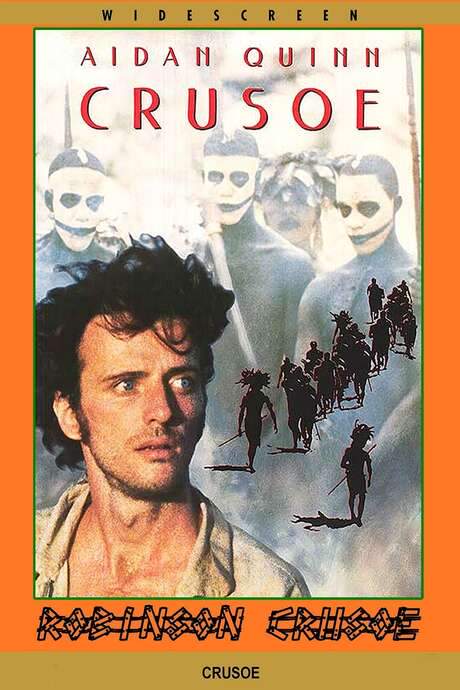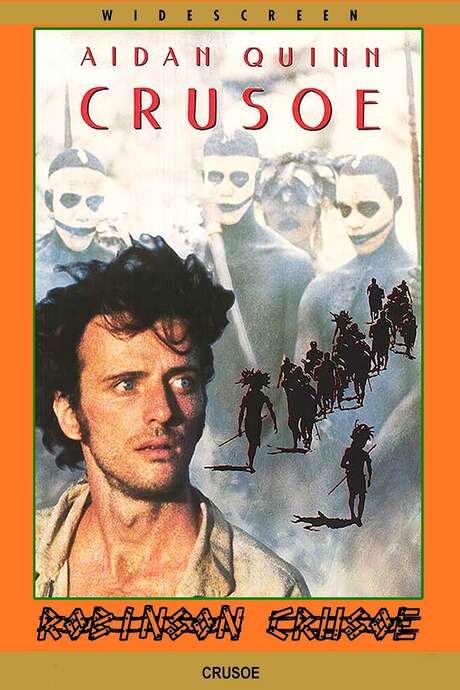
What Is Crusoe About?
The premise of Crusoe in 320 words, with nothing given away. The full story follows below.
In the aftermath of a ferocious storm, a lone sailor finds himself washed ashore on an uncharted tropical island, the wreck of his ship scattered along the white‑sand beaches. With only a handful of salvaged tools and his own wits, he must transform the barren landscape into a livable refuge—fashioning shelter, sourcing fresh water, and learning to coax food from the surrounding flora and fauna. The island itself becomes a character, its dense jungle canopy and rhythmic surf offering both peril and quiet wonder, setting a tone that balances raw survival realism with the lyrical beauty of an untouched paradise.
Robinson Crusoe arrives on this remote shore carrying the weight of his past life—a former seafarer whose journey to Africa was abruptly rewritten by fate. His internal struggle is as much about confronting the isolation of an empty horizon as it is about mastering the practical challenges of self‑sufficiency. The film paints his resilience with a stoic yet vulnerable brush, allowing moments of introspection to surface amid the constant hum of the sea and the rustle of leaves. His resourcefulness is highlighted by the careful repurposing of wreckage into tools, fire, and signals meant to draw the attention of passing ships.
In the early days of his exile, he discovers an unexpected companion—a stray dog named Scamp—whose presence injects a fragile sense of camaraderie into the solitary routine. This bond, though simple, underscores the innate human need for connection, even in the most stripped‑down circumstances. Together they navigate the island’s rhythms, establishing routines that bring order to the chaos of survival.
The story unfolds as a meditation on endurance, hope, and the inventive spirit that rises when civilization falls away. Each sunrise hints at the possibility of rescue, while each night invites reflection on what it means to be truly alive when the world has narrowed to the pulse of the tide and the steady beat of a solitary heart.
What Happens in Crusoe?
The complete story of Crusoe, from the first scene to the last, in 627 words (about 3 minutes). Spoilers throughout. Names in the text link to 2 cast member pages.
Spoilers ahead
In Tidewater, Virginia, 1808, Crusoe, Aidan Quinn, sets sail for Africa to buy enslaved people. A furious storm tears through the sea, and the ship wrecks, leaving Crusoe as the sole survivor. He washes up on a lush tropical island, where he discovers that a dog named Scamp and a small flock of geese have also endured the disaster. With Scamp by his side, Crusoe learns to adapt to the island’s harsh rhythms, carving out a basic life and turning the wrecked vessel’s remains into tools and shelter. He gradually grows more confident, venturing farther with his rifle in hand as he learns to read the island’s dangers and opportunities.
Soon Crusoe encounters a group of indigenous tribesmen who are not natives of the island and who practice cannibal rituals. In his quest to return home, he begins felling trees to build a boat, hoping to escape the isolation. The effort pushes him to convert a cavern into a sturdy, if rudimentary, homestead. Tragedy strikes when Scamp falls ill and dies the next morning, plunging Crusoe into a deep, aching loneliness that presses him to continue surviving on his own terms.
As his loneliness deepens, a flotilla of small boats arrives for a ceremonial cannibal funeral, including the ritual cremation of their chief and the sacrifice of three companions. The chief sits in a grand, armchair-like throne as the flames rise. In the midst of the chaos, Crusoe fires his rifle to disrupt the ceremony, enabling the would-be victim—Lucky, a wary cannibal who gradually earns Crusoe’s cautious trust—to escape, and Crusoe himself also slips away. The two men meet in the forest, and though Crusoe is wary and brandishes his weapon, Lucky does not perceive him as a threat, allowing them to retreat to the beach with the impression that the cannibals have left.
From this moment, Lucky remains a wary ally as Crusoe brings him back to the cave, but the tribal bond is fragile; Crusoe keeps Lucky tethered outside the cave, and the next morning he finds Lucky has vanished. He follows the smoke to the ritual site and discovers the severed head of Lucky, a grim reminder of the island’s dangers. Crusoe’s life is further upended when he is grabbed by one of the cannibals, The Warrior, Ade Sapara, who ties him to a tree near the cave. The following day, Crusoe tries to turn the tables with revenge, firing at his captor during their struggle, and they stumble into quicksand. The Warrior slips free, leaving Crusoe to sink, but mercy arrives when the cannibal lowers Crusoe a branch to safety. The two begin to communicate through improvised language, and gradually they recognize a shared goal: to build a small boat to return home.
Together they complete a first craft, and just as hope seems within reach, a ship arrives—European sailors who have come not to aid Crusoe, but to seize his new ally. Realizing this, Crusoe hurries to signal the vessel from higher ground, unaware that the crew intends to capture the cannibal rather than rescue Crusoe alone. Craving liberty and a real chance at life, Crusoe eventually makes a bold move: he stows away aboard the ship, concealing himself amid the crew. Among the sailors is Dr Martin, Michael Higgins, a scientist who has studied cannibals and plans to take his “friend” back to London. Crusoe, however, strongly opposes the plan to render his ally a prize, and he works in secret to free his friend without drawing attention. After a tense struggle and careful scheming, Crusoe escapes the ship and, through a hard-won journey, ultimately leaves the island behind. The experience teaches him that liberty and life are precious, and it reshapes his understanding of what it means to be free.
Crusoe Timeline: Every Key Event in Order
12 key events in the order they happen, from “Shipwreck and survival at sea” to “Hiding aboard and the plan to return home”. 12 events name a place, across 12 locations.
- 1
Shipwreck and survival at sea
A violent storm wrecks Crusoe's ship as he travels to Africa, leaving him as the sole survivor. He washes ashore on a tropical island with little more than his will to endure. He soon realizes he is truly alone, save for a dog named Scamp and a small flock of geese that have also survived.
When:1808 Where:Open sea
- 2
First days on the island and new companionship
Crusoe begins to adapt to island life and forms a bond with Scamp, who becomes his loyal companion. He starts to understand that survival is possible with careful planning. The geese also become part of his makeshift life on the shore.
When:Shortly after arrival Where:Tropical island
- 3
Armament and exploration
Crusoe discovers a rifle hidden within the wreck and arms himself. With Scamp at his side, he starts to explore more of the island and survey potential routes for escape. The weapon gives him a sense of security amid the unknowns of the island.
When:Soon after crash Where:Beached wreck / island
- 4
Encounter with cannibals
Crusoe comes face to face with a group of indigenous tribesmen who are cannibals. He realizes the island is not as safe as he hoped and that he must devise a plan to endure and perhaps escape. The threat of capture lingers as he observes their rituals from the shadows.
When:Several days after arrival Where:Island forests and coast
- 5
Plans for escape take shape
Crusoe chops down trees to begin constructing a small boat and repurposes a cavern into a shelter that can function as a homestead. His work is driven by the dream of returning home and reclaiming some sense of liberty. The island slowly becomes a hostile yet manageable backdrop for his efforts.
When:Weeks after arrival Where:Beach and cave
- 6
Scamp's death and crushing loneliness
Scamp falls ill and dies, leaving Crusoe devastated. The loss deepens his isolation and tests his resolve to endure on the island. He grapples with grief as he continues to press on with his survival plan.
When:After Scamp's illness Where:Cave/Beach
- 7
Cannibal ritual and a dangerous escape
The natives arrive to perform the chief's cremation and a brutal sacrifice. Crusoe and Hepburn Graham manage to escape when Crusoe fires his rifle to distract the attackers. They meet in the forest and realize the immediate threat may still loom, but each survives for now.
When:During ritual Where:Beach/Forest
- 8
Trust and tragedy among the tribesmen
A tribesman named Lucky begins to trust Crusoe, who brings him to the cave but keeps him bound outside. The next morning Crusoe discovers Lucky missing and later finds his head near the place of sacrifices, shattering the trust Crusoe had started to build. The island's danger feels more personal than ever.
When:Next day Where:Cave vicinity / sacrifice site
- 9
Captured and a swift, perilous escape
Crusoe is captured by Ade Sapara and tied to a tree near his cave. In a brutal clash, he tries to retaliate, but they tumble into quicksand. The cannibal pursuer escapes while Crusoe sinks, only to be spared when the captor lowers him a branch, hinting at an uneasy alliance to come.
When:Following day Where:Near cave / forest edge
- 10
An unlikely collaboration and new boats
The two unlikely survivors begin to communicate and hatch a plan to build a small boat to return home. After completing the first vessel, they decide to construct a second, signaling a possible path to freedom that depends on mutual aid. The island shifts from a prison to a workshop for escape.
When:Weeks after capture Where:Island shore
- 11
Approaching ship and a dangerous signal
A ship arrives off the coast, carrying European sailors. Crusoe climbs to high ground to attract attention, but he discovers the crew intends to capture his new ally rather than help him return home. The encounter raises the stakes and his sense of who can be trusted.
When:Arrival scene Where:Beach/shore
- 12
Hiding aboard and the plan to return home
Crusoe stows away on the ship, hoping for passage home. He discovers Dr. Martin, a scientist who study cannibals and intends to bring his cannibal friend back to London. Crusoe attempts to free his friend without drawing attention, and the escape plan culminates in him leaving the island behind, richer in resolve about liberty and life.
When:During voyage after stowing away Where:Onboard ship / vicinity
Who Are the Main Characters in Crusoe?
4 characters, among them Crusoe (Aidan Quinn), Lucky (Hepburn Graham) and Dr. Martin (Michael Higgins): who each one is and the part they play in the story. Every profile links to the actor’s page.
-

Crusoe (Aidan Quinn)
Played by Aidan Quinn
A shipwreck survivor who becomes the island’s lone resident, Crusoe must improvise for shelter and sustenance. He grapples with loneliness, fear, and the urge to escape, gradually forming an uneasy alliance with a local tribesman. His resourcefulness and cautious pragmatism drive his choices, including a dangerous standoff with cannibals and a daring stowaway attempt on a ship bound for home.
- 🧭 Survivor
- 🏝️ Islander
- 🔫 Resourceful
- L(
Lucky (Hepburn Graham)
Played by Hepburn Graham
A tribesman whose initial role centers on survival and tradition, he gradually forms trust with Crusoe. He becomes a bridge between cultures and helps navigate the island’s dangers. His evolving relationship with Crusoe challenges stereotypes and becomes crucial to their collaboration.
- 🤝 Ally
- 🏹 Tribal Culture
- 🧭 Bridge-builder
- DM
Dr. Martin (Michael Higgins)
Played by Michael Higgins
A scientist aboard the rescue ship who has studied cannibals and intends to bring a friend home to London. He provides a counterpoint to Crusoe’s independence, representing curiosity and a possible ethical approach to the island’s inhabitants. His presence accelerates tension around rescue versus exploitation.
- 🧪 Scientist
- 🗺️ Ethnography
- 💡 Curiosity
- TW
The Warrior (Ade Sapara)
Played by Ade Sapara
A cannibal leader or prominent fighter among the island’s tribes who captures Crusoe and embodies the island’s danger. He enforces tribal rituals and demonstrates the harsh codes of his people, complicating Crusoe’s attempts to escape. His clashes drive much of the island’s action and danger.
- ⚔️ Warrior
- 🏹 Tribal Leader
- 🗺️ Indigenous Culture
Where and When Is Crusoe Set?
Crusoe is set in Tidewater, Virginia and Tropical Island (1808). Here is why the time and place matter to the story.
When
1808
Set in the early 19th century, during the era of sail voyages and colonial encounters. The voyage is framed by a mission to Africa to retrieve slaves, reflecting the brutal realities of the Atlantic slave trade. Maritime exploration and imperial attitudes color the characters’ choices and the stakes of survival.
Where
Tidewater, Virginia, Tropical Island
The story begins in Tidewater, Virginia in 1808, then shifts to a remote tropical island after a shipwreck. The island is lush but treacherous, with jungle terrain and fierce wildlife that test Crusoe’s resourcefulness. Indigenous tribes inhabit the island and perform ritual acts, underscoring the cultural divide between explorers and locals.
- 🏝️ Island
- 🌊 Sea
- 🧭 Survival
What Are the Themes of Crusoe?
3 ideas the story keeps returning to, among them Survival, Freedom and Cultural Encounter.
-
01
Survival
Crusoe’s stay on the island forces him to improvise shelter, procure food, and defend himself. He builds a rudimentary homestead, discovers tools like a rifle, and learns to read the island’s dangers. The mounting loneliness tests his will to live and his ability to adapt to an unforgiving environment.
-
02
Freedom
Crusoe’s longing to return home pushes him toward ever-riskier decisions in pursuit of liberty. He hides aboard the ship hoping to escape captivity, and the possibility of freedom becomes a central motive. Liberty and life are framed as precious, earned through courage and moral choice.
-
03
Cultural Encounter
The island’s cannibal tribes introduce a tense cultural dynamic that challenges Crusoe’s preconceptions. He negotiates with Lucky, learns to communicate across language barriers, and discovers that trust can cross cultural boundaries. The story explores how cooperation can arise from mutual necessity.
What Kind of Film Is Crusoe?
Bleak in tone, with steady pacing and a straightforward story, going by the plot summary.
- Tone
- Bleak
- Pacing
- Steady
- Story
- Straightforward
- Intensity
- Medium
- Ending
- Bittersweet
A grim and lonely survival story set on a tropical island, punctuated by moments of tense danger and profound melancholy as a castaway confronts harsh realities and forms a complicated alliance.
- lonely
- grim
- tense
- melancholic
- survivalist
- survival
- isolation
- cannibalism
- colonialism
- grief
Content notes: animal death, cannibalism, human sacrifice.
Quiz
How well do you remember Crusoe? Test yourself on the story.