
Eight O’Clock Walk 1954

Directed by
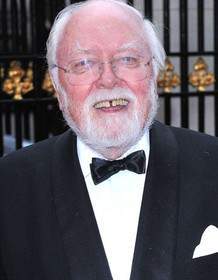
Richard Attenborough
Made by

British Aviation Pictures
Eight O’Clock Walk Plot Summary
Read the complete plot summary and ending explained for Eight O’Clock Walk (1954). From turning points to emotional moments, uncover what really happened and why it matters.
Tom Manning, a newlywed taxi driver, finds himself at the center of a baffling and tragic事件 after an innocent day takes a dark turn. The story begins when eight-year-old Irene, who claims she has lost her doll, leads Manning to an abandoned bombsite. After a brief encounter, she runs away, teasing him as part of an April-Fool’s prank. annoyed, Manning raises his fist in frustration, a gesture witnessed by Mrs. Zunz, a local resident. However, the situation takes a sinister turn when Irene is discovered murdered on the same bombsite, strangled while singing “Oranges and Lemons” and feeding the ducks nearby.
Following her death, Manning is quickly picked up by Scotland Yard for questioning, and suspicion quickly shifts onto him, leading to his arrest and subsequent charge of Irene’s murder. The case against him relies heavily on circumstantial evidence, including a handkerchief found at the scene, fibers from his coat, and testimony from Mrs. Zunz. Manning’s background as a wartime pilot who had suffered a head injury further complicates matters, causing him to doubt his own memory and wonder if he experienced a blackout or lost time during the events.
Despite his innocence protests, Manning’s wife, Jill Manning, played by Cathy O’Donnell, is convinced her husband did not commit the crime. She reaches out to lawyers to help her husband, but their efforts are hampered when the defense barrister refuses to communicate directly, aiming to maintain an objective stance. As the trial unfolds at London’s Old Bailey, Jill manages to win the sympathy of Peter Tanner, played by Derek Farr, a junior counsel who genuinely believes in Manning’s innocence. He visits Manning behind bars and takes on the task of defending him, fighting against the mounting evidence against his client.
The courtroom battles intensify as Geoffrey Tanner (the father of Peter, and the prosecuting counsel) opposes him, and the tension among the jurors becomes palpable as many express their belief in Manning’s guilt even before the proceedings conclude. The prosecution submits hearsay evidence claiming Manning handed Irene sweets, which the defense challenges. The key moment comes when Horace Clifford, a witness for the prosecution, testifies. His account seems overwhelming at first, but Peter Tanner uncovers contradictions in his testimony.
A crucial breakthrough occurs when Tanner notices Clifford outside the courthouse giving a sweet to a young girl, a sweet identical to the one found on Irene’s body. During cross-examination, Tanner presents Clifford with the sweets and instructs a street musician to play “Oranges and Lemons.” This confrontation causes Clifford to break down emotionally, revealing that he had been lying about his involvement. The case then takes a dramatic turn, ultimately leading to Manning’s exoneration.
Throughout the film, the story explores themes of doubt, justice, and the importance of perseverance in the face of prejudice. It vividly depicts the emotional and legal struggles faced by Manning and his wife, illustrating how appearances and circumstantial evidence can often cloud the truth, and how integrity and diligent investigation are crucial in uncovering the real story behind a wrongful accusation. The film’s resolution underscores that sometimes, what seems obvious at first glance can be misleading, and only through careful inquiry can justice truly be served.
Eight O’Clock Walk Timeline
Follow the complete movie timeline of Eight O’Clock Walk (1954) with every major event in chronological order. Great for understanding complex plots and story progression.
Irene Leads Tom to an Abandoned Bombsite
Tom Manning, a taxi driver, is led to an abandoned bombsite by eight-year-old Irene, who claims she lost her doll. After leading him there, she teases him as part of an April Fool's prank, then runs off. Mrs Zunz witnesses Tom raising his fist in exasperation, showing the initial tension.
Irene is Found Murdered
Later, Irene is discovered murdered on the same bombsite, strangled while singing 'Oranges and Lemons' and feeding the ducks. Her death shocks the community and sets off the investigation into her murder.
Tom Is Questioned by Scotland Yard
Tom Manning is taken in for questioning by Scotland Yard. Circumstantial evidence such as his handkerchief, a coat fibre, and Mrs Zunz's testimony point towards him as the suspect, leading to his arrest and subsequent charge for Irene's murder.
Tom Doubts His Sanity
As a wartime pilot with a head wound, Tom begins to question his own mind, suspecting that he may have experienced a blackout or lost time, which could be relevant to his innocence or guilt.
Jill Seeks Legal Help
Tom's wife, Jill, strongly believes in his innocence and contacts lawyers to defend him. However, their initial lawyer refuses to see her, wanting to keep an objective stance as the case progresses.
Peter Tanner Becomes Tom's Advocate
Junior counsel Peter Tanner, moved by Jill's conviction and Tom's protests of innocence, decides to take on the case. He begins to investigate the evidence more thoroughly at the trial.
Starting the Trial at the Old Bailey
The trial begins at London's Old Bailey, with Peter Tanner defending Tom and Geoffrey Tanner opposing him on behalf of the prosecution. It quickly becomes clear that the prosecution has a strong case against Tom.
Prejudice and Hearsay Evidence Emerges
Jurors express their opinions of Tom's guilt even before the trial concludes. Irene's mother provides hearsay that Tom had given Irene sweets, which is used as evidence against him, intensifying the suspicion.
Testimony of Horace Clifford
Prosecution witness Horace Clifford testifies, and much of the evidence appears to point toward Tom's guilt. The case seems to be closing in on him as the court proceedings proceed.
Peter Tanner Recognizes a Key Clue
Peter Tanner notices Clifford outside the courthouse giving a sweet to a young girl. He recognizes it as the same type of sweet found on Irene, raising doubts about Clifford's testimony and the prosecution's case.
Cross-Examination Reveals the Truth
Tanner confronts Clifford with the sweets and calls in a street musician to play 'Oranges and Lemons'. Under pressure, Clifford breaks down, which ultimately leads to Tom's acquittal and being cleared of the charges.
Eight O’Clock Walk Characters
Explore all characters from Eight O’Clock Walk (1954). Get detailed profiles with their roles, arcs, and key relationships explained.
Thomas Leslie Manning (Richard Attenborough)
A wartime pilot and the accused, Manning is portrayed as a man suffering from possible psychological trauma. His innocence is questioned as he grapples with doubt, suspicion, and the consequences of wartime wounds. His character embodies the struggle for truth amidst societal and judicial pressure.
Jill Manning (Cathy O'Donnell)
Manning’s wife, she is devoted and convinced of her husband's innocence. Her unwavering support highlights themes of loyalty and trust during a period of legal uncertainty. She seeks justice and fights against the circumstantial evidence against her husband.
Peter Tanner (Derek Farr)
A junior counsel who believes in Manning's innocence, Peter is empathetic and determined. His advocacy and clever courtroom tactics turn the tide in the trial, emphasizing the importance of justice and perseverance.
Geoffrey Tanner (Ian Hunter)
The prosecuting counsel and father of Peter Tanner, Geoffrey is steadfast in his role. His commitment to the prosecution reflects the intense courtroom rivalry and the societal duty to uphold justice, even when doubts arise.
Mrs. Adeline Zunz (Lily Kann)
A local resident who witnesses Manning's frustration, her testimony unintentionally influences the suspicion against him. Her perspective provides insight into the impact of social observation on justice.
Eight O’Clock Walk Settings
Learn where and when Eight O’Clock Walk (1954) takes place. Explore the film’s settings, era, and how they shape the narrative.
Time period
Post-World War II era, late 1940s
Set shortly after World War II, the film reflects a period of post-war recovery and social change in London. This time was marked by rebuilding, lingering wartime memories, and a societal shift towards modern justice systems. The period influences the characters' perspectives and the legal proceedings depicted in the story.
Location
London, England
The movie takes place predominantly in London, a historically significant city known for its iconic landmarks and legal institutions. The courtroom scenes at the Old Bailey highlight London's role as a center of justice and law in the UK. The city’s urban setting emphasizes the contrast between everyday life and the dark mysteries faced by the characters.
Eight O’Clock Walk Themes
Discover the main themes in Eight O’Clock Walk (1954). Analyze the deeper meanings, emotional layers, and social commentary behind the film.
⚖️
Justice
The film explores themes of justice and legal fairness, emphasizing the importance of evidence and the turmoil of wrongful conviction. The courtroom drama revolves around the pursuit of truth amidst suspicion and prejudice, highlighting the fragile nature of judicial innocence.
🧠
Memory & doubt
The story delves into the themes of memory and mental stability, especially concerning Manning’s head wound and potential blackouts. It questions how memory influences our perception of guilt and innocence, emphasizing psychological fragility and uncertainty.

Coming soon on iOS and Android
The Plot Explained Mobile App
From blockbusters to hidden gems — dive into movie stories anytime, anywhere. Save your favorites, discover plots faster, and never miss a twist again.
Sign up to be the first to know when we launch. Your email stays private — always.
Explore the mobile appEight O’Clock Walk Spoiler-Free Summary
Discover the spoiler-free summary of Eight O’Clock Walk (1954). Get a concise overview without any spoilers.
In the smoky streets of post‑war London, the city hums with the rhythm of taxis threading through fog‑laden avenues and the echo of recent conflict still lingering in the public consciousness. Against this backdrop, a modest cab driver makes his living navigating both the physical maze of the capital and the subtle social currents that run beneath its surface. The everyday routine of his trade is punctuated by the ordinary worries of a man trying to rebuild a life after the war, offering a glimpse of a world that is both familiar and unsettling.
Tom Manning is that driver—steady‑handed, good‑natured, and haunted by a past that occasionally flickers into the present. His marriage to Jill Manning provides a warm, if fragile, anchor; she is quick to defend his character and intuitively senses an injustice that others dismiss. Their partnership is marked by quiet loyalty and a shared yearning for normalcy, even as the city’s undercurrents begin to stir doubts that threaten to upend their fragile equilibrium.
When the law pulls Tom into its unforgiving glare, the story shifts to the vaulted chambers of the Old Bailey, where the weight of accusation hangs heavy in the air. Enter Peter Tanner, a junior counsel whose earnest belief in Tom’s innocence sets him against a tide of suspicion. Their interactions blend courtroom formality with a palpable human tension, as both men grapple with the stark contrast between public opinion and private conviction. The legal arena is rendered with a measured, almost claustrophobic intensity that underscores the stakes for everyone involved.
The film unfolds as a study in doubt and perseverance, painting a portrait of a society where appearances can be deceiving and the pursuit of truth demands both resolve and compassion. Through moody lighting, restrained dialogue, and the subtle dance of loyalty versus doubt, the narrative invites viewers to contemplate how fragile justice can be when it rests on the balance of a few steadfast voices.
Movies with Similar Twists and Themes
Uncover films that echo the narrative beats, emotional arcs, or dramatic twists of the one you're exploring. These recommendations are handpicked based on story depth, thematic resonance, and spoiler-worthy moments — perfect for fans who crave more of the same intrigue.
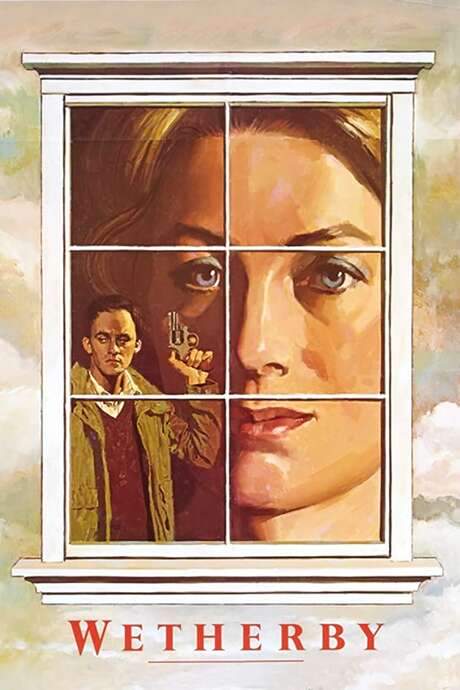


Featured on this page

What's After the Movie?
Not sure whether to stay after the credits? Find out!
Check out our other apps:

SAT Sphere
Build confidence for the Digital SAT.

Mori Atlas
Discover wild places worth protecting.

Luntero
Search smarter for a home in Amsterdam.

Plot Explained
Unravel movie endings and hidden clues.

Pokechamp
Dive into Pokémon data and battle logic.

Driving Theory
Get ready for your European theory test.

Movie Dust
Plan your next cinema trip with ease.

Musemap
Find art and culture as you travel.

Selkobase
Compare credentials before committing.

Local Manual
Turn an unfamiliar country into practical next steps.

Lernavi
Compare school systems before your next move.

GymRoam
Find a workout stop wherever your plans take you.
Explore Our Movie Platform
New Movie Releases (2026)
Famous Movie Actors
Top Film Production Studios
Movie Plot Summaries & Endings
Major Movie Awards & Winners
Best Concert Films & Music Documentaries
Movie Collections and Curated Lists
© 2026 What's After the Movie. All rights reserved.
Privacy Policy