What Is Difficult Years About?
The premise of Difficult Years in 311 words, with nothing given away. The full story follows below.
In the sun-drenched town of Modica, Sicily, the rising tide of Fascism begins to seep into every corner of daily existence during the 1920s. Aldo Piscitello, a modest municipal clerk, finds his quiet life upended as the political climate shifts under Mussolini’s ascending power. Facing the ultimatum of joining the party or losing his livelihood, Aldo makes a reluctant choice that sets the tone for a life defined by external conformity and internal conflict. The town’s atmosphere grows heavy with propaganda and mandatory drills, transforming a once-peaceful community into a place where the secret police watch every gesture and freedom is a dangerous luxury.
Within the walls of their home, the Piscitello family becomes a quiet sanctuary of hidden truths. Rosina, Aldo’s wife, stands by him as they navigate the tension between public performance and private belief. While the streets echo with roaring demonstrations, the local pharmacist’s shop serves as a discreet meeting point for those harboring dissenting views, creating a fragile network of resistance. The family’s struggle is mirrored in the wider town, where cultural life is censored and fear dictates behavior. Aldo and Rosina attempt to shield their children from the encroaching ideology, but the pressure to maintain appearances strains every relationship.
The arrival of Aldo’s son, Giovanni, from military service offers a brief glimmer of hope and the promise of a simpler future. He soon marries Maria, the daughter of the local pharmacist, in a union that symbolizes a desperate reach for normalcy amidst the chaos. However, the winds of war are inescapable. As Italy’s alliances deepen and global conflict looms, the Piscitello family finds their personal lives inextricably tangled with the fate of the nation. The story captures the profound weight of a household caught between the instinct to survive and the moral cost of silence in a society crushing under the boot of a totalitarian regime.
What Happens in Difficult Years?
The complete story of Difficult Years, from the first scene to the last, in 517 words (about 2 minutes). Spoilers throughout.
Spoilers ahead
In 1922, Aldo Piscitello [Umberto Spadaro] is a municipal employee in Modica, a small town in Sicily, where the grip of the new regime is already tightening. As Mussolini rises to power, he is pressed by his boss [Enzo Biliotti] to join the Fascist Party, and facing the threat of losing his livelihood, he reluctantly enrolls, even backdating his membership to 1921. His wife [Ave Ninchi] Rosina Piscitello and his daughter stand by him, choosing to support the decision outwardly while the atmosphere inside the town becomes increasingly heavy with ideology. The family’s home becomes a quiet hub where loyalty and fear mingle, and where private conversations often drift into the politics that dominate public life.
Inside this world of propaganda and public demonstrations, Aldo keeps in touch with anti-Fascist friends who meet discreetly at the shop of the local pharmacist, a point of quiet resistance in a town where visible dissent could be dangerous [Aldo Silvani]. The regime’s reach is everywhere: drills on weekends, crowded gatherings, secret police watching every gesture, and even cultural life being censored, with Bellini’s Norma among the works harshly censored to fit the party line. The atmosphere is unyielding, and the pressure to conform bleeds into everyday choices and conversations.
Aldo’s son, Giovanni [Massimo Girotti], returns from military service with a desire for a simpler life, and he soon marries the daughter of the pharmacist—Maria [Milly Vitale]—a union that embodies the fragile balance many families try to maintain under a totalitarian regime. Yet Italy’s alliance with Germany pulls him back into military duty, pulling the couple into the broader currents of war that unfold across the country. The pharmacist’s own fate grows perilous as tensions rise, and his imprisonment after singing the French anthem underscores how quickly loyalties are policed and punished in this era.
As the war intensifies, 1943 brings new upheaval: the Allies land in Sicily, and Aldo Piscitello and his family are forced to abandon their home to seek refuge in the countryside. Giovanni, meanwhile, goes on furlough, caught between the life he hoped to rebuild and the demands of a country at war. The front lines and the shifting loyalties blur the lines between friends and foes, and a tragic turn arrives when he is stopped by a unit of fleeing German soldiers, a moment that casts a long shadow over the family’s fragile peace.
The war’s end is a time of widespread relief and uneasy closure, yet the town remains haunted by the recent past. People who once aligned themselves with fascist power claim to be anti-fascists, and even the boss of Aldo Piscitello’s household sits with a US Army officer, deciding the future of the family based on a turbulent past. In the quiet hours after victory, the weight of what has happened weighs heavily on Aldo and Rosina, reminding viewers that the end of conflict does not erase the complexity of the choices made under pressure. The story remains a stark, human portrait of a family navigating loyalty, courage, and the cost of survival in a society crushed by fear and shifting political tides.
Difficult Years Timeline: Every Key Event in Order
12 key events in the order they happen, from “Coerced into joining the Fascist Party” to “Sack and redefinition: former Fascists become Anti-Fascists”. 12 events name a place, across 4 locations.
- 1
Coerced into joining the Fascist Party
In 1922, Piscitello, a municipal employee in Modica, is forced to join the Fascist Party as Mussolini rises to power. He even backdates his enrollment to 1921 to secure his job. The move is imposed by his boss and underscored by the threat of unemployment.
When:1922 Where:Modica, Sicily
- 2
Family supports his political compromise
His wife Rosina and his daughter stand by him, hoping the affiliation will shield the family from hardship. They accept the arrangement as a practical necessity rather than a belief. The family’s stance reveals the personal costs of political pressure.
When:1922-1923 Where:Modica, Sicily
- 3
Anti-Fascist contacts kept secretly
Despite his party membership, Piscitello maintains contact with anti-Fascist friends who meet at the local pharmacist’s shop. These clandestine meetings show the tension between outward loyalty and private resistance. The shop becomes a quiet hub for dissent within an oppressive regime.
When:1920s-1930s Where:Modica, Sicily
- 4
Fascists’ omnipresent power
The regime’s ideology saturates daily life with weekend drills and public gatherings. Secret agents and surveillance remind people of the regime’s reach. The climate of fear shapes social interactions in Modica and beyond.
When:1920s-1940s Where:Modica, Sicily
- 5
Censorship of Bellini’s Norma
Art and culture are censored to fit the regime’s propaganda, and even operas like Bellini’s Norma fall under official control. The community learns to self-censor to avoid trouble. The restrictions illustrate how deeply the regime penetrates everyday life.
When:1930s-1940s Where:Modica, Sicily
- 6
Giovanni returns and marries
Piscitello’s son Giovanni returns from military service and hopes for a quiet, ordinary life. He marries Maria, the pharmacist’s daughter, tying the families together despite the political climate. The ceremony marks a fragile normality within an oppressive society.
When:Late 1930s Where:Modica, Sicily
- 7
Italy allies with Germany; Giovanni re-enters the military
As Italy aligns with Germany, Giovanni is forced back into military service. The young man again faces the demands of a nation at war, cutting short his dreams of stability. The war reshapes family plans and personal futures.
When:1940-1943 Where:Italy (Modica area)
- 8
Pharmacist imprisoned after French anthem incident
When Italy declares war on France, the pharmacist is imprisoned for singing the French anthem, an act seen as dissent by the authorities. The incident highlights the consequences of dissent and the fragile line between patriotism and resistance. The family’s community is shaken by the crackdown.
When:1940 Where:Modica, Sicily
- 9
1943: War returns to Sicily; family flees to the countryside
The Allied war effort returns to Sicily, forcing Piscitello’s family to abandon their home for safety in the countryside. The movement disrupts normal life and tests family bonds under pressure. The landscape shifts from urban to rural as the front lines approach.
When:1943 Where:Sicily, Italy
- 10
Giovanni on furlough amid wartime chaos
Despite the upheaval, Giovanni comes on furlough, offering a brief window of relative calm within the chaos. His presence provides a glimmer of ordinary life in the countryside. The reunion underscores the personal costs of a nation at war.
When:1943 Where:Sicily
- 11
End of the war in Sicily and communal celebration
The Allied advance secures a semblance of victory as the war recedes from Sicily. People celebrate the end of the campaign, relief and confusion mingling in the streets. Yet the euphoria is tempered by the underlying wounds of occupation and compromise.
When:1943 Where:Sicily
- 12
Sack and redefinition: former Fascists become Anti-Fascists
A former Fascist boss sits with a US Army officer, signaling the shift in power dynamics after the occupation. Piscitello loses his job because his Fascist past remains an occupational liability. The era closes with a redefinition of loyalty as anti-Fascist sentiment becomes a political necessity.
When:1943-1944 Where:Modica, Sicily
Who Are the Main Characters in Difficult Years?
8 characters, among them Giovanni Piscitello (Massimo Girotti), Aldo Piscitello (Umberto Spadaro) and Rosina Piscitello (Ave Ninchi): who each one is and the part they play in the story. Every profile links to the actor’s page.
-
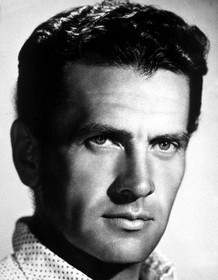
Giovanni Piscitello (Massimo Girotti)
Played by Massimo Girotti
A young veteran returning from military service who longs for an ordinary life but is swept into the wartime machinery. He marries the pharmacist's circle and must navigate the demands of allegiance, duty, and personal happiness. His resilience and willingness to adapt reveal the complexities of living under a totalitarian regime.
- 🎖️ Protagonist
- 🧭 Moral conflict
- AP
Aldo Piscitello (Umberto Spadaro)
Played by Umberto Spadaro
A municipal employee coerced into joining the Fascist Party to keep his job, he backdates his enrollment to 1921 to appease his superiors. He balances public obedience with private dissent, trying to shield his family from the regime's reach.
- 🏛️ Authority
- ⚖️ Compromise
- RP
Rosina Piscitello (Ave Ninchi)
Played by Ave Ninchi
A steadfast wife who supports her husband’s decision, embodying pragmatic resilience. She helps hold the family together as the social and political pressures mount. Her perspective shows how ordinary people adapt to extraordinary circumstances.
- 👩👧 Family support
- 💪 Resilience
- EP
Elena Piscitello (Delia Scala)
Played by Delia Scala
Daughter of the family who witnesses the regime's reach at home and in town. Her presence reflects the generational impact of fascism and war on youth and family life.
- 👧 Youth
- 🕊️ Hope
- M(
Maria (Maria, the pharmacist’s niece) (Milly Vitale)
Played by Milly Vitale
The pharmacist's niece who becomes entwined with Giovanni's life; her relationships symbolize the social bonds that persist despite political upheaval. She navigates personal ties while the country edges toward war.
- 💊 Love
- 🏥 Social ties
- RT
Riccardo, the Baron's Son (Carlo Sposito)
Played by Carlo Sposito
A figure from the local elite whose presence situates the class dynamics within fascist society. His interactions reveal how power and privilege influence loyalties and decisions.
- 👑 Elite
- 🧭 Social dynamics
- IP
Il Podestà (Enzo Biliotti)
Played by Enzo Biliotti
The local symbol of fascist authority who enforces conformity and public order. His presence underscores the regime’s reach into everyday town life.
- 🏛️ Power
- 🗡️ Repression
- IF
Il Federale (Miro Zonda)
Played by Miro Zonda
A federal officer who embodies the security state’s surveillance and control. His actions frame the fear and pressure felt by ordinary citizens.
- 👮 Authority
- 🕵️ Surveillance
Where and When Is Difficult Years Set?
Difficult Years is set in Modica, Sicily and Italy (1922–1943). Here is why the time and place matter to the story.
When
1922–1943
The action spans from Mussolini's rise in 1922 through the wartime years of 1943. It follows the consolidation of Fascist power, daily drills, and public propaganda, alongside private life strained by political pressure. The narrative threads through the shift from pre-war normalcy to the upheaval of WWII and the Allied invasion of Sicily.
Where
Modica, Sicily, Italy
The film unfolds in Modica, a town in Sicily, capturing a close-knit community under Mussolini's regime. The streets, shops, and public spaces reflect the era's displays of power and censorship. The setting grounds characters in a locally familiar world where personal loyalties clash with political demands.
- 🏛️ Historical setting
- 🪖 War-torn Sicily
- 👪 Family dynamics
What Are the Themes of Difficult Years?
3 ideas the story keeps returning to, among them Fascism & Control, Loyalty vs Ideology and War & Consequence.
-
01
Fascism & Control
The regime's reach dominates daily life: party membership becomes a prerequisite for employment, and censorship tightens as public life is shaped by propaganda. Characters navigate the pressure to conform while maintaining personal connections with anti-Fascist friends. The film shows how power enforces obedience and how individuals try to preserve integrity under scrutiny. The tension between public ideology and private belief drives the drama.
-
02
Loyalty vs Ideology
Aldo Piscitello reluctantly joins the Fascist Party to keep his job, dramatizing the conflict between family duty and political conviction. His wife Rosina and daughter Elena support the move, highlighting how domestic life becomes a frontline in ideological battles. Giovanni struggles with his role as a soldier and his desire for a normal life, while maintaining contacts with anti-Fascists. The film probes what loyalty costs when loyalty to family clashes with loyalty to country.
-
03
War & Consequence
Italy's alliance with Germany pulls Giovanni back into military service even as his personal life proceeds. The anti-Fascist circle of shopkeepers and the pharmacist is disrupted when the pharmacist is imprisoned for a symbolic act against the regime. As the Allies land in Sicily and the old order collapses, the family is forced into the countryside to survive. The ending exposes the moral ambiguity of victory, as former Fascists attempt to redefine themselves as anti-Fascists.
What Kind of Film Is Difficult Years?
Bittersweet in tone, with steady pacing and a moderate story, going by the plot summary.
- Tone
- Bittersweet
- Pacing
- Steady
- Story
- Moderate
- Intensity
- Medium
- Ending
- Bittersweet
A steady-paced, somber drama that portrays the oppressive weight of living under fascism, charting one man's late and tragic awakening to political courage.
- oppressive
- somber
- anxious
- powerless
- resigned
- melancholic
- political oppression
- moral compromise
- cowardice
- family under dictatorship
Content notes: war violence, political repression, imprisonment, censorship.
Where to Watch Difficult Years
. US availability and prices from JustWatch.
Streaming availability in the US, powered by