What Is Dial 1119 About?
The premise of Dial 1119 in 314 words, with nothing given away. The full story follows below.
In a sleepless metropolis where neon flickers over rain‑slick streets, an unsettling calm shatters when a patient escapes the confines of a mental institution. Driven by a single, obsessive goal, Gunther Wyckoff bursts onto the scene, his mind a tangled maze of delusion and purpose. The city’s ordinary rhythm is abruptly pulled into a darker tempo, hinting at a night that will test the limits of reason and fear.
The focal point of the ensuing crisis is a downtown watering hole, a place where regulars and strangers mingle under the glow of cheap bulbs. Here, Chuckles runs the bar with a weary grin, while his right‑hand Skip juggles the demands of the night and a personal worry that lingers off‑site. Among the patrons are the outspoken Freddy, the composed Helen accompanied by the older Earl, and the ever‑observant reporter Harrison D. Barnes. Their ordinary conversations are suddenly framed by an invisible threat, turning the intimate space into a pressure cooker of nerves and whispered strategies.
Outside, law enforcement assembles, led by a captain whose history with the escaped patient adds a layer of reluctant urgency. Their radios crackle with the arrival of John D. Faron, the psychiatrist whose testimony once sealed Wyckoff’s fate. As the night deepens, the police negotiate a tense standoff, while a gathering crowd and rolling news crews inject a voyeuristic edge, turning the bar into a stage for a precarious battle of wills.
The atmosphere is thick with claustrophobic tension, a blend of gritty realism and psychological dread. Every character is forced to confront not just the immediate danger, but the lingering question of what drives a man to seek revenge against the very mind that tried to heal him. The story promises a relentless cat‑and‑mouse dance, where each decision ripples through the cramped confines of the bar, and the line between hostage and captor blurs in the flickering light.
What Happens in Dial 1119?
The complete story of Dial 1119, from the first scene to the last, in 485 words (about 2 minutes). Spoilers throughout. Names in the text link to 8 cast member pages.
Spoilers ahead
Delusional mental patient Gunther Wyckoff escapes from an institution, determined to locate psychiatrist John D. Faron, whose testimony helped send him to the asylum. He arrives by bus in Terminal City and, in a brutal display of force, uses a Colt pistol to shoot and kill the bus driver when confronted about the weapon.
Wyckoff’s search for John D. Faron leads him first to the doctor’s office and then to his residence. Leaving the apartment building, he spots the Oasis Bar across the street and decides it will serve as an ideal vantage point to monitor the entryway. Inside, the bar is tended by Chuckles and his assistant Skip. Skip’s wife is in the hospital, adding a personal stake to the tense situation. When Chuckles notices a news flash about Wyckoff on the TV, he recognizes the man and attempts to reach a hidden pistol behind the bar, but time runs out.
The four patrons at the Oasis Bar become witnesses and focal points in the standoff: the slutty barfly Freddy, a young woman named Helen who is accompanied by an older man named Earl, and newspaper reporter Harrison D. Barnes. As Wyckoff circles the room, he shoots Chuckles while the bar owner is trying to call for help. He then forces the patrons to take seats at a single table, keeping a steel gaze on them as a grim audience to his demands. The chaos outside the bar spills into the street, and a beat cop is wounded when Wyckoff fires in the officer’s direction. Bystanders rush to aid the fallen officer, and reinforcements are alerted.
Wyckoff telephones the police, insisting they stay back but deliver John D. Faron to the bar within 25 minutes, or he will begin picking off hostages. The press multiplies outside, turning the scene into a live broadcast as the crowd swells. Faron is located and brought to the Oasis Bar, where he attempts to intervene, though the police captain harbors resentment toward Faron for having defended Wyckoff in court, believing that it reduced the offender’s sentence. The plan to bring Faron in secretly fails when Wyckoff detects their approach and wounds another officer.
With a narrow window left, the police prepare to storm the bar, but Faron steps forward first to plead with Wyckoff, hoping to persuade him to release the hostages. The attempt ends tragically as Wyckoff shoots Faron dead. The bar’s ringing phone finally stops the moment of suspense—the hospital calls about Skip’s wife—and Skip battles Wyckoff in a desperate bid to answer. At the same time, police explode a charge and plunge the bar into darkness. In the ensuing confusion, Freddy seizes Chuckles’ concealed pistol and shoots Wyckoff. The deluded fugitive staggers outside and is killed by police gunfire. Kneeling over John D. Faron’s body, the police captain mutters a somber line: “How far does a man have to go to prove that he’s right?”
Dial 1119 Timeline: Every Key Event in Order
12 key events in the order they happen, from “Wyckoff's escape to Terminal City” to “Final confrontation and Wyckoff's death”. 12 events name a place, across 5 locations.
- 1
Wyckoff's escape to Terminal City
Wyckoff escapes from the asylum and travels to Terminal City by bus. He confronts the bus driver over stealing his Colt pistol and uses it to kill the driver to secure his escape. With the escape accomplished, he sets his sights on locating Dr. John Faron.
Where:Terminal City (bus terminal)
- 2
Search for Dr. Faron begins
Wyckoff unsuccessfully searches for Dr. Faron, first at the psychiatrist's office and then at his home. The failed search deepens his resolve to corner Faron and force a confession or testimony. The pursuit shifts from the asylum to the city as the stakes rise.
Where:Dr. Faron's office and home
- 3
Wyckoff uses Oasis Bar as vantage point
Leaving Faron's building, Wyckoff spots the Oasis Bar across the street and decides it will work as a vantage point. He plans to observe the building's entry from the bar's vantage. The bar becomes a staging ground for his plan.
Where:Oasis Bar vicinity
- 4
Bar staff and patrons introduced
Inside the Oasis Bar, Chuckles and his assistant Skip tend to customers, while Skip's wife remains in the hospital. A TV news flash identifies Wyckoff, and Chuckles recognizes him, heightening the bar's sense of danger. The scene sets the stage for a high-stakes confrontation.
Where:Oasis Bar
- 5
Wyckoff kills Chuckles at the phone
Wyckoff shoots Chuckles dead as he is dialing the police, cutting off the first line of defense from the bar. With Chuckles dead, Wyckoff asserts control over the scene and the hostages. The murder marks the formal start of the siege.
Where:Oasis Bar
- 6
Hostages confined and watched
Wyckoff orders the bar patrons to occupy one table so he can monitor them. He maintains a vigilant watch on the entry and surrounding area, turning the bar into a makeshift fortress. The tense arrangement heightens the danger for everyone inside.
Where:Oasis Bar
- 7
Beat cop shot while approaching
A beat cop approaches the bar to assess the situation and negotiate. Wyckoff shoots the officer in the leg, increasing the peril for bystanders and prompting a larger police response. Bystanders scramble as the scene becomes a flashpoint for the city.
Where:Oasis Bar
- 8
Wyckoff issues a 25-minute ultimatum
Wyckoff calls the police and demands that they keep their distance but deliver Dr. Faron to the bar within 25 minutes. He threatens to kill the hostages if his demand is not met. The threat anchors a media-fed deadline that heightens public tension.
Where:Oasis Bar
- 9
Faron is brought to the bar
Dr. Faron is found and brought to the bar, where the police captain resents his past defense of Wyckoff. Faron pleads with the police to let him handle the situation, hoping to avoid further bloodshed. The arrival of Faron intensifies the confrontation.
Where:Oasis Bar
- 10
Faron tries to reason; he is shot
Faron enters the bar to reason with Wyckoff, but Wyckoff shoots him dead. The psychiatrist's death eliminates any chance of negotiated settlement and escalates the crisis into a pure standoff. The room erupts in shock and fear.
Where:Oasis Bar
- 11
Phone call, blackout, and chaos
The hospital phone rings as Skip tries to answer for his wife, adding a personal stake to the siege. At the same moment, the police detonate an explosive charge and extinguish the lights, plunging the bar into darkness. The confusion amplifies the danger for everyone inside.
Where:Oasis Bar
- 12
Final confrontation and Wyckoff's death
Freddy uses Chuckles' hidden gun to shoot Wyckoff, ending his attempt to impose his will. Wyckoff staggers outside and is killed by police gunfire, while the captain solemnly asks how far a man must go to prove he is right. The horrific incident closes with victims and a stark moral question lingering in the air.
Where:Outside Oasis Bar
Who Are the Main Characters in Dial 1119?
9 characters, among them Gunther Wyckoff (Marshall Thompson), Dr. John D. Faron (Sam Levene) and Chuckles (William Conrad): who each one is and the part they play in the story. Every profile links to the actor’s page.
- GW
Gunther Wyckoff (Marshall Thompson)
Played by Marshall Thompson
A delusional escapee who believes his self-appointed mission justifies extreme violence. He coercively controls the scene with a stolen pistol and uses fear to manipulate both hostages and responders. His fixation on getting to Dr. Faron drives the crisis, and his actions culminate in a violent, fatal confrontation.
- 🧠 Delusional
- 🔫 Violent
- 🚔 Criminal
- DJ
Dr. John D. Faron (Sam Levene)
Played by Sam Levene
A police psychiatrist brought in to negotiate and calm the situation. He advocates a measured, humane approach, even as his credibility and past defense of Wyckoff become points of contention with the police leadership. His attempt to resolve the crisis ends tragically when Wyckoff shoots him during the standoff.
- 🧠 Psychiatrist
- 🕵️ Negotiator
- 🏛️ Authority
- C(
Chuckles (William Conrad)
Played by William Conrad
The Oasis Bar's owner/bartender who tries to contact the police and manage the crisis from behind the counter. He becomes a direct target of Wyckoff and is killed when the hostage situation escalates, underscoring the danger to civilians in such standoffs.
- 🍹 Bar owner
- ⚠️ Target
- 🧯 Responder
- S(
Skip (Keefe Brasselle)
Played by Keefe Brasselle
Chuckles' assistant who warns of his wife's hospital status and attempts to navigate both the personal and crisis implications. He fights Wyckoff to reach the hospital, becoming a key witness to the desperation and urgency surrounding the hostages.
- 🧭 Witness
- 🧨 Tension
- 💪 Survivor
- F(
Freddy (Virginia Field)
Played by Virginia Field
A provocative bar patron whose presence and reactions punctuate the mood of the room. She becomes one of the visible faces of fear and stress in the crowd, contributing to the chaos and urgency of the moment.
- 👗 Bar patron
- 👀 Witness
- 🗣️ Vital presence
- H(
Helen (Andrea King)
Played by Andrea King
A younger bar patron accompanied by Earl, she represents the civilian side of the crisis. Her perspective highlights how ordinary people are drawn into the danger and the emotional stakes of the standoff.
- 👩 Patron
- 🧍♂️ Witness
- 💬 Human impact
- HD
Harrison D. Barnes (James Bell)
Played by James Bell
A newspaper reporter covering the event, whose presence underlines the intersection of crime, journalism, and public perception. His role emphasizes how timely information and narrative shape the audience’s understanding of the crisis.
- 📰 Reporter
- 🗞️ Media
- 🕵️ Witness
-
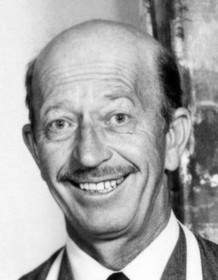
Fred Backett (Frank Cady)
Played by Frank Cady
The bus driver who confronts Wyckoff after recognizing the gunman and is killed early in the crisis. His death marks the immediate threat to bystanders and demonstrates the indiscriminate danger of the incident.
- 🚍 Bus driver
- 💥 Victim
- ⚠️ Innocent bystander
-
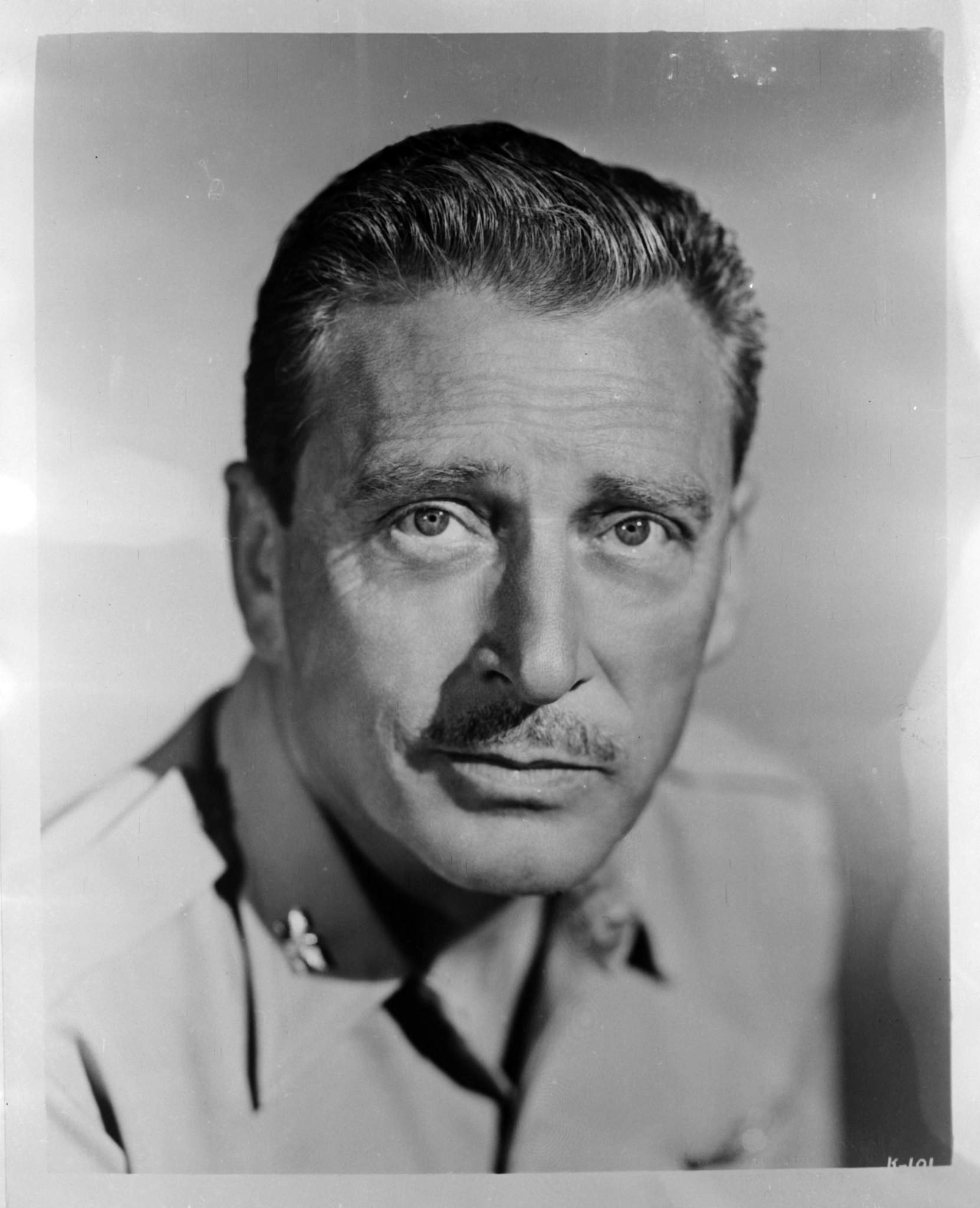
Earl (Leon Ames)
Played by Leon Ames
Helen's older companion present in the bar, adding an element of social dynamics and tension to the small group of witnesses.
- 🧓 Witness
- 👥 Civilian
Where and When Is Dial 1119 Set?
Dial 1119 is set in Terminal City and Oasis Bar. Here is why the place matters to the story.
Where
Terminal City, Oasis Bar
Terminal City serves as a dense urban backdrop where a tense stand-off unfolds. Oasis Bar, with its neon glow and busy counter, becomes the central stage for the hostage crisis. The story centers on the bar’s ordinary night turning extraordinary as a delusional escapee traps patrons and demands a psychiatrist’s appearance.
- 🗺️ Urban setting
- 🍹 Bar locale
- 🚓 Police backdrop
What Are the Themes of Dial 1119?
3 ideas the story keeps returning to, among them Hostage Crisis, Media Spotlight and Psychiatry and Justice.
-
01
Hostage Crisis
An escaped mental patient seizes control of a bar, turning it into a pressure cooker of fear and tension. He imposes a 25-minute deadline, forcing rapid decisions from police and medical professionals. Negotiations and strategic moves race against the clock as bystanders become part of the scene. The narrative centers on power, control, and the human cost of violence.
-
02
Media Spotlight
Television crews and public broadcasts descend on the Oasis Bar, transforming a private crisis into a public spectacle. The crowd outside grows as news coverage sharpens the sense of urgency and influence. Media presence shapes perceptions, pressuring authorities to act quickly and decisively. The crisis becomes a backdrop for how news can amplify fear and urgency.
-
03
Psychiatry and Justice
Dr. Faron, a police psychiatrist, is called to mediate, linking medical judgment with legal outcomes. The interaction highlights tensions between rehabilitation, punishment, and the system’s accountability. Faron's involvement raises questions about who determines guilt, responsibility, and the proper handling of a traumatized individual. The events underscore the fragility of trying to reconcile science, law, and human lives.
What Kind of Film Is Dial 1119?
Tense in tone, with fast pacing and a straightforward story, going by the plot summary.
- Tone
- Tense
- Pacing
- Fast
- Story
- Straightforward
- Intensity
- High
- Ending
- Mixed
A relentlessly tense and claustrophobic noir thriller that unfolds over a single night, trapping terrified hostages with a delusional killer in a race against time that creates a palpable sense of urban anxiety and fatalism.
- claustrophobic
- anxious
- desperate
- oppressive
- grim
- suspenseful
- hostage crisis
- mental illness
- obsession and revenge
- justice and responsibility
Content notes: murder, hostage situation, gun violence, mental illness depiction.
Quiz
How well do you remember Dial 1119? Test yourself on the story.