What Is The Dark Past About?
The premise of The Dark Past in 253 words, with nothing given away. The full story follows below.
In a remote, snow‑capped countryside, a quiet family home becomes the center of a razor‑thin line between ordinary life and raw terror. When a small, desperate gang bursts through the door, the domestic sanctuary is transformed into a pressure cooker of fear, suspicion, and uneasy alliances. The house itself feels both a refuge and a cage, its cramped rooms amplifying every whispered demand and every furtive glance, while the surrounding woods press in, hinting at an inevitable, unseen confrontation.
Dr. Andrew Collins arrives in the home under the guise of routine care, bringing with him the steady, analytical calm of a seasoned police psychiatrist. His professional curiosity is matched only by a personal conviction: that understanding a troubled mind can steer a wayward soul away from darkness. As he assesses the tense situation, his expertise in psychoanalysis becomes a subtle, invisible thread weaving through the hostage drama, offering a glimmer of insight amid the chaos.
At the heart of the standoff is the gang’s charismatic yet haunted leader, a recently escaped convict whose nightmarish visions seem to drive his every move. He is convinced that Dr. Collins may hold the key to unlocking the mystery behind his recurring dream—a haunting image that ties his violent past to a fragile hope for redemption. The film’s tone balances claustrophobic suspense with a psychological undercurrent, inviting the audience to wonder whether the power of interpretation can eclipse the raw impulse of violence, and what fragile humanity might surface when fear forces strangers into an unchosen intimacy.
What Happens in The Dark Past?
The complete story of The Dark Past, from the first scene to the last, in 389 words (about 2 minutes). Spoilers throughout. Names in the text link to 4 cast member pages.
Spoilers ahead
Police psychiatrist Dr. Andrew Collins believes he can turn a young suspect away from crime. Through an extended flashback, the film traces how he came to work for the police.
While Collins, then a college professor, heads to a vacation cabin with his wife and son, prison escapee and convicted murderer Al Walker and his small gang race toward a secluded cove. Along the way, Walker gratuitously shoots the warden he had held hostage in the back, a chilling moment that raises eyebrows around him.
Collins is entertaining three guests when Walker, his girlfriend Betty, and two gunmen burst in and seize the house, waiting for a boat pickup. With the servants tied in the basement and the others upstairs guarded by Betty and the gang, Collins watches Walker’s behavior downstairs, explaining that his profession has trained him to cure. When Prof. Fred Linder, a colleague of Collins, arrives to deliver a hunting rifle, he mentions the prison escape but also notices that someone is hiding behind a curtain. Pretending to leave, Linder grabs the rifle, but Walker wrestles with him, wounding Linder.
Throughout, Collins notices that Walker—an intensely volatile, not particularly bright man—is nonetheless drawn to some of Collins’ books on psychoanalysis and the subconscious. Betty, instructed to keep an eye on Collins while Walker sleep-watches, tells the professor that Walker is prone to nightmares (visualized as negative film images) of standing under a leaking umbrella with a paralyzed hand and being trapped behind bars.
Walker awakens Collins to suggest analyzing his dreams, and the idea resonates with him. With Collins’ guidance, Walker recalls a childhood scene where he hid under a bar table and watched his father be shot to death by police. The trauma is deepened by the fact that the boy had pointed police to his father, and because his hand was smeared with his father’s blood that leaked through the table above him. Collins explains that recovering this lost memory could stop the nightmares and prevent future killings.
Meanwhile, a servant escapes and alerts the police, and the cabin is soon surrounded. Walker seems ready to shoot it out, but he cannot pull the trigger, even as his fingers are no longer paralyzed. The flashback ends, and the detective agrees to let Collins pursue the analysis of the young suspect they had been discussing.
The Dark Past Timeline: Every Key Event in Order
13 key events in the order they happen, from “Frame setup: Collins explains his approach” to “End of flashback and decision to pursue therapy”. 11 events name a place, across 3 locations.
- 1
Frame setup: Collins explains his approach
Dr. Collins explains to the detective that he believes psychotherapy can steer a young offender away from crime. He proposes to illustrate his method through a long flashback that shows how he came to work for the police. The conversation sets up the narrative frame for the events that follow.
When:present
- 2
Journey to the remote vacation cabin
As Collins travels with his wife and son to a remote vacation cabin, a prison escapee, Al Walker, and his small gang are fleeing toward the same secluded cove. The impending convergence foreshadows the danger that will intrude on their peaceful trip.
When:daytime Where:road to the remote vacation cabin
- 3
Walker shoots the warden en route
Along the way, Walker gratuitously shoots the warden he had held hostage in the back. The act reveals his volatile nature and sets a grim tone for the captivity to come.
When:day Where:on the road toward the cove
- 4
Break-in and hostage situation begins
Walker, his girlfriend Betty, and two gunmen crash the cabin and seize everyone as hostages while awaiting a boat pickup. Collins remains with the three guests, while the others are restrained; the servants are tied in the basement. The tense standoff becomes a laboratory for Collins's supposed therapeutic insight.
When:evening Where:vacation cabin
- 5
Guarded upstairs and basement bindings
Betty and the gunmen guard those upstairs, while the servants are bound in the basement. Concurrently, Collins watches Walker's behavior closely, noting that the ringleader's violence contrasts with his odd interest in psychological books.
When:evening Where:vacation cabin
- 6
Linder's arrival and confrontation
Fred Linder, a colleague, arrives to deliver a hunting rifle and tries to slip away behind a curtain. Walker wrestles him, and Linder is wounded, raising the stakes of the standoff.
When:evening Where:vacation cabin
- 7
Walker's unusual interest in psychoanalysis
Throughout the ordeal, Collins notices that Walker, while violent and not very bright, is nonetheless drawn to books on psychoanalysis and the subconscious. This unusual interest foreshadows the potential for psychological examination to unlock his violence.
When:evening Where:vacation cabin
- 8
Betty reveals Walker's nightmares
Betty tells Collins that Walker is prone to nightmares, which are depicted in negative film images. The dreams show him standing under a leaking umbrella with a paralyzed hand, trapped behind bars. Collins begins to see a link between trauma and compulsion.
When:evening Where:vacation cabin
- 9
Dream analysis request
Walker awakens Collins and asks him to analyze his dreams. Collins agrees to guide a dream analysis, viewing it as a possible path to understanding and healing.
When:evening Where:vacation cabin
- 10
Memory recall of a traumatic event
With Collins's guidance, Walker remembers a childhood scene: hiding under a table in a bar while police shoot his father. The trauma is intensified because the boy had revealed the hiding place, and his hand is stained with his father's blood. Collins explains that recovering this memory could free him from the nightmares and reduce his urge to kill.
When:evening Where:vacation cabin
Show the other 3 events of The Dark Past Hide the last 3 events
- 11
Therapy promise and potential cure
Collins asserts that retrieving the lost memory could end the cycle of nightmares and uncontrollable violence. He frames the psychological breakthrough as a potential cure that would alter Walker's future behavior.
When:evening Where:vacation cabin
- 12
Police surround and a key moment of restraint
A servant escapes and alerts the police; the cabin is surrounded. Walker seems ready to shoot but cannot pull the trigger, despite his fingers no longer being paralyzed, signaling a possible shift in his psychological state.
When:evening Where:vacation cabin
- 13
End of flashback and decision to pursue therapy
The flashback ends and the police detective agrees to let Collins analyze the young suspect they had been discussing. The decision marks a shift from interrogation to therapeutic intervention based on remembered trauma. The frame narrative returns to the present, with Collins poised to test his method on the real case.
When:end of flashback
Who Are the Main Characters in The Dark Past?
5 characters, among them Al Walker (William Holden), Dr. Andrew Collins (Lee J. Cobb) and Betty (Nina Foch): who each one is and the part they play in the story. Every profile links to the actor’s page.
-
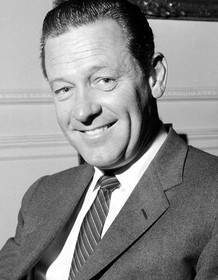
Al Walker (William Holden)
Played by William Holden
A prison escapee and violent killer who shoots the warden and forces a hostage situation at Collins’ vacation cabin. The story presents him as impulsive and volatile, driven more by anger than planning, yet intriguingly drawn to psychoanalytic ideas. His nightmares and a buried trauma surface as the narrative probes whether memory and therapy can curb his violence.
- 🧠 Psychology
- 💥 Crime
- 😡 Rage
-
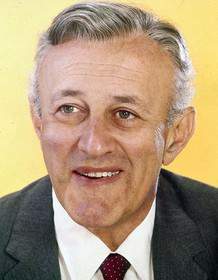
Dr. Andrew Collins (Lee J. Cobb)
Played by Lee J. Cobb
A police psychiatrist and professor who uses dream analysis to understand Walker and to guide his therapy. He remains calm and analytical, attempting to translate clinical insight into a possible cure for criminal behavior. The character embodies the era's faith in psychology as a tool for crime prevention, while facing ethical questions about influence and memory.
- 🧠 Psychology
- 🧭 Ethics
- 🧬 Science
- B(
Betty (Nina Foch)
Played by Nina Foch
Walker’s girlfriend who participates in the intrusion and guards the visitors with the gang. She is wary, calculating, and loyal to Walker, making her a dangerous ally in the criminal scheme. Her presence underscores how relationships can enable or destabilize criminal behavior.
- 🎭 Manipulation
- 🧩 Complicity
- 🌙 Nightmares
-
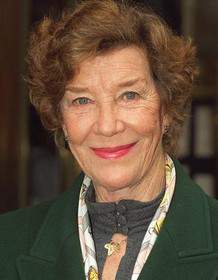
Ruth Collins (Lois Maxwell)
Played by Lois Maxwell
Carrying for her husband and child, she accompanies them to the vacation cabin to start the trip. She represents the domestic front and the stability that the antagonists threaten. Her role highlights the contrast between family life and crime, and the vulnerability of ordinary people under siege.
- 👪 Family
- 🛡️ Loyalty
- 🏡 Domestic life
-
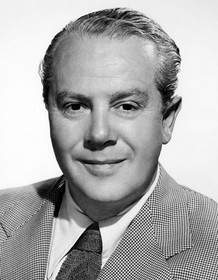
Prof. Fred Linder (Steven Geray)
Played by Steven Geray
A colleague who delivers a hunting rifle and notices the tension, becoming entangled in the event. His actions move the plot by revealing Walker’s escape and by creating the sense of imminent danger. He embodies the investigative mind that pushes Collins to analyze and respond.
- 🔬 Research
- 🔫 Danger
- 🧭 Mentor
Where and When Is The Dark Past Set?
The Dark Past is set in vacation cabin, secluded cove, prison and police headquarters (1940s). Here is why the time and place matter to the story.
When
1940s
The story unfolds in the late 1940s, a period marked by postwar anxiety and the rise of crime thrillers. The film employs noir aesthetics— stark lighting, urban isolation, and a focus on psychology as a tool for crime-solving. The era’s interest in psychoanalysis as a means to understand behavior informs Collins's approach to Walker's nightmares and memory.
Where
vacation cabin, secluded cove, prison, police headquarters
Most of the action takes place at a remote vacation cabin by a secluded cove, creating an isolated stage for the standoff. The setting gives a claustrophobic feel as the warden is killed and the hostages are held, forcing the characters to confront fear and power dynamics. The story also moves to a police headquarters and town roads as the authorities close in. The coastal environment and cabin’s interior contribute to the film noir mood and themes of confinement.
- 🏝️ Seaside
- 🏚️ Cabin hideout
- 🏛️ Police investigation
What Are the Themes of The Dark Past?
3 ideas the story keeps returning to, among them Memory and Trauma, Psychological Intervention and Justice and Mercy.
-
01
Memory and Trauma
Walker’s nightmares, rendered as stark imagery, reveal a childhood trauma—the moment his father was killed before his eyes, and his hand stained with his father's blood. Collins believes that recovering this memory could stop the cycle of violence, illustrating a faith in psychoanalysis common to the era. The film uses these flashbacks to explore how trauma reshapes behavior, even when the subject shows limited intellect. The question remains whether memory recovery alone can cure crime or merely illuminate its roots.
-
02
Psychological Intervention
Collins uses dream analysis and memory work to coax Walker toward a potential rehabilitation. The therapy is framed as a possible cure that could steer a violent man away from killing. The film also raises ethical questions about manipulating a suspect’s mind and the transparency of therapeutic goals. It frames psychology as a tool for crime prevention, reflecting contemporary faith in science.
-
03
Justice and Mercy
The narrative centers on whether rehabilitation is possible for a violent offender. Collins’s confidence in a therapeutic cure pits mercy against fear of relapse. The resolution suggests a protective outcome for society as much as redemption for Walker, prompting reflection on the limits of therapy in criminal justice.
What Kind of Film Is The Dark Past?
Tense in tone, with steady pacing and a moderate story, going by the plot summary.
- Tone
- Tense
- Pacing
- Steady
- Story
- Moderate
- Intensity
- High
- Ending
- Ambiguous
A tense and psychologically charged hostage drama that steadily builds claustrophobic suspense while delving into the traumatic past of a volatile criminal, creating a heavy and anxious viewing experience.
- tense
- claustrophobic
- anxious
- psychologically charged
- volatile
- suspenseful
- hostage drama
- psychological trauma
- crime and redemption
- psychoanalysis
Content notes: murder, hostage situation, childhood trauma, gun violence.
Quiz
How well do you remember The Dark Past? Test yourself on the story.
Where to Watch The Dark Past
. US availability and prices from JustWatch.
Streaming availability in the US, powered by