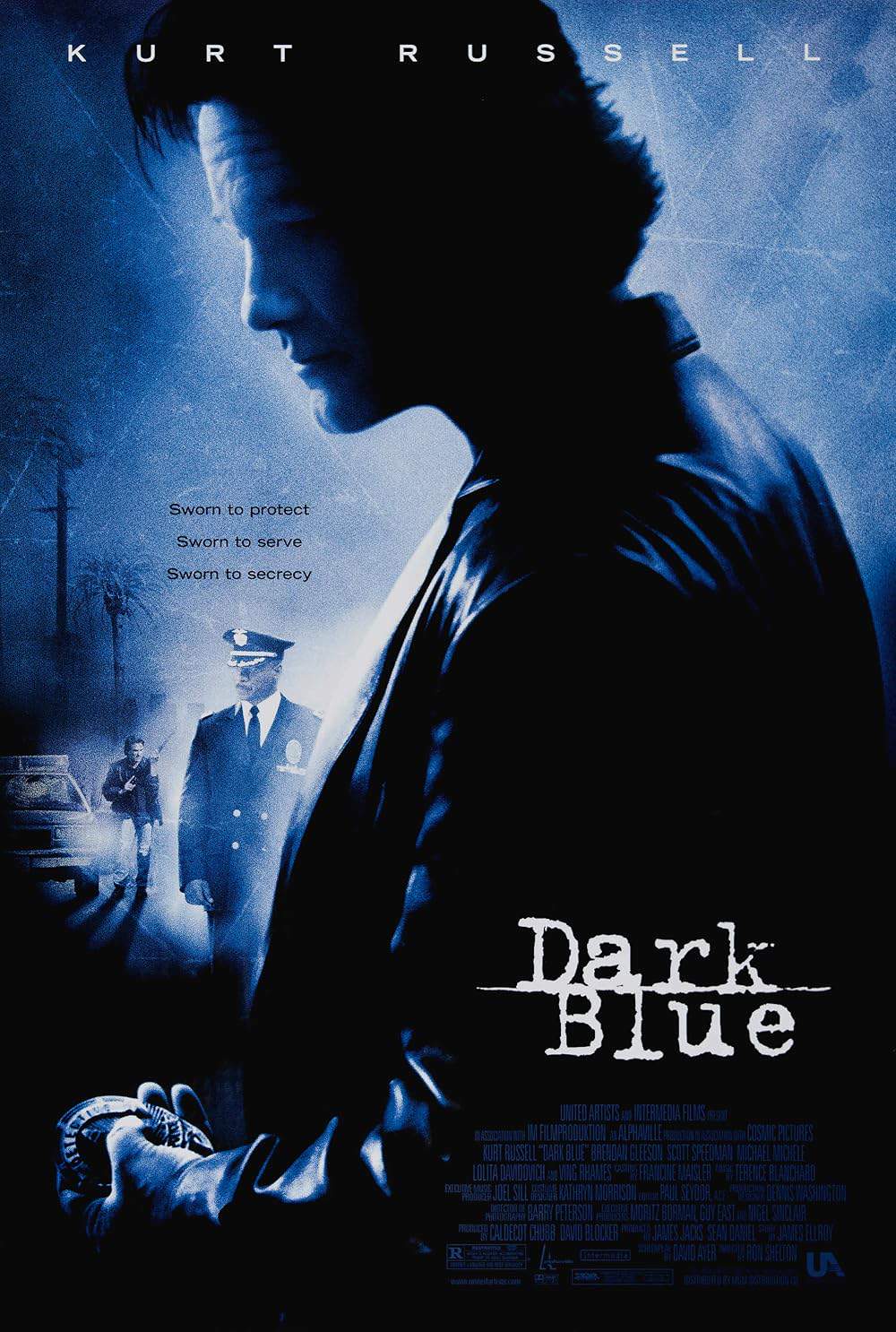
What Is Dark Blue About?
The premise of Dark Blue in 291 words, with nothing given away. The full story follows below.
Amid the simmering racial tensions of 1992 Los Angeles, the city feels like a powder keg ready to explode. Street corners pulse with unease, neighborhoods brace for the fallout of a shocking murder, and the looming specter of civil unrest hangs over every precinct. The atmosphere is gritty and documentary‑like, a blend of raw street energy and the tense bureaucracy of a police force trying to keep order while its own foundations tremble.
At the heart of this volatile environment is Eldon Perry, a seasoned LAPD sergeant whose experience is matched only by the weight of his conscience. Paired with the intense and conflicted Bobby Keough, a member of the elite Special Investigations Squad, the two navigate a maze of professional expectations and personal doubts. Their partnership is built on years of shared danger, yet the current climate forces each to question what loyalty means when the line between duty and morality blurs.
Overseeing them is Jack Van Meter, a calculating captain whose ambition often shades into manipulation. He embodies the department’s darker currents, where results are prized above transparency, and the pressure to deliver can push even the most disciplined officers toward compromise. The trio’s interactions reveal a hierarchy that is as much about survival as it is about authority, setting the stage for a clash between institutional imperatives and individual ethics.
The film’s tone is relentless and somber, painting a portrait of a city on the brink while delving deep into the inner lives of those sworn to protect it. As the riots roar in the background, Perry and Keough must confront their own flaws, the weight of their badges, and the unsettling truth that in a world teetering toward chaos, the greatest battle may be fought within themselves.
What Happens in Dark Blue?
The complete story of Dark Blue, from the first scene to the last, in 673 words (about 3 minutes). Spoilers throughout. Names in the text link to 3 cast member pages.
Spoilers ahead
In Los Angeles during 1992, a tense, morally gray mood grips the city as Eldon Perry, a seasoned LAPD sergeant, is seen pacing a dim motel room with a shotgun and a pistol, the weight of looming decisions pressing in from every angle. The story unfolds with a robbery at a neighborhood convenience store, where four people are killed and one wounded as two men, Darryl Orchard and Gary Sidwell, push to crack open an office safe. Tensions behind the badge start to mount even as Perry and his partner navigate professional and personal pressures.
Five days earlier, the film shifts to the fallout of a previous case: Perry stands by his partner, Bobby Keough, during an internal hearing about Keough’s use of deadly force. Although Keough is ultimately exonerated, the victory is bittersweet, and Perry’s sense of loyalty becomes intertwined with the questionable path ahead. The duo then celebrate Perry’s near-promotion with their powerful superior, Jack Van Meter, a corrupt captain who routinely pushes subordinates to manufacture evidence and bend the truth to fit a narrative that protects his own interests.
Van Meter assigns the pair to investigate the robbery, supplying Orchard and Sidwell with a false alibi and instructing them to pin the crime on someone else. As Perry and Keough begin to connect the dots, Assistant Chief Arthur Holland questions Perry’s testimony and suspects a larger web of corruption. His assistant, Beth Williamson, digs into the files and uncovers a long trail that hints at Perry’s possible ties to the kinds of secrets that could ruin them all. The investigation takes a dark turn when a warrant is obtained through dubious means and a SWAT raid targets the ex-cons who might serve as Perry’s fall guys, a plan designed to collapse on the very people tasked with exposing it.
One suspect escapes briefly but is ultimately captured; under Perry’s orders, Keough reluctantly shoots an innocent man, an act that leaves Keough shaken and haunted by the moral weight of what they’re doing. Back home, Perry learns that his wife is leaving him, a personal blow that echoes the larger professional collapse inching closer. Williamson tracks the same threads and confesses to her own private stake in the corruption, offering to testify against Perry, while Van Meter schemes to keep both Perry and the robbers as loose ends in a plot that could explode at any moment.
As the city teeters on the edge of chaos, Van Meter pushes the plan forward, engineered to force Perry and Keough to kill one another as the civil unrest of the LA riots erupts around them. The trio—Perry, Keough, and Williamson—end up converging at the robbers’ address, where Keough is killed by Orchard and Sidwell, and Williamson mourns the way things turned out, blaming Perry for setting the stage for their downfall. Perry makes the decisive call to intervene, chasing Orchard and Sidwell into the riot-slashed streets, even as the city’s chaos swallows up any hope of a clean resolution.
In the climactic aftermath, Sidwell is beaten to death in view of the turmoil, and Orchard is finally captured as Perry presses on toward the promotion ceremony. There, he confronts the corruption head-on, implicates Van Meter, and openly volunteers for arrest, choosing accountability over concealment as the riot’s embers fade around him. The film closes on a hard-edged note about duty, loyalty, and the costs of turning a blind eye to wrongdoing, with Perry stepping forward into the consequences of his choices.
Kurt Russell’s enduring performance at the center of this moral maelstrom anchors the drama, supported by Ving Rhames’s intense portrayal of a conflicted ally and Scott Speedman’s portrayal of a calculating superior. Kurt Russell delivers a steady, wary presence as [Eldon Perry], while Ving Rhames brings a powerful, unsettled energy to [Bobby Keough], and Scott Speedman embodies the chilling efficiency of [Jack Van Meter]. The film’s narrative braid—police ambition, corruption, family strain, and urban upheaval—unfolds with a relentless, documentary-like gravity that invites readers to ponder where loyalties truly lie when power corrupts.
Dark Blue Timeline: Every Key Event in Order
13 key events in the order they happen, from “Opening scene: Perry in motel with guns” to “Final confession at the promotion ceremony”. 13 events name a place, across 13 locations.
- 1
Opening scene: Perry in motel with guns
The film opens in Los Angeles in 1992 with LAPD Sergeant Eldon Perry pacing a motel room, clutching a shotgun and pistol. The tense setup hints at Perry's readiness for conflict and the volatility that will dominate the story.
When:Opening sequence, 1992 Where:Los Angeles motel room
- 2
Five days earlier: Robbery and deaths
Five days earlier, Darryl Orchard and Gary Sidwell rob a convenience store to reach an office safe. Four are killed and one wounded, triggering a chain of investigations and a looming web of corruption. The incident sets the stage for the subsequent betrayal and cover-up.
When:Five days earlier Where:Convenience store, Los Angeles
- 3
Internal hearing and Keough exoneration
Perry defends his partner Keough during an internal hearing about a previous use of deadly force and Keough is ultimately exonerated. The outcome elevates their status but foreshadows a darker pressure from within the department. The victory hardens the bond between Perry, Keough, and their corrupt superior.
When:Shortly after the robbery Where:Police HQ – internal hearing chamber
- 4
Promotion celebration with Van Meter
Perry and Keough celebrate Perry's impending promotion with their superior, Jack Van Meter. Van Meter is a corrupt cop who encourages fabricating evidence and uses subordinates to his own ends. The scene establishes the power dynamics that corrupt the investigation from the outset.
When:Immediately after hearing Where:Police precinct office
- 5
Van Meter seizes money from Orchard and Sidwell
Van Meter visits Orchard and Sidwell at their home and takes the money stolen from the safe, admonishing them for their reckless behavior. This act demonstrates his control over both criminals and officers. It also deepens the criminal lattice supporting the corruption.
When:That night Where:Orchard and Sidwell's house
- 6
The assignment with false alibis
Van Meter assigns Perry and Keough to investigate the robbery, providing a false alibi for Orchard and Sidwell and instructing them to pin the crime on someone else. The order taints the investigation from the start and sets in motion a deadly chain of events.
When:Shortly after the house visit Where:Police headquarters
- 7
Holland's doubt and Williamson's discovery
Assistant Chief Arthur Holland questions Perry's testimony, while Beth Williamson uncovers a casual-sex past with Keough. The double concern threatens to expose the conspiracy and increases the pressure to keep it hidden. Loyalties within the department start to fracture.
When:Around the same period Where:Police HQ
- 8
The raid and the killing of the innocent man
Using a dubious search warrant, a SWAT raid targets the ex-cons chosen as fall guys. One man escapes into a back alley but is captured, and Keough reluctantly kills him under Perry's orders. The scene marks the collapse of moral boundaries and intensifies Keough's internal crisis.
When:During the raid Where:Ex-cons' house and back alley
- 9
Perry's home life unsettled
Perry returns home to discover his wife leaving him, a personal consequence of the corrupt environment surrounding him. The separation deepens his isolation and fuels his willingness to pursue the scheme despite growing costs.
When:That night Where:Perry's home
- 10
Williamson and Keough's confession
Keough visits Williamson and admits to killing the innocent man, offering to testify against Perry to expose the corruption. Williamson sees both Perry and the robbers as loose ends and becomes entangled in the plot, blurring loyalties further.
When:Shortly after the raid Where:Williamson's workplace
Show the other 3 events of Dark Blue Hide the last 3 events
- 11
Riots erupt and the setup accelerates
As the Los Angeles riots erupt, Van Meter manipulates events to force Perry and Keough into a deadly confrontation. The social upheaval provides cover for their escalating feud and makes accountability seem distant. The stage is set for a final confrontation.
When:As riots begin Where:Los Angeles during riots
- 12
Alley confrontation and aftermath
Keough and Williamson drive to the robbers' address; Keough is killed by Orchard and Sidwell, while Williamson tearfully blames Perry for the carnage. Perry pursues Orchard and Sidwell through the chaotic streets, leading to Orchard's capture amid the mayhem.
When:During riots Where:Alleyways of LA
- 13
Final confession at the promotion ceremony
Perry goes to his promotion ceremony, confesses the corruption, implicates Van Meter, and volunteers himself to be arrested. The film ends with a grim sense of accountability, despite the personal costs and the fallout for everyone involved.
When:End of film Where:Promotion ceremony venue
Who Are the Main Characters in Dark Blue?
7 characters, among them Eldon Perry (Kurt Russell), Bobby Keough (Scott Speedman) and Jack Van Meter: who each one is and the part they play in the story. 2 of them link to the actor’s page.
-
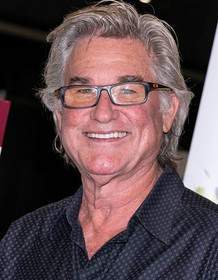
Eldon Perry (Kurt Russell)
Played by Kurt Russell
An LAPD sergeant whose calm, controlled demeanor masking a willingness to bend the law to protect his career and partners. He guides Keough toward a false lead and becomes the architect of a system that feeds on cover-ups. As the web closes in, Perry confronts the costs of a corrupt machine he helped sustain.
- 💼 Corruption
- 🤝 Loyalty conflict
- 🧭 Moral ambiguity
-
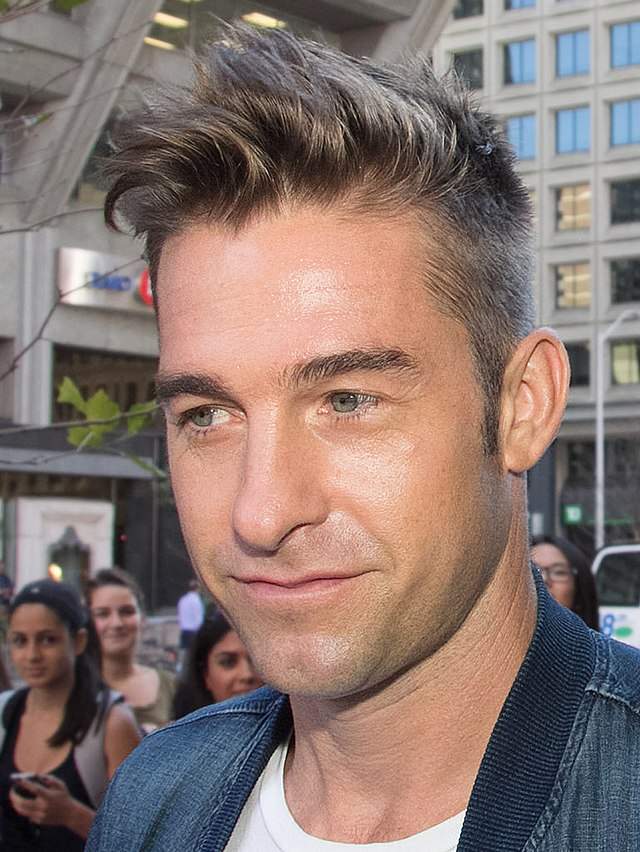
Bobby Keough (Scott Speedman)
Played by Scott Speedman
Perry's loyal but morally conflicted partner. He participates in the staged killings under orders and becomes a dangerous loose end in the corruption scheme. His internal conflict grows as he considers testifying, only to be drawn deeper into violence before his fate.
- 💔 Moral injury
- 🕯️ Conscience
- 🗡️ Violent consequences
- JV
Jack Van Meter
A corrupt superior who orchestrates the operation from behind the scenes, encouraging fabrication of evidence and manipulating Perry and Keough. He treats the robbers as expendable pieces to be eliminated to protect the hierarchy.
- 🏛️ Authority abuse
- 🔗 Manipulation
- 🕵️ Power behind the scenes
- DO
Darryl Orchard
One of the robbers whose actions trigger the chain of events. He is used as a tool by Van Meter and, along with Sidwell, becomes a focal point in the dirty pursuit of justice. His presence exposes the greed that fuels the crime.
- 💰 Robbery
- 🗡️ Violence catalyst
- 🤝 Rivalry
- GS
Gary Sidwell
The other robber whose actions set the plot in motion. He becomes a target as internal power plays unfold, and his fate underscores the brutal consequences of trying to control outcomes within a corrupt system.
- 💰 Robbery
- 🧳 Escalation
- 🗡️ Violence consequences
- BW
Beth Williamson
An investigator who uncovers connections between the case and Perry’s circle, and who becomes entangled in the political machinations surrounding the case. Her choices reveal the leakage points of the corrupt system.
- 🧭 Investigation
- 📜 Corporate secrets
- 🔎 Secret alliances
- AH
Arthur Holland
Assistant Chief who questions Perry's testimony and is wary of the corruption. He is part of the institutional machinery that enables cover-ups and internal scrutiny, driving the tension between truth and loyalty within the department.
- 🏛️ Authority
- 🔍 Internal probe
- 🧭 Bureaucracy
Where and When Is Dark Blue Set?
Dark Blue is set in Los Angeles and California (1992). Here is why the time and place matter to the story.
When
1992
The events unfold in 1992, a year defined by intense public scrutiny of the LAPD and rising social tensions in the city. The investigation and its consequences play out as the riots erupt, turning the crime drama into a larger confrontation with authority. The time period heightens the stakes, showing how systemic corruption can erupt into public chaos.
Where
Los Angeles, California
Los Angeles, California, serves as the urban backdrop for a noir-inspired police corruption tale. The story moves through motel rooms, private meetings, and back-alley confrontations, portraying a city under pressure from crime and power plays within the force. The tension peaks amid the 1992 Los Angeles riots, echoing the moral collapse at the story's center.
- 🌆 City setting
- 🚓 Police backdrop
What Are the Themes of Dark Blue?
3 ideas the story keeps returning to, among them Corruption, Guilt and Consequences and Unrest and Chaos.
-
01
Corruption
Powerful figures within the LAPD manipulate evidence and investigations to shield themselves. Perry and Keough are drawn deeper into a web of deception as their superior orchestrates cover stories and punishments. The film uses the corruption within the police to question the notion of justice and the cost of loyalty.
-
02
Guilt and Consequences
The killing of an innocent man under orders haunts Perry and Keough, highlighting the personal toll of following corrupt orders. Both men wrestle with guilt, fear, and the possibility of turning against the system they serve. The story treats moral injury as a central force driving the characters toward confession or ruin.
-
03
Unrest and Chaos
Set against the Los Angeles riots, the plot shows how civil upheaval magnifies the reach and consequences of police violence. The breakdown of order exposes the fragility of authority when confronted with street-level chaos. The riots serve as a climactic backdrop that tests loyalties and forces difficult choices.
What Kind of Film Is Dark Blue?
Dark in tone, with fast pacing and a moderate story, going by the plot summary.
- Tone
- Dark
- Pacing
- Fast
- Story
- Moderate
- Intensity
- High
- Ending
- Bittersweet
A grim and fast-paced police thriller that immerses the viewer in a world of escalating corruption and moral decay, set against the explosive backdrop of the LA riots for an intensely stressful and heavy experience.
- gritty
- morally gray
- tense
- anxious
- corrosive
- cynical
- police corruption
- moral compromise
- urban unrest
- loyalty and betrayal
Content notes: police brutality, murder, corruption, riots and civil unrest.
Where to Watch Dark Blue
Stream it on Fandango at Home Free and The Roku Channel, or rent or buy it from Amazon Video and Apple TV Store. US availability and prices from JustWatch.
Stream 4
 Fandango at Home Free
  The Roku Channel
  Tubi TV
  YouTube Free



Streaming availability in the US, powered by