
The Blue Max 1966

Directed by
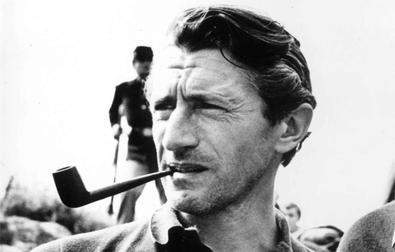
John Guillermin
Made by

20th Century Fox
The Blue Max Plot Summary
Read the complete plot summary and ending explained for The Blue Max (1966). From turning points to emotional moments, uncover what really happened and why it matters.
German Corporal Bruno Stachel, George Peppard, leaves the brutal trenches of World War I to pursue the sky as a fighter pilot in the German Army Air Service. Coming from modest roots—his father ran a small hotel—Stachel is determined to prove himself and, by spring 1918, set his sights on Germany’s highest honor, the Blue Max, a medal earned by shooting down twenty enemy aircraft.
Oberleutnant Willi von Klugermann, Jeremy Kemp, resents the idea that a commoner could rival him, while their commanding officer, Hauptmann Otto Heidemann, Karl Michael Vogler, clings to a chivalric code and the traditional laws of war that clash with Stachel’s merciless drive for personal glory. On Stachel’s first mission, he shoots down a British S.E.5, but there are no witnesses to register the kill, leaving him with no credit. He hunts the wreckage afterward, giving the impression that he cares more about vanity than the life of his fallen comrade.
During a later engagement, Stachel attacks an Allied two-man reconnaissance aircraft and disables the rear gunner on another sortie, then signals the pilot to fly toward Stachel’s airfield. As they near the base, the rear gunner comes to life and reaches for his machine guns, but Stachel shoots the aircraft down anyway. The act is seen by many as a potential war crime driven by personal glory, and Friedrich von Ledebur as Feldmarschall von Lenndorf later must weigh the optics of heroism against propriety.
The incident brings Stachel to the attention of Generaloberst Count von Klugermann, James Mason, who visits the base with his wife Kaeti, Ursula Andress, who is secretly entangled with Willi. The Count recognizes the propaganda value of a commoner hero and starts plotting the optics of Stachel’s rise.
After Stachel is shot down while heroically rescuing a red Fokker Dr.I, Richthofen—Manfred von Richthofen, Carl Schell—meets him in a nearby camp and offers a place in his famed squadron. Stachel declines, wanting to earn his status on Heidemann’s wing and “prove himself.” When a minor injury grounds him briefly, the General invites him to Berlin to help lift public morale, and Stachel spends the night with Kaeti.
On a mission escorting a reconnaissance aircraft, Stachel’s guns jam, but Willi once again demonstrates skill by downing three enemy planes. Willi prods Stachel into a flying contest back at base, under a railway viaduct, where Willi crashes fatally after his plane strikes a building. When Stachel reports Willi’s death, he claims Willi’s victories as his own, a lie that infuriates Heidemann. Yet the Air Service supports Stachel’s claims, and Heidemann’s protest clashes with the need to maintain a heroic narrative.
During a later strafing mission meant to cover the German retreat, Stachel disobeys orders and leads a risky dogfight that costs many pilots their lives. Heidemann confronts him again as the squadron suffers heavy casualties, and the two are ordered to Berlin. There, von Klugermann warns Heidemann that Stachel will be celebrated as a national symbol, and Heidemann is told to drop his report. Rather than bend to pressure, Heidemann resigns his command in defiance of the system.
That evening, Kaeti hints at fleeing to neutral Switzerland to escape the looming defeat, but Stachel refuses, remaining focused on the path he has chosen. The next day, the Crown Prince publicly bestows the Blue Max on Stachel, a ceremony that von Lenndorf attempts to halt after an investigation is opened into Stachel’s claims. The general senses that Kaeti has leaked information, and Heidemann warns that a new monoplane he tested is a dangerous death trap. In a final, chilling test of courage, von Klugermann urges, “Let’s see some real flying.” Stachel’s performance in the air proves fatal as the aircraft breaks apart, crashing in a dramatic, devastating end to his ascent.
“Let’s see some real flying.”
The film follows Stachel’s ascent and fall with a stark, morally complex look at what makes a hero—and what happens when the lines between valor and vanity blur in the heat of war.
The Blue Max Timeline
Follow the complete movie timeline of The Blue Max (1966) with every major event in chronological order. Great for understanding complex plots and story progression.
Bruno Stachel leaves the trenches to become a fighter pilot
Bruno Stachel heads from the brutal trench warfare of World War I into the German Army Air Service, driven by a need to prove himself. He aims to win Germany's Blue Max by shooting down 20 aircraft, despite his modest origins. The move marks a turning point from ground combat to the skies.
Rivalry with Willi von Klugermann emerges
Oberleutnant Willi von Klugermann resents having a commoner as his rival and resents Stachel's insertion into the elite air cadre. Hauptmann Otto Heidemann, an aristocrat who clings to chivalry and rules, becomes the moral counterpoint to Stachel's bold ruthlessness. The dynamic foreshadows a clash of class and ethics in the air.
First mission: an uncredited victory
On his first mission, Stachel shoots down a British S.E.5, but there are no witnesses to confirm the kill. He searches the countryside for the wreckage afterward, giving the impression that his pursuit is personal glory rather than concern for his fallen wingman. The lack of credit foreshadows the fragile legitimacy of his early fame.
A controversial strike: possible war crime allegations
During an attack on an Allied two-man observation aircraft, Stachel incapacitates the rear gunner of another plane and signals the pilot to fly toward his airfield. As they near safety, the rear gunner revives and fires, prompting Stachel to shoot the aircraft down. Heidemann views the incident as a potential war crime in pursuit of personal glory.
Propaganda value spotted by the Count
The Count von Klugermann visits the base with his wife Kaeti, who is secretly involved with Willi. The Count sees the propaganda value of a commoner becoming a hero and begins to shape the narrative around Stachel for broader morale.
Meeting the Red Baron and a choice
Stachel is shot down while rescuing a red Fokker Dr.I from two British fighters and is introduced to Manfred von Richthofen, the Red Baron. Richthofen offers Stachel a place in his squadron, but Stachel declines, insisting on proving himself with Heidemann's unit.
Berlin assignment and Kaeti’s influence
When temporarily grounded by a minor injury, General von Klugermann orders Stachel to Berlin to bolster crumbling public morale. The general invites him to dinner, and Stachel spends the night with Kaeti, illustrating the entanglement of personal and political pressures around his career.
Guns jam; a fatal contest under the viaduct
On a mission escorting a reconnaissance aircraft, Stachel's guns jam, while Willi von Klugermann downs three enemy planes. Willi proposes a flying contest under a railway viaduct; his plane crashes into a building and he dies. Stachel reports Willi's death to Heidemann and inflates Willi's victories, drawing condemnation from Heidemann but backing from the Air Service.
Disobedience and the cost of glory
During a strafing mission to cover the retreat of the German Army, Stachel disobeys orders and drives the squadron into a dangerous dogfight. In the chaos, he racks up enough victories to finally qualify for the Blue Max, but at a high human cost, as many pilots are lost.
The Berlin showdown: court-martial or heroism?
Heidemann submits a report recommending a court-martial, and both men are ordered to Berlin. Von Klugermann tells Heidemann that Stachel will receive the Blue Max to lift public morale, then orders Heidemann to withdraw the report. Heidemann resigns in protest.
Kaeti’s escape plan
Kaeti visits Stachel and suggests fleeing to neutral Switzerland in the face of impending defeat. Stachel refuses, choosing a path that keeps him in the public eye and tied to his own ambitions.
The Blue Max ceremony and the leak
The Crown Prince bestows the Blue Max in a public ceremony, but Field Marshal von Lenndorf calls von Klugermann to halt the ceremony due to an ongoing investigation. The general realizes Kaeti leaked information, compromising the ceremony. Heidemann warns that the new monoplane is a death trap with weak struts, and von Klugermann pushes Stachel to display real flying.
The fatal demonstration of bravado
Stachel performs an aerial display in the new monoplane, pushing it beyond its limits. The aircraft breaks apart in mid-air and crashes, ending the public power fantasy with a tragic conclusion.
The Blue Max Characters
Explore all characters from The Blue Max (1966). Get detailed profiles with their roles, arcs, and key relationships explained.
Bruno Stachel (George Peppard)
A German fighter pilot from modest origins who joins the air service to prove himself. His relentless ambition and willingness to bend the rules push him forward, yet alienate allies and invite suspicion. He pursues victory at any cost, raising questions about what constitutes real courage in war.
Willi von Klugermann (Jeremy Kemp)
Aristocratic rival to Stachel who resents the commoner’s ascent. He embodies skill and pride, but the feud with Stachel foreshadows tragedy on the front. His death in a fatal crash underscores the peril of aerial competition and the fragility of prestige.
Otto Heidemann (Karl Michael Vogler)
A commanding officer who clings to chivalric codes and the laws of war. He clashes with Stachel’s methods and disapproves of personal glory overshadowing duty. His stance precipitates conflict and a pivotal confrontation over the awarding of the Blue Max.
Count von Klugermann (James Mason)
A senior General who recognizes Stachel as propaganda fuel. He maneuvers through political pressure and personal vanity, balancing morale with grim reality. His decision to influence the award process reveals the manipulation behind national heroism.
Countess Kaeti von Klugermann (Ursula Andress)
Willi’s wife and a catalyst for critical revelations. Her discreet affair exposes the strain of aristocratic life and loyalties. She engineers a leak that stirs intrigue, and she suggests fleeing to neutral Switzerland, showing a pragmatic but morally compromised streak.
Manfred von Richthofen (Carl Schell)
The Red Baron who appears as a legendary mentor figure, offering Stachel a path into an elite squadron. His presence frames Stachel’s ambitions within the mythos of fighter pilots and the heroism celebrated in wartime culture.
The Blue Max Settings
Learn where and when The Blue Max (1966) takes place. Explore the film’s settings, era, and how they shape the narrative.
Time period
Spring 1918
In spring 1918, Europe teeters on the edge of a turning point in World War I. The German Air Service fights to sustain morale and prestige as the war drags on. The period is defined by rapid aerial combat, shifting tactics, and the pressure to manufacture a national hero.
Location
Western Front, Berlin, Switzerland
Set on the German side of the Western Front, the film follows dogfights over the trenches and airfields of World War I. Berlin also serves as the center of propaganda and military decision-making. Switzerland is referenced as a possible refuge, underscoring the looming defeat and the desire to escape.
The Blue Max Themes
Discover the main themes in The Blue Max (1966). Analyze the deeper meanings, emotional layers, and social commentary behind the film.
🎖️
Moral Heroism
Bruno Stachel pursues personal glory as he rises through the ranks, testing the line between skill and ethics in warfare. The story questions whether heroism is earned through merit or manufactured for propaganda. The tension between individual ambition and military discipline exposes the costs of a war built on spectacle.
🏅
Class Rivalry
Stachel’s humble origins clash with the aristocratic air corps, highlighting a rigid social hierarchy within the military. Willi von Klugermann’s resentment and the prestige of old lineage fuel a dangerous rivalry. The competition influences loyalty, trust, and decision-making under fire. The film uses this conflict to critique meritocracy in a war regime.
📣
Propaganda Morale
Leaders manipulate hero narratives to sustain public morale and a collapsing war effort. The Blue Max ceremony becomes a political instrument rather than a pure act of valor. As truth wrestles with spectacle, personal costs are hidden from the public eye. The story shows how propaganda can drive perilous choices.

Coming soon on iOS and Android
The Plot Explained Mobile App
From blockbusters to hidden gems — dive into movie stories anytime, anywhere. Save your favorites, discover plots faster, and never miss a twist again.
Sign up to be the first to know when we launch. Your email stays private — always.
Explore the mobile appThe Blue Max Spoiler-Free Summary
Discover the spoiler-free summary of The Blue Max (1966). Get a concise overview without any spoilers.
In the waning days of 1918, the film opens over the churn of the Western Front, where mud‑caked trenches give way to the cold, open sky that has become a new battlefield. The German Air Service, a glittering and deadly arena, is portrayed with a stark mixture of soaring beauty and brutal realism, its pilots chasing honor amid the wreckage of a collapsing war. The tone is lean and tense, a blend of gritty war‑movie texture and the restless ambition of young men who see the clouds as a path to glory.
At the heart of this world is Bruno Stachel, a modest‑born soldier who trades the infantry’s damp trenches for the cockpit of a fighter plane. Determined to overcome the prejudice of his humble upbringing, he sets his sights on the coveted Blue Max—Germany’s highest aerial award, granted only after twenty confirmed victories. His drive is matched only by the doubts of those around him, shaping a personal quest that feels both intimate and emblematic of a nation craving heroes.
The squadron’s hierarchy pits Willi von Klugermann, an aristocratic officer with a keen sense of tradition, against the more pragmatic Otto Heidemann, a commander who clings to an old‑world code of chivalry even as the war demands harsher measures. Their contrasting attitudes create a simmering tension, with Stachel caught between the urge to prove himself and the expectations of a military culture that prizes both noble conduct and relentless results. The interplay of ambition, class, and honor fuels an undercurrent of rivalry that sharpens every flight.
Against this backdrop, propaganda and personal aspiration intersect, turning individual combat into a national spectacle. As Stachel fights to earn his place among the celebrated aces, the film hints at the cost of such ambition—both to the men who pursue it and to the broader war effort—leaving the audience to wonder how far a single pilot will go before the sky itself becomes a cage.
Movies with Similar Twists and Themes
Uncover films that echo the narrative beats, emotional arcs, or dramatic twists of the one you're exploring. These recommendations are handpicked based on story depth, thematic resonance, and spoiler-worthy moments — perfect for fans who crave more of the same intrigue.
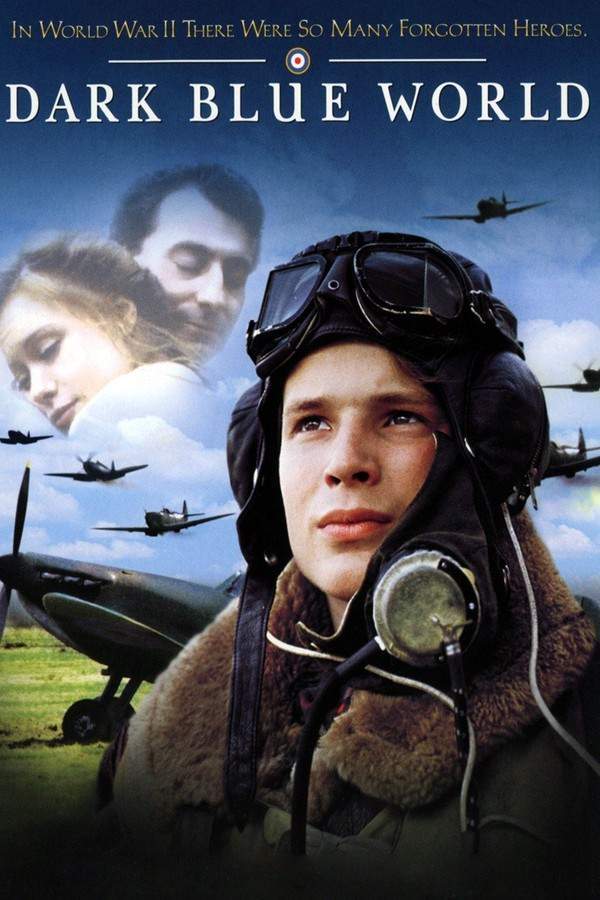
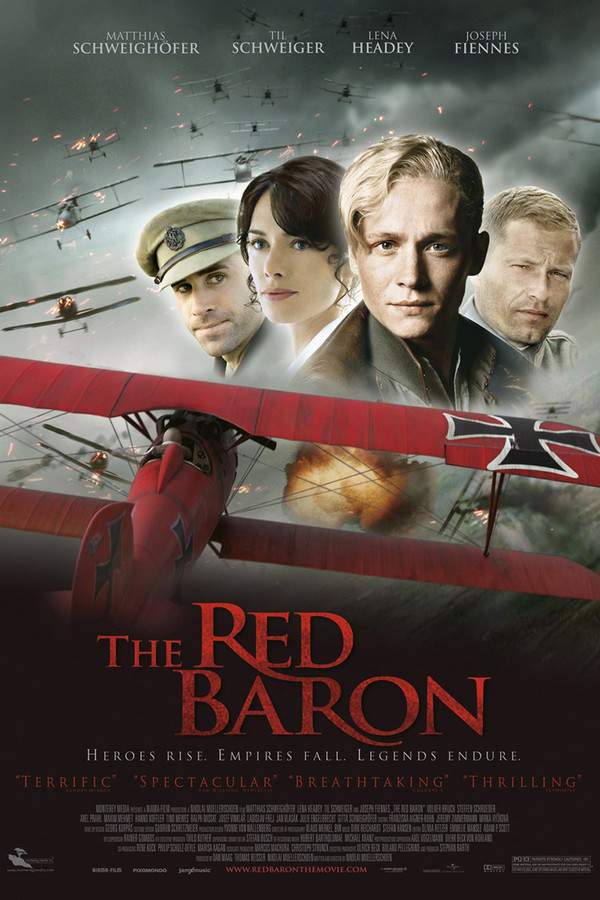
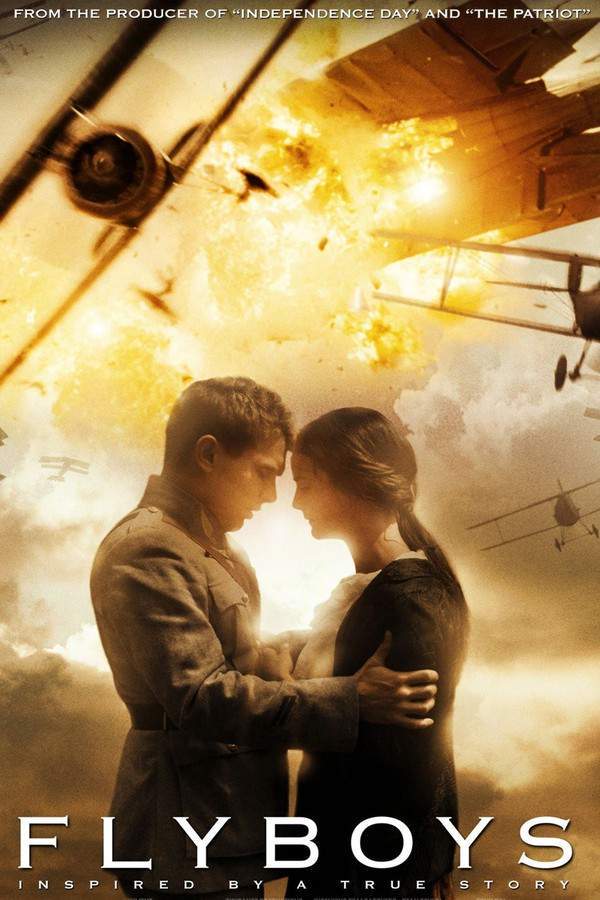


Featured on this page

What's After the Movie?
Not sure whether to stay after the credits? Find out!
Check out our other apps:

SAT Sphere
Build confidence for the Digital SAT.

Mori Atlas
Discover wild places worth protecting.

Luntero
Search smarter for a home in Amsterdam.

Plot Explained
Unravel movie endings and hidden clues.

Pokechamp
Dive into Pokémon data and battle logic.

Driving Theory
Get ready for your European theory test.

Movie Dust
Plan your next cinema trip with ease.

Musemap
Find art and culture as you travel.

Selkobase
Compare credentials before committing.

Local Manual
Turn an unfamiliar country into practical next steps.

Lernavi
Compare school systems before your next move.

GymRoam
Find a workout stop wherever your plans take you.
Explore Our Movie Platform
New Movie Releases (2026)
Famous Movie Actors
Top Film Production Studios
Movie Plot Summaries & Endings
Major Movie Awards & Winners
Best Concert Films & Music Documentaries
Movie Collections and Curated Lists
© 2026 What's After the Movie. All rights reserved.
Privacy Policy