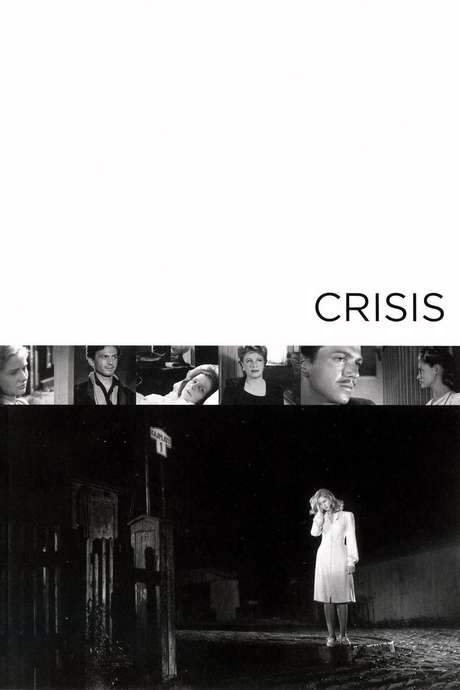
What Is Crisis About?
The premise of Crisis in 296 words, with nothing given away. The full story follows below.
In a sleepy Swedish village where the rhythm of life is set by the toll of church bells and the soft echo of piano lessons, a modest rooming house doubles as a sanctuary for the townsfolk. The house is run by a dedicated piano teacher whose hands have guided countless local youths through scales and arpeggios, while her own modest means keep the hearth warm but the future uncertain. The surrounding landscape—quiet streets, a placid lake, and fields that stretch toward the horizon—creates a world that feels both timeless and gently intimate.
At the heart of this quiet world lives a tight‑knit pair: a devoted foster mother and her bright, eighteen‑year‑old foster daughter. Ingeborg has sacrificed much, offering the stability of a mother’s love while nurturing Nelly’s talent and confidence within the walls of her home. Their bond feels almost familial, a steady anchor amid the village’s slow pace. Around them, the community moves with a calm familiarity; a young lodger who admires Nelly from a distance, friends who gather for modest celebrations, and the everyday whispers of a place that values tradition as much as tenderness.
The delicate balance is upended when Jenny, Nelly’s biological mother, arrives from the city, her presence a swirl of bright hats, painted nails, and an air of freedom that contradicts the village’s measured calm. Her return brings with it the tantalising promise of a life beyond the familiar streets, igniting questions of identity, belonging, and the pull between the safety of a loving home and the allure of a world she has never known. As the three women stand at this crossroads, the film settles into a contemplative tone, inviting the audience to feel the quiet tension between duty, desire, and the possibilities that lie just beyond the horizon.
What Happens in Crisis?
The complete story of Crisis, from the first scene to the last, in 424 words (about 2 minutes). Spoilers throughout. Names in the text link to 5 cast member pages.
Spoilers ahead
From a quiet Swedish village, the 18-year-old Nelly begins to realize how her beauty stirs attention among the men around her, even as she lives with her devoted foster mother, Ingeborg, who runs a humble rooming house and teaches piano to the village youth, having sacrificed much for her foster daughter. With Ingeborg’s health faltering, Nelly’s biological mother, Jenny, returns in a striking hat, painted nails, and a freer air, intent on reclaiming her long-abandoned daughter and drawing her toward the tempting life of the city.
Jenny’s plan centers on meeting Nelly at a charity ball, where a dapper, soon-to-be-infamous acquaintance named Jack brings a new energy to the evening. Nelly’s admirer, Ulf, who rents a room from Ingeborg, watches the event unfold with mixed emotions. The ball devolves into chaos thanks to Jack’s exuberant antics, and the evening culminates in a charged lakeside kiss between Nelly and Jack. When Ulf discovers them, he confronts Jack and shames him, tossing him off a dock into the dark water.
Torn between her beloved Mutti-like guardian and the lure of urban life, Nelly decides to leave with Jenny and Jack for the city. In the metropolis, she works at her mother’s beauty salon, where she absorbs new airs of sophistication and makes friends in a world far from the village’s quiet rhythms. Ingeborg and Ulf grieve the split, yet they tell themselves to wait and allow Nelly to experience life to its fullest.
In the city, Jack spins a dangerous tale to seduce Nelly—claiming that he once murdered his pregnant wife and child while they slept by turning on the gas, an accusation he uses to test her trust. Nelly’s heart softens, and she agrees to accompany him to the police station, but the mood shifts as they retreat to a private moment and fall into each other’s arms. Jenny catches them in bed, and Jack storms out, later shooting himself off-screen. The revelation leaves Nelly shocked and disillusioned with city life, prompting a return to her hometown.
Back in the village, Ingeborg and Ulf receive her with a mix of sorrow and relief, and the film closes on a note of restored calm. Yet the story has sown a new intimacies beneath the surface: a quiet, growing bond between Nelly and Ulf, hinting at a future beyond the village’s former routines. The rhythm of life settles again, and the small town regains its old slow pace, now subtly touched by the experience that reshaped one young woman’s view of love, desire, and the world beyond.
Crisis Timeline: Every Key Event in Order
12 key events in the order they happen, from “A quiet life in the village” to “A budding romance with Ulf”. 12 events name a place, across 5 locations.
- 1
A quiet life in the village
Nelly, an innocent 18-year-old, lives with her foster mother Ingeborg in a small Swedish village. Ingeborg runs a rooming house and teaches piano to local youth, sacrificing much for Nelly. Nelly is on the verge of womanhood and begins to sense the attention her beauty draws from the men in town.
When:Opening Where:Small Swedish village
- 2
Jenny returns to claim Nelly
Nelly's biological mother, Jenny, returns to town wearing a fancy hat and a bold air, eager to reclaim her long-abandoned daughter. She plans to take Nelly away to the city to sample a life of urban pleasures and independence. Nelly feels torn between Ingeborg's care and the lure of city life.
When:Early on Where:Village
- 3
The charity ball and the scandal
At a charity ball, Jenny's arrangement to meet Nelly becomes evident, and Jack's disruptive charm turns the evening into a spectacle. His antics push the event toward chaos, testing the villagers' sense of propriety. Nelly senses the pull of city life even as the ballroom unravels.
When:Evening Where:Village charity ball
- 4
Lakeside kiss after the ball
Nelly and Jack slip away to the lakeside after the ball and share a passionate kiss under the night sky. The moment is observed by Ulf, Nelly's admirer who rents a room from Ingeborg. Ulf publicly humiliates Jack and shoves him off a dock into the lake.
When:Night Where:Lakeside, village
- 5
Decision to go to the city
Torn between leaving Ingeborg and joining Jenny in the city, Nelly ultimately decides to go with them. The decision marks a break with the life she has known in the village. Ingeborg and Ulf are saddened but resolve to wait and see what the city will teach her.
When:Following the scandal Where:Village
- 6
Arrival in the city
In the city, Nelly works in Jenny's beauty salon, absorbs urban manners, and makes new friends who flatter her. She gains an air of sophistication and distance from her old life, while Ingeborg and Ulf watch from afar. The experience signals a new chapter in her identity.
When:Soon after arrival Where:City
- 7
Jack's seduction tale
Jack seduces Nelly by claiming he once murdered his pregnant wife and child in their sleep, a manipulation to win her trust. His tale unsettles her, and she agrees to accompany him to the police station, but they first share a romantic embrace. The lie’s plausibility tempts her to surrender to the city’s dangerous allure.
When:Evening Where:City
- 8
Truth revealed and anger erupts
Jenny reveals that Jack's murder story was a sham and that he never harmed his family. Jack leaves in a rage, leaving Nelly stunned by the cruelty behind his charm. The illusion of the city life begins to crumble around her.
When:Shortly after revelation Where:City
- 9
Jack's suicide
Shortly after his departure, Jack shoots himself off-screen, a stark and fatal end to the manipulation he personified. Nelly is left reeling from the violence behind the tale he spun. The city, once a lure, now feels hollow and dangerous.
When:Soon after Where:City
- 10
Return to the village
Disenchanted, Nelly returns to her hometown and reunites with Ingeborg and Ulf. The quiet village resumes its routine, but the experience has left a wake of memory in the faces of its residents. The contrast between the ease of village life and the lure of the city is now clear.
When:Return home Where:Village
- 11
Normal life resumes with new tension
Back in the village, life returns to normal but with a subtle tension as Ingeborg's care and Ulf's quiet concern ground Nelly's experiences into a more mature outlook. Ingeborg remains a steady presence, while Ulf's support hints at deeper feelings. The community settles in, watching how past events shape the future.
When:Ending Where:Village
- 12
A budding romance with Ulf
The film closes with a hint of romance blooming between Nelly and Ulf as they begin to explore a future together. The village offers stability, while Nelly carries lessons from the city into a gentler, steadier life. Ingeborg's steadfast love remains a quiet, guiding force.
When:Ending Where:Village
Who Are the Main Characters in Crisis?
5 characters, among them Nelly (Inga Landgré), Ingeborg and Miss Jenny (Marianne Löfgren): who each one is and the part they play in the story. 4 of them link to the actor’s page.
-
Nelly (Inga Landgré)
Played by Inga Landgré
An innocent 18-year-old girl who is awakening to how her beauty affects men's attention. She is torn between her beloved foster mother Ingeborg and the lure of urban life. Her choices drive the drama as she seeks belonging and self-definition, eventually returning home with a cautious, budding bond with Ulf.
- 🌸 Innocence
- 💃 Awakening
- 👀 Gaze
- I
Ingeborg
A stern but caring rural matron who runs a rooming house and teaches piano to village youth. She sacrifices much for Nelly’s safety and upbringing, embodying quiet duty and resilience. Her world is upended by Nelly’s departure, yet she remains a steady, waiting presence for the girl’s return.
- 🏡 Motherhood
- 🎭 Duty
- 💪 Sacrifice
- MJ
Miss Jenny (Marianne Löfgren)
Played by Marianne Löfgren
Nelly’s biological mother, a woman with a past of scandal who returns to the village with glamour and a beauty salon to lure her daughter toward city life. She seeks material comforts and urban sophistication, using charm to pull Nelly away from the village. Her plan becomes complicated when the revelation that Jack’s murder confession was a deception comes to light.
- 💄 Glamour
- 🕶️ Deception
- 🌆 City life
- J(
Jack (Stig Olin)
Played by Stig Olin
A dapper, manipulative visitor who follows Jenny to the village and uses a sensational murder story to entice Nelly into the city. He seduces with charm and danger, revealing a willingness to reshape truth for personal gain. After a failed deception, he shoots himself off-screen, leaving Nelly shaken and disillusioned.
- 💼 Charmer
- 🗡️ Deception
- 🔚 Tragedy
- U(
Ulf (Allan Bohlin)
Played by Allan Bohlin
Nelly’s admirer who rents a room from Ingeborg. He is protective, patient, and quietly loyal, forming a gentle bond with Nelly as the village returns to its calm rhythm. His presence offers a steady counterpoint to the city’s temptations and a hopeful note for a possible future.
- 💖 Lovelorn
- 🏡 Loyal
- 🌱 Hope
Where and When Is Crisis Set?
Crisis is set in Small Swedish village and The city. Here is why the place matters to the story.
Where
Small Swedish village, The city
The story is anchored in a quiet Swedish village where Ingeborg runs a rooming house and teaches piano. A charity ball and the lakeside setting anchor village social life and hint at a broader, urban world beyond. The city later becomes a focal point, revealing glamour, danger, and the temptations that pull Nelly away before she returns to her roots.
- 🏡 Village
- 🏙 City
What Are the Themes of Crisis?
3 ideas the story keeps returning to, among them City Life, Motherhood and Beauty.
-
01
City Life
The lure of urban sophistication challenges rural virtue as Nelly is drawn to the ballroom crowds and the flattery of city men. The film contrasts glittering social scenes with the village’s more rigid moral codes, exposing the fragility of innocence. As Nelly moves toward the city, the tension between freedom and responsibility grows, shaping her choices and identity.
-
02
Motherhood
Ingeborg embodies quiet sacrifice as a nurturing foster mother who shelters Nelly from harsher realities. Jenny’s return throws the mother-daughter bond into relief, testing loyalties between nurture, affection, and self-interest. The story frames motherhood as both a source of stability and a battleground for competing desires. The waiting moment at the film’s end hints at a fragile future for their makeshift family.
-
03
Beauty
Nelly’s beauty becomes social currency, shaping how others treat her and how she perceives herself. The male gaze and romantic fantasies tempt her toward quick, risky choices, as seen in Jack’s manipulative storytelling. The film scrutinizes whether appearance defines truth or merely disguises deeper desires. Ultimately, Nelly’s return to the village suggests a reconsideration of value beyond looks.
What Kind of Film Is Crisis?
Melancholic in tone, with slow pacing and a moderate story, going by the plot summary.
- Tone
- Melancholic
- Pacing
- Slow
- Story
- Moderate
- Intensity
- Medium
- Ending
- Bittersweet
A slow-paced, melancholic drama exploring the tension between quiet rural life and urban temptation, marked by emotional sacrifices, a tragic suicide, and a bittersweet return to a simpler existence.
- melancholic
- reflective
- quiet
- tense
- somber
- hopeful
- small town life
- coming of age
- mother daughter relationship
- sacrifice
Content notes: suicide, suicide by gunshot.
Quiz
How well do you remember Crisis? Test yourself on the story.