
Autumn Sonata 1978

Directed by
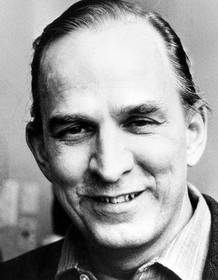
Ingmar Bergman
Made by

Suede Film
Autumn Sonata Plot Summary
Read the complete plot summary and ending explained for Autumn Sonata (1978). From turning points to emotional moments, uncover what really happened and why it matters.
Eva, [Liv Ullmann], wife of Viktor, [Halvar Björk], the village pastor, invites her mother Charlotte, [Ingrid Bergman], a world-renowned pianist who has lived a cosmopolitan life and survived several marriages, to visit her quiet rural home after seven years apart. Eva, though a capable pianist in her own right and a loving mother and caretaker, values the steadier, quieter life she has carved out as a wife and mother, especially as she tends to her disabled sister Helena, [Lena Nyman], who can only speak in fragments that Eva alone seems to understand. The distance between Eva and Viktor weighs on their marriage; it is built on respect and shared responsibility, not on passionate love, and the memory of a drowned son, Erik, who died just before he turned four, lingers as a private sorrow that fuels Eva’s emotional reserve.
From the moment Charlotte arrives, the household feels charged with a complicated history. Charlotte’s presence is both commanding and discomforting: she is flamboyant, acutely aware of her own genius, and her cosmopolitan fortune and fame contrast sharply with Eva’s modest, domestic life. The meeting is not simply a family reunion but a collision of generations, temperaments, and unspoken demands. Charlotte, though amused by the domestic setting and the family’s routines, senses the emotional distance that has grown between her and her daughter and, more broadly, within the family. As soon as Helena is revealed to be living there, Charlotte’s initial relief gives way to unease, and she offers a wristwatch as a gift, a gesture that feels generous yet strangely removed from the day-to-day life she has never fully shared or understood.
Music becomes a quiet battlefield and a bridge at the same time. When Eva sits at the piano and plays Chopin’s Prelude No. 2 in A minor, Charlotte responds with a version of the piece that is both technically flawless and emotionally precise, reframing the music in a way that lays bare their different artistic sensibilities and life experiences. The moment underscores the broader tension between Eva’s restrained, practical love and Charlotte’s expansive, almost invulnerable artistic selfhood. Later, Charlotte speaks of giving Eva a family car and of flying home to buy a new one, a gesture that appears generous but also hints at a longing to rewrite or sever certain memories and responsibilities that have anchored her family for years.
Night falls with a sensation of unsettled sleep and a vivid, shared fear. Charlotte is awakened by a nightmare in which one of her daughters seems to choke her, a dream that feels more than personal—it seems to echo a fear about the fate of the lineage and the emotional health of the family. Eva wakes and follows her mother into the living room, and what follows is a charged, unflinching conversation about the past. The two women circle memories of failed closeness, perceived neglect, and the pressure of motherhood. Eva accuses Charlotte of prioritizing career and personal life over her children, of emotional neglect, and even of pressuring her into an abortion when she had loved someone else. Viktor, listening from another room, chooses not to intervene, letting the truth-telling unfold without mediation.
Charlotte’s defensiveness gives way to candor as she confronts her own failings. She begins to acknowledge the emotional distance she created, the ways in which she may have prioritized her art and travels at the expense of her children’s needs, and she seeks forgiveness, exposing a vulnerable side that once seemed almost mercurial in contrast to Eva’s restraint. The confrontation is brutal, but it also opens a fragile doorway to reconciliation, even as the personal cost of honesty weighs heavily on both women.
Meanwhile, Helena’s fragile body and willpower become a separate thread of crisis. The childlike, aching cry—“Mama, come!”—filters through the house as Helena slowly drags herself toward the stairs, trying to reach something that Eva cannot fully restore or repair with a single act of care. The morning light brings a different rhythm to the house: Charlotte leaves by train with her agent, and she reflects on the unsettling encounter with Helena, asking herself a piercing, almost cruel question about life and death: > Why couldn’t she die?
Back at their home, Viktor makes a determined effort to ease Helena’s catastrophic emotional collapse, tending to her with a blend of practical care and desperate tenderness. Eva, in a moment of raw honesty, visits the grave of her deceased son, Erik, confronting suicidal thoughts that have hovered in the margins of her life as a mother and spouse. The weight of grief presses on her, and she returns home with a renewed, if fragile, sense of purpose.
In the climactic emotional arc, Eva pens an apology letter to her mother, a moment Viktor reads aloud, giving the scene a ritual quality that heightens the sense of unresolved family debt. The narrative shifts briefly to a vision where Eva appears to read the letter to Charlotte, before returning to Viktor, who seals the letter and leaves its ultimate fate uncertain. The film leaves viewers with a question of whether forgiveness can bridge generations, and whether the past can be truly reconciled with the present without costs that echo into the future.
This intimate drama turns on the quiet, almost clinical precision of memory and feeling: the way love can be both a shelter and a burden, how artistic genius meets domestic duty, and how a family navigates the shattered but persistent ache of what was lost. The performances—anchored by the commanding presence of Charlotte’s transgressive charisma and the restrained, searching heart of Eva—paint a portrait of a family at the edge of renewal, where forgiveness and forgiveness-seeking are laborious, fragile, and deeply human.
Autumn Sonata Timeline
Follow the complete movie timeline of Autumn Sonata (1978) with every major event in chronological order. Great for understanding complex plots and story progression.
Charlotte arrives at Eva's rural home
Charlotte arrives at Eva's rural home after seven years apart. Eva greets her with cautious warmth, while the arrival unsettles the quiet routines of the house. Helena already lives there, adding to the unspoken tension between generations. The visit begins with a charged atmosphere that promises difficult conversations ahead.
Helena living in the house shocks Charlotte
Charlotte is visibly surprised to find Helena living in Eva's home and reacts with discomfort. She nonetheless extends a gift, presenting Helena with a wristwatch. The moment highlights the emotional distance between mother and daughter and the unspoken pain of neglect. The atmosphere remains tense as night settles.
Eva plays Chopin; Charlotte offers a refined reinterpretation
Eva sits at the piano and performs Chopin's Prelude No. 2 in A minor, revealing her steadier but understated talent. Charlotte listens and then offers a technically refined version, exposing her superior artistic fluency. The exchange marks a subtle but sharp division between their talents and their shared history. The moment foreshadows the emotional reckoning to come.
Charlotte vows to gift the family car and fly home to buy a new one
Charlotte declares she will gift the family car and fly home to purchase a new one, presenting it as a generous gesture. The proclamation feels more like a gesture of control than a truly openhanded gift. The moment underscores a persistent emotional distance between mother and daughter. The evening thickens with unspoken questions about family responsibilities.
Nightmare jolts Charlotte; Eva is awakened
During the night, Charlotte is shaken by a nightmare in which one of her daughters appears to be choking her. Eva wakes, follows her into the living room, and they begin to talk, exposing the fear and guilt that haunt their family. The shared moment reveals how past traumas haunt the present. The night deepens the emotional storm.
Intense confrontation about past and motherhood
Mother and daughter engage in an intense confrontation about their past relationship. Eva accuses Charlotte of prioritizing her career and personal life over motherhood, and of emotionally neglecting her children. Viktor listens from another room and chooses not to intervene.
Charlotte confronts her failings; seeks forgiveness
Charlotte initially responds with disbelief and self-defense, then begins to acknowledge her failings. She admits emotional detachment and pleads for forgiveness, signaling a potential turning point in their relationship. The confrontation leaves room for fragile reconciliation amid remaining tensions.
Helena crawls toward the stairs, calling for Mama
Helena, believed to be worsened by Charlotte's neglect, painfully crawls out of bed toward the stairs, calling out, 'Mama, come!' Eva watches with a mix of sympathy and despair as the moment intensifies the family crisis. The scene heightens the urgency of care and connection in a fragile household.
Charlotte leaves by train; reflections on the night
In the morning, Charlotte departs on a train, accompanied by her agent, reflecting on the unsettling encounter with Helena. She voices a chilling question, 'Why couldn't she die?' as the carriage pulls away. The departure marks a physical and emotional distance from the family.
Viktor cares for Helena while Eva processes grief
Viktor desperately tries to ease Helena's severe emotional breakdown at home, showing calm resolve in caring for her. His quiet support contrasts with the family's fractured dynamics. The act underscores his role as stabilizing presence amid unresolved tensions.
Eva visits Erik's grave; battles suicidal thoughts
Eva visits the grave of her deceased son, confronting her grief and the gnawing sense of despair that accompanies loss. The visit exposes the depth of her emotional pain and the risk of self-harm thoughts. The moment deepens the portrayal of Eva's fragility and longing for relief.
Eva writes an apology letter to Charlotte; Viktor reads it aloud
Back at home, Eva sits down to write an apology letter to her mother, seeking some form of reconciliation. Viktor reads the letter aloud, revealing the family’s hidden vulnerabilities to the audience. The act moves the drama from private confession to audible expression.
Letter scene shifts; fate of the letter remains undecided
The scene shifts briefly to Eva reading the letter to Charlotte, before returning to Viktor sealing it, leaving its fate uncertain. The moment encapsulates the film's central tension between forgiveness and ongoing hurt. The audience is left with an open question about whether reconciliation will come.
Ending: forgiveness remains possible but unresolved
The film closes with the sense that forgiveness remains possible but unfinished, as the letter’s fate is left undecided. The family’s wounds and fragile bonds linger, hinting at a future where reconciliation could still occur. The ambiguous ending invites reflection on how memory and guilt shape intimate relationships.
Autumn Sonata Characters
Explore all characters from Autumn Sonata (1978). Get detailed profiles with their roles, arcs, and key relationships explained.
Charlotte (Ingrid Bergman)
An aging, world-renowned pianist whose cosmopolitan life contrasts with a quiet rural home. She is emotionally aloof, yet capable of a sharp, painful confrontation when challenged. Her visit triggers a reckoning over past neglect and the limits of forgiveness.
Eva (Liv Ullmann)
A wife, mother, and caretaker who manages a disabled sister and bears the weight of an emotionally distant marriage. She carries grief over her deceased son and seeks quiet resilience in the face of family turmoil. Her restrained demeanor hides deep emotional hurt.
Viktor (Halvar Björk)
The village pastor and Eva's husband, he embodies a calm, listening presence. He witnesses the escalating tension but often does not intervene, serving as a steady, stabilizing force in the room.
Helena (Lena Nyman)
Eva's paralyzed sister who communicates in fragmented speech; she is brought home from the hospital and becomes a focal point for the emotional crisis. Her fragility and simple plea for 'Mama' intensify the sense of vulnerability and urgency.
Autumn Sonata Settings
Learn where and when Autumn Sonata (1978) takes place. Explore the film’s settings, era, and how they shape the narrative.
Time period
Late 20th century
The story unfolds in a contemporary late-20th-century setting, prioritizing personal dialogue over public events. The era's mobility and travel—train rides, car gifts, and visits—frame the characters' relationships and the pace of the drama. Time is used to heighten the immediacy of the conflict and the possibility (or lack) of forgiveness.
Location
Rural village home
The film unfolds in a quiet, wood-paneled home in a small village, where private life plays out behind closed doors. The setting emphasizes privacy and intimate spaces—the piano room, the stairs, the kitchen—where emotions surface. The domestic space becomes a stage for a reckoning between mother and daughter.
Autumn Sonata Themes
Discover the main themes in Autumn Sonata (1978). Analyze the deeper meanings, emotional layers, and social commentary behind the film.
🕯️
Estrangement
The film centers on a mother-daughter clash that exposes deep-seated resentments and unreconciled history. Eva and Charlotte come from starkly different worlds—one domestic and grounded, the other cosmopolitan and restless—creating a rift that dominates the visit. Pride, memory, and past choices shape the present hurt, and forgiveness remains fragile.
💔
Grief
Grief threads through Eva's memories of a dead son and the unspoken losses within the family. Helena's paralysis sharpens the awareness of vulnerability and dependence, intensifying emotional stakes. Charlotte's detachment mirrors Eva's sorrow, forcing each character to confront what has been neglected. The film uses grief to reveal how people cope—silently or through confrontation.
🎼
Art vs Family
Charlotte's artistic identity collides with the duties of motherhood and care. Her piano prowess and interpretive skill reveal mastery but also emotional distance from those around her. Eva's quieter, domestic life stands in counterpoint to Charlotte's cosmopolitan world, highlighting competing values.
🗣️
Communication
The core conflict arises from miscommunication and guarded listening. Honest conversation triggers exposure of truths and defences that have long been kept in place. Viktor's restrained presence adds a layer of tension, making dialogue a delicate act. The letter that follows leaves forgiveness unresolved.

Coming soon on iOS and Android
The Plot Explained Mobile App
From blockbusters to hidden gems — dive into movie stories anytime, anywhere. Save your favorites, discover plots faster, and never miss a twist again.
Sign up to be the first to know when we launch. Your email stays private — always.
Explore the mobile appAutumn Sonata Spoiler-Free Summary
Discover the spoiler-free summary of Autumn Sonata (1978). Get a concise overview without any spoilers.
In the remote Swedish countryside, a modest farmstead sits amid evergreen pines and quiet fields, its rhythm dictated by seasons, church bells, and the soft murmur of domestic chores. The house, though simple, holds an undercurrent of unvoiced history, its walls echoing the notes of a life once lived on world‑stage venues. The quiet, almost reverent atmosphere is tinged with a lingering melancholy, a place where the expansive world of concert halls collides with the intimate cadence of everyday care.
Charlotte, a celebrated pianist whose career has carried her across continents and through several marriages, returns after a seven‑year absence to the home of her estranged daughter. There she meets Eva, a capable pianist in her own right, who has built a steadier, quieter existence as the wife of Viktor, the village pastor, and as the primary caretaker of Helena, Eva’s mentally‑impaired sister who now lives with them. The family’s daily life is marked by routine, modest comforts, and the weight of past grief, including the lingering sorrow of a child lost before his fourth birthday.
The encounter between mother and daughter is a study in contrasting worlds: Charlotte’s flamboyant confidence and global reputation clash with Eva’s restrained devotion to domestic responsibilities. Their relationship, framed by years of distance and unspoken expectations, is further complicated by the presence of Helena, whose fragile condition adds a layer of vulnerability to the household. Music becomes both a bridge and a battleground, hinting at the deep emotional currents that run beneath polite conversation.
The film’s tone is intimate and contemplative, using the stark beauty of the Swedish landscape and the quiet precision of piano performances to explore themes of duty, artistic longing, and the delicate process of confronting long‑held resentments. It invites the viewer into a world where love is measured in silences as much as in words, and where the possibility of reconciliation hangs in the air like a lingering chord.
Movies with Similar Twists and Themes
Uncover films that echo the narrative beats, emotional arcs, or dramatic twists of the one you're exploring. These recommendations are handpicked based on story depth, thematic resonance, and spoiler-worthy moments — perfect for fans who crave more of the same intrigue.



Featured on this page

What's After the Movie?
Not sure whether to stay after the credits? Find out!
Check out our other apps:

SAT Sphere
Build confidence for the Digital SAT.

Mori Atlas
Discover wild places worth protecting.

Luntero
Search smarter for a home in Amsterdam.

Plot Explained
Unravel movie endings and hidden clues.

Pokechamp
Dive into Pokémon data and battle logic.

Driving Theory
Get ready for your European theory test.

Movie Dust
Plan your next cinema trip with ease.

Musemap
Find art and culture as you travel.

Selkobase
Compare credentials before committing.

Local Manual
Turn an unfamiliar country into practical next steps.

Lernavi
Compare school systems before your next move.

GymRoam
Find a workout stop wherever your plans take you.
Explore Our Movie Platform
New Movie Releases (2026)
Famous Movie Actors
Top Film Production Studios
Movie Plot Summaries & Endings
Major Movie Awards & Winners
Best Concert Films & Music Documentaries
Movie Collections and Curated Lists
© 2026 What's After the Movie. All rights reserved.
Privacy Policy