What Is Crime School About?
The premise of Crime School in 250 words, with nothing given away. The full story follows below.
In the cramped, gritty neighborhoods of a forgotten city, a tight‑knit group of street kids—led by the quick‑witted Frankie Warren—make their living on the edge of the law. Their loyalty to one another is as fierce as the poverty that surrounds them, and every day is a fragile balance between survival and the ever‑looming threat of authority. When a sudden confrontation leaves Frankie unconscious, the boys collectively choose silence, a decision that propels them far from the alleys they know into the stark world of a state reformatory.
The reformatory itself looms as a cold, institutional maze where discipline is administered by a cadre of guards whose methods hint at something far more unscrupulous than mere order‑keeping. Into this environment arrives deputy commissioner Mark Braden, an official reputed for his reformist ideals. He brings with him a promise of change, a vision of humane treatment that clashes with the entrenched culture of the facility. By his side, driven by familial concern, is Frankie’s sister, Sue Warren, whose presence adds a personal stake to the unfolding tension.
As Braden attempts to steer the institution toward a more compassionate path, the existing power structures quietly resist. Whispers of sabotage begin to surface, suggesting that the very heart of the reformatory may be working against any hope of redemption. The film’s tone blends stark realism with moments of gritty camaraderie, painting a picture of young lives caught between the harshness of their environment and the faint, yet persistent, promise of a different future.
What Happens in Crime School?
The complete story of Crime School, from the first scene to the last, in 358 words (about 2 minutes). Spoilers throughout. Names in the text link to 11 cast member pages.
Spoilers ahead
A junk dealer does business with the Dead End Kids: Frankie Warren, Lester ‘Squirt’ Smith, Charles ‘Spike’ Hawkins, Richard ‘Goofy’ Slade, George “Fats” Papadopolous, and Timothy “Bugs” Burke. When the kids ask for a $20 payoff, he counters with an offer of only $5. Charles ‘Spike’ Hawkinss temper erupts, and he bludgeons the junk dealer, leaving him unconscious. The kids are arrested and brought to trial, where the judge, Judge Robert E. Clinton, sentences them to reform school after they refuse to name who struck the blow.
Inside the reform school, the warden, Morgan, is harsh and cruel, administering discipline and even flogging Frankie after a failed escape attempt. The superintendent of the state reformatories, Mark Braden, visits the school and uncovers evidence of Morgan’s subtle cruelty, such as feeding new inmates poor-quality food. He then goes to Frankie in the hospital ward and finds the doctor inebriated. As a result, Braden fires the doctor, Morgan, and four ex-convict guards, while keeping the head guard, Cooper. Braden takes charge of the reformatory and begins to win over the boys with thoughtful, steady treatment, all while pursuing a romance with Frankie’s sister, Sue Warren.
Meanwhile, Cooper fears Braden will uncover Morgan’s embezzlement of the food budget, and he learns that Spike is the one who dealt the blow to the junk dealer. He manipulates Spike into telling Frankie that Braden’s kindness is because of his sister’s approval—and, although untrue, the lie helps spur the boys to escape from the school in Cooper’s car, with Cooper armed. Frankie climbs the fire escape with the gun to confront Braden, but Sue Warren and Braden dispel Frankie’s suspicions.
As the escape plan unfolds, Cooper pretends to be unaware, while Morgan calls the press to discredit Braden and get him fired. Braden then drives the boys back to the reform school and tucked them into bed, just as the Commissioner, Frank Jaquet, arrives with the police for inspection. The scheming is exposed, Morgan and Cooper are arrested, and the boys are paroled into the care of their parents, ending the ordeal with a new sense of possibility and a chance to start over.
Crime School Timeline: Every Key Event in Order
12 key events in the order they happen, from “Spike's attack on the junk dealer” to “Parole and new beginnings”. 12 events name a place, across 6 locations.
- 1
Spike's attack on the junk dealer
A junk dealer offers the Dead End Kids only $5 for their goods, instead of the $20 they expect. Spike erupts in rage and bludgeons him unconscious, setting off a chain of consequences. The ensuing violence leads to the kids' arrest and formal charges.
Where:junk dealer's shop
- 2
Trial and reform school sentencing
The kids are brought to trial for the assault, and the judge refuses to identify the actual attacker. As a result, all of them are sentenced to reform school. The verdict marks the first major shift from street hustling to institutional punishment.
Where:courthouse
- 3
Warden Morgan's harsh discipline
Upon arrival at the reformatory, the harsh warden Morgan imposes strict discipline on the boys. Frankie is flogged after a failed escape attempt, illustrating the brutal regime. The scene establishes the environment the boys must endure.
Where:reformatory
- 4
Braden arrives and reshapes the reform school
Mark Braden, the reformatories' superintendent, arrives and begins to clean house. He fires the doctor, Morgan, and four ex-convict guards, signaling a major turn in the school's governance. He retains Cooper as head guard, signaling a new balance of power.
Where:reformatory
- 5
Braden takes charge and earns cooperation
Braden takes control of the reform school and wins over the boys with considerate treatment. His approach contrasts with the prior cruelty, earning their reluctant cooperation. The atmosphere shifts from punishment to a chance at reform.
Where:reformatory
- 6
Braden's romance with Sue Warren
Meanwhile, Braden begins a romance with Sue Warren, Frankie’s sister. The relationship adds a personal dimension to his authority and affects the dynamics at the reform school. The romantic subplot intertwines with the reform effort.
Where:Sue Warren's home
- 7
Cooper's blackmail scheme to undermine Braden
Cooper fears Braden will uncover embezzlement in the food budget, and he begins a blackmail scheme. He manipulates Spike into telling Frankie that Braden’s leniency is due to Sue's acceptance of him, twisting the truth to sow distrust. The plan aims to destabilize Braden’s reform efforts.
Where:reformatory
- 8
The escape and confrontation
The kids escape from the reform school in Cooper's car with his gun and head to Sue's apartment. Frankie climbs the fire escape to confront Braden, but Sue and Braden privately dispel Frankie's suspicions. The attempted confrontation ends without Braden being compromised.
Where:Sue's apartment
- 9
Morgan's press ploy and Braden under fire
Morgan calls the press to discredit Braden and pressure for his removal. The media siege adds public pressure on the reform program. Braden remains steadfast as allegations swirl.
Where:reformatory
- 10
Braden safeguards the boys and returns them to the reform school
Braden drives the boys back to the reform school and ensures they are settled in their beds before the inspectors arrive. He averts a potential scandal by demonstrating control and care. The timely return foils Morgan’s scheme.
Where:reformatory
- 11
The arrest of Morgan and Cooper
The Commissioner arrives for inspection with the police, exposing the fraud and cruelty. Morgan and Cooper are arrested as their crimes come to light. The reform program’s leadership is vindicated in the eyes of the authorities.
Where:reformatory
- 12
Parole and new beginnings
With the case settled, the boys are paroled into the care of their parents. The film closes on a tempered note of reform and rebuilt trust. The characters resume their lives with a chance at a better future.
Where:parents' homes
Who Are the Main Characters in Crime School?
11 characters, among them Mark Braden (Humphrey Bogart), Charles 'Spike' Hawkins (Leo Gorcey) and Frankie Warren (Billy Halop): who each one is and the part they play in the story. Every profile links to the actor’s page.
-
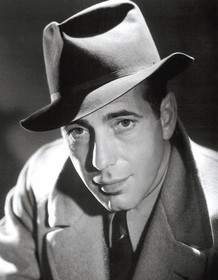
Mark Braden (Humphrey Bogart)
Played by Humphrey Bogart
The reform school’s new superintendent who arrives to end the cruelty and institute humane, constructive discipline. He fires the doctor and the four ex-convict guards, taking charge of the reformatory and earning the boys’ trust through fair treatment. He also pursues a romance with Sue Warren, showing a personal stake in the boys’ welfare beyond punishment.
- ⚖️ Justice
- 🤝 Reform
- 🏛️ Leadership
- C'
Charles 'Spike' Hawkins (Leo Gorcey)
Played by Leo Gorcey
A tough, impulsive member of the Dead End Kids who participates in the attack on the junk dealer, triggering the reform school ordeal. He is a key member of the group whose actions set the plot in motion and who becomes entangled in Cooper’s manipulations.
- 🕶️ Outlaw
- 👥 Gang Member
- FW
Frankie Warren (Billy Halop)
Played by Billy Halop
The most hot-tempered of the group whose strike against the junk dealer leads to arrest. He endures punishment at the reform school, and his sister Sue’s involvement helps Braden steer the boys toward reform. His arc centers on impulsivity and the possibility of redemption through care.
- 🔥 Hot-headed
- 🎯 Delinquency
- T'
Timothy 'Bugs' Burke (Gabriel Dell)
Played by Gabriel Dell
One of the Dead End Kids who is part of the reform school cohort. He contributes to the group dynamic inside the reform school and experiences the shift from punishment to reform under Braden’s leadership.
- 🎭 Youth
- 🤝 Teamwork
- SW
Sue Warren (Gale Page)
Played by Gale Page
Frankie’s sister who becomes a love interest for Braden. She plays a pivotal role in softening the boys’ resistance and bridging personal and institutional reform, culminating in Braden’s more compassionate approach to leadership.
- 💘 Romance
- 👩👧 Family ties
- M(
Morgan (Cy Kendall)
Played by Cy Kendall
The harsh warden of the reform school who embodies cruelty and self-interest. His misdeeds include flogging inmates and conspiring to hide his embezzlement of the food budget, driving conflict and illustrating the dangers of unchecked power.
- ⚔️ Cruelty
- 💰 Corruption
- C(
Cooper (Weldon Heyburn)
Played by Weldon Heyburn
The head guard who fears Braden’s reforms and tries to undermine them. He blackmails Spike, gets him to feed Frankie a false story about Braden’s generosity, and aids in the escape plot before his arrest.
- 🔫 Blackmail
- 🕵️♂️ Corruption
- C(
Commissioner (Frank Jaquet)
Played by Frank Jaquet
The official who arrives with the police to inspect the reform school after Morgan’s plot, representing external oversight and accountability in the system.
- 🏛️ Oversight
- 🕵️♂️ Accountability
- OD
Old Doctor (Spencer Charters)
Played by Spencer Charters
The aging doctor at the reform school who is found to be inattentive and inebriated. Braden fires him as part of the reform process to restore proper care.
- 💊 Neglect
- ⚖️ Reform
- ND
New Doctor (Donald Briggs)
Played by Donald Briggs
The replacement physician brought in as part of Braden’s reform, representing improved professional standards within the reform school.
- 🧑⚕️ Professionalism
- 🚫 Incompetence
- NP
Nick Papadopolos (Paul Porcasi)
Played by Paul Porcasi
The junk dealer who does business with the Dead End Kids and is attacked by Spike. His presence helps catalyze the early conflict that leads to the boys’ arrest.
- 💼 Small Business
- 🗝️ Plot device
Where and When Is Crime School Set?
Crime School is set in State Reformatories / Reform School. Here is why the place matters to the story.
Where
State Reformatories / Reform School
The story is set almost entirely inside a state reformatory, a juvenile facility where discipline is strict and routines are tightly controlled. The warden Morgan administers harsh punishments and oversees the staff, creating a grim environment for the boys. The reform school serves as the central stage for the clash between cruelty and reform, culminating in Braden’s dramatic transformation of the institution.
- 🏛️ Reform School
- ⚖️ Juvenile Justice
- 🗺️ United States
What Are the Themes of Crime School?
3 ideas the story keeps returning to, among them Reform & Redemption, Corruption and Care & Leadership.
-
01
Reform & Redemption
A harsh reform school is shown capable of change when treated with humane, consistent discipline. Braden replaces cruelty with care and structure, earning the boys’ trust through fair treatment. The narrative emphasizes second chances for troubled youths when authority chooses guidance over punishment. The romance with Sue Warren also underlines personal redemption woven into institutional reform.
-
02
Corruption
The plot reveals how power can corrupt even in a reform setting, with Morgan’s embezzlement of the food budget and Cooper’s blackmail schemes. Attempts to discredit Braden show how deceit thrives behind a veneer of reform. The eventual exposure of fraud underscores the need for accountability within institutions.
-
03
Care & Leadership
Braden’s leadership is defined by empathy and decisive action, extending beyond punishments to personal connections with the boys. His approach contrasts with the rigid, punitive system he arrives to reform, highlighting the impact of compassionate authority. The relationship with Sue Warren reinforces the idea that leadership can be strengthened by supportive, family-like bonds.
What Kind of Film Is Crime School?
Hopeful in tone, with steady pacing and a straightforward story, going by the plot summary.
- Tone
- Hopeful
- Pacing
- Steady
- Story
- Straightforward
- Intensity
- Medium
- Ending
- Happy
A gritty yet hopeful social drama set in a harsh reform school, generating tension through corrupt cruelty and escape attempts, but ultimately building to an uplifting climax of redemption and positive change.
- gritty
- hopeful
- tense
- suspenseful
- rebellious
- uplifting
- criminal rehabilitation
- corruption
- youth delinquency
- social reform
Content notes: flogging, child endangerment, cruelty to minors, corruption.
Quiz
How well do you remember Crime School? Test yourself on the story.
Where to Watch Crime School
. US availability and prices from JustWatch.
Streaming availability in the US, powered by