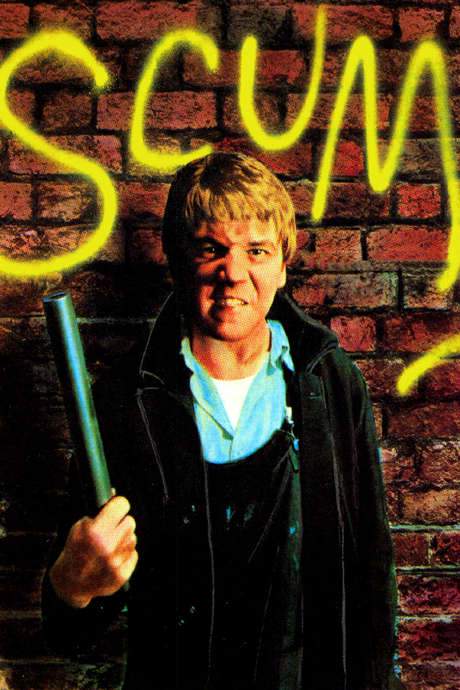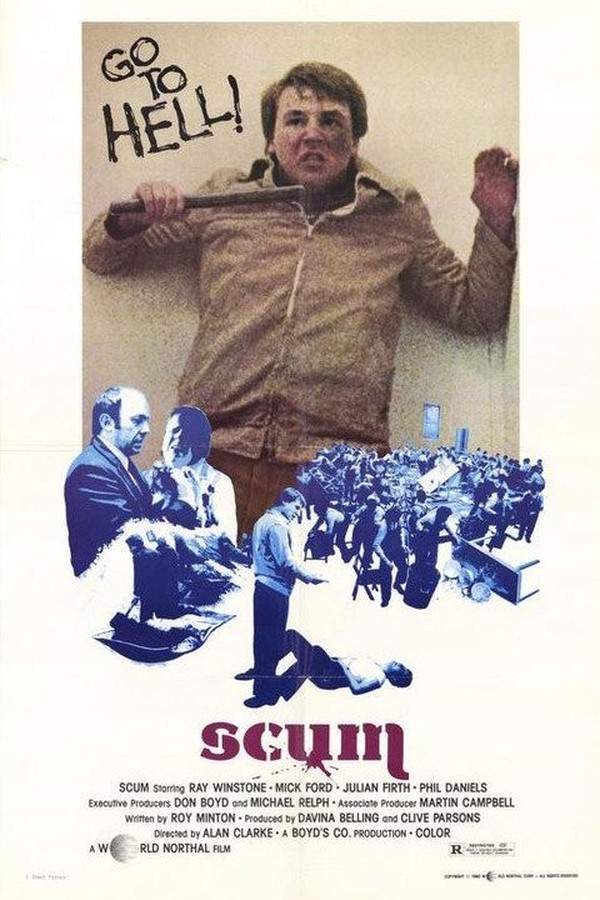
What Is Scum About?
The premise of Scum in 292 words, with nothing given away. The full story follows below.
The film opens within the grim walls of a 1970s British borstal, a place where iron bars and cold concrete speak louder than any official creed of reform. Every hallway echoes with the clatter of boots and the muted murmurs of boys whose futures have been reduced to daily survival. The atmosphere is dense with an oppressive sense of control, a regime that favors order above redemption, and the camera lingers on the stark textures of the institution to underline a world where hope is a scarce commodity.
The young inmate arrives fresh from the streets, thrust into this austere ecosystem with only instinct to guide him. He quickly learns that respect is bought with fists and fear, and that the unspoken code governing the boys is as rigid as the facility’s schedule. His presence sets the stage for a delicate balance between asserting himself and navigating an environment that rewards brutality over compassion.
Among the ranks, the thoughtful inmate stands out—a quiet figure who questions the very foundations of the system, seeking a path of non‑violence that seems out of place amid the prevailing aggression. His contemplative demeanor creates a subtle counterpoint, hinting at the possibility of resistance without bloodshed, even as the surrounding culture presses relentlessly against such ideals. Together, these two perspectives frame the central tension of the story: the clash between an unforgiving hierarchy and the flickering desire for something more humane.
Throughout, the film maintains a stark, almost documentary tone, using muted lighting and claustrophobic framing to immerse the viewer in the daily grind of the borstal. The mood is unrelenting yet thoughtful, inviting audiences to feel the weight of institutional oppression while wondering whether any of its inhabitants can ever truly break free from its grip.
What Happens in Scum?
The complete story of Scum, from the first scene to the last, in 274 words (about 1 minute). Spoilers throughout. Names in the text link to 1 cast member page.
Spoilers ahead
A young offender finds himself sent to a borstal, a term synonymous with “reform school” in American parlance. Here, he confronts the harsh realities and callousness exhibited by the guards. Through acts of violence, he navigates the treacherous hierarchy among inmates, asserting his dominance over those who try to intimidate him. The prevalent culture of fear leads prisoners to respond to violence with the phrase, “I fell sir,” conveying how the threat of retaliation looms larger than any potential assistance from the staff.
The film contains stark and troubling moments, including a particularly harrowing scene that takes place in the garden shed, where a younger inmate is brutally raped while a guard looks on, seemingly amused. When confronted with the aftermath, the guard’s response, “what’s all this then?” feels deeply ironic given the clear situation unfolding before him. Tragically, the victim, overwhelmed by despair, ultimately takes his own life, an event that ignites a riot and reflects the dire circumstances within the institution.
Amidst this chaos, the narrative introduces another intriguing character—a thoughtful inmate who seeks to challenge the system through non-violent means, though his efforts prove to be equally futile. This film does not heavily rely on a complex plot; rather, it immerses the audience in the lives of its characters and the oppressive environment they inhabit, highlighting themes that resonate across various cultures and countries.
Its bleak portrayal of life within a juvenile offenders prison draws comparisons to Bad Boys, a film featuring Sean Penn that was released around the same time, which, while possessing a somewhat more structured plot, similarly conveys the grim realities faced by young people in such institutions.
Scum Timeline: Every Key Event in Order
13 key events in the order they happen, from “Arrival at Borstal” to “Ending Reflection”. 12 events name a place, across 2 locations.
- 1
Arrival at Borstal
A young offender is sent to the borstal, marking the beginning of his harsh journey through the juvenile detention system. He immediately encounters the raw and unfiltered brutality of the environment, where the guards show little to no compassion for the inmates.
Where:Borstal
- 2
Establishing Dominance
To ensure his survival, the young offender resorts to violence to assert his dominance among the existing inmates. His aggressive tactics help him climb to the top of the inmate hierarchy, isolating him from the fear that grips many others.
Where:Borstal
- 3
Culture of Silence
In this oppressive environment, the standard response to inmate-on-inmate violence becomes a taught phrase: 'I fell sir.' Inmates are conditioned to protect themselves through deceit, knowing that admitting to the reality of their circumstances may result in severe consequences.
Where:Borstal
- 4
Brutal Assault
A horrific scene unfolds as a younger inmate is brutally raped in the garden shed while a guard voyeuristically observes. The guard's indifference to the crime showcases the systemic failures and the pervasive culture of violence within the borstal.
Where:Garden Shed, Borstal
- 5
Despair and Tragedy
Following the assault, the victim succumbs to despair and ultimately takes his own life. This tragic event serves as a catalyst for a riot among the inmates, igniting anger and frustration against their cruel treatment and the oppressive institution.
Where:Borstal
- 6
The Riot
The inmates collectively explode in a display of rage and rebellion during the riot. This chaotic uprising reflects their desperation for change and highlights the extreme conditions they have long endured in silence and fear.
Where:Borstal
- 7
Intellectual Inmate
Among the inmates is a character who represents a more intellectual approach to confronting the oppressive system. He attempts to fight against the brutality through dialogue and reason, though his efforts are hampered by the entrenched violence that surrounds them.
Where:Borstal
- 8
Cycle of Violence
As the story progresses, the film illustrates how violence, fear, and intimidation create a vicious cycle within the borstal. The environment grows increasingly perilous, as inmates both protect themselves and attack one another in a desperate struggle for power.
Where:Borstal
- 9
Guards' Indifference
The guards, either complicit or indifferent, stand by as violence erupts among the inmates. Their lack of intervention signals a broader dismissal of the inmates' humanity, further entrenching the toxic culture of the borstal.
Where:Borstal
- 10
Life Within the Walls
The film starkly portrays the grim realities of life within the walls of the borstal. Each character's struggle sheds light on the systemic issues prevalent in juvenile detention centers, resonating across various cultures and countries.
Where:Borstal
Show the other 3 events of Scum Hide the last 3 events
- 11
Comparison to Other Films
The depiction of life in the borstal draws parallels with other films such as 'Bad Boys,' which also sheds light on the harsh realities of juvenile incarceration. Both films highlight the bleakness of the environment, though this film opts for a more character-driven narrative.
- 12
Impact of Trauma
The impact of trauma experienced by the inmates becomes increasingly clear as the narrative unfolds. Each character grapples with their past, leading to a deeper understanding of their actions and the environment that shaped them.
Where:Borstal
- 13
Ending Reflection
As the story nears its end, the focus shifts to the long-term effects of institutional life on the young offenders. The film closes on a somber note, leaving viewers to reflect on the cyclical nature of violence and the need for reform in the juvenile justice system.
Where:Borstal
Who Are the Main Characters in Scum?
2 characters, among them Ray Winstone and Phil Daniels: who each one is and the part they play in the story. Every profile links to the actor’s page.
-

Ray Winstone
Played by Ray Winstone
Ray Winstone's character emerges as a dominant figure within the borstal, leveraging his physical strength to assert power over others. His complex portrayal reveals the vulnerabilities and motivations that drive him in such a harsh environment. He embodies the fight for survival amidst the brutality that defines life in the institution.
- 👮 Strength
- 🔥 Survival
-

Phil Daniels
Played by Phil Daniels
Phil Daniels plays a more intellectual inmate, attempting to combat the oppressive conditions through thought rather than violence. His character represents the internal struggle of those who seek change within a broken system, emphasizing the futility of non-violent resistance in such an environment.
- 🧠 Intellect
- ✊ Resistance
Where and When Is Scum Set?
Scum is set in Borstal and Reform School. Here is why the place matters to the story.
When
While the movie does not specify an exact period, it reflects the societal attitudes toward juvenile offenders prevalent during the late 20th century. This time saw a growing recognition of the systemic issues within reform schools, though the brutality depicted remains a stark reminder of the treatment of young people within the penal system.
Where
Borstal, Reform School
The borstal serves as a harsh reform school where young offenders face severe conditions. Known for its strictness and brutality, the facility is overseen by indifferent guards who maintain a culture of violence and fear among the inmates. The stark environment underscores the challenges and injustices faced by troubled youth seeking rehabilitation.
- 🏫 Borstal
- 🏢 Institution
What Are the Themes of Scum?
3 ideas the story keeps returning to, among them Violence, Tragedy and Intellectual Resistance.
-
01
Violence
Violence is a central theme, highlighting the brutal reality of life in a borstal. Inmates resort to aggression as a means of survival, leading to a culture where power dynamics are established through fear and intimidation. This cycle of violence reflects the systemic failures of a system designed to 'reform' rather than punish.
-
02
Tragedy
The tragic outcomes for the young inmates illustrate the emotional and psychological toll of their circumstances. The severe impact of bullying and lack of support leads to desperation, culminating in tragic decisions, such as the suicide of a victimized inmate. This theme serves as a poignant commentary on the failures of the juvenile justice system.
-
03
Intellectual Resistance
Intellectual resistance is embodied in one inmate's efforts to fight the oppressive system through non-violent means. This theme highlights the struggle to find agency amidst systemic dehumanization, showing how knowledge and ideas can challenge the status quo, even when faced with overwhelming violence.
What Kind of Film Is Scum?
Bleak in tone, with steady pacing and a straightforward story, going by the plot summary.
- Tone
- Bleak
- Pacing
- Steady
- Story
- Straightforward
- Intensity
- High
- Ending
- Bleak
An unflinchingly grim and oppressive portrayal of a borstal, immersing the viewer in a constant atmosphere of fear, brutality, and psychological damage through the harrowing experiences of its young inmates.
- oppressive
- bleak
- claustrophobic
- harsh
- disturbing
- grim
- juvenile detention
- corruption
- prison hierarchy
- systemic abuse
Content notes: sexual assault, suicide, bullying, institutional abuse, violence.
Quiz
How well do you remember Scum? Test yourself on the story.
Where to Watch Scum
Stream it on Kanopy and The Roku Channel. US availability and prices from JustWatch.
Stream 2
 Kanopy
  The Roku Channel
 Streaming availability in the US, powered by