
Call Northside 777 1948

Directed by
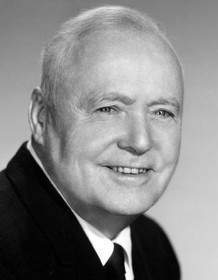
Henry Hathaway
Made by

20th Century Fox
Where to Watch Call Northside 777
See current US streaming, rental, and purchase options for Call Northside 777 (1948) via JustWatch.






Call Northside 777 Plot Summary
Read the complete plot summary and ending explained for Call Northside 777 (1948). From turning points to emotional moments, uncover what really happened and why it matters.
In Chicago in 1932, during Prohibition, the murder of policeman John W. Bundy inside a speakeasy sets off a chain of arrests and convictions. Eddie Dunn portrays Bundy on screen, while Frank Wiecek Richard Conte and another man are swiftly tried and condemned to 99 years for the crime.
Eleven years pass before a new thread pulls at the case. Wiecek’s mother places a classified ad in the city’s paper offering a $5,000 reward for information about the real killers, and city editor Brian Kelly Lee J. Cobb assigns the ambitious reporter P. J. McNeal James Stewart to investigate further. McNeal starts with doubts about Wiecek’s guilt, believing the long-ago verdict may be wrong, but he runs into stubborn resistance from the police and the state’s attorney, who are reluctant to admit they might have erred. The pressure doesn’t stop there: politicos at the state capital push to shut down a story that could embarrass the current administration.
As McNeal digs deeper, he writes an article titled Where is Wanda Skutnik. In a bar, he finds Wanda Skutnik Betty Garde, now married, and he confronts her about the earlier testimony. Wanda denies lying in court and becomes defensive when pressed, complicating McNeal’s quest for the truth. The investigation continues to hinge on testimony, press coverage, and the stubborn Sta te apparatus, all seen through McNeal’s skeptical yet determined lens.
The turning point comes with an enlarged photograph that reveals the date of a newspaper, a detail that undermines a crucial witness. This visual clue undermines the credibility of the key testimony and gradually exposes the flaws in the earlier case. As the image is examined and re-examined, Wiecek’s innocence begins to emerge, despite the initial certainty of guilt that surrounded the original trial. The film thus portrays a fight for justice that traverses police pressure, political machinations, and the stubborn pursuit of truth by a determined journalist.
Throughout the narrative, the tension between due process, media scrutiny, and political influence is laid bare, inviting viewers to weigh the cost of upholding a conviction versus the possibility that those in power can be swayed by ambition. The characters’ paths intertwine as the truth slowly illuminates the past, challenging long-held assumptions and offering a measured meditation on the reliability of memory, eyewitness testimony, and the power of new evidence to overturn a seemingly settled case.
Call Northside 777 Timeline
Follow the complete movie timeline of Call Northside 777 (1948) with every major event in chronological order. Great for understanding complex plots and story progression.
Policeman Bundy murdered in a Chicago speakeasy
Policeman John W. Bundy is shot dead inside a Chicago speakeasy during Prohibition. The crime shocks the city and triggers a swift police response. Frank Wiecek and another man are quickly arrested as suspects.
Arrests and charges against Wiecek
Wiecek and the other man are charged with Bundy's murder and brought to trial. The case receives intense media coverage as investigators push for a conviction. The early narrative frames Wiecek as the killer.
Trial and conviction
In November 1933, Wiecek and the co-defendant are convicted of Bundy's murder and sentenced to 99 years in prison. The verdict solidifies the official account and sidelines questions about the witnesses. The sentence marks a decade-long pursuit of a definitive truth.
A long shadow over the case
Eleven years later, Wiecek's mother places a classified ad in the Chicago Times offering a $5,000 reward for information about the true killers. The ad sparks renewed interest in the case and unsettles the authorities who want to avoid revisiting the verdict. A fresh inquiry begins to take shape.
McNeal assigned to investigate
City editor Brian Kelly assigns reporter P. J. McNeal to look more closely into the case. McNeal starts from a skeptical stance, believing the convicted men were guilty. His assignment marks the shift from a closed case to a potential reexamination of the evidence.
Resistance and political pressure
McNeal's investigation meets resistance from the police and the state's attorney's office, who are unwilling to be proven wrong. Political pressure from state politicians to end the story further complicates the push for truth. The conflict highlights the tension between journalism and officially controlled narratives.
Where is Wanda Skutnik article
P. J. McNeal writes an article titled Where is Wanda Skutnik to probe for new information and challenge the established story. The piece draws attention to potential witnesses who may have lied or been misrepresented. It becomes a catalyst for reopening questions about the case.
Wanda Skutnik found in a bar
McNeal tracks Wanda Skutnik to a bar, where she is now a married woman. Her presence on the scene raises doubts about her courtroom testimony. The encounter heightens the sense that new truths may emerge.
Confrontation at Wanda's home
McNeal visits Wanda's home and confronts her about the trial, but she denies lying in court and becomes defensive. The exchange underscores the personal stakes and the difficulty of revisiting a past conviction. Her reaction adds to the tension surrounding the investigation.
Evidence of a lied witness emerges
A newspaper photograph is enlarged to reveal a date that proves a key witness lied. The new visual evidence undermines the credibility of the prosecution's testimony and casts doubt on the original verdict. It signals that the truth may finally come to light.
Innocence established
With the new evidence, Wiecek's innocence is finally established and the case is effectively reopened. The exoneration vindicates a man who spent years imprisoned for a crime he did not commit. The development forces a reassessment of the case and its handling.
Closing perspective
The exoneration reshapes the public record and the memory of the Bundy murder case. It exposes flaws in the prior investigation and the political pressures that influenced it. The timeline closes with the truth catching up to history.
Call Northside 777 Characters
Explore all characters from Call Northside 777 (1948). Get detailed profiles with their roles, arcs, and key relationships explained.
P. J. 'Jim' McNeal (James Stewart)
A skeptical Chicago reporter who initially believes Wiecek’s guilt but evolves into a tenacious investigator. He confronts police and the state's attorney to pursue the truth. His persistence embodies the film’s faith in journalism as a tool for justice.
Frank Wiecek (Richard Conte)
Convicted of killing a police officer based on questionable testimony and timing. His case becomes the catalyst for the investigation that questions the integrity of the system. The eventual revelation confirms his innocence.
Wanda Skutnik (Betty Garde)
A key figure connected to the case who is confronted by the reporter. She denies having lied in court and defends her role in the testimony, highlighting the complexity of truth and testimony.
Brian Kelly (Lee J. Cobb)
City editor who assigns the investigative beat to McNeal and initially doubts the prosecution’s case. He becomes a crucial ally as the story gains traction and public interest grows.
Laura McNeal (Helen Walker)
A member of McNeal’s circle who embodies the personal stakes of the case. Her presence adds emotional weight to the pursuit of truth and the consequences of the investigation.
Call Northside 777 Settings
Learn where and when Call Northside 777 (1948) takes place. Explore the film’s settings, era, and how they shape the narrative.
Time period
1932–1943
The story starts in 1932, in the height of Prohibition, with a murder and a wrongful conviction. About eleven years later, the investigation is reopened by a newspaper reporter, revealing new evidence that upends the case. The time period emphasizes the tension between criminal influence and a determined press.
Location
Chicago, Illinois
The film is set in Chicago during Prohibition, beginning with a police officer's murder in a speakeasy. The action spans from the early 1930s through the mid-1940s as the investigation uncovers the truth. The city serves as a backdrop for corruption, journalism, and the pursuit of justice.
Call Northside 777 Themes
Discover the main themes in Call Northside 777 (1948). Analyze the deeper meanings, emotional layers, and social commentary behind the film.
🕵️
Truth vs. Power
A relentless pursuit of truth drives the story as a reporter challenges locked-room politics and police resistance. The film shows how evidence and persistence can overturn a conviction built on official narratives. The clash underscores the importance of investigative journalism in a corrupt system.
🗞️
Media vs. Authority
The newspaper man’s investigation demonstrates the media's role in exposing misconduct and pressuring authorities to reexamine cases. It highlights how reporting can galvanize public opinion and accountability. Yet the newsroom also faces political pushback seeking to end the story.
🏛️
Institutional Corruption
The plot exposes corruption within the state’s attorney’s office and political circles that protect wrongful outcomes. It shows how power can shield the guilty and hamper justice, until mounting pressure and new evidence force reform. The arc suggests integrity can prevail when institutions face scrutiny.

Coming soon on iOS and Android
The Plot Explained Mobile App
From blockbusters to hidden gems — dive into movie stories anytime, anywhere. Save your favorites, discover plots faster, and never miss a twist again.
Sign up to be the first to know when we launch. Your email stays private — always.
Explore the mobile appCall Northside 777 Spoiler-Free Summary
Discover the spoiler-free summary of Call Northside 777 (1948). Get a concise overview without any spoilers.
In the shadow of 1932 Chicago, during the tumultuous era of Prohibition, the murder of a policeman sets into motion a swift and unyielding march toward justice. Frank Wiecek is convicted and sentenced to life in prison, a judgment that seemingly puts the matter to rest. However, the passage of eleven years fails to erode the resolve of his mother, whose poignant advertisement in a local newspaper offering a reward for the true killer’s capture catches the eye of a city editor. This small act of desperation plants the seed for a reopening of a case that the city would rather leave buried.
Assigned to the story is P.J. McNeal, a pragmatic reporter whose natural inclination leans toward skepticism rather than sentimentality. Initially viewing the assignment as a wild goose chase, McNeal approaches the convicted man’s plight with the assumption that the legal system is rarely wrong. Yet, as he begins to interact with the case’s history and the people involved, he finds his certainty challenged. The narrative shifts from a routine journalistic inquiry into a personal obsession, as the reporter begins to question whether a man has been robbed of his freedom.
As McNeal digs deeper, he encounters a wall of resistance from law enforcement and political figures unwilling to entertain the possibility of a miscarriage of justice. The atmosphere thickens with tension as the reporter’s investigation threatens to embarrass powerful institutions and expose the fragility of eyewitness testimony. The film immerses viewers in a world where the pursuit of truth clashes violently with institutional pride, creating a gripping drama about the cost of integrity and the weight of a second chance.
Movies with Similar Twists and Themes
Uncover films that echo the narrative beats, emotional arcs, or dramatic twists of the one you're exploring. These recommendations are handpicked based on story depth, thematic resonance, and spoiler-worthy moments — perfect for fans who crave more of the same intrigue.


Featured on this page

What's After the Movie?
Not sure whether to stay after the credits? Find out!
Check out our other apps:

SAT Sphere
Build confidence for the Digital SAT.

Mori Atlas
Discover wild places worth protecting.

Luntero
Search smarter for a home in Amsterdam.

Plot Explained
Unravel movie endings and hidden clues.

Pokechamp
Dive into Pokémon data and battle logic.

Driving Theory
Get ready for your European theory test.

Movie Dust
Plan your next cinema trip with ease.

Musemap
Find art and culture as you travel.

Selkobase
Compare credentials before committing.

Local Manual
Turn an unfamiliar country into practical next steps.

Lernavi
Compare school systems before your next move.

GymRoam
Find a workout stop wherever your plans take you.
Explore Our Movie Platform
New Movie Releases (2026)
Famous Movie Actors
Top Film Production Studios
Movie Plot Summaries & Endings
Major Movie Awards & Winners
Best Concert Films & Music Documentaries
Movie Collections and Curated Lists
© 2026 What's After the Movie. All rights reserved.
Privacy Policy