
An Inspector Calls 1954

Directed by
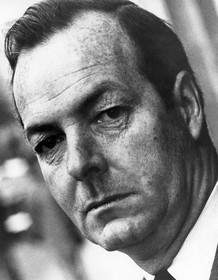
Guy Hamilton
Made by

Watergate
Where to Watch An Inspector Calls
See current US streaming, rental, and purchase options for An Inspector Calls (1954) via JustWatch.


Streaming availability powered by 
An Inspector Calls Plot Summary
Read the complete plot summary and ending explained for An Inspector Calls (1954). From turning points to emotional moments, uncover what really happened and why it matters.
In 1912, the prosperous Birling family gathers around the dining table at the end of a dinner party with their friend Gerald Croft Brian Worth, who is engaged to Sheila Birling Eileen Moore. Mr. Birling Arthur Young and Mrs. Birling Olga Lindo try to keep the mood light with light chatter about business, social status, and the looming future, while their son Eric Birling Arthur Young exchanges uneasy glances over the clinking of glasses. The evening takes a startling turn when a man calling himself Inspector Poole Alastair Sim arrives to announce that Eva Smith Jane Wenham — a working-class girl who kept a diary — has died by suicide, and that her death is somehow linked to each member of the family. The inspector’s presence unsettles the room and begins a sequence of revelations that binds four generations of responsibility.
A flashback to 1910 reveals Eva Smith as a factory worker in Birling’s employ. She and a group of coworkers march to demand a wage increase from 22/6 to 25/- per week. Birling refuses, telling them to find better jobs if they are unhappy. When Eva later loses her job after leaving Birling’s factory, she moves on to Milward’s but is dismissed after two months because a customer complains. The inspector emphasizes that Eva’s misfortunes are not random; they are shaped by choices within the Birling circle, and each step seems to tighten the net of guilt around the family.
Back in the Birling drawing room, Sheila tries on hats with her mother. Sheila accuses Eva of rudeness for smiling while struggling to fit the hat and presses the point that Eva was dismissed for her demeanor. The inspector reveals that Eva later adopts the name Daisy Renton, and that Gerald has been seeing Daisy—an affair that began in March 1911. Gerald explains that he met Daisy at the Palace Variety Show, moved her into his townhouse when she had nowhere else to go, and provided her with money to survive, though he never publicly acknowledged their relationship. He concedes that his care for her was more about pity than lasting affection, and that Daisy ultimately suggested they part ways so as not to burden him further. The revelation unsettles Sheila, who begins to see the moral complexity of the man she thought she knew, and to question the safety of their social circle.
Mrs. Birling’s rigid charity work adds another thread to the mosaic. As the chairwoman of a women’s charity committee, she denies Eva assistance when Eva seeks help, insisting that Eva’s claims are suspect and blaming the girl for her predicament. She volleys back at Eva with a frank harshness, asserting that the fault lies with the girl rather than with those who turned her away. Eva’s appeal is dismissed with a cold simpleness that shocks the others, and Mrs. Birling’s stance becomes a stark example of cold social power without compassion. The inspector notes that this refusal reflects a broader pattern of callousness among those who have the means to help but choose pride over empathy.
The story widens to include Eric Birling Arthur Young, who meets Eva on a tram and embarks on a brief, troubled affair that culminates in Eva becoming pregnant. He steals money to try to support her, but she refuses the stolen aid, recognizing its flawed origin. Eva seeks help again from Mrs. Birling but is rebuffed once more, reinforcing the sense that Eva’s fate is the consequence of a chain of small, careless acts by people who assume they are immune to consequence.
As the inspector binds these individual threads into a shared accountability, the family members momentarily acknowledge their roles while trying to retreat into their prior self-images. Sheila and Eric feel more keenly the impact of their actions, while Mr. and Mrs. Birling attempt to restore the illusion of normalcy. The room seems to close in as the inspector disappears, leaving behind a locked room and a lingering sense of unresolved guilt. The phone finally rings with news that a girl has died at the infirmary, and an inspector is on his way, suggesting that the reckoning may continue outside the Birling walls.
In a drama where every choice reverberates, the characters confront the unsettling truth that Eva Smith’s life and death were touched — and altered — by dozens of seemingly small decisions. The evening becomes a mirror in which each member discovers a fragment of responsibility, and the final image remains haunting: the possibility that the consequences of their actions ripple far beyond the moment, echoing through time as a collective moral test.
An Inspector Calls Timeline
Follow the complete movie timeline of An Inspector Calls (1954) with every major event in chronological order. Great for understanding complex plots and story progression.
Dinner party at the Birling residence
In 1912, the Birling family sit at a dining table at the end of a dinner party with Gerald Croft, who is engaged to Sheila. The mother chastises Eric for drinking too much, and the father discusses the likelihood of war and a possible knighthood with Gerald over port and cigars.
Inspector Poole arrives to investigate Eva Smith
They are interrupted by a man calling himself Inspector Poole, who is investigating the suicide of Eva Smith, a working-class girl linked to each family member. Eva Smith has poisoned herself, and she left a diary that hints at the connections between the Birling family and her fate.
Eva Smith's 1910 factory strike
A flashback shows Eva working in the Birling factory and leading a group of women to demand a pay raise from 22/6 to 25/-. Birling refuses and tells them to find another job, setting in motion Eva's fall from stability.
Eva's unemployment and Milward's job
Back in the Birling house, the father cannot see how Eva's plight connects to him. The inspector explains that after being sacked from Birling's, Eva has a period of unemployment, then goes to work at Milward's, where she is dismissed after two months following a customer's complaint; it becomes clear that this later dismissal implicates Sheila.
Sheila's hat shop confrontation
In a flashback, Sheila is choosing a hat with her mother when Eva is accused of being rude for smiling while she struggles to fit the hat, and Eva is dismissed. Sheila admits she was jealous of Eva's looks.
Eva changes her name to Daisy Renton
The inspector explains that Eva changes her name to Daisy Renton, which shocks Gerald as the truth about his relationship with her begins to emerge.
Gerald's affair with Daisy Renton begins
Gerald confesses to Sheila that he had an affair with Daisy beginning in March 1911. He says he met Daisy at the Palace Variety Show, found her homeless, and lets her use his townhouse and gives her money to survive, keeping the relationship private.
Daisy realises Gerald may end the affair
On one of his visits, Daisy realises that Gerald is building up to breaking off their affair, and, to make things easier for him, tells him they should separate as she realises that he only ever felt sorry for her, although she is in love with him. She leaves the flat the next day.
Mrs Birling refuses Eva charity
Mrs Birling, as chairwoman of a charity committee, refuses Eva charity on the grounds that Eva is pregnant and claims her husband left her. She accuses Eva of using the Birling name and brushes aside Sheila's attempts to stop her condemnation.
Eric's affair and Eva's pregnancy
Eric meets Eva on a tram and they have an affair, and Eva becomes pregnant. He steals money to support her, but she refuses it when she realises it is stolen. Eva goes to Mrs Birling but is turned down, adding to the tragedy.
Partial blame and ambiguous evidence
The family members begin to feel partially responsible for Eva's death, yet they struggle with how to prove it or confront it all. They hope to avoid scandal and dismiss the idea that one individual bears sole responsibility.
Gerald checks the infirmary; it may be a scam
Gerald phones the infirmary to check if the girl Eva is really dead, and is told no-one has died. The situation feels like a strange scam, and the family contemplates returning to their old lives while Sheila and Eric remain changed by the experience.
The twist ends with a real death on the way
Back in the study, Mr Birling discovers the Inspector has disappeared and there is no exit from the room. Then a phone rings: a girl has just died at the infirmary and an inspector is on his way, suggesting the investigation may resume.
An Inspector Calls Characters
Explore all characters from An Inspector Calls (1954). Get detailed profiles with their roles, arcs, and key relationships explained.
Eva Smith
A working-class girl whose life is shaped and shattered by the Birling family’s actions. She seeks fair pay, endures dismissal from two employers, and becomes Daisy Renton after crossing paths with Gerald. Her fate—a suicide linked to the family’s decisions—drives the Inspector’s chain of responsibility.
Gerald Croft (Brian Worth)
Engaged to Sheila at the outset, Gerald carries a secret: an affair with Daisy Renton while acting as a protector to her. He rationalizes his behavior but is visibly unsettled by the inspector’s revelations. His complicity shows how even seemingly stable relationships are entangled with Eva’s fate.
Arthur Birling
The self-assured patriarch who prides himself on industry and status. He brushes off Eva’s struggles as irrelevant to his life and focuses on honors and business concerns, illustrating class arrogance. His dialogue with the inspector exposes a stubborn, short-sighted capitalist mindset.
Mrs. Sybil Birling
Chairwoman of a charity committee, she coldly refuses Eva aid, blaming the girl herself. Her moral posturing and social gatekeeping reveal a hypocritical sense of virtue. Her stance embodies the class‑based cruelty that the inspector seeks to expose.
Sheila Birling
The daughter of the Birlings who starts as self‑assured but grows increasingly unsettled by the inspector’s accusations. She confronts her own role in Eva’s ruin and evolves toward a more conscientious sense of responsibility. Her arc highlights a shift from privilege to moral accountability.
Eric Birling
The son whose flirtation with Eva turns into a troubling affair. He lies, steals to support Eva, and confronts the consequences of his actions. His character illustrates how personal desires intersect with exploitation and guilt.
Inspector Poole
A man who calls himself Inspector Poole to interrogate the family about Eva’s death. He orchestrates the revelation of each character’s complicity and then vanishes, leaving the family to face the moral fallout. The twist reveals that no such inspector may exist in reality.
An Inspector Calls Settings
Learn where and when An Inspector Calls (1954) takes place. Explore the film’s settings, era, and how they shape the narrative.
Time period
1912, with flashbacks to 1910
Set in the years just before World War I, the action centers on a 1912 dinner where a sense of propriety masks underlying guilt. Flashbacks transport viewers to 1910, showing Eva's struggle to win a pay rise and keep her job. Taken together, the events reflect the Edwardian-into-Pre-War Britain’s social tensions.
Location
Birling Family Home, Birling's Factory
The story largely unfolds in the Birling family dining room, a comfortable home that signals their upper-middle-class status. It also ventures into the machine shop of Birling's factory in a nearby town, highlighting the working conditions Eva confronts. The two settings link private family life with public industrial life, underscoring social divisions of the era.
An Inspector Calls Themes
Discover the main themes in An Inspector Calls (1954). Analyze the deeper meanings, emotional layers, and social commentary behind the film.
⚖️
Guilt
The inspector reveals that guilt is not confined to a single person but travels through a chain of actions and decisions. Each family member bears responsibility for Eva Smith’s fate, even indirectly. The play frames morality as a shared burden rather than a simple accusation.
💼
Class and Hypocrisy
Wealth and social status shape how characters respond to Eva’s plight, often shielding them from accountability. Mrs. Birling’s charity refusal and the family’s pretensions show how appearances conflict with reality. The play exposes the gap between respectable surface and real-world consequences.
🗝️
Secrets and Consequences
Secrets drive the drama: Gerald’s affair with Daisy Renton, Eva’s repeated betrayals by society, and the inspector’s looming interrogation. The truth surfaces in fragments, forcing each character to confront the impact of their choices. The ending twist—no Inspector Poole—emphasizes how perception can be manipulated to evade accountability.

Coming soon on iOS and Android
The Plot Explained Mobile App
From blockbusters to hidden gems — dive into movie stories anytime, anywhere. Save your favorites, discover plots faster, and never miss a twist again.
Sign up to be the first to know when we launch. Your email stays private — always.
Explore the mobile appAn Inspector Calls Spoiler-Free Summary
Discover the spoiler-free summary of An Inspector Calls (1954). Get a concise overview without any spoilers.
In the spring of 1912 the Birling family gathers for a polished dinner in their spacious, Edwardian home, surrounded by the trappings of wealth and social ambition. The evening is filled with the usual clink of glasses, light chatter about business and future prospects, and the comfortable confidence that comes from generations of privilege. Into this genteel tableau steps Inspector Poole, a calm yet unsettling presence whose arrival brings an unexpected weight to the room. He delivers the unsettling news that a young woman, Eva Smith, known to everyone present, has died under circumstances that suggest a hidden connection to each guest.
The Birlings—Mr. Birling, a self‑assured industrialist, and Mrs. Birling, a stern matriarch devoted to charitable work—are soon joined by their spirited daughter Sheila and their restless son Eric, whose youthful restlessness hints at cracks beneath the family’s polished surface. Their guest, Gerald Croft, a charming suitor to Sheila, adds another layer of social polish, yet his easy confidence masks uncertainties that the inspector’s probing questions begin to expose. The household’s dynamic, built on respectability and unspoken expectations, feels suddenly fragile as the inspector hints that each person may bear some share of responsibility for the tragedy.
The film’s tone is a delicate blend of period drama and suspenseful moral inquiry, set against the restrained elegance of an upper‑class drawing‑room that feels both intimate and oppressive. As the inspector’s inquiries grow more pointed, the characters are forced to confront the dissonance between their public facades and private choices, all while the audience senses an undercurrent of unease about the true nature of the visitor and the purpose of his interrogation. The atmosphere crackles with the tension of secrets waiting to surface, inviting viewers to wonder what lies beneath the polished veneer of propriety.
Movies with Similar Twists and Themes
Uncover films that echo the narrative beats, emotional arcs, or dramatic twists of the one you're exploring. These recommendations are handpicked based on story depth, thematic resonance, and spoiler-worthy moments — perfect for fans who crave more of the same intrigue.
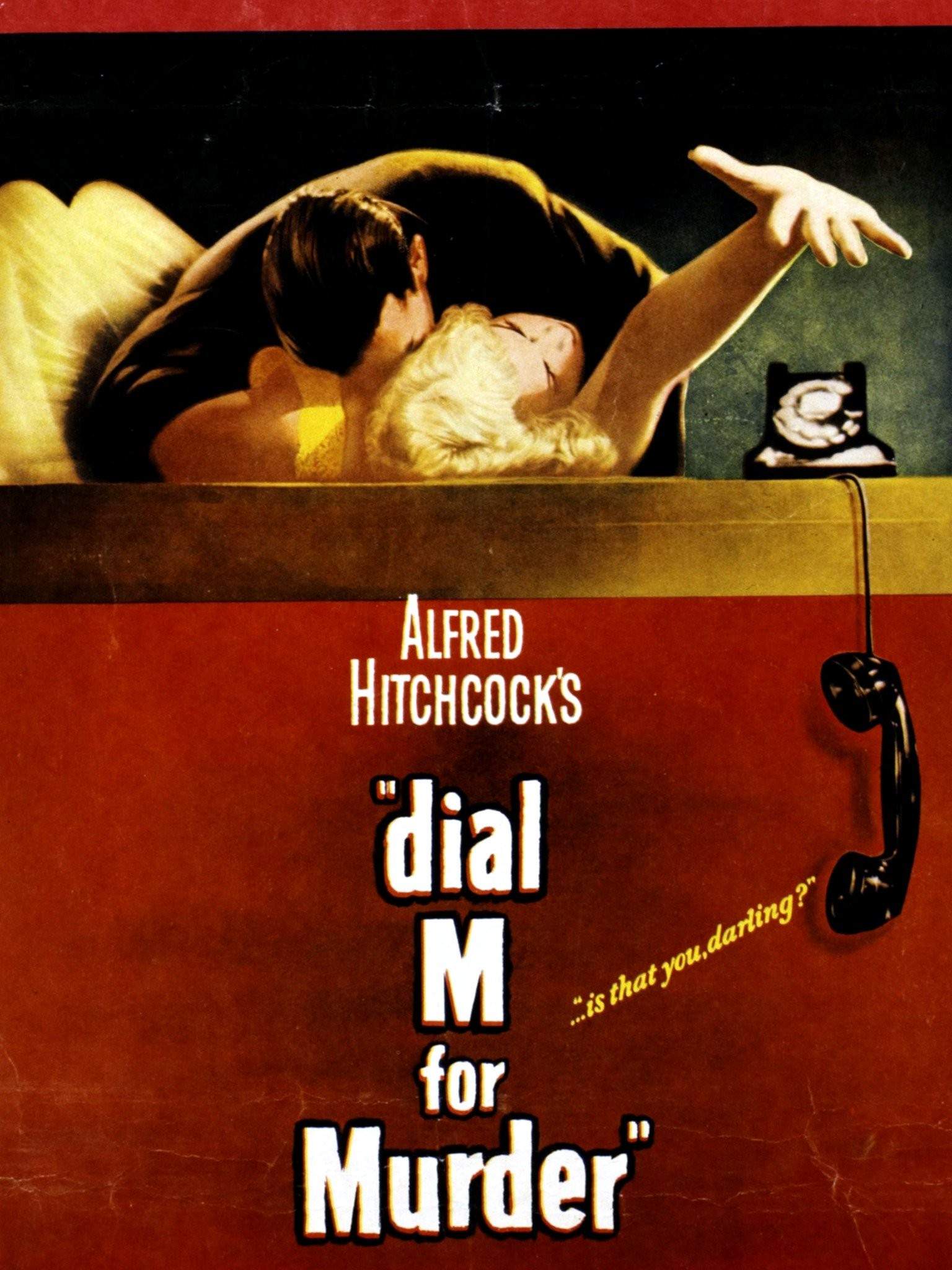
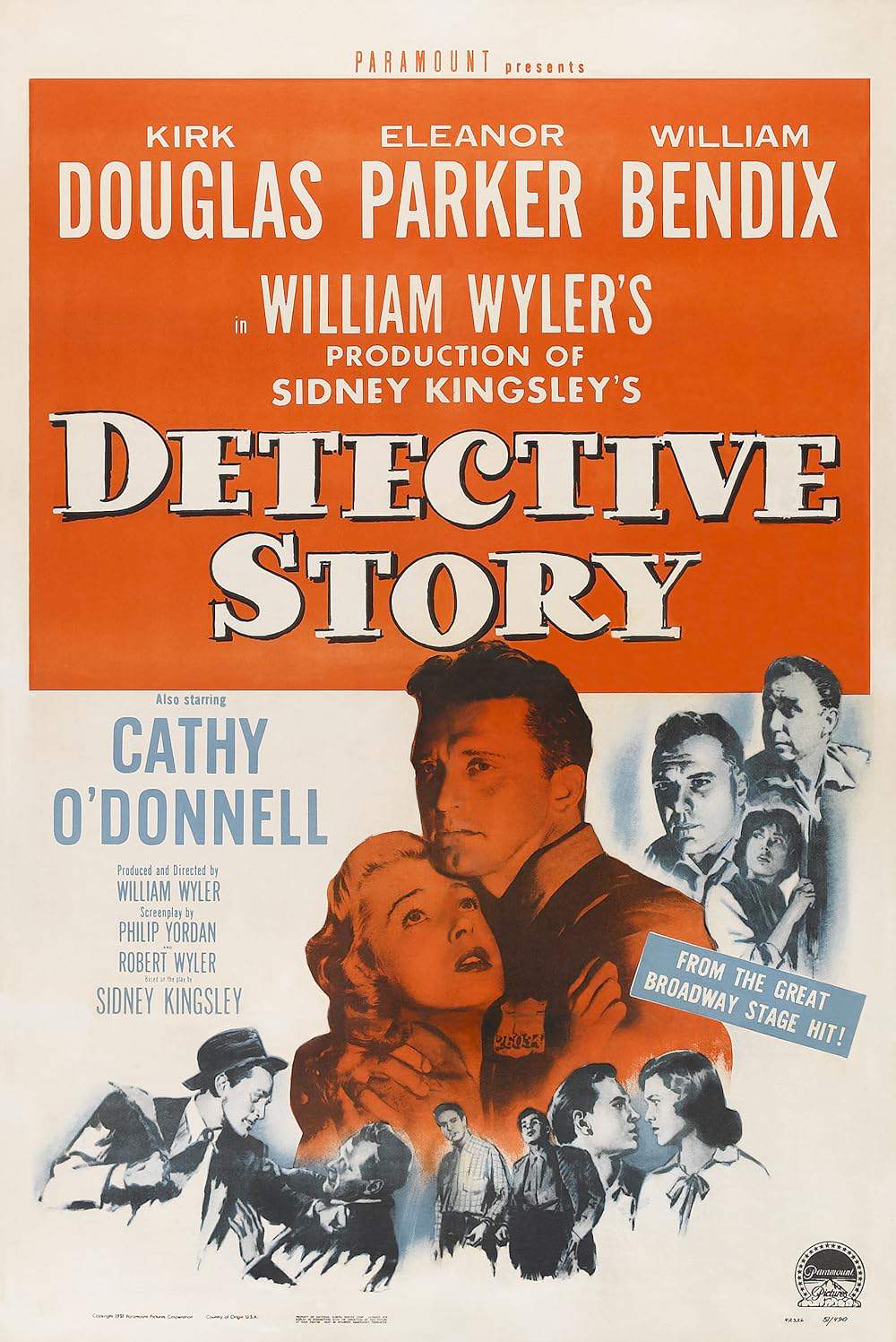


Featured on this page

What's After the Movie?
Not sure whether to stay after the credits? Find out!
Check out our other apps:

SAT Sphere
Build confidence for the Digital SAT.

Mori Atlas
Discover wild places worth protecting.

Luntero
Search smarter for a home in Amsterdam.

Plot Explained
Unravel movie endings and hidden clues.

Pokechamp
Dive into Pokémon data and battle logic.

Driving Theory
Get ready for your European theory test.

Movie Dust
Plan your next cinema trip with ease.

Musemap
Find art and culture as you travel.

Selkobase
Compare credentials before committing.

Local Manual
Turn an unfamiliar country into practical next steps.

Lernavi
Compare school systems before your next move.

GymRoam
Find a workout stop wherever your plans take you.
Explore Our Movie Platform
New Movie Releases (2026)
Famous Movie Actors
Top Film Production Studios
Movie Plot Summaries & Endings
Major Movie Awards & Winners
Best Concert Films & Music Documentaries
Movie Collections and Curated Lists
© 2026 What's After the Movie. All rights reserved.
Privacy Policy