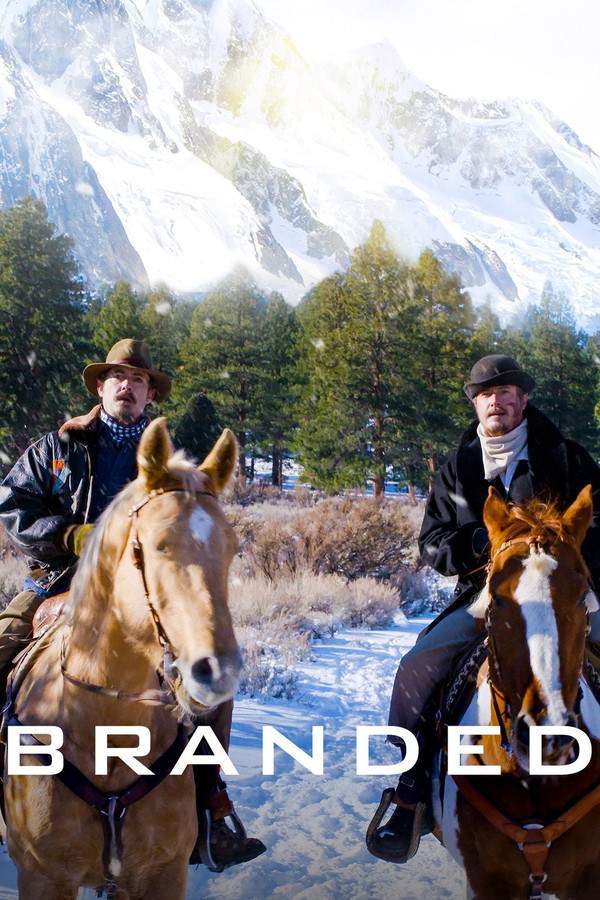
What Is Branded About?
The premise of Branded in 256 words, with nothing given away. The full story follows below.
In a near‑future where sleek billboards pulse like nervous systems and algorithms whisper directly into the mind, society glides under the subtle grip of omnipotent corporations. The air is thick with curated desires, and everyday choices feel pre‑written, blurring the line between genuine longing and engineered craving. The cityscape itself becomes a living showroom, its neon veins reflecting a world that sells identity as much as product, leaving its citizens to wonder whether the thoughts they cherish are truly theirs.
- Misha Galkin drifts through this manufactured landscape with a rare, almost uncanny talent for reading people and shaping narratives. Raised amid the remnants of a crumbling old order, he has honed his skill into a career that sits at the heart of the advertising machine, granting him access to the very mechanisms that steer public consciousness. Yet the very success that elevates him also seeds a growing unease, as he begins to sense the invisible strings that bind desire to profit.
When a quiet doubt blossoms into a relentless quest for truth, Misha finds himself poised on the edge of a razor‑sharp divide between what is authentic and what has been artfully fabricated. The atmosphere crackles with a tense mix of sleek modernity and foreboding paranoia, inviting him—and the audience—to peer behind the glossy facade. As he navigates the labyrinth of corporate influence, the film teases an escalating confrontation that could upend the delicate balance of power, hinting at a desperate struggle to reclaim agency in a world that has learned to sell even the self.
What Happens in Branded?
The complete story of Branded, from the first scene to the last, in 1,007 words (about 4 minutes). Spoilers throughout.
Spoilers ahead
In the early 1980s, under the shadowed skies of the Soviet Union, a young man named Misha Galkin encounters a strange omen: he stares up at the stars as they shift into a cow-shaped constellation that seems to watch him back, and moments later a bolt of lightning strikes him. A woman who tends to him afterward proclaims that his life will be “interesting,” a prophecy that threads through the years as he builds a remarkable talent for understanding people and selling ideas. This gift propels him into the world of marketing, where he emerges as a powerful strategist who navigates the delicate balance between persuasion and social consequence.
As Misha climbs the ladder of influence, he crosses paths with Bob Gibbons, an American brought in to plant Western brands in a post-Communist Russia. The relationship between Misha and Bob grows complicated when Bob’s niece, Abby, visits from the United States and becomes entangled with Misha’s ambitions and ideals. Against Bob’s wishes, they begin a romance, and their conversations soon turn to the deeper history of modern marketing. Misha argues that Lenin laid the groundwork for what advertising would become—a global brand in its own right—and he suggests that Communism, in its own way, pioneered a form of corporate reach that would redefine identities, desires, and economies on a planetary scale. Amid these intimate and philosophical tensions, a parallel plan unfolds on a faraway Polynesian island, where Joseph Pascal—a marketing guru of formidable presence—meets with fast-food executives to explore new ways of recapturing profit and influence for the industry. The dialogue on beauty, body norms, and mass perception foreshadows a broader collision between commerce and culture.
Misha’s next assignment brings him into the glare of a provocative reality show called Extreme Cosmetica. He is hired to promote a broadcast in which an overweight woman will undergo plastic surgery in a bid to become thin. The venture spirals quickly: after the first operation, the contestant slips into a coma, the public mood darkens, and the show—along with the glorification of a thin ideal—faces fierce backlash. Misha becomes the public face of the controversy, the scapegoat who is blamed for the disaster as protesters swarm the streets, and even the police discipline him. He is arrested, spends time in jail, and upon his release he confronts Bob with the uncomfortable truth that the show and its coma-like catastrophe were manipulated by powerful fast-food interests, including a brand named “The Burger.” Bob dismisses the accusation, arguing that coordinating such a plan would demand resources beyond reach. A violent confrontation leaves Bob in poor health with a heart attack, and Misha, overwhelmed by guilt over the consequences of his work, abandons Moscow and withdraws from modern life, convinced that his marketing prowess is a personal curse rather than a gift.
Over six years, the campaign that celebrated “fat is fabulous” takes hold, reshaping society’s ideals and saturating advertising with images of overweight consumers. In this era of altered norms, Misha experiences a troubling vision—an imagined Red Heifer ritual, with a red cow sacrificed and ashes bathing his mind. When he awakens, he discovers something new and frightening: spectral beings that embody the cravings and brand desires now cling to people’s necks, visible only to him. The once-hidden mechanisms of consumer culture begin to materialize around him as a kind of spectral ecosystem that only he can perceive.
Abby eventually tracks Misha to a rural village where he has chosen a quiet, almost ascetic life as a cowherd. She persuades him to return to Moscow to meet in a shared apartment, where she reveals startling news: Bob has left Abby a substantial inheritance, and their six-year-old son—overweight and fond of junk food brands—exists in the world they once shaped. Distressed by his visions and disgusted by the rampant commercialism surrounding him, Misha acts impulsively, destroying Abby’s apartment in a moment of volatile emotion. Abby is frightened by his behavior and leaves, taking their son with her as she seeks safety and stability for him.
Driven by a stubborn desire to counteract the very forces he helped unleash, Misha devises a counteroffensive that uses the branding tactics against their own technique. He returns to his former company and weaponizes fear-based marketing to destabilize the world’s major brands. The campaign targets the most influential players—starting with a fear-driven anti-beef movement that drives customers away from The Burger and toward a new vegetarian option, a Chinese restaurant chain called Dim Song. The symbolic struggle between the branding creatures intensifies as they clash across the city, destroying one another’s influence in a surreal, almost mythic battlefield. Public opinion shifts: advertising falls under suspicion, and the Russian parliament begins to consider a broad ban on all advertising, signaling a radical rethinking of commerce.
In a quiet, intimate moment, Misha leaves a message on Abby’s phone, asking for forgiveness. She eventually reaches his office, only for the building to be swept by anti-advertising protesters who strike at the employees and disrupt the space. In the chaos, Misha is struck on the head while trying to escape with Abby and their son. A television emergency broadcast announces that Russia and other nations have reached an agreement to ban advertising, while Misha lies injured on the floor.
Some time later, Misha regains consciousness in a hospital room where he plays with Abby and their son, a fragile reminder of what was lost and perhaps what could still be saved. In the same hospital, the awake contestant from Extreme Cosmetica rises and wanders into the streets to witness a striking scene: an advertisement-free Moscow, a skyline cleared of billboards, and a future where visibility and commerce have been redefined. The final image lingers on a city reimagined through restraint, where the power to persuade is tempered by the consequences it has wrought on lives, communities, and the very fabric of modern society. This is a tale that unfolds at the intersection of dream, addiction, and accountability, where one man’s gift becomes a questions of responsibility for a world saturated with branding.
Branded Timeline: Every Key Event in Order
14 key events in the order they happen, from “Misha's awakening and omen” to “Hospital ending and a billboard-free future”. 14 events name a place, across 11 locations.
- 1
Misha's awakening and omen
In the early 1980s Soviet Union, Misha Galkin gazes at the night sky as a cow-shaped constellation seems to watch him. Moments later, a mysterious bolt of lightning strikes him, marking the start of his extraordinary life. A woman who examines him afterward prophesies that he will have an interesting life.
When:early 1980s Where:Soviet Union
- 2
Rise to a marketing prodigy
Misha uses his natural talents to rise in the world of marketing and branding. His big break comes when he meets Bob Gibbons, an American hired to spread Western brands in post-Communist Russia. The connection sets his career on a global trajectory.
When:1980s-1990s Where:Moscow, Soviet Union
- 3
Abby arrives and a forbidden romance
Abby arrives from America and begins a romance with Misha, despite Bob's objections. They discuss the history of modern marketing, with Misha insisting Lenin invented it and that Communism was the first global brand. Their relationship deepens against the backdrop of a changing Russia.
When:early 1980s Where:Moscow
- 4
Pascal's island scheme: fat as the new fabulous
On a private Polynesian island, marketing guru Joseph Pascal meets with fast food executives to revive profits. They plot to alter public perceptions of beauty and declare that fat is the new fabulous. The plan signals a broader cultural manipulation ahead.
Where:Polynesian island
- 5
Extreme Cosmetica hires Misha
Misha is hired to promote a new reality TV show, Extreme Cosmetica, where an overweight woman will undergo plastic surgery to become thin. The project provokes controversy as audiences debate body image and the ethics of the competition. A public-relations storm threatens the show's future.
When:early 1990s Where:Moscow
- 6
The show collapses after a coma and arrest
After the first operation, the contestant falls into a coma and the public turns against the show and its message. Misha becomes the scapegoat, swarmed by protesters before police beat him and arrest him. The scandal destroys the project and marks a personal downfall for him.
When:early 1990s Where:Moscow
- 7
Confrontation with Bob and a heart attack
Upon release from jail, Misha confronts Bob, accusing him of orchestrating the scheme with fast-food interests. Bob denies the accusation, and their confrontation escalates until Bob suffers a heart attack. The moment intensifies Misha's guilt and sense of responsibility.
When:early 1990s Where:Moscow
- 8
Misha withdraws from society
Feeling that his marketing abilities are a curse, Misha leaves Moscow and retreats from modern life. For six years, he lives in a rural setting while the world around him continues to be shaped by advertising and consumption. The decision marks a full withdrawal from the world he once ruled.
When:six years after arrest Where:Russian countryside
- 9
Fat is fabulous era takes hold
During the six-year gap, the fat is fabulous campaign becomes pervasive, and advertising increasingly centers on overweight bodies. Society adapts to a new perception of beauty, contributing to a culture of mass consumption and brand suffocation.
When:six years after arrest Where:Russia
- 10
Visions of brand creatures
Misha dreams of the Red Heifer ritual and awakens to see strange creatures that embody brand desires clinging to people's necks. These beings are visible only to him, a surreal sign of the power of marketing over everyday life. He begins to understand that his gifts carry a dark, invasive energy.
When:during the six-year gap Where:Rural community
Show the other 4 events of Branded Hide the last 4 events
- 11
Abby pursues him and the truth comes to light
Abby tracks Misha to the rural community and brings him to her Moscow apartment, where she reveals Bob's inheritance and their six-year-old son who is overweight and loves junk food brands. Misha's volatile behavior worsens as he destroys Abby's apartment, frightening her enough to leave with their son. The reunification and its fallout set the stage for a final confrontation with branding itself.
When:six years after withdrawal Where:Rural Russia and Moscow
- 12
Misha fights branding with fear-based marketing
Returning to his old company, Misha weaponizes fear to turn public opinion against the world's major brands. He triggers an anti-beef scare and elevates a vegetarian chain, Dim Song, while branding creatures clash across the city. Public sentiment shifts so dramatically that parliament contemplates banning all advertising.
When:late 1990s Where:Moscow, Russia
- 13
Raid, chaos, and a televised ban
Misha leaves a remorseful voicemail for Abby before a raid erupts in the advertising office, where protesters attack employees. In the chaos, Misha is struck as he tries to escape with Abby. An emergency TV broadcast declares that advertising will be banned, signaling a turning point for society.
When:late 1990s Where:Moscow office building
- 14
Hospital ending and a billboard-free future
Misha wakes in a hospital and reunites briefly with Abby and their son, a quiet coda to his journey. In the same hospital, the Extreme Cosmetica contestant awakens and wanders into a world outside, showing a Moscow skyline free of billboards and advertising. The film closes on a world where branding has been eroded, but the human cost remains.
When:some time later Where:Hospital in Moscow
Who Are the Main Characters in Branded?
4 characters, among them Misha Galkin - Ed Stoppard, Abby - Leelee Sobieski and Bob Gibbons - Jeffrey Tambor: who each one is and the part they play in the story. Every profile links to the actor’s page.
- MG
Misha Galkin - Ed Stoppard
Played by Ed Stoppard
A brilliant yet conflicted marketing prodigy who rises from the Soviet periphery to wield unprecedented influence over mass audiences. He views the world as a landscape of brands and narratives, and gradually questions the moral cost of his power. His visions of the branding creatures signal a supernatural critique of consumer culture. He withdraws from society after realizing how deeply marketing has corrupted everyday life.
- 🧠 Intelligent
- 💪 Driven
- 🌀 Troubled
-

Abby - Leelee Sobieski
Played by Leelee Sobieski
Bob Gibbons's niece who becomes Misha's lover and the mother of his child. She navigates a relationship across cultures and ideologies, bearing the emotional weight of a society undergoing branding-driven change. She witnesses the consequences of the industry first-hand and ultimately leaves Moscow with their son.
- ❤️ Compassionate
- ✨ Loyal
- 🚦 Decisive
-
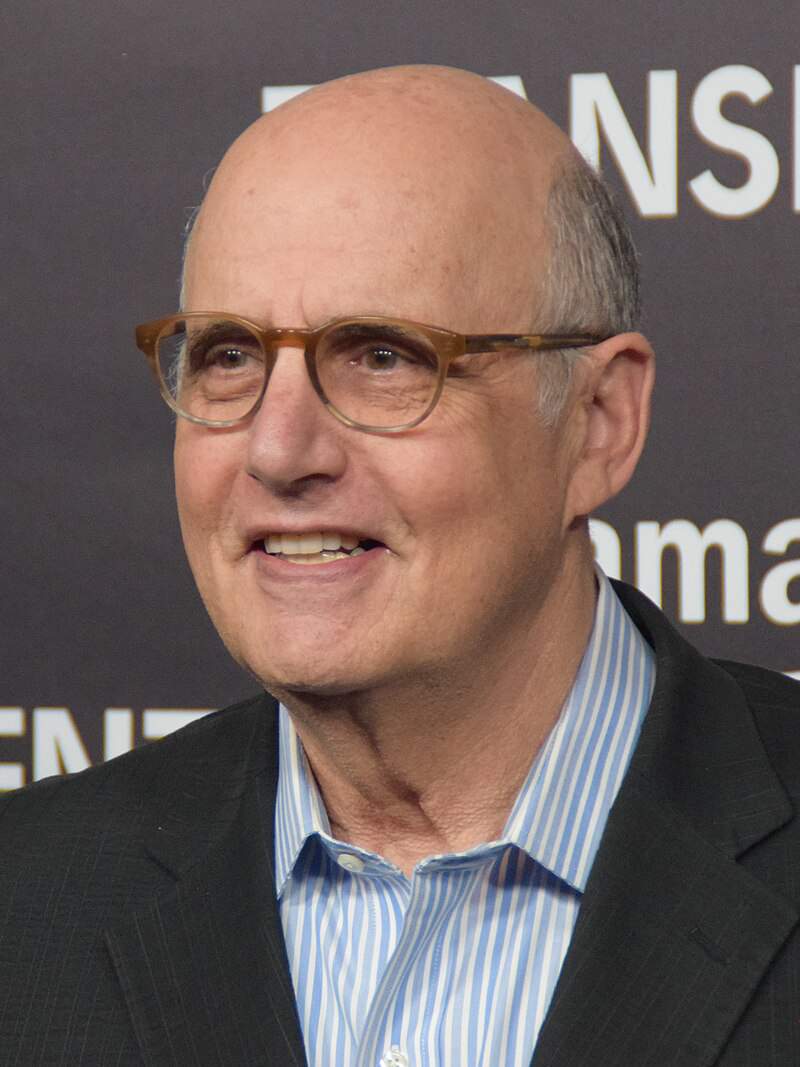
Bob Gibbons - Jeffrey Tambor
Played by Jeffrey Tambor
An American marketing executive hired to spread Western brands in post-Communist Russia, embodying corporate swagger and strategic denial. He clashes with Misha and denies involvement in manipulative schemes until the project spirals out of control. His confrontation with Misha culminates in a fatal heart attack, underscoring the human cost of scaled advertising.
- 💼 Ambitious
- 🧭 Cunning
- ⚖️ Corruptible
-
Joseph Pascal - Max von Sydow
Played by Max von Sydow
A marketing guru meeting with fast-food executives on a private Polynesian island to plot a profitable scheme. He embodies the global reach of branding and the tension between business interests and public welfare. His discussions frame the ethical questions of persuasion across borders and cultures.
- 🌍 Global
- 🧠 Strategic
- 🕊️ Philosophical
Where and When Is Branded Set?
Branded is set in Soviet Union and Polynesian island (Early 1980s). Here is why the time and place matter to the story.
When
Early 1980s
The film centers on the Soviet milieu of the early 1980s, a period of stagnation shadowed by growing Western influence. It tracks Misha’s ascent as branding becomes a tool of social engineering. The narrative spans several years, capturing the slow creep of globalization into everyday life and the resultant pushback against advertising.
Where
Soviet Union, Polynesian island
The story opens in early 1980s Soviet cities where state controls collide with rising consumer imagery. Separate scenes unfold on a private Polynesian island where Western brand strategists brew global campaigns. These settings juxtapose rigid state power with audacious capitalist experimentation, highlighting how place shapes perception and power.
- 🏙️ Urban
- 🏝️ Private island
- 🎭 Political atmosphere
What Are the Themes of Branded?
3 ideas the story keeps returning to, among them Branding Power, Manipulation and Globalization.
-
01
Branding Power
Branding emerges as a force that shapes reality, not just sells products. Misha’s talent allows him to steer public perception and mass behavior. The film treats campaigns as living forces that cultivate desires, fears, and loyalties across society. The line between persuasion and control becomes increasingly blurred, suggesting brands may steer more than markets.
-
02
Manipulation
Marketing is depicted as cultural engineering, turning imagery and slogans into near-omnipresent influences. The branding creatures symbolize the subconscious pull of consumerism on individuals. Protests and censorship reveal the dangers of unchecked persuasion. The narrative probes whether people can resist a system engineered to commodify life.
-
03
Globalization
A clandestine clash between a private-island think-tank and state-influenced media frames a fight over global beauty norms and profits. The Extreme Cosmetica project becomes a microcosm for multinational branding’s reach and ethical ambiguity. As advertising expands, societies wrestle with regulation, consent, and the true cost of a brand-driven world.
What Kind of Film Is Branded?
Dark in tone, with variable pacing and a complex story, going by the plot summary.
- Tone
- Dark
- Pacing
- Variable
- Story
- Complex
- Intensity
- High
- Ending
- Ambiguous
A surreal and paranoid thriller that immerses the viewer in a dystopian world of psychological manipulation and corporate control, creating a tense and melancholic experience with moments of desperate action.
- dystopian
- paranoid
- surreal
- melancholic
- desperate
- visceral
- conspiracy
- consumerism
- dystopia
- psychological thriller
Content notes: psychological distress, manipulation of body image, violent confrontation, riot scenes, car bomb.
Quiz
How well do you remember Branded? Test yourself on the story.
Where to Watch Branded
. US availability and prices from JustWatch.
Streaming availability in the US, powered by